
Why Your Teeth Feel Slimy the Moment You Pop Out Your Invisalign Trays
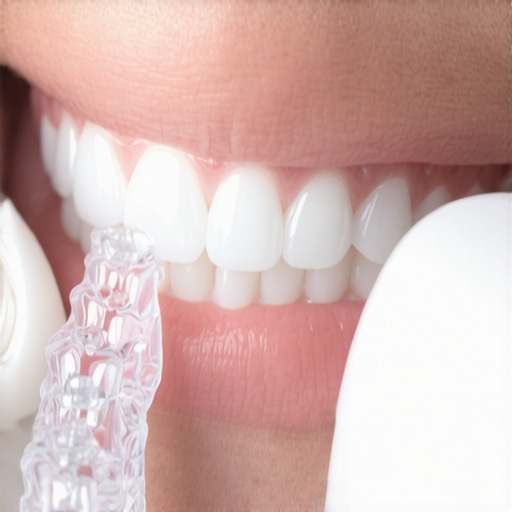
I remember the exact moment I first noticed it—after slipping out my Invisalign trays, a confusing, slimy feeling took over my tongue. It was as if my mouth had suddenly transformed into a swamp. Frustrating? Absolutely. But more than that, it made me wonder: Is this normal? Am I doing something wrong? Those moments can feel unsettling, especially when you’re committed to a bright, healthy smile.
Decoding the Slimy Feeling: What’s Really Going On?
For many Invisalign wearers, experiencing a slimy or coated tongue right after removing the trays is a common gripe. But what’s behind this sensation? The truth is, your mouth’s environment changes when you pop out the aligners. Invisalign trays cover your teeth and create a controlled environment, but when they’re out, your saliva gets a chance to do its natural thing—clean and protect. Sometimes, the saliva can react with residual substances or trapped bacteria, forming a film that feels slimy.
What I learned over time is that this isn’t just a random nuisance. It’s tied to the intricate balance of your oral microbiome—the community of bacteria, fungi, and other microorganisms living in your mouth. The trays, by design, limit the exposure of your teeth to these microbes, but once removed, a temporary shift occurs. Additionally, poor oral hygiene—like not thoroughly brushing or rinsing your mouth before and after tray removal—can worsen the slimy feeling.
Did you know that saliva’s composition can change based on what you eat, drink, or how well you clean your mouth? According to a study published by the National Institutes of Health, saliva plays a crucial role in maintaining oral health—yet when its balance is disrupted, it can lead to that unmistakable slimy sensation (NIH, 2020). That’s why proper hygiene and hydration are essential during Invisalign treatment.
So, if you’ve faced this issue, know that it’s more common than you think. The good news? There are straightforward steps you can take to reduce that slimy feeling and keep your mouth fresh throughout your Invisalign journey. Let’s explore what’s really happening and how to tackle it head-on.
Brush and Rinse Immediately After Tray Removal
Start by thoroughly brushing your teeth and tongue with a soft-bristled toothbrush to remove residual saliva, bacteria, and any trapped food. Follow with a gentle rinse using an alcohol-free mouthwash to flush out particles and restore oral freshness. I once forgot to rinse after removing my trays, which led to a lingering slimy feeling for hours; a quick brush and rinse immediately made a noticeable difference.
Hydrate to Balance Saliva Composition
Drink plenty of water before and after removing your aligners. Proper hydration helps maintain a healthy saliva pH and reduces the stickiness you feel. When I made it a habit to sip water post-tray, the slimy sensation lessened significantly, making my mouth feel cleaner and fresher.
Incorporate Regular Tongue Cleaning
Use a tongue scraper or your toothbrush to gently clean your tongue daily. The dorsal surface often harbors bacteria that contribute to that slimy coating. Think of your tongue as a sponge; keeping it clean is essential for overall mouth hygiene. I started scraping my tongue each morning, and within days, the slimy feeling after tray removal almost disappeared.
Adjust Your Oral Hygiene Routine
Ensure you’re brushing at least twice daily and flossing thoroughly. For added effectiveness, include antiseptic mouthwashes periodically. Poor oral hygiene amplifies the slimy feeling because bacteria and residual biofilm accumulate easily. I found that switching to an antimicrobial rinse reduced the microbial load, making my mouth feel instantly cleaner after each tray removal.
Utilize Baking Soda Solutions for Deep Cleaning
Occasionally, soak your aligners and rinse your mouth with a baking soda solution—dissolve a teaspoon in a glass of water. Baking soda neutralizes acids and breaks down biofilm, reducing residue buildup. I tried this method one weekend after noticing increased sliminess, and it provided a refreshing, clean feeling that lasted all day.
Control Diet and Hydration Consistency
Avoid sugary, sticky, or acidic foods before removing your trays, as they can promote bacterial growth and residue formation. Drinking water regularly also helps flush out food particles and bacteria, maintaining a balanced oral environment. I learned to be mindful of my diet, which noticeably decreased the slimy sensation.
Avoid Overnight Bacterial Accumulation
Sleep creates a warm, moist environment ideal for bacteria proliferation, increasing the slimy texture upon waking and tray removal. Brushing before bed and upon waking can significantly diminish this buildup. Once I established a consistent night routine, I noticed a marked improvement.
Stay Consistent to See Lasting Results
The key to controlling this common issue lies in combining these steps into your daily routine, ensuring your mouth stays healthy and comfortable during Invisalign treatment. Remember, the more diligent you are, the less you’ll experience that unpleasant slimy feeling after removing your aligners.
Many individuals assume they understand the basics of cosmetic and family dentistry, but in reality, some common misconceptions can lead to suboptimal results or even harm. For instance, a widespread myth is that all veneers are the same quality or that Invisalign is only suitable for minor adjustments. In truth, the nuances in material quality, planning, and execution significantly impact long-term success. Furthermore, many overlook advanced mistakes such as neglecting the importance of precise digital scans, which can result in ill-fitting veneers or misaligned Invisalign trays—not just discomfort but also requiring costly corrections.
Another misconception is that teeth whitening provides permanent results. While initial whitening can be dramatic, factors like diet, habits, and the type of stain determine longevity. Overusing whitening agents without professional guidance can cause sensitivity or uneven coloration, which is why an expert consultation is recommended.
### How can overestimating DIY solutions sabotage your smile?
“Many believe that over-the-counter whitening kits or informal DIY veneers can substitute professional treatment. However, these often fail to address underlying issues like enamel erosion or misalignment, which DIY methods cannot correct effectively. This misconception can delay necessary professional intervention, leading to increased costs and compromised oral health over time. Experts emphasize that customized procedures provide durable and natural-looking results, unlike generic DIY options. For example, a study published in the Journal of Esthetic & Restorative Dentistry highlights that professionally applied veneers and whitening trays yield better outcomes and minimize risks like gum irritation or uneven color.
Properly understanding the limitations and appropriate applications of each treatment is crucial. Rushing into treatments without expert guidance can cause irreversible damage or aesthetic issues that are more difficult and costly to fix later. To learn about innovative options like dental innovations set to revolutionize smile treatments by 2025, visit the [Invisalign advancements](https://smilegumcare.com/invisalign-innovation-invisible-braces-changing-smiles-in-2025-at-1537), or explore the latest in veneers [here](https://smilegumcare.com/veneers-made-simple-transform-your-tooth-aesthetics-in-2025-at-1822). Similarly, understanding the best methods for teeth whitening can be simplified with insights from our specialist team—see the secrets for a brighter smile [here](https://smilegumcare.com/teeth-whitening-secrets-for-a-sparkling-smile-in-2025-at-1248).
Finally, a frequent mistake is ignoring the importance of comprehensive, individualized treatment plans. Family dentists often recommend integrated approaches rather than isolated procedures. For example, ensuring that your child’s oral health foundation is solid can set the stage for more aesthetic treatments later. Check out our family dentistry tips [here](https://smilegumcare.com/family-dentistry-tips-creating-a-healthy-smile-for-your-kids-at-0915).
In conclusion, approaching your dental treatments with a nuanced understanding—recognizing that each smile is unique and that advanced technologies tailor solutions—is essential. Don’t fall for simplistic myths that could compromise your smile. Instead, consult with seasoned professionals who prioritize precision, customization, and lasting results. Have you ever fallen into this trap? Let me know in the comments.
Keep It Working: Tools I Recommend for Long-Term Results
Maintaining your smile after undergoing treatments like veneers, Invisalign, or teeth whitening requires the right combination of tools and routines. Over the years, I’ve refined my approach using specific equipment and software that ensure longevity and beauty. One essential device I personally swear by is a digital intraoral scanner. Unlike traditional molds, it provides precise digital impressions, reducing errors and ensuring perfect-fitting veneers and aligners. Companies like CEREC and iTero lead the market, offering accuracy that I trust to avoid costly adjustments later.
Another crucial tool is a high-quality ultrasonic toothbrush, such as the Philips Sonicare DiamondClean. Its sonic technology effectively removes plaque and biofilm, which is vital for preserving the results of your whitening or cosmetic procedures. The gentle vibration reaches areas manual brushing often misses, especially around veneers and gum lines, preventing future discoloration or decay.
For at-home maintenance, I recommend investing in an interdental brush or water flosser. Water flossers like Waterpik deliver superior plaque removal between teeth and around veneers, helping you avoid gum recession or staining. I use a Waterpik every night, and it’s transformed my oral hygiene routine—no more bleeding gums or trapped food particles.
How do I maintain the results of cosmetic dentistry over time?
To preserve your enhancements, complement your high-tech tools with regular professional checkups. Advances in digital tracking software allow your dentist to monitor wear and identify early signs of issues, preventing deterioration. Regular professional cleanings are crucial, especially if you have veneers or whitening treatments that can stain over time. Recently, I started using the latest robotic cleaning devices, which utilize precision water jets and ultrasonic waves to clean hard-to-reach areas without damaging restorations, as detailed by the American Dental Association’s latest research. Incorporating these advanced cleaning methods can extend the lifespan of your cosmetic investments and keep them looking pristine for years.
If you’re serious about maintaining your smile’s brilliance and health, I encourage you to try out a high-quality ultrasonic toothbrush and discuss digital scanning options with your dentist. These tools, combined with consistent hygiene and professional oversight, give you the best shot at long-term success.
What I Wish I Knew When I Started My Smile Transformation
One of the most surprising lessons was that perfection takes patience and a willingness to learn. I initially believed that choosing the right procedure was enough, but I quickly realized that ongoing maintenance and understanding the nuances of each treatment truly make a difference. The importance of trustworthy professionals who stay ahead of technological advances became clear when I discovered that the latest innovations, like those highlighted in the [Invisalign advancements](https://smilegumcare.com/invisalign-innovation-invisible-braces-changing-smiles-in-2025-at-1537), can significantly enhance results—and reduce discomfort.
I also learned that managing expectations is key. Not every smile is the same, and customization matters enormously. It’s not just about aesthetic results but also about long-term health, which is why comprehensive approaches, like those outlined in our [family dentistry tips](https://smilegumcare.com/family-dentistry-tips-creating-a-healthy-smile-for-your-kids-at-0915), are essential.
Tools and Resources That Changed My Perspective
Investing in quality tools was a game-changer. For example, a high-end ultrasonic toothbrush such as the Philips Sonicare DiamondClean made a noticeable difference in maintaining my whitening results and preventing plaque buildup around veneers. Coupled with digital intraoral scanners, like those from CEREC or iTero, my dental team could deliver precise, comfortable treatments that fit perfectly and last longer. To deepen my understanding, I turned to trusted references like [lab-tested whitening methods](https://smilegumcare.com/why-2026-custom-whitening-trays-beat-pharmacy-strips-lab-proof) and [innovations in veneer technology](https://smilegumcare.com/veneers-made-simple-transform-your-tooth-aesthetics-in-2025-at-1822), which continue to shape my approach.
Moreover, at-home tools like water flossers have kept my gums healthy and my smile radiant. Regular professional cleanings, enhanced with advanced equipment, become more effective when I combine them with these everyday strategies, ensuring my smile stays both beautiful and healthy for years to come.
Your Next Step Toward a Confident Smile
Remember, your smile’s health and beauty are a continuous journey—one that rewards patience, curiosity, and proactive care. Embracing the latest technologies and integrating reliable tools into your routine can unlock a level of confidence that radiates from within. Stay curious about emerging treatments and don’t hesitate to consult experienced professionals who can tailor solutions to your unique needs. Your brighter, healthier smile is just around the corner. Want to share your own experiences or ask questions about your smile journey? Drop a comment below—I’d love to hear your story!
,