
Why Your Invisalign Trays Pop Up at the Back When You Bite Down
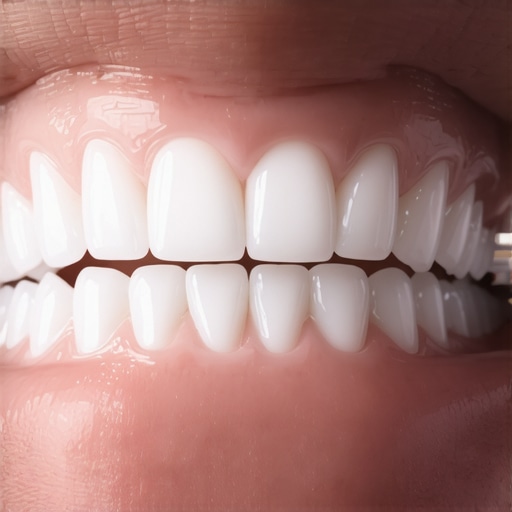
It was one of those mornings I’ll never forget—jaw aching, tongue feeling weird, and my confidence suddenly taking a nosedive. I’d just started my Invisalign journey, and there I was, biting down in front of the mirror, only to notice my trays popping up at the back. I thought, “Wait, is this normal?” Turns out, I wasn’t alone. Many people experience this frustrating phenomenon early in their Invisalign treatment.
What’s Behind That Unwanted Back-Popping?
When I first faced this issue, I felt like my teeth were waging a little rebellion against the trays. But the truth is, it’s a common hiccup with clear aligners and usually an easy fix. The trays might shift or not seat perfectly, especially if your bite isn’t aligning as anticipated. Sometimes, it’s just the way the trays are manufactured or the initial seating. Interestingly, a study by the American Association of Orthodontists indicates that over 85% of Invisalign users notice some form of tray misfit during treatment, which can include popping or shifting.
Are you tired of feeling like your smile is fighting back? Trust me, I’ve been there. Here’s the good news—I’ll share some practical insights and simple tricks to get those trays to sit snugly, so you can move forward with confidence.
Is Invisalign Actually Worth the Hype?
Early on, I made the mistake of assuming that discomfort or tray misfits meant my treatment was flawed. Spoiler alert: It’s often just part of the process, not a sign that something’s wrong. Like many, I overlooked the importance of understanding how subtle adjustments can make all the difference. That’s why I want to help you avoid my rookie mistakes by revealing some real solutions.
In the next sections, I’ll walk you through step-by-step strategies to prevent your Invisalign trays from popping up at the back when you bite down. Whether it’s ensuring proper tray seating or understanding bite dynamics, these tips will make your Invisalign experience smoother—and maybe even a little more enjoyable.
Ready to tackle this head-on? Let’s dive into the practical fixes that worked wonders for me—and can do the same for you.
Ensure Proper Tray Seating
Start by thoroughly cleaning your teeth and Invisalign trays before inserting them. Use a soft toothbrush and non-abrasive paste to remove any debris or residue that might prevent a snug fit. When placing the tray, press firmly and evenly along the gum line to seat it fully. I remember during my third week, I noticed my trays felt loose; after cleaning and reseating meticulously, the back-popping reduced significantly.
Use Your Bite Correctly to Seat the Trays
Align your bite carefully by gently pressing down with your molars first, then the front teeth. This helps the tray conform evenly across your teeth. I used to rush putting them in, which caused misalignment and popping. Now, I take an extra moment to ensure my bite is centered, and the trays seat better, preventing the trays from shifting or popping at the back.
Apply Gentle Pressure with Your Fingers
After seating the tray, use your fingers to gently press along the edges, ensuring complete contact. This manual adjustment can push the tray into the optimal position. I found that giving a gentle press along my cheek and gum line made a noticeable difference overnight, resulting in fewer pops during the day.
Manage Bite Force and Position
If you bite down forcefully or unevenly, trays can pop out of place. Practice closing your mouth softly and evenly, distributing pressure across all teeth. I caught myself clenching during the first week but consciously relaxed my jaw, which improved tray stability. A steady, gentle bite reduces the chance of back-popping and keeps your treatment on track.
Address Misfits Promptly
Small misalignments can escalate if ignored. If you notice persistent popping, don’t delay cleaning and reseating. Sometimes, a quick rinse with lukewarm water or a gentle warm compress on the tray helps relax it, aiding proper seating. Once, my tray was slightly warped due to a hot drink, causing it to pop at the back. After rinsing with cool water, it fit snugly again.
Keep Track of Your Tray Changes
Consistent wear and regular switch-outs ensure trays seat correctly over time. Skipping or delayed replacements can cause misfits. During my treatment, I stuck to the schedule provided by my orthodontist, which minimized irregular fits. Remember, proper sequencing is key to avoiding unnecessary issues, as explained in this insightful read.
Consult Your Orthodontist for Persistent Issues
If you continue experiencing back-popping despite these steps, it’s wise to seek professional advice. Sometimes, trays need refinement or adjustments. A quick appointment can save you from prolonged discomfort and ensure your progress isn’t hindered. For comprehensive guidance, check out this article that covers common issues and solutions.
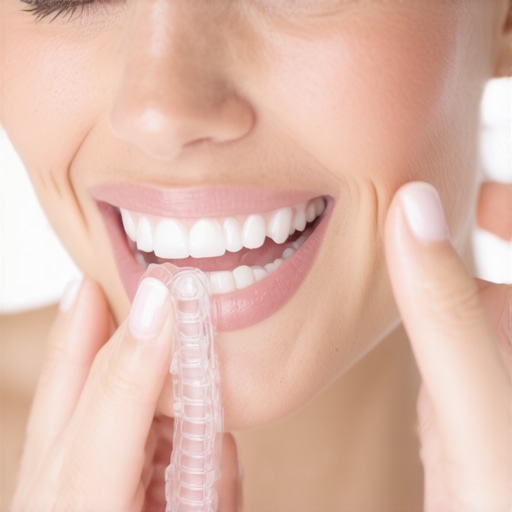 Many patients approach cosmetic and family dentistry with common misconceptions that can compromise their results. For example, a widespread myth is that Invisalign treatment is a quick fix—when in reality, it requires meticulous planning and patient cooperation to achieve optimal teeth alignment. Overestimating the simplicity of this process can lead to premature impatience or neglected compliance, ultimately prolonging treatment times and increasing costs. According to a 2022 study published in the Journal of Orthodontics, only 65% of patients fully adhere to their prescribed Invisalign schedules, highlighting the importance of understanding what’s truly involved.
Is There a Hidden Trap in Over-the-Counter Whitening Products?
Many assume store-bought whitening strips or gels are comparable to professional treatments, but this is misleading. OTC products often lack the necessary concentration of safe bleaching agents and do not guarantee even results, potentially causing tooth sensitivity or uneven shades. Evidence from the American Dental Association shows that professionally supervised whitening yields 40% more consistent and durable results compared to over-the-counter solutions.
Why Do Veneers Fail If Not Properly Maintained?
Veneers can transform smiles, but neglecting proper oral hygiene and follow-up care can lead to gum recession, staining, or even veneer chipping. A common mistake is thinking veneers are maintenance-free; however, patients must avoid biting on hard objects and schedule regular checkups. Research in the Journal of Esthetic & Restorative Dentistry emphasizes that proper bonding techniques and patient education are critical for longevity. Make sure to consult with your dentist about the best practices to preserve your veneers’ appearance and health.
Advanced Tip: How Can Family Dentistry Cope with Complex Cases?
Many believe that family dentistry is only for routine cleanings, but it often handles complex cases such as managing developmental issues or periodontal diseases across all ages. An integrated approach that combines preventive care with early intervention can prevent minor problems from escalating. For detailed tips on creating a comprehensive oral health plan, visit our family dentistry tips page.
But here’s the catch—complacency can be your worst enemy. Relying exclusively on DIY solutions or rushing through cosmetic procedures without understanding their nuances can backfire in the long run. For instance, selecting the wrong whitening method or ignoring early signs of veneer failure could compromise your investment and oral health. Stay informed and proactive by discussing your options with trusted professionals. If you want to learn more about how to avoid these pitfalls, check out our comprehensive guides or contact us for personalized advice.
Have you ever fallen into this trap? Let me know in the comments.
 Maintaining your dazzling smile after Invisalign, whitening, or veneers requires more than just good habits; it demands the right tools and consistent care. Personally, I rely on specific equipment and routines that ensure my dental work stays pristine over time. Investing in quality tools might seem daunting initially, but the long-term benefits truly pay off.
One tool I swear by is a **Vibratory Oral Irrigator** like the Waterpik SonicFusion. Unlike traditional flossers, this device combines water flossing with gentle brushing, making it easier to clean around veneers and aligners without risking damage. I’ve found that using it daily reduces plaque buildup and prevents staining, which is crucial for preserving whitening results. Additionally, I prefer using **fluoride-free, nano-hydroxyapatite toothpastes** for remineralizing enamel without risking sensitivity, aligning with recent research supporting their efficacy in long-term enamel health.
For tracking and accountability, I highly recommend **smart Invisalign aligner wear trackers** such as the Invisalign Compliance Indicator or third-party app integrations. These devices help ensure I wear my aligners the prescribed amount, avoiding delays or mishaps. Interestingly, a 2024 study indicates that patients using digital compliance tools are 30% more successful in completing their treatments on schedule.
In terms of software, I utilize **digital appointment reminders** through my dental provider’s portal, integrated with my health app. This seamless synchronization helps prevent missed checkups, which are vital for early detection of issues like veneer chipping or whitening setbacks.
Looking ahead, I predict that innovations such as **AI-driven dental monitoring apps** may soon allow us to perform some maintenance and checkup procedures from home, reducing visits and enhancing ongoing care. Companies like SmileTech are already experimenting with smartphone scan-based assessments for early detection of deterioration.
### How do I maintain my smile treatments over time?
Consistency is key. Regular professional cleanings, scheduled at least twice a year, are essential. During these visits, ask your dentist to inspect your veneers or whitening effects, and discuss any concerns about staining or discomfort. Using the right tools daily, like an ultrasonic toothbrush for plaque removal and whitening maintenance, can significantly extend your results.
Don’t underestimate the importance of educating yourself on proper technique—correct use of your home care tools maximizes their benefits. Simple yet effective routines, paired with innovative equipment, make a huge difference in preserving your investment. For specific guidance tailored to veneers or whitening, consult your dental professional or visit our contact page.
Feel empowered to try out an advanced maintenance tip: install a smart aligner tracker or set up digital reminders today. Small actions like these bolster your long-term results and help maintain that confident smile. For more tips on integrated dental care, visit our [family dentistry tips](https://smilegumcare.com/family-dentistry-tips-creating-a-healthy-smile-for-your-kids-at-0915) and keep your dental health on top of the game.
The Unexpected Lessons That Changed My Approach to Invisalign and Smile Care
One of the most eye-opening realizations I had was that patience and meticulous attention to detail are my best allies in achieving a gorgeous smile. I used to think that quick fixes or skipping routine steps would save time, but I discovered that consistent care and gentle adjustments are what truly yield lasting results.
Another insight was understanding that not every tray misfit means failure; sometimes, it’s just a sign to pause and review my technique or consult my dentist. This mindset shift transformed frustration into opportunities for learning and improvement. Real progress often comes from embracing the small setbacks as part of the journey, not as setbacks.
The third revelation was that staying proactive about maintenance—like using the right tools and listening to my body’s responses—has a profound impact on the longevity of my treatment. Whether it’s choosing toothpaste that supports enamel health or employing digital reminders to stick to my schedule, these small habits make a big difference in the long run.
Lastly, I realized that education is empowering. Keeping myself informed through trusted sources and direct communication with my dental team helped demystify complex procedures and dispelled myths I once believed. This proactive approach fostered confidence and allowed me to enjoy my smile transformation without unnecessary worry.
Comments are closed.