
The Real Reason Your Jaw Aches Every Time You Switch Aligners

It was a morning just like any other, but as I snapped in my new aligner, a sharp, unexpected pain shot through my jaw. I froze for a moment, rubbing my face, thinking, “Did I do something wrong?” That lightbulb moment hit me hard—many of us experience this discomfort, and for a reason that’s often overlooked.
The Hidden Cause Behind That Jaw Pain
If you’re wearing aligners like Invisalign or other clear braces, you know the drill. You switch from one set of trays to the next, expecting your teeth to continue their gentle journey. But instead, you end up with jaw aches, headaches, or even a certain tightness that lingers. I’ve been there, and I’ve learned that this pain isn’t just part of the process; it’s a sign that something is off—specifically, the way your aligners are interacting with your jaw structure.
Early in my experience, I made the mistake of ignoring this discomfort, assuming it was just part of the adjustment. Turns out, I was neglecting a crucial detail: the alignment of my bite. When your bite isn’t properly managed, the pressure can transfer unevenly, causing your jaw muscles to work overtime to compensate. This misstep can delay your progress and make the entire experience more painful than necessary.
Do You Relate to This Problem? Let’s Dig Deeper
Are you noticing that your jaw feels sore after switching trays? Or perhaps you’re dreading the next set because of that persistent discomfort? If so, you’re not alone. Many patients, and even some dentists, overlook the importance of monitoring bite changes during aligner therapy. Recognizing this early can save you from unnecessary pain and ensure your treatment stays on track.
In fact, studies show that improper bite adjustments during orthodontic treatment can lead to temporomandibular joint (TMJ) issues later on, which can be quite disruptive (source: SmileGumCare). That’s why understanding the underlying causes of jaw discomfort when switching aligners is critical—both for your comfort and your long-term oral health.
So, what’s the real fix? That’s exactly what I’ll be sharing in the next sections. We’ll explore practical steps to alleviate jaw pain, optimize your aligner usage, and ensure your smile transformation remains as smooth—and pain-free—as possible. Ready to find out how?
Assess Your Bite Alignment Precisely
Begin by examining whether your aligners fit snugly without uneven pressure. I recall a time I noticed my trays felt slightly off on one side—a quick check with a mirror revealed my bite was slightly misaligned, causing discomfort. Use a mirror and gentle biting pressure to spot uneven contact points. If you find discrepancies, consult your dentist promptly to adjust the treatment plan and avoid prolonged pain.
Implement Daily Bite Checks
Set a routine to check your bite each morning and evening. For example, I kept a checklist to monitor any new soreness or misalignment. Practice gently biting down and observe if your teeth come together evenly. Persistent misalignment indicates a need for professional intervention; ignoring this can exacerbate jaw issues and delay progress.
Use Orthodontic Wax to Protect Sensitive Areas
Applying orthodontic wax over problematic edges of your aligners can cushion pressure points. I used a small piece of wax on my upper tray where I felt the most pressure—initially it felt strange, but it significantly reduced discomfort. This simple step shields your gums and jaw muscles from excessive force, especially during tight-fitting tray phases.
Adjust Your Tray Wearing Routine Carefully
Gradually increase wear time rather than switching to a new set abruptly. I found that wearing trays for shorter periods, then slowly extending, decreased jaw pain. Remember, overexertion can strain your muscles. Follow your orthodontist’s instructions meticulously—pushing beyond recommended wear times can worsen discomfort and impair your treatment.
Incorporate Jaw Relaxation and Massage Techniques
Target tight jaw muscles with gentle massage and relaxation exercises. I gently massaged my jaw muscles in circular motions to loosen tension, which eased some of the pain. Applying warm compresses can also help relax muscles further, reducing soreness during the adjustment period.
Seek Professional Evaluation Promptly
If discomfort persists beyond a few days or worsens, consult your dentist. Do not ignore persistent pain—untreated bite misalignments can trigger TMJ issuesLater, getting professional diagnostics like a bite analysis or imaging might be necessary. Visiting your orthodontist ensures that necessary adjustments are made promptly, avoiding long-term damage and keeping your treatment on schedule.
Remember, proactive steps like regular bite assessments and gentle relief techniques are key to navigating jaw discomfort during aligner therapy. Early intervention can prevent minor issues from turning into significant problems, making your journey toward a perfect smile much smoother.

When it comes to cosmetic and restorative dental treatments like veneers, Invisalign, or teeth whitening, many assume they understand the basics. However, beneath the surface lies a layer of nuanced truths that often get dismissed or misunderstood. As an expert in advanced dental care, I want to shed light on these subtle yet critical aspects that can make or break your journey to a healthier, more attractive smile.
Common Myths That Can Lead You Astray
One prevalent misconception is that veneers are a quick fix for any aesthetic concern. In reality, many overlook the fact that not all veneers are created equal—some are porcelain, others are resin composites, each with distinct longevity and suitability. Choosing the wrong type without understanding your bite dynamics or gum health can lead to premature staining, chipping, or even gum recession. For instance, comprehensive veneer planning involves more than just cosmetic enhancement; it requires mastery in managing the underlying tissue and alignment.
Similarly, with Invisalign, the widespread belief is that it’s solely for straightening minor crowding. Yet, the real nuance involves understanding individual bone density, root angulation, and even occlusal dynamics—factors that influence how your teeth respond over time. Ignoring these can result in non-compliance, extended treatment, or even root resorption. A study by the American Journal of Orthodontics highlights that personalized planning and regular monitoring are essential for safe and effective Invisalign outcomes.
Watch Out for the Hidden Traps in Teeth Whitening
Many rush into over-the-counter whitening kits without realizing that they could exacerbate existing sensitivities or cause uneven results. Factors like translucency variations, enamel thickness, or existing restorations influence how teeth respond to whitening agents. Over-application or improper use can lead to adverse effects, including chemical burns or permanent enamel damage. For a safer and more predictable result, professional whitening procedures, tailored to your specific needs, are advisable. Certifications of efficacy, such as lab-proven formulations, add an extra layer of reliability—something often overlooked by casual consumers.
Venturing deeper, advanced whitening techniques, like laser or cold-light whitening, can fix yellowish tooth roots faster and with less sensitivity, provided they are administered correctly. An article by SmileGumCare discusses that understanding these nuances can help you avoid the common pitfall of excessive sensitivity after whitening treatments.
What Do You Need to Know About Family Dentistry Beyond Routine Checkups?
Many parents assume that family dentistry simply involves annual cleanings and checkups. However, the real benefit comes from preventive strategies tailored to every age group—like sealants for children or fluoride alternatives such as nano-hydroxyapatite for adults—aimed at minimizing decay and recession. Early intervention and personalized care plans can prevent complex issues later on. For instance, family-focused tips emphasize proactive habits and modern techniques for fostering lifelong oral health.
In closing, understanding these nuanced aspects equips you to make informed decisions, avoid costly mistakes, and achieve your desired results faster and safer. It’s not just about the surface appearance but also about long-term health and sustainability—areas where expertise truly counts.
Are you guilty of overlooking any of these hidden dental truths? Share your experiences or questions in the comments below, and let’s build a smarter approach to your dental care journey!
Investing in the Right Equipment Ensures Lasting Results
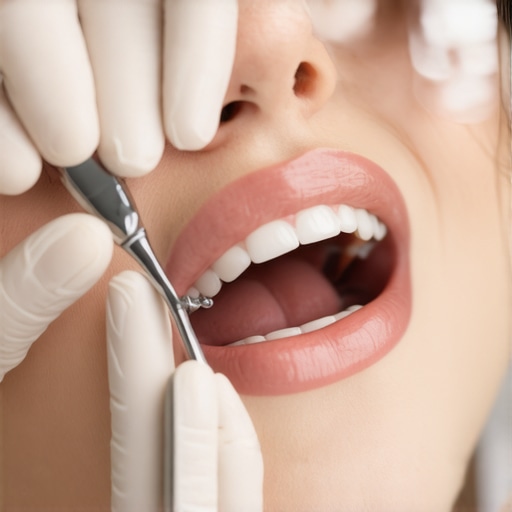
Achieving and maintaining your ideal smile isn’t a one-time effort; it requires the right tools coupled with disciplined maintenance. I personally rely on a high-quality ultrasonic scaler for regular professional cleanings, as it effectively removes plaque and tartar buildup without damaging your enamel. Incorporating a cordless water flosser, such as the Waterpik Water Flosser, enables me to maintain interdental cleanliness easily at home, especially around veneers and braces, reducing the risk of decay or gum issues. Using professional-grade whitening pens, like the Opalescence Go, allows me to touch up whitening results safely and conveniently between dental visits.
Why Customized Guides Matter for Longevity
For anyone undergoing Invisalign treatment, I highly recommend investing in personalized digital treatment tracking apps. These tools help monitor tray wear time, track progress, and alert you to any deviations that could compromise the outcome. I use the Invisalign Progress Tracker app, which syncs seamlessly with my schedule, ensuring I wear trays as prescribed. This level of precision helps prevent common issues like tray misfit or uneven teeth movement, extending the overall lifespan of the treatment results.
Routine Maintenance Will Save You Future Hassles
Long-term success hinges on consistent routine care. I advise scheduling semi-annual checkups where your dentist can assess your bite, veneers, or whitening status, and perform a professional cleaning. Regular x-rays, like panoramic imaging, can identify issues early—such as developing decay or early gum recession—before they require invasive procedures. Maintaining good oral hygiene at home using electric toothbrushes, such as the Sonicare DiamondClean, significantly reduces plaque buildup and keeps restorations like veneers and crowns in excellent condition. Don’t underestimate the power of diligent daily flossing and using interdental brushes in hard-to-reach areas to extend your treatment’s durability.
Scaling Up: Preparing for Future Enhancements
Looking ahead, technological advances promise to make maintenance easier and more effective. With innovations such as AI-powered dental diagnostics, early detection of problems becomes more accessible, enabling personalized treatment adjustments. I predict that remote monitoring systems, which sync your home dental devices with your dental provider, will become standard, providing continuous oversight without frequent office visits. Embracing these tools now can maximize your investment and keep your smile looking impeccable for years to come.
How do I maintain my dental treatments over time?
Consistent, personalized routines combined with the latest technology are your best defense against long-term wear and tear. For example, regularly updating your whitening gel or trays based on professional advice prevents degradation of results. Integrating smartphone apps that remind you to perform daily hygiene tasks or track your progress ensures adherence. Remember, proactive maintenance doesn’t just preserve your investment—it enhances your overall oral health, reducing the risk of costly future repairs.
To get started, try incorporating a high-end electric toothbrush and a water flosser into your daily routine. These tools, paired with professional checkups, will keep your restorations, Invisalign results, or veneers in prime condition. Explore advanced maintenance tips specific to your treatments on our contact page for personalized support.
By staying vigilant and leveraging cutting-edge tools, you ensure your investment in dental aesthetics continues to pay off. Remember, a healthy, radiant smile is a lifelong journey—make it manageable with the right equipment and routines.
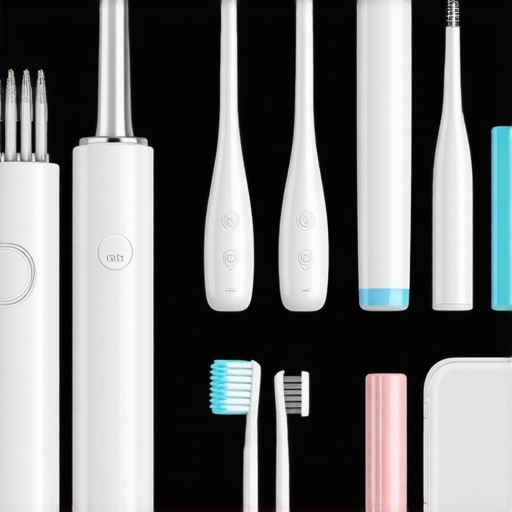
Illustrative image of modern dental tools for at-home maintenance, including electric toothbrushes, water flossers, and whitening pens, demonstrating their role in long-term oral health. Prompt: Modern dental maintenance tools in use at home, emphasizing routine care. Alt text: Advanced dental tools for lasting smile health. Title: Essential Tools for Long-Term Dental Success.
,
Through my years in advanced dental care, I’ve discovered that the most profound lessons often come from unexpected surprises. Knowing what’s beneath the surface of veneers, Invisalign, family dentistry, and teeth whitening can be a game-changer—saving you time, money, and frustration. Let me share some insights that transformed my approach and, hopefully, yours too.
The Unexpected Wisdom I Gained About Smile Transformations
- Not all smile fixes are created equal: I once assumed that a certain veneer type would serve everyone equally well. But I learned that understanding your bite and tissue health is crucial. Tailoring treatments ensures longevity and natural aesthetics—something I wish more patients knew from the start.
- Beware of one-size-fits-all approaches: With Invisalign, I saw many cases where ignoring individual oral dynamics led to extended treatments or discomfort. Personalization through detailed planning and monitoring can accelerate results and reduce the risk of relapse.
- Teeth whitening demands respect: Over-the-counter kits often promise quick results but can cause irreversible sensitivity or uneven shades. Professional, customized whitening is worth the investment for safe, consistent, and stunning results.
- Family dentistry isn’t just checkups: I realized proactive strategies, like Sealants or fluoride protections tailored to age, are vital for lifelong health, not just temporary fixes—early prevention beats costly repairs later.
- Embrace ongoing education: The dental field evolves rapidly; staying informed through trusted sources like in-depth articles or consultations ensures you make confident, informed decisions about your smile care.
The Tools That Elevated My Practice
- Comprehensive veneer planning guides: These deepen understanding of material choices and tissue management.
- Personalized Invisalign trackers: Tech tools that help monitor compliance and ensure efficient movement.
- Custom whitening protocols: Tailored treatments that prevent sensitivity and yield consistent brightness.
- Preventive care strategies: Age-specific plans that form the foundation of lifelong oral health.
Let’s Make Your Dental Journey Exciting
Embarking on a smile transformation is not just about aesthetics; it’s about confidence, health, and embracing a better version of yourself. The knowledge and tools you choose today set the stage for a future free of regrets and dental woes. So, why wait? Dive deeper, ask questions, and take proactive steps toward the smile you deserve.
What’s the most surprising lesson you’ve learned from your dental experiences? Share below—I’d love to hear your story!