
3 Simple Fixes for a Chipped Front Tooth You Can Do at Home
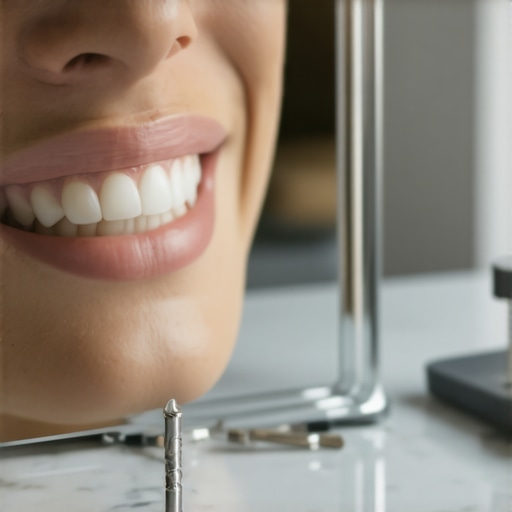
I still remember the jolt of panic I felt when I chipped my front tooth during dinner last month. One moment, I was savoring my favorite pasta; the next, I was staring at a tiny, jagged edge glaring back at me in the mirror. That unexpected crack triggered a wave of self-consciousness. Would I have to hide my smile forever? Would repairing it require expensive trips to the dentist? It was a frustrating, isolating experience—nothing quite ruins your confidence like a visible chip on your most noticeable tooth.
Why Your Front Tooth Chips and When to Worry
Before we dive into solutions, let me share what I learned through my own mishap. Front teeth are subjected to constant stress—from biting into hard foods to accidental impacts. Sometimes, a small crack or chip results from biting down on something unexpectedly hard, like ice or that stubborn popcorn kernel. Other times, it’s due to wear and tear over years or even dental issues like weakened enamel.
What caught me off guard is that not every chip needs an immediate dental visit. Some minor chips can be temporarily fixed at home, saving you time, money, and the stress of scheduling emergency appointments. Of course, larger or more complex damage should always be evaluated by a professional. But knowing which minor fixes are safe and effective can buy you some comfort and, frankly, a little peace of mind.
Is DIY Fixing Your Chipped Tooth Actually Worth the Hype?
I’ll admit, I was skeptical at first. Hoping to patch things up myself sounded risky—like trying to repair a leaking pipe with duct tape. Early on, I made the mistake of using the wrong materials and trying untested methods, which only made things worse. That’s why I want to share what truly works, based on real experience and expert advice. You won’t need fancy equipment or trips to the dentist for tiny chips—just a few household items and some know-how. If you’re like me, needing a quick fix until a professional appointment, these simple methods could be your real lifesaver.
If you’ve faced a similar situation—feeling helpless, unsure, or frustrated—know that you’re not alone. And the good news? There are safe, effective ways to address minor chips right at home. But first, let’s clear up some common doubts so you can approach this with confidence.
Assess the Damage Quickly
First, examine the chipped area carefully in the mirror, feeling if the edge is sharp or jagged. If the chip is minor and the sharp edges irritate your tongue or lips, proceed with a gentle fix. Remember, if the chip is large or causes pain, consult a dentist immediately—don’t rely solely on DIY methods.
Gather Your Supplies and Prepare
Collect household items like dental wax, over-the-counter orthodontic wax, or even a clean, non-flavored chewing gum. These serve as temporary protective barriers. Also, have a small mirror, clean gauze, and mild toothbrush ready. Carefully rinse your mouth to remove debris, ensuring a clean surface for the fix.
Seal the Sharp Edges
Take a tiny piece of chewing gum or orthodontic wax, knead it slightly, and flatten it into a small patch. Carefully place this over the chip to cover any sharp protrusions that might cause injury or discomfort. This acts as an instant barrier, much like patching a leak in a tire with a plug. I tried this after a minor chip occurred during dinner, and it surprisingly reduced the irritation, giving me time to book a dental appointment.
Use Temporary Tooth Repair Kits (Optional)
If you have a dental repair kit from the pharmacy, follow the instructions carefully—these are designed for minor repairs. Mix the formula, apply it to the chipped area, and shape it as smoothly as possible. Though not a permanent solution, it holds the tooth together temporarily. I used a basic repair kit once when traveling and found it effective until I could see my dentist.
Maintain Good Oral Hygiene and Monitor
Brush gently around the repaired area to prevent plaque buildup. Avoid hard foods, sticky candies, or biting into ice that could worsen the damage. If you notice increased sensitivity, pain, or if the chip feels loose, contact your dentist immediately via this link. Keep tracking any changes and prepare for a professional evaluation to ensure no further issues develop.
Plan for Professional Restoration
Remember, DIY fixes are only short-term solutions. For a durable repair, procedures like dental veneers, bonding, or crowns might be necessary. Visiting a family dentist can help you choose options suitable for your needs and budget—learn more about veneers and their benefits here. While temporary patches can buy you time, professional assessment ensures your smile remains healthy and beautiful in the long run.
While many patients assume that veneers, teeth whitening, family dentistry, and Invisalign are straightforward solutions for cosmetic and health issues, the reality is often more nuanced. A common misconception is that veneers are purely cosmetic miracles that require little maintenance. In truth, they can cause unforeseen issues like gum recession or discoloration around the margins if not properly planned, as discussed in a detailed analysis by dental experts.
Are Veneers a One-Size-Fits-All Solution for Every Smile?
Many overlook the fact that veneers are not suitable for everyone; those with weakened enamel or gum disease should consider alternative options. Rushing into veneer placement without thorough evaluation can lead to complications such as increased sensitivity or veneer failure. Keep in mind, professional guidance is critical—learn more about the limitations and benefits here.
Invest in Quality Dental Tools for Long-Term Success
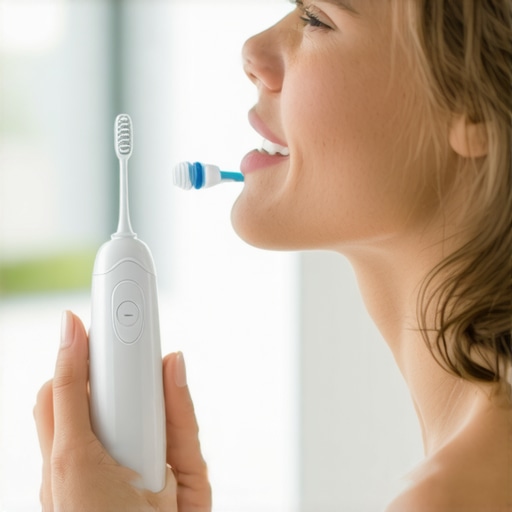
To keep your dental restorations and whitening results looking their best, it’s crucial to use the right tools. I personally rely on a cordless, water-powered flosser, like the Waterpik Ultra, which offers superior plaque removal around veneers and braces, especially in hard-to-reach areas. Its adjustable pressure settings help prevent gum irritation while effectively cleaning. Additionally, I use a sonic toothbrush, such as the Philips Sonicare DiamondClean, which delivers gentle yet thorough cleaning, helping maintain enamel integrity after whitening treatments.
Software and Apps That Keep Your Oral Routine on Track
Modern technology can significantly enhance your dental maintenance regimen. Apps like Brush DJ remind you to brush twice daily and can track your flossing habits, ensuring consistency. Integrating these tools into your daily routine builds a mental checklist that prevents neglect. Personally, I set weekly reminders on my phone to schedule professional check-ups, which ties into my long-term dental health plan and avoids surprises like veneer discoloration or gum recession.
Regular Professional Check-Ups and Cleanings
While at-home tools are vital, periodic visits to your dental professional are irreplaceable. I recommend scheduling cleanings every six months, or more frequently if you have special restorations. During these appointments, your dentist can spot early signs of issues, such as leakages around veneers or plaque buildup that could compromise whitening results. They might also suggest reapplying sealants or detailing your aligners, like Invisalign, to maintain optimal alignment and hygiene.
Embrace Preventive Care to Extend Results
Preventive care strategies like avoiding stain-causing foods and using desensitizing toothpaste post-whitening can prolong your smile’s brightness. I always recommend using toothpaste with nano-hydroxyapatite, which reinforces enamel and reduces sensitivity, especially after bleaching sessions. Combining these with tools like UV sterilizers for your toothbrush handles ensures a hygienic environment, reducing microbial buildup around dental devices.
Predicting Future Trends in Dental Maintenance
Looking ahead, innovations such as AI-powered dental monitoring apps, which analyze video images of your teeth and flag potential issues, are gaining popularity. These tools could become standard, allowing for real-time feedback and personalized maintenance plans. As these technologies evolve, staying ahead of potential problems will become easier, making regular professional guidance even more indispensable.
How do I maintain my veneers and whitening treatments over time?
Maintaining your dental investments involves consistent cleaning with professional-grade tools and regular checkups. Incorporating high-quality sonic toothbrushes and water flossers into your routine makes a noticeable difference. For instance, I suggest trying the latest cordless sonic brushes that sync with your smartphone to monitor your brushing habits. This kind of tech has revolutionized my dental routine, ensuring I uphold my restorations’ longevity and brightness. For personalized advice, don’t hesitate to reach out via this contact page. Remember, preventive care today means fewer repairs tomorrow!
The Hardest Lesson I Learned About Veneers and Whitening
Waiting too long to address minor issues can lead to more complicated and costly repairs down the line. I once ignored slight sensitivity after whitening, only to find that my veneers started to discolor around the edges—a costly mistake I wish someone warned me about.
3 Myths About Veneers and Invisalign That Held Me Back
Believing that veneers are completely maintenance-free or that Invisalign results are instant can set unrealistic expectations. Real improvements come from understanding the limitations and proper care, which is why professional guidance is invaluable.
What Experts Won’t Tell You About Dental Care and Smile Maintenance
While at-home tricks are helpful, they can never replace regular professional check-ups. Dentists have the tools and expertise to spot early signs of problems—helping you avoid surprises and save money in the long run.
Curated Gems for Your Dental Journey
My Essential Toolkit for Veneers and Whitening includes a high-quality sonic toothbrush, such as the Philips Sonicare DiamondClean, which I trust for its gentle yet thorough cleaning—crucial for maintaining restorations. A cordless water flosser like the Waterpik Ultra helps me reach tricky areas around veneers and braces, ensuring a clean, healthy smile. For further reading, I recommend [learning about veneers](https://smilegumcare.com/veneers-made-simple-transform-your-tooth-aesthetics-in-2025-at-1822) and [teeth whitening secrets](https://smilegumcare.com/teeth-whitening-secrets-for-a-sparkling-smile-in-2025-at-1248) that have truly transformed my perspective and results.
Embrace Your Smile: The Power of Action
Taking proactive steps today can secure your dental health for years to come. Whether it’s scheduling a routine check-up or investing in the right tools, your efforts now will pay off in confidence and comfort. Remember, your smile is your signature—make sure it’s always at its best.
Would you like to share your own experience with veneers or whitening? Drop your story below—I’d love to hear it!