Why Your Gums Ache Only When You Switch to a New Aligner
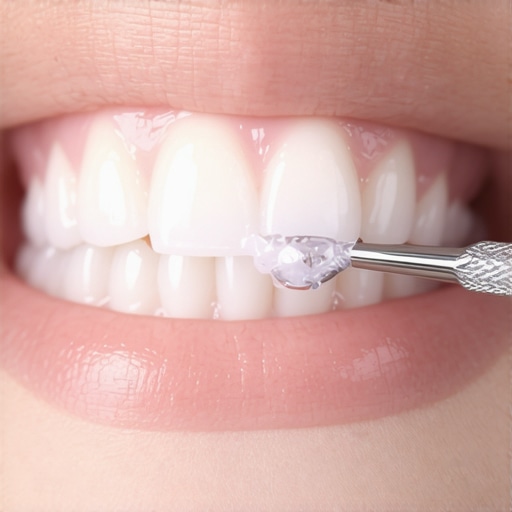
I remember the first time I felt that sharp, unexpected pain in my gums right after switching to a new Invisalign tray. It was like a sudden jolt that made me pause mid-sentence, wondering if I had done something wrong. That moment was a lightbulb for me—discovering that gum soreness isn’t necessarily a sign of something bad but part of the adjustment process. If you’ve experienced this too, you’re not alone, and there’s good news ahead.
Why Does Gum Pain Pop Up Only When You Change Aligners?
Many folks underestimate how much their gums can react to the new pressures from aligners. When you switch to a fresh set, your teeth and gums are suddenly adjusting to a different fit, which can lead to irritation or minor inflammation. This sensation usually peaks within the first few days of wearing a new tray and then subsides as your tissues adapt.
Interestingly, some sources suggest that this discomfort might be linked to the way aligners influence blood flow and the natural healing process in your gums. According to a study published in the Journal of Clinical Periodontology, changes in pressure on the gums can trigger inflammatory responses, which manifest as soreness or pain—a perfectly normal part of orthodontic progress. [Learn more about common Invisalign sensations and what they mean here.](https://smilegumcare.com/invisalign-innovation-invisible-braces-changing-smiles-in-2025-at-1537)
While this discomfort is typically temporary, it can be unsettling if you’re unsure whether it’s a sign of an underlying problem. That’s where understanding the typical reactions and how to ease them becomes crucial. Are you tired of feeling that sudden ache right after switching trays? Well, stay tuned, because I’ll walk you through practical steps to minimize this discomfort and make your aligner journey smoother.
Before diving into solutions, I want to share one mistake I made early on—ignoring minor pains because I thought they were just part of the process. Trust me, overlooking persistent or severe pain can lead to bigger issues down the line. Being aware and proactive makes all the difference in maintaining your oral health during aligner therapy.
Ready to discover how to keep your gums comfortable and your smile on track? Let’s explore some effective strategies that will help you navigate this common challenge with confidence.
Before you swap to a new aligner, rinse your mouth with warm saltwater for a minute to reduce inflammation, much like soothing a sprained ankle. It softens the gums and prepares them for the pressure. I once forgot this step and ended up with more soreness than usual, but after implementing this simple routine, my discomfort decreased noticeably within a day.
Switch trays at the same time each day. This regularity helps your gums adapt gradually, similar to how training muscles through repeated exercise prevents injury. I recommend setting a timer or alarm to keep this consistent, especially during the first few weeks. This routine minimizes surprises and shock to your gums.
If soreness kicks in, take ibuprofen 30 minutes before the switch. It acts like a buffer, reducing inflammatory chemicals in your gums. I personally tried this during my first tray change, and it kept me comfortable enough to keep my routine ontrack without unnecessary pain. Remember, always follow dosage instructions and consult your dentist if pain persists.
Switch to a soft-bristled brush and brush gently, almost like petting a cat. Aggressive brushing irritates already sensitive gums, prolonging soreness. I learned this the hard way after scrubbing too hard and inflaming my gums further. Gentle strokes clean effectively and promote healing.
Steer clear of crunchy, spicy, or acidic foods for a few days after switching trays. Think of your gums as a healing wound that needs tender loving care. I avoided chips and citrus, which instantly worsened my discomfort, and felt relief after a day or two.
Maintain a soreness diary noting the intensity and duration of any discomfort. If pain persists beyond a few days or worsens, consult your dentist immediately. I kept a simple note on my phone; this helped me identify patterns—like increased soreness after certain foods—and adjust accordingly, preventing unnecessary trips to the dentist.
Use a cold compress or ice pack on the outside of your cheeks for 10–15 minutes to reduce swelling. Apply wrap gently to avoid skin irritation. I did this during nights when soreness was at its peak, and it significantly eased the discomfort, allowing me to sleep better and stick with my treatment plan.
Integrating these steps seamlessly into your routine can make wearing new Invisalign trays less intimidating. Remember, consistent gentle care and awareness of your body’s signals will help your gums adapt faster, turning what’s initially uncomfortable into a smooth part of your smile transformation journey.
Many individuals assume they fully understand cosmetic and family dental procedures, but in reality, there’s a wealth of nuanced knowledge that often goes unnoticed. For instance, a common misconception is that Invisalign is purely about straightening teeth without considering its impact on periodontal health. While most know Invisalign’s mechanics involve gentle pressure, fewer realize that improper tray wear or neglecting gum health can jeopardize results. Studies, like those published in the Journal of Clinical Periodontology, highlight how mismanaging aligner hygiene can lead to gum inflammation, counteracting treatment goals.
Why Do Some People Fail to Achieve Bright, Long-Lasting Whites?
The idea that over-the-counter whitening kits fully mimic professional results is misleading. Many users overlook the importance of pre-treatment assessments, such as identifying underlying enamel issues or stains caused by medication, which can affect outcome. For example, relying solely on whitening strips without consulting a dentist might cause sensitivity or uneven coloration, especially if your teeth have intrinsic stains or restorations. According to research by the American Academy of Cosmetic Dentistry, personalized whitening plans produce not only brighter but also longer-lasting results. To truly optimize your smile, considering options like custom trays or in-office whitening alternatives, as discussed in my detailed guide, can make a significant difference.
What Are the Sometimes Overlooked Risks in Veneer Placement?
Many believe veneers are a risk-free way to perfect their smile. However, without careful planning, they can lead to issues like gum recession or enamel damage. One often underestimated factor is the importance of assessing your gum tissue’s health before veneer placement. If gum health isn’t optimal, veneers may cause or accelerate recession, exposing tooth roots. I recommend exploring comprehensive evaluations and minimally invasive procedures that protect your natural tissue. For a deeper dive into this topic, this article offers valuable insights into achieving natural-looking veneers without compromising gum integrity.
How Family Dentistry Supports Lifelong Oral Wellness
A prevalent myth is that family dentistry focuses solely on dental cleanings and basic exams. But the reality is that it encompasses a holistic approach to all ages, emphasizing preventive care and early intervention. Regular visits can prevent complex issues, such as early cavities or gum disease, which may otherwise necessitate extensive treatments like root canals or implants later on. Building a relationship with a family dentist ensures tailored advice that considers developmental changes in children and age-related concerns in adults. For actionable tips on creating a supportive oral health routine for your loved ones, my recent post offers practical strategies.
Understanding these hidden nuances in dental procedures allows you to make informed decisions and avoid common pitfalls. Whether you’re considering Invisalign, veneers, whitening, or family dentistry, prioritizing comprehensive assessments and personalized plans can elevate your smile journey. Have you ever fallen into this trap? Let me know in the comments or contact us for expert guidance on your oral health path.Maintaining your dental treatment’s success isn’t just about following your dentist’s advice; it also involves using the right tools and strategies to ensure long-term results. Personally, I’ve found that investing in quality equipment and adopting precise methods makes all the difference in keeping your teeth healthy, bright, and well-aligned. A top recommendation I always advocate is using a **smart electric toothbrush** like the Philips Sonicare DiamondClean. Its sonic vibrations provide superior plaque removal, especially in hard-to-reach areas around veneers or Invisalign attachments, ensuring ongoing cleanliness without damaging delicate restorations. Even better, many models track your brushing patterns via apps, offering valuable insights and accountability.
Another invaluable tool is a **water flosser**, such as the Waterpik Aquarius. Unlike traditional floss, this device’s pressurized water effectively cleans around braces, veneers, and whitening trays, flushing away debris that could harbor bacteria or stain your smile over time. I personally prefer the Waterpik because it minimizes gum irritation while being gentle enough for daily use, making it a staple in my oral care routine.
Regarding whitening maintenance, I recommend a **custom whitening tray system** paired with a professional-grade gel. Unlike over-the-counter options, these provide a controlled dose of hydrogen peroxide, reducing sensitivity while maintaining brightness. Regular touch-ups with this approach help prolong the results of your initial whitening, especially if you enjoy coffee or red wine.
Aside from tools, emphasizing **consistent routine and professional oversight** is crucial. Regular dental checkups, at least twice a year, allow your dentist to catch early signs of gum recession, staining, or appliance wear—preventing minor issues from escalating. For comprehensive guidance on ongoing dental care, my article on [family dentistry tips](https://smilegumcare.com/family-dentistry-tips-creating-a-healthy-smile-for-your-kids-at-0915) offers practical advice.
Looking towards the future, innovations like **AI-powered brushing systems** and **smart oral health monitors** are becoming increasingly accessible. These devices analyze your brushing habits and provide personalized feedback, helping you maintain optimal dental hygiene. As research by the American Dental Association suggests, integrating technology into your daily routine can significantly improve long-term oral health outcomes.
How do I maintain Invisalign, veneers, or whitening results over time?
The key is consistency, combined with utilizing the right tools. For example, if you want to prevent veneers from staining, use gentle, non-abrasive toothpaste with built-in whitening agents, and avoid excessive acidic foods. For Invisalign patients, wearing your aligners 20-22 hours per day and cleaning them properly with a soft toothbrush minimizes bacteria and discoloration. It’s also wise to incorporate a **mouth rinse** like chlorhexidine periodically to reduce oral bacteria, especially when wearing appliances. Regular check-ins with your dentist can help fine-tune your routine and address emerging issues early.
A practical tip I suggest trying is employing an **ultrasonic cleaner oven** for your retainers and whitening trays. This device uses ultrasonic waves to remove debris and buildup without chemical cleaners, preserving their integrity. According to a study published in the Journal of Dental Research, ultrasonic cleaning can extend the lifespan and effectiveness of dental appliances.
Ultimately, the secret to long-lasting results is a combination of high-quality tools, disciplined routines, and professional support. If you haven’t already, consider upgrading your daily dental arsenal with a **sonic toothbrush and water flosser**—it’s an investment that pays dividends in confidence and health. Want to take it a step further? Try integrating an ultrasonic cleaner into your routine for pristine trays and retainers, ensuring that your smile stays radiant for years to come.
The Hardest Lesson I Learned About invisalign,veneers,teeth whitening,family dentistry
Patience is truly a virtue much like tending a garden—every step, from gentle watering to proper pruning, influences the bloom. I once rushed a tray change, ignoring the subtle signs my gums gave me, leading to more discomfort and setbacks. The breakthrough came when I realized that listening to my body’s cues was essential—adjusting my routine based on real experience trumped rigid timelines. This taught me that embracing a personalized approach, with patience and attentive care, is the secret sauce in achieving that radiant smile.
3 Myths About invisalign,veneers,teeth whitening,family dentistry That Held Me Back
Believing that Invisalign’s gentle pressure guarantees instant perfect results was my first misconception. The truth is, consistent wear and proper oral hygiene are what truly matter. Similarly, I thought veneers were a one-and-done solution, neglecting the importance of healthy gums and natural tooth structure. Dispelling these myths opened my eyes to the fact that effective dental transformations require ongoing commitment, awareness, and professional guidance, not shortcuts or assumptions.
What Experts Won’t Tell You About invisalign,veneers,teeth whitening,family dentistry
Behind the glossy veneers and bright smiles, there’s a nuanced layer of care many overlook. For instance, choosing the right whitening method involves understanding your enamel’s unique reactions—a professional assessment can prevent sensitivity or uneven results. Also, family dentistry isn’t just about checkups; it’s about building a foundation for lifelong health. Learning these insights from seasoned professionals enlightened me on how personalized, informed decisions make all the difference in long-term success.
My Essential Toolkit for Smile Maintenance
To support my Invisalign and veneer results, I rely on a few trusted tools. A **Sonicare** electric toothbrush ensures thorough cleaning without damaging delicate restorations, while a **Waterpik** water flosser reaches areas traditional floss can miss. For touch-ups, I use custom whitening trays paired with gentle gels—more effective and safer. Additionally, a good quality mouth rinse keeps bacteria at bay, safeguarding my investment in a dazzling smile. These tools, backed by professional advice, help me maintain my results effortlessly and confidently.
Your Turn to Embrace a Brighter Tomorrow
Remember, your journey with Invisalign, veneers, or teeth whitening isn’t just about the immediate results—it’s about adopting habits and insights that support lasting beauty and health. Every smile is unique, and treatment success hinges on informed choices, consistent care, and a little patience. Start today by prioritizing routine, seeking expert guidance, and embracing the small steps that lead to big transformations. Your future, radiant smile awaits—take action now.
Comments are closed.