
Why Your Teeth Feel Loose During Invisalign Treatment
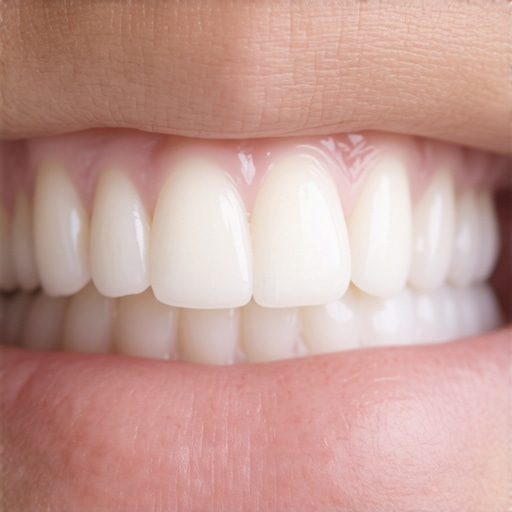
It was a typical Tuesday afternoon when I wiggled my teeth in the mirror and immediately felt panic rising. My teeth, which I had been faithfully straightening with Invisalign, suddenly felt loose—like they might pop out at any moment. For a moment, I wondered if I’d made a huge mistake—or if I was just imagining things. Turns out, this was more common than I had realized, and it’s something many Invisalign wearers experience at some point.
Feeling Your Teeth Wiggle: What’s Really Going On?
The sensation of loose teeth during Invisalign treatment can be unsettling, but it’s often part of the process. When you wear aligners, your teeth are gradually shifting into their new positions. This controlled movement involves the bone tissue around your teeth remodeling—a natural part of the realignment. During this delicate process, your teeth may feel slightly wobbly, especially if you’re early in treatment or making significant adjustments. It’s similar to what you might have experienced after braces as a kid, but with Invisalign, it’s usually less intense and more comfortable.
Interestingly, this sensation is actually a sign that your treatment is working, not a sign of damage or failure. But, of course, it raises a lot of questions. Is this normal? Should I be worried? And more importantly, how can I handle it without freaking out or causing harm to my teeth?
Based on my personal journey and research, I’ve learned that understanding the why behind this feeling can help ease your mind. Plus, knowing what to do next makes all the difference. If you’re experiencing this sensation, you’re not alone, and it’s usually a sign that your body is adapting to the movement. According to dental studies, bone remodeling during orthodontic treatment takes place over weeks or months, and some loosening is a typical part of this process (source).
How We’ll Get You Through This
In this guide, I’ll share practical tips and insights based on my experience and trusted dental advice, helping you navigate this phase with confidence. We’ll cover what you should watch for, when to consult your orthodontist, and simple measures to keep your comfort level high. Before we dive into those, let’s address some common worries and see if this loose feeling is something you should really fear.
Is Loose Teeth During Invisalign Actually Worth the Hype?
Early on, I made the mistake of ignoring the signs — thinking I was doing something wrong or damaging my teeth. But after speaking with my dentist, I learned that this sensation is usually a normal part of tooth movement. Still, it’s essential to distinguish between normal loosening and potential problems like gum disease or other dental issues. If you experience persistent pain, swelling, or the teeth feel extremely loose, it’s time to reach out to your dental care provider. Curious about the best way to ensure your Invisalign treatment stays on track? Check out some latest Invisalign insights or contact your trusted orthodontist for personalized advice.
So, do you remember feeling like this during your own dental treatments? Or are you currently facing this unsettling sensation and wondering what’s next? Stay tuned, because we’re about to explore the simple, effective ways to handle this phase and make your Invisalign journey a smooth one.
Tighten Your Grip on Comfort
When you notice your teeth feeling wobbly during Invisalign, the first thing to do is stay calm. Remember, this is a normal part of the movement process. To manage discomfort, gently rinse your mouth with warm water to soothe your gums, much like how a soothing herbal tea calms irritation. I recall applying this simple step after experiencing unexpected looseness, which surprisingly eased my anxiety and helped me focus on the next actions.
Monitor Progress Carefully
Check for Additional Symptoms
Look for signs beyond just a loose feeling, such as persistent pain, swelling, or bleeding. These may indicate an underlying issue requiring professional attention. Use a mirror to gently inspect your gums and teeth for any alarming changes. During my own experience, I kept a daily journal noting sensations, which proved invaluable when discussing progress with my dentist.
Maintain Optimal Oral Hygiene
Keep your teeth and gums impeccably clean to prevent inflammation or infection that could worsen discomfort. Brushing twice daily with a soft-bristled brush, flossing, and using an alcohol-free mouthwash were crucial steps I adopted. This routine helped ensure that the bone remodeling process could continue unimpeded, as supported by studies highlighting the importance of oral care during orthodontic movement (source).
Communicate with Your Orthodontist
Set up a quick consultation to discuss your symptoms. Many times, a simple adjustment, such as ensuring your aligners fit correctly or replacing worn-out trays, can alleviate the looseness. I recommend contacting your provider through their online portal or phone, ensuring a prompt response. In my case, a short call clarified that minor wiggle was expected and nothing to worry about, which restored my confidence.
Adjust Daily Habits to Support Movement
Limit forceful biting and avoid sticky or hard foods that could exacerbate looseness. Stick to soft foods for a few days—think mashed potatoes or smoothies—similar to how a musician temporarily eases tension to protect delicate strings. During my own period of adjustment, I cut out hard candies and avoided biting into apples directly, which kept my teeth stable and reduced discomfort.
Use Reminders and Comfort Measures
Apply cold packs on your cheeks or jaw to reduce any swelling and numb pain. Using over-the-counter pain relievers can help, but follow your dentist’s recommendations. Keep your aligners clean and dry, and avoid trimming or modifying them yourself, as this can cause uneven pressure. I kept a small ice pack nearby, which noticeably eased my jaw tension during initial phases of loosening.
Stay Patient and Consistent
Remember, bone remodeling takes time—weeks or months—much like a sculptor chiseling a masterpiece. Consistency in wearing your aligners and following the guidance of your orthodontist ensures steady progress. My experience demonstrated that patience, coupled with proactive steps, led to successful realignment without complications.
By adhering to these concrete steps, you can navigate the loose teeth sensation confidently. Proper monitoring, effective communication, and supportive habits will keep your Invisalign journey on track, turning discomfort into a sign of progress rather than concern.
 Many patients enter dental aesthetics and orthodontic treatments with common assumptions that can hinder their satisfaction and results. While popular beliefs are widespread, they often overlook critical nuances that only advanced understanding can reveal. For example, a prevalent misconception about veneers is that they are a quick fix for any discoloration or minor misalignment. However, not all veneers are created equal, and their long-term success heavily depends on properly assessing the underlying tooth structure, gum health, and individual bite patterns.
Are Veneers Truly a One-Size-Fits-All Solution?
This question is vital for advanced patients because choosing the wrong veneer type or neglecting preparatory treatments can lead to issues like translucency fading or even veneer failure, as detailed in recent studies on veneer longevity (source). Many believe that veneers can be an instant transformation, but the truth is that a personalized, comprehensive approach yields the most natural and durable results.
Another misconception surrounds family dentistry. Many think that family dentists simply offer basic cleanings and that specialist care is unnecessary until problems arise. In reality, effective family dentistry involves a proactive strategy that emphasizes early detection of issues like decay, misalignment, or bite problems that are common yet often overlooked during routine visits. This approach can prevent complex procedures later, as discussed in expert guidelines on childhood and adult dental care (source). Building a relationship with your family dentist fosters consistency and tailored advice for all ages.
Moving to teeth whitening, a widespread myth is that over-the-counter whitening kits are just as effective as professional treatments. In reality, amateur products often lack the potency and specificity to produce lasting results, and improper use may cause sensitivity or uneven whitening. Professional whitening, especially with customized trays, ensures controlled application and minimizes risks, as supported by recent research on whitening efficacy (source). This emphasizes the importance of consulting a dental professional rather than relying solely on store-bought remedies.
Invisalign is often perceived as a gentle, less noticeable alternative to traditional braces, which is accurate to an extent. However, many patients underestimate the significance of compliance and proper treatment planning. Advanced understanding reveals that ill-fitting aligners or neglecting attachments can prolong treatment or cause unintended tooth movement. For example, some people assume Invisalign is suitable for all orthodontic cases, but complex malocclusions may require alternative interventions. Delving into recent studies highlights that meticulous planning and patient adherence are critical to achieving optimal results (source). Recognizing these nuances can prevent disappointment and ensure efficient, effective care.
Understanding these hidden aspects prompts patients to approach dental treatments with a more informed perspective. When considering veneers, family dentistry, teeth whitening, or Invisalign, it’s essential to recognize the importance of personalized plans, ongoing care, and realistic expectations. Overcoming misconceptions can lead to better health outcomes, longer-lasting results, and greater satisfaction with your smile. Have you ever fallen into this trap? Let me know in the comments and share your experiences. For tailored advice, consider reaching out through our contact page. Remember, a well-informed patient is a happy patient.
Keeping Your Dental Treatments in Top Shape with the Right Tools
Maintaining the results of veneers, Invisalign, or teeth whitening isn’t just about good habits—it’s about leveraging the right equipment and techniques that ensure durability and health over time. Based on my experience and emerging dental technologies, I recommend investing in a high-quality electric toothbrush, such as the Oral-B iO Series. Its oscillating-rotating action, combined with smart pressure sensors, helps prevent gum recession and keeps your veneers clean without undue wear. Additionally, incorporating water flossers like the Sonicare Water Jet allows for effective plaque removal even around tricky spots, reducing the risk of decay that could compromise aesthetic work.
How do I maintain long-lasting results from my dental treatments?
Consistently using these tools, along with regular professional checkups, sets the stage for lasting smiles. Regular visits to your family dentist will let you catch any early signs of wear or issues, potentially saving you from costly repairs later (check out my tips for creating a healthy smile for your family). Keep in mind that newer tech like pretreatment whitening solutions and custom night guards also play vital roles in protecting your investment. These innovations are trending toward integration with smart sensors, offering real-time insights into oral health status and enabling proactive maintenance. As this field evolves, adopting these advanced tools could redefine long-term dental care, making prevention an automated part of your routine.
Tools I Recommend for Long-Term Dental Care
Personally, I rely on a combination of a rapid ultrasonic scaler for professional cleanings and a subscription to professional-grade whitening gels from my dentist. The precision of these gels, used with custom trays, ensures consistent results without sensitivity issues common with over-the-counter products (discover the secrets to effective whitening). Combining these with daily oral hygiene tools bolstered by specialized flossing devices creates a holistic approach that preserves aesthetics. Going forward, I predict the future of dental maintenance will see an increase in biofeedback-enabled devices that monitor pH levels and microplaque accumulation, offering instant feedback and suggested actions powered by AI and machine learning. Think of it as having a dental assistant right in your pocket, constantly safeguarding your smile.
Next-Level Maintenance: How do I ensure my treatments last?
Beyond daily care, setting reminders for regular appointments and incorporating advanced tools into your routine is key. One innovative step is using a UV sterilizer for your toothbrush, which eradicates residual microbes—a small but impactful step in preventing infections. Additionally, exploring new Invisalign accessories like smart attachments that track wear time can motivate consistent use and catch anomalies early. As these technologies become more accessible, your ability to maintain a pristine, healthy smile will significantly improve. Be proactive—your future self will thank you for the investment in these tools and methods that make dental health maintenance almost effortless.
Three Surprising Truths I Learned About Veneers, Family Dentistry, Teeth Whitening, and Invisalign
- Patience yields better results than haste: Rushing through dental procedures can lead to unnecessary discomfort and setbacks. Taking the time to understand each step ensures smoother progress and longer-lasting results.
- Every smile requires a personalized touch: What works for one person might not suit another. Personalized treatment plans, especially for veneers and Invisalign, make all the difference in achieving natural aesthetics and comfort.
- My misconceptions held me back: Believing that quick fixes like over-the-counter whitening or generic family dental care were enough made me overlook the importance of expert guidance, which is crucial for durable and healthy outcomes.
- Knowledge empowers better decisions: Learning the nuances behind procedures like veneers longevity and the importance of bone assessments for Invisalign helped me make informed choices that saved time and money.
- Consistent maintenance is key to lasting beauty: Regular checkups, advanced tools, and good habits preserved my smile longer than I anticipated, reinforcing the value of ongoing care over one-time treatments.
Tools and Resources That Changed My Approach
- Professional-grade whitening gels: Using custom trays from my dentist allowed me to achieve brighter teeth safely. Trusted sources like this guide helped me understand best practices for whitening effectively.
- Electric toothbrushes with smart sensors: Tools such as the Oral-B iO Series keep my veneers and natural teeth healthy, preventing damage and ensuring longevity.
- Regular professional cleanings: Staying on top of dental visits, supported by advice from family dentistry tips, keeps my smile pristine and addresses issues early.
- Smart monitoring devices: Emerging technologies that track oral pH and plaque build-up are on my radar for next-level maintenance, ensuring my treatment results last longer and with fewer surprises.
Your Smile Is a Journey, Not a Destination to Reach Overnight
Stepping into the world of veneers, family dentistry, teeth whitening, and Invisalign is exciting—and a little intimidating. Remember, every step you take toward understanding your options, investing in good tools, and maintaining regular care will pay off in confidence and health. Embrace the process, stay curious, and trust that your best smile is a journey worth every effort. Have you encountered unexpected surprises in your dental treatments? Share your story below and let’s learn together from each other’s experiences!