
Why Your Dental Implant Surgery Needs a Bone Graft First
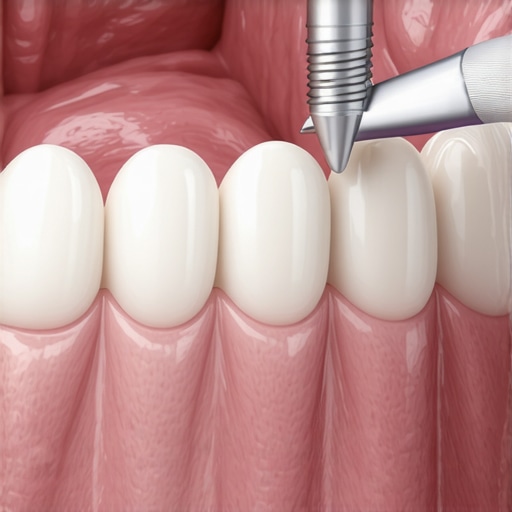
I vividly remember the moment I realized my dream of a perfect smile was about to hit a snag. I had spent years dodging the insecurities of yellowed, uneven teeth. When I finally decided to get a dental implant, I felt a surge of excitement. But during the initial consultation, my dentist looked concerned and mentioned the need for a bone graft. For a moment, I felt overwhelmed—who knew that a simple implant could come with so many unknowns? That lightbulb moment made me realize how crucial it is to understand the real reasons behind this step.
The Hidden Challenge: Bone Loss and Dental Implants
If you’re like most people, you might think getting an implant is just about replacing a missing tooth. But underlying issues—particularly bone loss—can complicate things significantly. When a tooth is lost, the jawbone beneath often starts to shrink because it no longer gets the stimulation from chewing that keeps it healthy. This bone resorption can be unexpected and disheartening, especially if you anticipated a quick procedure. Without enough bone, placing an implant becomes risky or even impossible, which is why a bone graft might be necessary beforehand.
Will a Bone Graft Delay My Smile Makeover?
That’s a common worry I hear. Patients fear that they’ll need extra procedures, increasing time and cost. But in the long run, skipping it can jeopardize the stability of your implant, leading to potential failures and the need for even more corrective work. In my experience, investing in the bone graft upfront actually saves you time and hassle later. It’s like strengthening the foundation of a house before building up—neglecting this step could cause your entire smile journey to crumble.
Research supports this approach, showing that bone grafts significantly improve implant success rates. According to a study published by the National Institutes of Health, patients with proper bone support have better outcomes and fewer complications. So, while it might seem like an extra hurdle now, it’s really about ensuring your new tooth lasts for decades.
If this sounds familiar—perhaps you’ve noticed your jaw looking less dense or feeling a bit sunken—it’s worth discussing with your dentist. They can evaluate whether a bone graft is necessary and help you understand the process. Remember, a well-planned implant isn’t just about aesthetics; it’s about creating a durable, functional smile you can be proud of for years to come.
Next, we’ll explore what to expect during the grafting process and how to optimize your recovery. But first, tell me—have you faced this dilemma yourself? Did you know that neglecting a bone graft could jeopardize your entire implant? Let’s dive into what makes this step so critical.
Clearing the Path for Your Implant
Start by scheduling a comprehensive evaluation with your dentist. They will perform imaging tests like a 3D CBCT scan to assess your bone density and identify areas requiring augmentation. Share your dental history openly to help tailor the treatment plan accurately.
Preparing Your Jawbone Effectively
Once bone deficiency is confirmed, your dentist may recommend a bone graft. This involves transplanting bone material—either from your body (autograft), a donor (allograft), or synthetic sources—to rebuild the lost bone mass. During the procedure, local anesthesia ensures comfort, and the graft acts as a scaffold encouraging new bone growth. Be proactive: follow your dentist’s instructions meticulously to promote proper healing.
Ensuring Optimal Graft Integration
Proper healing time is critical. Allocate about 4-6 months post-grafting before the implant placement. During this period, maintain excellent oral hygiene, avoid smoking, and adhere to dietary guidelines to minimize complications. In my experience, keeping a detailed record of post-op symptoms helps in early detection of issues—if swelling or pain persists, consult your dentist promptly.
Enhancing Bone Growth for Long-Term Stability
Supplements like vitamin D and calcium can support bone regeneration—discuss these with your provider to integrate them into your routine. Additionally, low-impact activities and avoiding excessive force on the jaw promote healthy healing. Remember, patience now translates into durability later.
Timing and Communication Are Key
Coordinate closely with your dental team. Regular follow-ups allow monitoring of graft success. Don’t hesitate to ask about advances like invisible aligners or other cosmetic options once your implant is secure. Clear communication ensures no surprises, and your treatment timeline aligns with your goals.
Applying these steps requires deliberate action and adherence, much like when I personally prepared for my implant. I scheduled my scans early, followed post-surgical care diligently, and kept in close contact with my dentist. As a result, I experienced a smooth healing process that set the stage for a lasting smile.
Many people assume that family dentistry and cosmetic procedures like veneers, teeth whitening, and Invisalign are straightforward solutions for a better smile. However, as an expert in dental aesthetics, I’ve seen numerous misconceptions that can trip up even the most diligent patients. **Contrary to popular belief, not all veneers are created equal**; some may look unnatural if improperly selected or placed. It’s essential to understand the nuances behind these procedures to avoid costly mistakes.
One common myth is that teeth whitening provides permanent results—*but in reality, it requires maintenance and can be affected by lifestyle choices*, such as diet and habits like smoking. Utilizing low-quality whitening products or overdoing at-home kits can also lead to increased sensitivity or uneven color, undermining your confidence. According to a 2022 study published in the Journal of Cosmetic Dentistry, lab-processed whitening treatments yield more consistent and longer-lasting results compared to over-the-counter options.
How can advanced techniques enhance your smile’s longevity?
In my experience, opting for professionally supervised procedures ensures better outcomes. For example, combining veneer placement with proper enamel shaping and discussion of material options can dramatically improve both aesthetic appeal and durability. When considering Invisalign, many overlook the importance of adherence to wear schedules; neglecting to wear aligners as prescribed can slow progress or cause relapse, negating the treatment’s benefits. Moreover, understanding the difference between traditional braces and discreet options like Invisalign can influence overall treatment success.
Family dentistry might seem routine; however, neglecting preventive care or misinterpreting early signs of dental issues can lead to more invasive and expensive treatments later. Regular check-ups are vital for detecting problems like gum recession or enamel erosion early—issues that can compromise cosmetic work or the stability of orthodontic appliances. For example, untreated gum recession can expose tooth roots, making veneers or whitening less effective and increasing sensitivity risks.
It’s also worth noting the significance of choosing an experienced dentist who can tailor treatment plans to your unique needs rather than offering generic solutions. An expertly crafted plan considers your dental history, facial proportions, and personal goals, which is crucial for achieving truly natural-looking results.
Have you ever fallen into this trap? Let me know in the comments. Remember, making informed decisions about family dentistry and cosmetic procedures ensures your smile’s health and beauty last for years to come. Want to learn more about the latest advancements? Check out our article on veneers or explore how Invisalign can harmonize with your lifestyle. Your perfect smile starts with understanding these hidden nuances!
Maintaining your dental enhancements like veneers, whitening, or Invisalign requires the right tools and consistent habits. Personally, I rely on specific equipment and software to ensure my smile stays in top shape. For instance, I highly recommend the Oral-B iO Series electric toothbrush because its oscillating-rotating technology delivers superior plaque removal, especially around veneers and crowns. Its built-in pressure sensor prevents over-brushing, safeguarding delicate restorations. Additionally, I use custom whitening trays for touch-ups, which allows me to control the whitening process and avoid sensitivity issues common with over-the-counter products. To track my progress and schedule routine cleanings, I utilize the Dental Monitoring App, which my dentist recommended. This AI-powered tool provides real-time feedback on oral health, ensuring I catch any minor issues early. In the future, I predict that AI-driven diagnostic tools will become standard, making at-home maintenance even more effective. How do I maintain my veneers and whitening results over time? I adhere to a strict routine of daily brushing with fluoride toothpaste, using interdental brushes for deep cleaning, and scheduling biannual check-ups with my dentist. Incorporating a water flosser, like the Waterpik Aquarius, helps remove plaque from hard-to-reach areas, reducing gum inflammation and prolonging the life of restorations. Remember, staying vigilant with these tools not only preserves your aesthetic investment but also supports your overall oral health. To get started with a proven method, try incorporating the water flosser into your daily routine and experience how it complements your existing care regimen.
What I Wish I Knew Before Starting My Smile Transformation
- Patience is your best friend—instant results are rare, especially with procedures like bone grafts or veneers, but the long-term payoff makes it worth the wait.
- Choosing experienced professionals who understand the nuances of family dentistry and cosmetic work can prevent costly setbacks and will give you results that feel natural and durable.
- Regular maintenance with the right tools, like a high-quality electric toothbrush or custom whitening trays, can preserve your investment and boost your confidence over the years.
- Understanding the science behind procedures helps set realistic expectations and empowers you to make informed decisions—never settle for one-size-fits-all solutions.
- Proactive communication with your dentist—asking questions and voicing concerns—can save you time, money, and frustration on your unique smile journey.
My Favourite Gems for a Brilliant Smile
One of the most valuable resources I rely on is the Veneers Made Simple guide, which demystifies the process and offers insights into choosing the right materials for lasting aesthetics. For whitening secrets that actually work, the Teeth Whitening Secrets article became my go-to, especially the tips on maintaining brightness amidst everyday habits. When exploring orthodontic options like Invisalign, I found that Invisalign innovations offer discreet and highly effective paths to a confident smile. These tools and resources helped me craft a comprehensive plan tailored to my needs, ensuring longevity and natural beauty in my smile. I encourage you to explore these resources, adapt them to your goals, and enjoy the journey to a healthier, more radiant you.
Comments are closed.