
What to Do When Your Dental Implant Feels Wobbly While Chewing
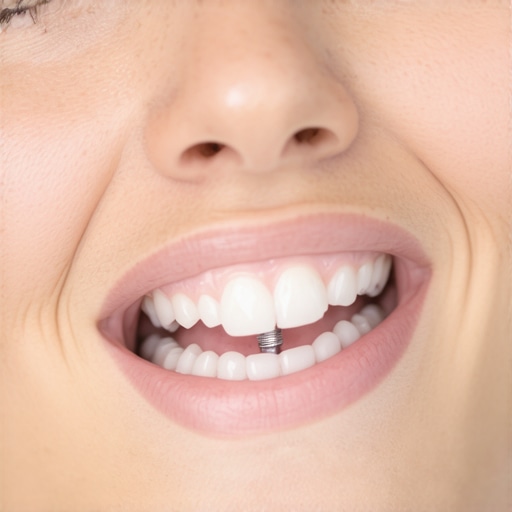
It was just a regular Tuesday afternoon when I bit into my favorite apple, only to feel a strange wobble in my jaw. Panic shot through me. I had invested so much in my dental implant, believing it might be the answer to my confidence issues, and now, this unsettling feeling threatened to undo everything. I remember thinking, “Is this normal? Or am I facing a serious problem?” From that moment, I knew I wasn’t alone—lots of folks experience similar worries about their implants feeling loose or unstable.
Why This Wobbly Feeling Can Be a Warning Sign
That moment of doubt pushed me to dig deeper. I learned that a wobbly implant isn’t something to ignore — it could indicate a variety of issues like bone loss, inflammation, or even implant failure. If left unaddressed, such problems might escalate, causing discomfort or more significant dental complications. According to a study published in the Journal of Prosthodontics, early detection and intervention can increase the chances of a successful outcome when dealing with implant instability. So, if you’ve felt that unsettling wobble while chewing, it’s crucial to understand what’s really going on and how to handle it.
Is a Loose Implant Actually Worth the Worry?
When I first faced this issue, I made the mistake of brushing it off, thinking it was just a temporary hiccup. But that turned out to be a costly error. Many people underestimate the importance of promptly addressing a wobble because they fear costly procedures or think it might resolve on its own. But trust me—ignoring it only makes things worse. Recognizing the problem early and seeking professional advice can save your smile and prevent more invasive treatments down the line. If you’re experiencing this, don’t wait—see a qualified dentist and get it checked. Curious about how to spot the signs early? Check out some tips on early signs of implant problems.
Inspect Your Implant Thoroughly
First, examine your mouth in good light. Use a mirror to check if the implant feels noticeably loose or has shifted. Gently wiggle it with your tongue—if it moves more than slightly, it’s a sign to act. I remember one time, I noticed mine was wobbly after a hearty bite into an apple. I immediately scheduled an appointment.
Identify Possible Causes
Check for Signs of Infection or Inflammation
Look for redness, swelling, or pus around the implant site. These symptoms often indicate an immune response, which can compromise stability. During my own experience, I observed mild swelling, prompting me to visit my dentist promptly.
Assess Bone Loss and Tissue Health
Bone loss is a common reason for implant wobbling. If your implant loses contact with the bone, it becomes unstable. Regular dental check-ups include X-rays that reveal such issues early on. I learned that bone density scans can provide deeper insight, especially if other symptoms appear. To keep your smile healthy, read more about signs of successful implant healing.
Seek Professional Evaluation
Don’t try to fix a loose implant yourself; this can cause further damage. Schedule an appointment with your dentist or oral surgeon as soon as possible. Explain your symptoms clearly—note if the looseness worsens during chewing or at rest. During my consultation, my dentist did a thorough exam and identified early-stage bone resorption, which was successfully managed with targeted treatment.
Plan the Corrective Action
The treatment varies depending on the cause. Options include re-tightening, bone grafting, or replacing the implant if it’s severely compromised. For instance, if bone loss is involved, a graft can rebuild the foundation. I was advised to maintain excellent oral hygiene and to avoid biting hard foods while the issue was addressed.
Maintain Proper Oral Hygiene
After treatment, keeping your implant clean prevents further issues. Use soft-bristled brushes and gentle techniques. In my own case, I adopted a mild brushing routine and scheduled regular check-ups to ensure stability. Regular visits not only prevent problems but also catch subtle changes early. Check out family dentistry tips to keep everyone’s oral health on track.
Follow Up and Monitor Progress
Post-treatment, stay vigilant. Any new wobbling or discomfort warrants immediate attention. I remember how diligent I became, noting any changes and informing my dentist right away. Remember, early intervention can save your implant and your smile’s integrity. Consider setting reminders for routine check-ups and learn more about early signs of implant issues.
Many patients walk into dental clinics convinced they’ve grasped the basics of cosmetic and restorative treatments. However, beneath the surface lie common misconceptions that can lead to costly mistakes. Contrary to popular belief, veneers aren’t always the foolproof solution for discolored or misshapen teeth. Similarly, Invisalign isn’t just about straightening teeth invisibly — it requires meticulous compliance and understanding of its limitations. And when it comes to teeth whitening, untrained eyes often underestimate the impact of underlying enamel health on results.
Beyond the Surface: The Nuances That Matter
One of the biggest myths is that all veneers are the same or that they last forever. In reality, the quality of materials, preparation techniques, and even patient habits significantly influence longevity. Many overlook the importance of proper preparation, which can lead to veneer leakage, staining at the margins, or even gum irritation.
Advanced Mistakes That Can Sabotage Your Smile
Patients often assume that whitening products, whether in-office or over-the-counter, are a one-size-fits-all fix. This can backfire, especially if enamel erosion or sensitivity issues are ignored beforehand. Custom whitening trays are designed to suit individual needs, but their effectiveness diminishes if used improperly.
What Are the Risks of Overusing Cosmetic Procedures?
Overdoing veneers or whitening treatments can cause irreversible damage, such as increased tooth sensitivity or gum recession. The misconception that more is better often leads to aggressive aesthetic modifications that compromise long-term health. It’s essential to understand that family dentistry emphasizes preventive care over chasing quick fixes. Before jumping into elective procedures, consult with professionals who prioritize your overall oral health. Why settle for short-term gains at the expense of health?
Have you ever fallen into this trap? Let me know in the comments. Remember, a well-informed patient is a smiling patient — ensure you’re equipped with the right knowledge before making decisions about your dental care.
Keep Your Dental Work in Top Shape with Proven Strategies
Maintaining your smile’s integrity over the years requires more than just good habits; it demands the right tools and consistent routines. One essential aspect is choosing equipment that ensures thorough cleaning and early detection of issues. I personally rely on high-quality ultrasonic toothbrushes, like the Philips Sonicare DiamondClean, which delivers superior plaque removal and minimizes the risk of gum inflammation—crucial for preserving veneers, implants, or whitening treatments. These sonic toothbrushes generate vibrations that dislodge debris even in hard-to-reach areas, helping to prevent stain buildup and decalcification.
Another vital tool I recommend is a water flosser, specifically the Waterpik AquaSonic, as it effectively cleans around braces, veneers, and implants. Its pulsating streams remove trapped food particles, reducing the chances of decay or gum disease that can compromise your dental investments. Regular use of a water flosser complements brushing and helps maintain healthy soft tissue, extending the life of aesthetic procedures.
In addition, I rely on LED-based oral health monitoring devices like the Oral-B iO series, which allow me to track my brushing and flossing consistency via smartphone apps. These tools provide real-time feedback, motivate adherence, and help identify neglected areas before problems develop. Analyzing this data has empowered me to tweak my routine proactively, ensuring long-term success.
Preventive care isn’t just about tools; it’s also about keeping informed. I regularly consult trusted sources like this site’s privacy policy to stay updated on emerging technologies and methods. For example, recent advances include AI-powered detection of early decay signs, which are game-changers for intercepting issues before they escalate. Incorporating such innovations can significantly improve outcomes and safeguard your dental investments.
Thinking ahead, as technology advances, I believe we’re heading toward smart dental devices that sync seamlessly with your smartphone, providing continuous monitoring and personalized advice. These future innovations will make maintaining your smile more effortless and precise, minimizing long-term costs and discomfort.
How do I keep my dental results looking great over time?
One of my top tips is integrating advanced tools like the Philips Sonicare DiamondClean, alongside regular professional check-ups. This combo ensures plaque is minimized, early signs of complications are caught, and your aesthetic results last longer. Remember, consistent maintenance through quality equipment is vital for enduring results. To learn more about preserving your veneers or whitening, explore our guides or contact us directly here. Starting with the right tools today can set you up for a lifetime of confident smiles.
The Hidden Truths No One Tells About Your Smile Transformations
- One of the most powerful lessons I learned was how crucial it is to understand the lifelong commitment behind veneers and aligners. It’s easy to think of them as quick fixes, but truly maintaining them requires vigilance and proactive strategies that go beyond cosmetic routines.
- Another insight I gained was the importance of personalized care, not just generic advice. Every smile is unique, and consulting with professionals who tailor treatments—like those highlighted in Veneers Made Simple—can save you from costly mistakes.
- Lastly, I found that investing in quality tools and habits, such as regularly checking your smile with advanced devices, makes a huge difference. This proactive approach proved to me that the little efforts can prolong aesthetic results and prevent unnecessary setbacks, ensuring your smile remains radiant for years to come.
My Go-To Resources for a Smile That Lasts
- For a comprehensive understanding of veneers and their longevity, I trust this guide on veneers. It demystifies the process and helps set realistic expectations.
- When it comes to optimizing Invisalign results, this resource about Invisalign innovations has been invaluable for understanding how to prevent tracking gaps and complications.
- For insights on teeth whitening that truly lasts, I refer to expert tips on whitening that combine safety with impressive results.
Step Into Your Best Smile Today
Let’s face it—your smile is worth the effort. The knowledge and tools exist to help you safeguard your investment and enjoy a stunning, healthy smile for decades. Don’t wait for problems to arise; take control now by applying what you’ve learned and seeking professional guidance when needed. Remember, a bright, confident smile is just a decision away. Have you ever hesitated to pursue your perfect smile because of doubts or fears? Share your story below — I’d love to hear how you’re planning to elevate your dental health.