
Why Your Teeth Still Look Yellow Despite Two Rounds of Strips
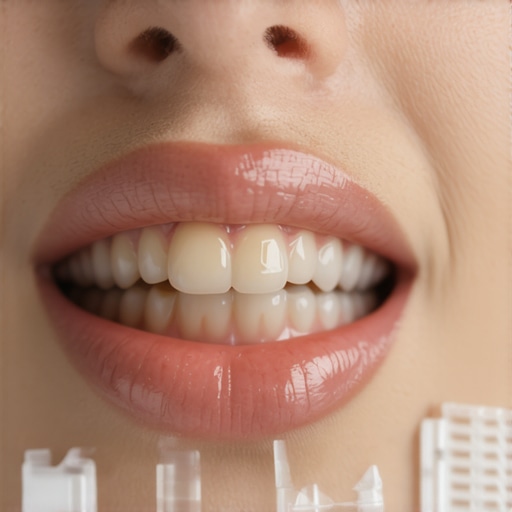
I remember the moment clearly—looking in the mirror after using my second round of whitening strips, expecting that perfect Hollywood smile, only to be greeted by the same dull, yellowish hue. It was frustrating, almost like my teeth had a mind of their own, resisting all my efforts at that bright, confident grin. Have you ever felt that way? You follow all the instructions, buy what seems like the best whitening kits, and yet, your teeth stubbornly refuse to become pearly white. Trust me, I’ve been there, and it’s a common experience many people face, often leading to disappointment and a dwindling sense of hope.
The Struggle is Real: Why Whitening Strips Sometimes Fail
After trying multiple whitening treatments, I began to realize that the problem wasn’t just my technique but something deeper—my teeth’s unique biology and habits play a significant role. Despite doubling down on those strips, the yellow undertones remained. It’s easy to assume that over-the-counter products are the magic solution, but the truth is, whitening is a complex process influenced by factors like enamel thickness, diet, and even genetics. Did you know that some stains, especially those caused by trauma or certain antibiotics, are more resistant to bleaching?
Early on, I made the mistake of thinking that just because whitening strips worked for others, they’d work for me. That’s a common misconception. The reality is, not everyone’s teeth respond the same way, and sometimes, our expectations don’t match what science can deliver with over-the-counter options. For a more reliable approach, consulting your dentist can provide personalized insights. For instance, professional teeth whitening can target stubborn stains more effectively than strips alone. If you’re interested in ways to boost your smile’s brightness, I recommend exploring some proven strategies outlined in this comprehensive guide on teeth whitening secrets.
Now, you might be asking yourself—”Is it worth trying professional solutions or even considering alternatives like veneers or Invisalign?” Well, that’s exactly what I aim to help you uncover. But first, let’s dive into some of the most common reasons why your teeth may still look yellow despite repeated whitening efforts—and what you can do about it.
Could My Daily Habits Be Sabotaging My Smile?
One thing I personally overlooked early on was my diet. Daily coffee, tea, and even red wine can stain your teeth over time, undoing all your whitening efforts. Regular brushing helps, but certain stains seep into enamel, resisting surface cleaning. I learned this the hard way, and it made me realize that whitening isn’t just about the product but also about lifestyle choices. To learn more about maintaining your smile’s brightness, check out these tips on preventing yellowing.
So, if you’re tired of seeing your reflection with a less-than-glamorous grin after treatment, don’t give up. There are solutions, and understanding why your teeth resist whitening is the first step. Ready to explore what truly works? Let’s get started!
Revamp Your Whitening Routine for Better Results
Switch to Professional Guidance
After my failed attempt with over-the-counter strips, I scheduled a consultation with my dentist. Think of it like consulting a mechanic before fixing your car—they can accurately diagnose what’s going wrong. During the appointment, my dentist assessed my enamel and stain types, then recommended in-office whitening, which uses higher-concentration agents and specialized lasers for faster, more reliable results. To explore options suitable for your needs, check out this guide on Invisalign and smile improvement.
Implement Lifestyle Changes That Protect Your Investment
Monitor Dietary Stains
I noticed that my morning coffee habit was slowly undoing my whitening efforts. Imagine applying a fresh coat of paint on a wall, then splashing muddy water on it—eventually, the paint dulls. To prevent stains, I started drinking coffee through a straw and rinsing my mouth afterward. Also, I limited red wine and dark teas, which are notorious for staining teeth. For more tips on keeping your smile bright, visit this article on stain prevention.
Customize Your At-Home Care to Support Professional Treatments
Use Targeted Whitening Products and Techniques
Once my dentist approved my whitening plan, I used custom-fitted trays with higher-grade gels. This approach is like having a tailored suit—better fit, better outcome. I fitted my trays carefully, avoiding air bubbles that can cause uneven whitening. Applying the gel evenly, I stayed within the recommended time, similar to how a barber applies dye meticulously to avoid drips. When discomfort or sensitivity arose, I paused treatment and pre-treated with desensitizing toothpaste. To learn about common pitfalls and fixes, see this guide on whitening tray tips.
Considering Advanced Cosmetic Procedures for Stubborn Stains
Veneers for a Radiant Smile
If whitening doesn’t give you the results you crave, veneers might be your answer. Think of veneers as custom-made tooth jackets—thinner than a credit card, they cover imperfections instantly. I visited a cosmetic dentist who explained that veneers can mask deep discoloration and minor misalignments. The procedure involves bonding thin porcelain shells to the front of your teeth, a permanent yet transformative fix. I looked into this comprehensive guide on veneers to understand the process better.
Align Your Smile Journey with Clear Recommendations
Investigate Invisalign for Gentle Movement
Sometimes, stubborn stains are a symptom of misaligned teeth trapping food particles and stains. Invisalign offers a discreet way to straighten teeth gradually. Think of it like guiding your teeth into position with gentle, invisible nudges—much like a trainer guiding a stubborn horse with soft reins. My friend used Invisalign, and her adjustment period was minimal, with clear aligners replaced every couple of weeks. To see if this option suits you, explore this article on Invisalign’s latest innovations.
Maintain Long-Term Results with Consistency
Adopt Habitual Oral Hygiene and Follow-up Care
Finally, sustaining a bright smile requires daily diligence. I made brushing twice daily with a fluoride toothpaste, flossing, and using mouthwash part of my routine—think of it as watering a plant. Regular dental checkups are crucial; they catch early signs of staining or plaque buildup. Additionally, occasional touch-up whitening sessions can keep stains at bay. Remember, like fashion trends, oral health requires ongoing attention to stay stunning.
Many patients approach cosmetic and family dentistry with misconceptions that can lead to disappointment or even harm. As an expert who’s seen a wide range of cases, I can tell you that a common mistake is assuming these treatments are one-size-fits-all solutions. For example, many believe that teeth whitening is effective regardless of stain type or underlying enamel health, but in reality, some stains—like those from tetracycline antibiotics—resist bleaching and require alternative methods such as veneers or crowns. Relying solely on over-the-counter whitening products without professional guidance often results in uneven or short-lived results, a point I emphasize in my comprehensive guide on teeth whitening secrets.
Maintaining your dental enhancements, whether it’s teeth whitening, Invisalign, or veneers, requires a strategic approach using the right tools and routines. I personally rely on high-quality electric toothbrushes like the Oral-B Genius series because they effectively remove plaque and maintain enamel integrity, which is crucial for long-term whitening results. Additionally, I recommend investing in a water flosser, such as the Waterpik Ultra, which helps clean around brackets and veneers without damaging delicate surfaces. Regular use of these tools ensures that your investment in cosmetic dentistry stays pristine, saving you from costly touch-ups or replacements down the line.
How do I keep my smile shining over time?
Routine maintenance is key. Scheduling regular dental checkups, at least every six months, allows your dentist to monitor the health of your restorations and catch early signs of wear or staining. Professional cleanings target stubborn plaque and surface stains that at-home care might miss, prolonging the brightness of your smile. Additionally, using whitening toothpaste with micro-polishing agents, like the Crest 3D White, can help maintain brilliance between professional sessions. Remember, consistency is more effective than intense, sporadic efforts. Incorporating daily habits such as rinsing with fluoride mouthwash and avoiding foods that stain will reinforce your results.
Looking ahead, the trend in dental care is increasingly leaning towards personalized, tech-driven solutions. Innovations like at-home whitening kits with smart LED lights and app-guided brushing routines are becoming more accurate and user-friendly, making maintenance more manageable. As the field progresses, expect to see more focused products tailored to specific restorations like veneers, which require gentle cleaning methods to prevent gradation at the margins. Embracing these advancements now can put you ahead in preserving that perfect smile.
Protect your smile: choose the right tools for long-term beauty
For example, I recommend using a soft-bristled, ergonomic toothbrush like the Philips Sonicare ProtectiveClean, which gently cleans without damaging dental work, and set a daily reminder to replace your toothbrush or brush head every three months. This preventive approach ensures that your tools perform optimally, reducing the risk of plaque buildup and staining, particularly around sensitive areas like veneers or aligners. By integrating these practices into your routine, you can enjoy your smile’s radiance for years to come.
If you’re interested in optimizing your maintenance strategy, I suggest trying the tip of combining professional whitening touch-ups with your daily upkeep. Regularly consulting your dentist for personalized advice is also vital; they can recommend tailored products and schedules to fit your unique oral health profile. Want to learn more? Check out this guide on Invisalign advancements.
Remember, your smile is a long-term investment. With the right tools and habits, you can keep your dental transformations looking flawless for decades. Don’t hesitate to experiment with new products and techniques—your future self will thank you. Dive into the latest research, like the detailed studies on enamel wear by the Wikipedia enamel wear page, and incorporate evidence-based practices into your routine. Ready to give one of these tips a try? Start today with your recommended toothbrush and see how it elevates your maintenance game.
Lessons from the Frontlines of Smile Makeovers
One of the most surprising lessons I learned is that patience and personalized care outperform quick fixes every time. Early in my journey, I believed that using the strongest whitening products would deliver instant results, but I soon realized that my teeth needed time and tailored solutions to truly transform. It taught me that listening to experienced dental professionals and respecting the natural biology of my teeth can prevent setbacks and disappointment. Sometimes, the biggest breakthrough comes from slowing down and embracing a customized approach rather than chasing every new trend.
Another insight I wish I had known is that lifestyle habits can silently sabotage your efforts. Whether it’s habitual coffee drinking or fuming over red wine on the weekends, these daily choices can undo months of work in a matter of days. I started paying closer attention to my diet and oral hygiene routines, integrating small yet impactful changes. Incorporating tools like a water flosser or using whitening toothpaste as maintenance proved to be game-changers. Remember, your smile’s brilliance isn’t just about treatments but also about the daily decisions you make — a lesson I’d recommend you heed.
Finally, I discovered that investing in professional guidance isn’t a sign of weakness but smart thinking. What seemed like an expensive route initially turned out to be the most effective way to achieve lasting results. From in-office whitening to veneers and Invisalign, each step was curated based on my unique needs. Trusting experts often saves time, money, and the discomfort of repeated mistakes. If you’re serious about your smile, I suggest exploring comprehensive resources like this guide on teeth whitening secrets for insights tailored to your journey.