
The Truth About Using Charcoal for Teeth Whitening
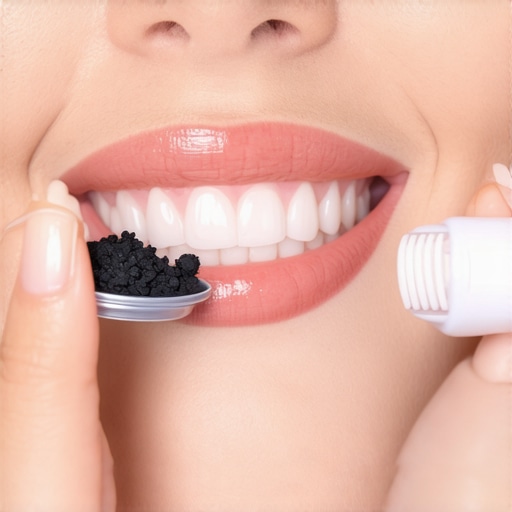
I remember the moment clearly—looking in the mirror, my teeth actually looking worse after I had started using this popular charcoal toothpaste. It was a frustrating realization: I had trusted a trending remedy without doing enough homework, and now I had to deal with the consequences. That lightbulb moment made me question everything I thought I knew about teeth whitening and what really works.
Why I Stopped Relying on Charcoal and Started Seeking Real Solutions
It’s easy to get swept up in the allure of natural remedies, especially when they promise quick results. Charcoal, hailed for its supposed detoxifying abilities, became a darling in the dental world as an easy fix for brighter teeth. But does it live up to the hype? Not quite.
From personal experience, I quickly learned that while charcoal may seem effective initially, it can also be abrasive, wearing down enamel and leading to increased sensitivity over time. Early on, I made the mistake of using it daily, thinking more would accelerate my results. Instead, I experienced irritation and duller-looking teeth. This taught me a vital lesson: more isn’t always better, especially with dental health.
What I want to share with you today is not just a cautionary tale but a guide to understanding what actually works—safely and effectively—to achieve that radiant smile you’ve been dreaming of. We’ll explore proven methods, some simple at-home tricks, and clarify misconceptions about popular whitening options.
Is Charcoal Really Worth the Hype?
A common concern I hear is whether all the fuss about charcoal is justified. Many are skeptical, and for good reason. The abrasive nature of charcoal can damage enamel if used improperly, leading to increased tooth sensitivity and even higher risks of cavities. According to the American Dental Association, abrasive whitening agents can erode enamel if used excessively. So, if you’re contemplating jumping on the charcoal bandwagon, you’re not alone, but it’s essential to weigh the risks.
Now that we’ve set the stage and I’ve shared my personal experience, let’s dive into what truly works when it comes to safe and effective teeth whitening. Ready to discover the secrets behind a genuinely dazzling smile? Keep reading.
Choose Your Whitening Method Wisely
Opt for professional teeth whitening treatments over at-home kits; they deliver faster results and are customized for your enamel. During my own trial, I visited my dentist for a whitening session, which involved a protective gel and a specialized light. The result was noticeable immediately, with little sensitivity afterward.
Set Realistic Expectations
Understand that whitening works differently depending on the stain type and severity. I once tried over-the-counter strips, expecting dramatic results like ads promised, but the improvement was minimal. Knowing this helps prevent disappointment and guides you to the right approach.
Maintain Good Oral Hygiene Habitually
Brushing twice daily with a soft-bristled toothbrush and fluoride toothpaste is essential. I incorporated a gentle brushing technique, holding the brush at a 45-degree angle, which effectively cleaned plaque without damaging enamel. Floss daily to remove debris between teeth, preventing stain buildup and gum disease.
Incorporate Family Dental Checkups
Routine visits to your family dentist ensure early detection of issues and professional cleaning. When my children’s teeth were regularly checked, potential problems like cavities and misalignment were caught early, saving time and money. Schedule these visits at least twice a year through [family dentistry tips](https://smilegumcare.com/family-dentistry-tips-creating-a-healthy-smile-for-your-kids-at-0915) for a comprehensive approach.
Consider Cosmetic Procedures for Lasting Results
For significant aesthetic changes, look into options like dental veneers. These are thin shells bonded to teeth, masking imperfections. I personally experienced a transformative upgrade after choosing veneers; the process involved preparing the tooth surface, taking impressions, and bonding the custom shells. Learn more about veneers made simple for detailed insights.
Adopt In-Office and At-Home Care Strategies
Use whitening toothpaste with gentle abrasives for maintenance, but avoid overuse to prevent enamel erosion. For in-home care, I started using an electric toothbrush, which improved plaque removal. Combining professional treatments with daily habits ensures sustained results and healthier gums. Discover secrets to sparkling smile in 2025.
Address Specific Dental Concerns Promptly
If you notice sensitivity or uneven coloration, consult your dentist promptly. I once ignored slight discomfort after whitening and it worsened. Immediate professional attention prevents complications. For chipped or misaligned teeth, explore options like Invisalign treatments and crowns for ideal outcomes.Even seasoned dental enthusiasts can fall prey to misconceptions about veneers, Invisalign, teeth whitening, and family dentistry. Let’s dig deeper into the nuances that often get overlooked. For instance, many believe that veneers are indestructible, but in reality, they can chip or stain if not properly maintained. Unlike popular myths, veneers are not a quick fix for all aesthetic issues; they require careful planning and realistic expectations, as highlighted in this detailed guide. Additionally, some assume Invisalign is suitable for every misalignment, but more complex cases might need adjunctive treatments or traditional braces. Be cautious of overestimating Invisalign’s capabilities without consulting a professional. About teeth whitening, the misconception that all products are equally safe is rampant. Over-the-counter whitening kits often contain abrasive agents that can damage enamel, especially if used excessively. The American Dental Association recommends professional whitening for safe, predictable results, aligning with findings in this study. When it comes to family dentistry, a common mistake is neglecting routine visits, thinking they’re only necessary for emergencies. Regular checkups and cleanings help prevent more severe issues, especially in children whose dental growth is rapid. Proper early intervention can save significant discomfort and cost later, as emphasized in family dentistry tips. Beware of the trap that more frequent treatments will accelerate results; over-aggressive procedures can harm enamel and soft tissues. Instead, consistent, professional care and patient education build long-term oral health. Have you ever fallen into this trap? Let me know in the comments. For personalized advice, don’t hesitate to contact us to discuss your dental goals and concerns.Maintaining your dental enhancements and treatments is a journey that extends beyond the initial procedures. The right tools can make all the difference in sustaining long-term results and preventing issues from arising. Personally, I rely on a combination of high-quality electric toothbrushes, professional-grade whitening kits, and reliable orthodontic accessories to keep my smile in top shape.
One device I swear by is the Sonicare DiamondClean electric toothbrush. Its oscillating brush head effectively cleans plaque while being gentle on enamel, which is crucial for anyone with veneers or undergoing Invisalign. The built-in timers ensure you brush for the recommended two minutes, promoting thorough cleaning without overdoing it. Investing in a good toothbrush isn’t just about cleanliness; it’s about protecting your investment in dental work.
For those who opt for long-term whitening results, I recommend using a professional-grade whitening pen that allows precise application, especially around sensitive areas or touch-ups after bleaching sessions. This targeted approach helps maintain that sparkling appearance without the mess or waste associated with trays or strips. Look for products that contain enamel-friendly ingredients and avoid abrasive agents—keeping your enamel safe is paramount.
Maintaining oral health also involves proper flossing techniques. I prefer using water flossers over traditional floss because they are gentler and more effective at removing debris from hard-to-reach areas, which helps prevent gum recession around veneers and crowns. Regular use of an antimicrobial mouthwash can further protect against bacterial buildup, especially if you have braces or aligners like Invisalign.
Looking toward the future, I predict that technology in dental tools will become even more personalized. Innovations such as AI-powered toothbrushes that adapt to your brushing habits, or smart flossers that monitor plaque levels, are on the horizon—and I’m excited to incorporate these into my routine as they become more accessible.
How do I keep my dental work performing well over time?
Regular professional checkups are essential—don’t underestimate the value of biannual visits for cleanings, exams, and prompt repairs. Your dentist can monitor the integrity of veneers, crowns, and Invisalign attachments, addressing issues before they worsen. Professional cleanings also remove tartar that self-care might miss, especially around intricate restorations. Additionally, discuss with your dentist the possibility of using sealants or bonding touch-ups to prolong the aesthetics and functionality of your dental work.
If you’re considering scaling your cosmetic efforts or simply want peace of mind that your smile remains stunning, I encourage you to try a comprehensive routine that combines these reliable tools with expert guidance. For personalized advice tailored to your needs, reach out through [contact us](https://smilegumcare.com/contact-us). Embrace these strategies to ensure your smile stays radiant for years to come.
The Surprising Clarity from My Toughest Mistake
My biggest lesson was realizing that quick fixes like charcoal can cause long-term damage. That frustrating moment in the mirror taught me to prioritize safety over trends, emphasizing that informed choices lead to genuine results.
How Personal Experience Refined My Approach
Starting with DIY treatments, I learned firsthand that professional guidance is irreplaceable. Seeking expert advice, I discovered treatments that are tailored to your unique smile, ensuring effectiveness without risking enamel erosion.
Revealing the Nuances That Shape Your Smile
It’s not just about whitening; it’s about understanding stain types, enamel health, and the right maintenance. By paying attention to these details, you can sustain your smile’s brilliance long-term.
Insider Wisdom You Won’t Find in Supermarket Aisles
- Veneers are a tool, not a quick fix: They’re durable but require proper care and realistic expectations. Learn more about veneers made simple.
- Invisalign’s versatility depends on your case: Not every misalignment is suitable, so consult professionals who understand its limits and benefits. Explore Invisalign innovations.
- Effective home care is soulfully simple: Gentle brushing, proper flossing, and avoiding abrasive toothpaste preserve your investment. Find out how prevent Invisalign tray scratches.
Your Unique Path to a Dazzling Smile Starts Now
Remember, the journey to a radiant smile demands patience, knowledge, and consistency. Whether you’re exploring professional whitening or investing in veneers, prioritize your oral health—it’s worth every effort. Keep learning, stay consultative, and make choices that serve your long-term well-being.
What step are you most excited to try next on your smile-enhancing journey? Share below, and let’s support each other’s progress!
For personalized tips, don’t hesitate to reach out here.