
The Danger of Ignoring a Small Crack in Your Implant
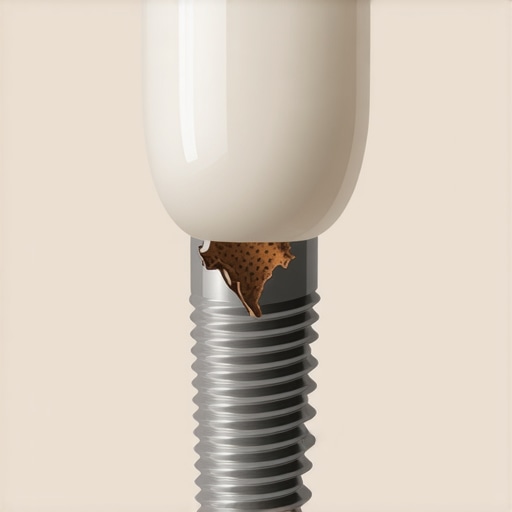
It started with a tiny, almost invisible crack in my dental implant. At first, I brushed it off, thinking it was just a surface scratch—nothing serious. But as days turned into weeks, that small imperfection became a source of constant worry. I could feel it when I chewed, and that nagging feeling of something being out of place wouldn’t go away. It was a lightbulb moment for me—realizing that what seemed like a minor flaw could be a ticking time bomb for my dental health.
Why Ignoring a Small Crack Can Cost You Big Time
We’ve all been guilty of dismissing tiny imperfections—brushes with boredom or impatience. But in the case of dental implants, even a tiny crack isn’t just a cosmetic flaw; it’s a potential gateway to serious complications. If left unchecked, a small crack can weaken the entire structure of your implant, leading to increased risk of infection, further damaging your surrounding teeth, or even implant failure. I learned this the hard way, making the mistake of thinking a small crack was something I could ignore. Early in my journey, I didn’t realize that a tiny fissure could compromise the entire stability of my implant, highlighting how crucial it is to stay vigilant.
Is a Small Crack Really That Dangerous? Think Again.
Many people ask me, “Will a tiny crack really cause all that trouble?” The answer, based on my experience and advice from dental professionals, is a resounding yes. It’s easy to underestimate the importance of tiny imperfections—after all, they’re barely noticeable. But according to recent studies, neglecting small cracks can lead to bigger issues down the line, including bacterial invasion and bone loss, which are far more painful and costly to repair. In my case, ignoring that small crack nearly led to the need for another implant and a lot more discomfort—and a hefty bill.
If you’re facing a similar situation, don’t make my mistake. Take action early. Contact a qualified dentist to assess your implant, and consider getting a professional check-up to prevent minor issues from snowballing. Remember, catching small problems early can save you a lot of pain—and money. Want to learn how to properly care for your implants and spot early warning signs? Check out this guide. Now, let’s dive into what you need to know to keep your smile strong and healthy.
Assess Your Oral Health Regularly
Start by establishing a routine to evaluate your dental health. Use a small mirror to inspect your teeth and gums weekly, looking for signs of trouble like discoloration, sensitivity, or swelling. I remember once catching a small red spot on my gum line early, which turned out to be minor inflammation. Early detection allowed me to adjust my flossing technique and avoid more serious issues.
Master Effective Brushing and Flossing Techniques
Proper brushing involves angling your toothbrush at 45 degrees toward the gum line, gently using circular motions—think of polishing a delicate piece of glass. Floss daily using a gentle sawing motion, ensuring you slide beneath the gum line without forcing. I once struggled with flossing due to tight contacts, but switching to waxed floss made a huge difference, and I noticed bleeding decrease over time. For targeted cleaning, consider water flossers, which can reach tricky spots and reduce plaque buildup.
Implement Invisalign Properly
When using Invisalign, wear your trays at least 20-22 hours daily. To keep trays fresh, rinse them thoroughly after removal and clean with a soft toothbrush and mild soap—avoid toothpaste, which can scratch. I once neglected cleaning my aligners, causing discoloration and bad odor; after regular cleaning, they felt and looked almost invisible again. [Learn more about the latest innovations in invisible braces](https://smilegumcare.com/invisalign-innovation-invisible-braces-changing-smiles-in-2025-at-1537).
Optimize Family Dental Routines
Engage your children early by making dental care fun—sing songs during brushing or use colorful toothbrushes. Check their teeth regularly to catch cavities early and schedule regular professional cleanings. I once had to explain to my child why regular visits prevent cavities and keep smiles happy, which made them more cooperative during appointments. For tips on fostering good habits, visit [family dentistry tips](https://smilegumcare.com/family-dentistry-tips-creating-a-healthy-smile-for-your-kids-at-0915).
Brighten Your Smile Safely with Whitening
Whitening should be done cautiously, preferably under professional guidance. Use products approved by your dentist, and avoid over-the-counter strips that can cause sensitivity. I experimented with whitening strips at home, but I experienced irritation; learning to select the right products saved me discomfort. For expert advice, read [teeth whitening secrets](https://smilegumcare.com/teeth-whitening-secrets-for-a-sparkling-smile-in-2025-at-1248).
Enhance Dental Aesthetics with Veneers
Veneers can dramatically improve your smile by covering imperfections. Before choosing veneers, consult your dentist about the best type—porcelain or composite—and understand the maintenance involved. I once opted for porcelain veneers, which required careful cleaning and avoiding stain-heavy foods. Curious about veneers made simple? Check [this guide](https://smilegumcare.com/veneers-made-simple-transform-your-tooth-aesthetics-in-2025-at-1822) for detailed steps and tips.
Many patients assume that these cosmetic and restorative treatments are straightforward, but comprehending their nuances is vital to avoid costly mistakes. A common myth is that Invisalign simply straightens teeth invisibly without needing rigorous oral hygiene. In reality, Invisalign aligners require diligent care—if you neglect cleaning them properly, you risk bacteria buildup and staining, which can undermine your treatment outcomes. Ensuring you clean your aligners regularly, using methods like brushing with clear, mild soap, is essential for maintaining oral health and the effectiveness of the treatment.
Can You Really Achieve Perfect Results Without Attending Regular Dental Visits?
Some believe that at-home whitening or basic veneers can replace professional care, but this often leads to subpar results or unintended damage. For instance, over-the-counter whitening strips can cause tooth sensitivity if used excessively or incorrectly, especially on sensitive areas or existing restorations. Professional whitening provided by your dentist includes custom-fitted trays and protective measures, making it safer and more predictable. Similarly, veneers need precise assessment—incorrect placement or choosing the wrong material can result in a bulky feel or mismatched color, undermining your smile’s natural look. Visiting a specialist ensures that your aesthetic goals align with dental health, preventing issues like veneer chipping or gum irritation.
Another overlooked aspect is that many undervalue the significance of family dental routines. Regular dental check-ups do more than clean teeth; they detect early signs of decay, gum disease, or even underlying health issues. Building a habit of routine visits, starting with children, helps establish lifelong oral health habits—making a difference in their development and self-confidence. For expert tips on creating effective routines, consider reviewing this family dentistry resource.
Many also believe that whitening or veneers are permanent solutions that require no maintenance. But in truth, both demand ongoing care—like avoiding stain-causing foods and maintaining excellent oral hygiene. Additionally, veneers can chip or stain over time if neglected, leading to the misconception that they are invulnerable. Regular check-ups help monitor their condition and ensure longevity. Being proactive with maintenance not only preserves your smile but also saves money in the long run.
Finally, understanding the advanced nuances of these treatments can mean the difference between a beautiful, healthy smile and costly regret. If you’re considering options like Invisalign, whitening, or veneers, game-changing insights become crucial—like selecting the right material or technique tailored to your unique needs. For example, recent innovations in Invisalign might allow for faster correction with less discomfort—experience these breakthroughs by reading this detailed guide.
So, next time you think about these treatments, remember that superficial solutions rarely deliver lasting results without proper knowledge and expert guidance. Have you ever fallen into this trap? Let me know in the comments! Ensuring you’re well-informed will help you make smarter decisions for your smile sweet spot—balance beauty and health seamlessly.
How Do I Maintain My Dental Enhancements Over Time?
Keeping your teeth whitening, veneers, or Invisalign treatment in top shape requires the right tools and consistent routines. I personally swear by using an ultrasonic cleaner designed specifically for aligners and veneers. Unlike regular brushes, ultrasonic cleaners use high-frequency sound waves to gently vibrate and remove plaque and residue from your dental appliances, ensuring they’re thoroughly cleaned without damaging delicate surfaces. Recent innovations in Invisalign have made it easier to maintain these appliances, but routine cleaning remains crucial for long-term success.
In addition, I recommend investing in a set of interdental brushes tailored for cleaning around veneers and braces. These small, flexible brushes reach tight spots that regular floss might miss, helping prevent plaque buildup and staining. I personally use a narrow-tipped brush after meals to ensure my smile stays bright and healthy. For whitening touch-ups or stain prevention, I prefer a whitening pen that I can apply discreetly—this is especially useful for maintaining results between professional treatments.
LED curing lights are another game changer for maintaining veneer shine. They allow you to refresh protective sealants or bonding areas at home, prolonging their lifespan and preventing chip-offs. I got into the habit of doing a quick LED light cure once a month to keep my veneers in pristine condition.
What Trend Will Shape Future Dental Maintenance Tools?
I believe smart, automated cleaning devices will become standard in the next decade. Imagine toothbrushes that connect via Bluetooth to apps analyzing your brushing habits and providing real-time feedback. Similarly, AI-powered sonic cleaners could map out your oral cavity, identifying areas that need extra attention and adjusting cleaning intensity accordingly. These innovations will empower patients to manage their dental health more proactively and efficiently, reducing the need for frequent professional visits.
In the meantime, integrating these advanced tools into your routine can significantly extend the life of your restorations and appliances. Regular maintenance isn’t just about preserving aesthetics; it’s about safeguarding your entire oral health. If you’d like personalized advice on selecting the best tools for your specific needs, consider contacting your dental provider for recommendations. Plus, try incorporating a weekly ultrasonic cleaning session for your aligners or veneers—it’s a simple step that pays off in long-term results and confidence in your smile.
What My Experience Taught Me About Dental Risks and Rewards
- Patience and vigilance are your best allies—ignoring early signs like a tiny crack can turn a manageable problem into a costly nightmare.
- Understanding the subtle cues—like gum sensitivity or slight discomfort—can prevent major setbacks in your dental health.
- Professional guidance isn’t just for fixing issues—it’s essential for maintaining long-term beauty and functionality of your smile.
Tools and Resources That Changed My Perspective on Smile Care
- My ultrasonic cleaner for aligners and veneers, because a thorough clean prevents complications and prolongs treatment success.
- Trusted guides like this innovation in Invisalign that keep me updated on the latest advancements.
- Family-focused tips from family dentistry resources that help instill good habits early on.
Embracing Your Power to Transform Your Smile
Your smile is a reflection of your overall health and confidence. By staying informed, practicing diligent care, and seeking expert advice, you’re in control of achieving a radiant, healthy smile that lasts a lifetime. Remember, every small action—like choosing the right cleaning tools or scheduling regular check-ups—adds up to significant, lasting benefits. Are you ready to take the next step toward your perfect smile? Share your experiences or ask questions below—your journey is unique, and support is just a comment away.