
How to Stop Your Gums from Growing Over Your Braces
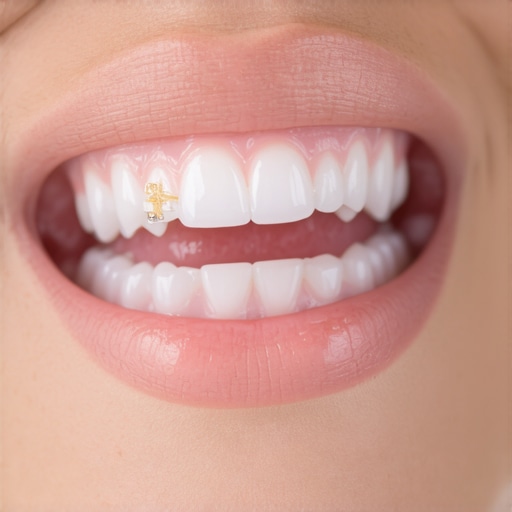
It was a morning just like any other, but as I looked in the mirror, I noticed something unsettling—my gums seemed to be creeping up over my braces again. I remember the panic I felt, thinking, “Why is this happening now?” That moment was a real lightbulb for me. I realized I wasn’t alone in this struggle, and I definitely didn’t want to keep battling this discomfort.
Understanding Why Gums Grow Over Braces and Why It Matters
When I first started wearing braces, I expected a few tight moments and some aching teeth. What I didn’t anticipate was how my gums would react, sometimes swelling or growing over the brackets. Gums are sensitive and can respond to the constant pressure and irritation from braces. If left unchecked, this overgrowth can lead to discomfort, inflammation, and even increase the risk of gum disease. Trust me, neglecting this can turn minor annoyance into a real dental issue down the line.
Did you know that according to a study published in the Journal of Clinical Periodontology, improper gum care around braces can increase the risk of periodontal problems? It’s true. That’s why understanding how to control and prevent gum overgrowth is crucial for maintaining a healthy smile throughout your orthodontic journey.
Are you tired of dealing with swollen, painful gums every time you switch to a new set of aligners? Have you ever wondered if there’s a simple solution to keep your gums healthy and your braces clean? Well, stick with me. Over the years, I’ve learned several effective strategies that saved me from avoiding my mirror or, worse, having to visit the dentist more often than I’d like.
In the next sections, I’ll share practical tips and personal insights that will help you keep your gums in check and make your braces experience smoother. Whether you’re just starting or nearing the finish line, these tricks can make all the difference. And who knows? You might even find yourself smiling more confidently, without that nagging worry about swollen gums.
Now, before we dive into the how-to’s, I want to address a common fear many people have: “Is managing gum overgrowth really worth the effort?” Well, in my experience, every small effort upfront saves a lot of pain and hassle later. Plus, maintaining healthy gums supports your overall oral health and ensures your braces do their job effectively.
Ready to learn how to keep those gums in check? Let’s get started with some tried-and-true methods that I personally swear by.
Mastering Your Oral Care Routine
Brush with Purpose
Use a soft-bristled toothbrush and gentle circular motions to clean around brackets and gum lines. In my experience, I found that brushing twice daily for at least two minutes significantly reduced gum swelling. Don’t rush—thorough cleaning prevents plaque buildup, which can irritate gums.
Remember to angle the brush at 45 degrees to reach under the gumline effectively.
Floss Daily Using Special Techniques
Standard floss can be tricky around braces, so I suggest using a floss threader or orthodontic floss picks. Carefully slide the floss under the wires and between teeth to remove trapped debris. I once spent an evening meticulously flossing after a meal, and the immediate relief in gum comfort was remarkable.
This routine disrupts plaque accumulation that causes overgrowth.
Implementing Effective Rinsing Practices
Antiseptic Mouthwash to Reduce Inflammation
Incorporate an alcohol-free antiseptic rinse into your daily routine. It aids in combating bacteria that cause gum swelling. I noticed that rinsing after meals minimized gum irritation, especially when I was on vacation and missed my regular brushing.
Saltwater Soaks for Soothing Gums
Mix a teaspoon of salt in warm water and rinse for 30 seconds. This simple method helped me reduce inflammation after tightening appointments. Regular use kept my gums healthier and less prone to overgrowth.
Adjusting Your Diet for Gum Health
Include Anti-Inflammatory Foods
Eat foods rich in vitamin C like oranges and strawberries to promote gum healing. I started adding more citrus to my snacks, and over time, my gums felt less swollen and more resilient. Avoid sugary snacks that feed bacteria and exacerbate inflammation.
Stay Hydrated for Better Saliva Production
Drinking plenty of water helps wash away food particles and bacteria. During my busy days, I made a habit of sipping water frequently, which kept my mouth clean and gums healthy.
Consulting Professionals When Necessary
Schedule Regular Dental Checkups
Visiting your dentist every 3-4 months ensures professional cleanings and early detection of gum overgrowth. I found that timely visits prevented minor irritation from escalating into painful swelling.
Discuss any persistent gum issues with your orthodontist or dentist to receive tailored advice.
Addressing Significant Overgrowth
If your gums protrude significantly, your dental professional may recommend minor surgical procedures or adjustments. I once had mild overgrowth, and a quick professional cleaning significantly improved my comfort and confidence. Never attempt to self-treat severe cases.
Leveraging Tools and Products
Use Interdental Brushes Carefully
Small, soft brushes can reach tight spaces between teeth and brackets. I used these after meals to dislodge food particles, observing immediate reduction in gum irritation.
Avoid abrasive or hard-bristled tools that can damage gums.
Consider Therapeutic Gels or Pastes
Apply fluoride gels or desensitizing pastes as recommended by your dentist to strengthen gum tissue. I noticed that using these products regularly decreased sensitivity and swelling over time.
Stay Consistent and Patient
Consistency in your oral hygiene practices is key. It took several weeks of diligent care before I saw a noticeable decrease in gum overgrowth. Persistence pays off, and maintaining habits helps prevent recurrence.
Many people believe that teeth whitening, family dentistry, Invisalign, and veneers are straightforward solutions to common dental issues, but the reality is far more complex. Let’s dig deeper into some misconceptions and subtle pitfalls that even experienced patients might overlook.
When it comes to **teeth whitening**, the prevailing myth is that all whitening products are equally safe and effective. However, the whitening agent’s concentration, formulation, and the condition of your enamel significantly influence results and safety. For instance, overuse of aggressive whitening strips can inadvertently lead to enamel erosion or increased sensitivity, contradicting the common belief that more is better. Experts recommend consulting with your dentist to choose tailored whitening solutions — as detailed in [these professional secrets](https://smilegumcare.com/teeth-whitening-secrets-for-a-sparkling-smile-in-2025-at-1248) — rather than relying solely on over-the-counter products.
In the realm of **family dentistry**, many assume it’s solely about routine cleanings and cavities. But a critical nuance is preventive care’s role in addressing early signs of issues such as malocclusions or enamel defects that can impact children’s development. Missing these signs can lead to more invasive treatments later. Regular checkups are essential; for tips on creating a comprehensive dental plan for your kids, see [family dentistry tips](https://smilegumcare.com/family-dentistry-tips-creating-a-healthy-smile-for-your-kids-at-0915).
**Invisalign** is often touted as a near-invisible solution that requires minimal effort, but the complexities lie beneath the surface. One common mistake is underestimating the importance of compliance. Wearing aligners less than 20 hours daily can compromise treatment timelines. Moreover, some don’t realize that certain attachments or refinements might be necessary for complex cases, which can be overlooked when only considering the aesthetic benefits. A nuanced understanding of Invisalign’s capabilities and limitations is essential—see [these insights](https://smilegumcare.com/invisalign-innovation-invisible-braces-changing-smiles-in-2025-at-1537) for more.
**Veneers** are often romanticized as a quick fix for teeth imperfections, but many overlook the potential downsides. One hidden nuance is the risk of veneer discoloration or failure if the underlying tooth isn’t properly prepared or if the bonding process is flawed. Furthermore, veneers are bonded to the enamel, which means once they chip or discolor, replacing them can be costly and irreversible. To ensure longevity and aesthetic harmony, professional consultation is vital; explore [how to spot improperly bonded veneers](https://smilegumcare.com/how-to-spot-veneers-that-were-bonded-incorrectly) for deeper insights.
What most people get wrong is not just in their misconceptions but in missing the subtle signs and advanced considerations that protect their investments and health. For example, pressing for whitening when enamel is already thin can cause irreversible damage. Or assuming that Invisalign treatment needs no professional oversight—when, in reality, regular adjustments and monitoring are critical.
**Make sure to consult with your dentist about these nuances** before proceeding with any treatment. Being informed helps you avoid costly mistakes and ensures you get the best outcome. Have you ever fallen into this trap? Let me know in the comments!
Keeping Your Dental Routine Strong with the Right Tools
Maintaining a beautiful, healthy smile over the long term requires more than just a good brushing habit; it demands the right equipment and knowing how to use it properly. Personally, I’ve found that investing in high-quality, specialized tools has made a significant difference in keeping my teeth and gums in top shape—especially when managing orthodontic appliances like Invisalign or veneers. In this section, I’ll share my preferred tools and why they are essential for sustainable dental health.
Electric Toothbrushes with Pressure Sensors
I swear by my electric toothbrush equipped with pressure sensors. Conventional brushes can sometimes cause overbrushing, leading to gum recession or enamel wear. My favorite is the Sonicare DiamondClean, which alerts me when I’m applying too much force and ensures thorough cleaning without damaging sensitive tissues. Proper brushing, especially around veneers or orthodontic fixtures, is critical; see this post for tips on gentle yet effective cleaning techniques.
Interdental Cleaners Tailored for Braces and Veneers
Standard floss often falls short around complex dental work. I prefer thin, soft interdental brushes, like GUM Soft-Picks, which glide smoothly between teeth and brackets, dislodging plaque that’s otherwise tempting to ignore. Regular use prevents deep-seated plaque buildup that can cause gum overgrowth or staining on veneers. To make flossing easier around brackets, I recommend practicing with a floss threader—which greatly simplifies the process. This routine not only preserves your dental work but also boosts your confidence in long-term maintenance.
Smart Mouth Rinses and Disinfection Devices
In my experience, mouthwashes with proven antibacterial properties complement daily brushing. I prefer alcohol-free options to avoid dryness, which could compromise veneers or delicate gums. Additionally, I use a portable UV sterilizer designed for toothbrushes, like the SteriLight, which ensures my tools stay bacteria-free, especially when I’m traveling. Proper disinfection plays a vital role in preventing complications, especially after dental procedures like veneers or Invisalign adjustments. This thoughtful approach anticipates future issues before they emerge.
Future Trends and Predictions in Dental Maintenance
Looking ahead, I believe technological integration will continue to revolutionize home dental care. Devices with AI-driven feedback and app connectivity will soon guide even more effective routines, helping us catch potential issues before they develop into costly problems. For instance, real-time plaque detection through smart brushes could become a standard feature, ensuring patients like you stay ahead of oral health challenges. Stay tuned for innovations that will make maintaining your smile even more efficient.
How do I keep my dental tools in top shape over time?
Consistent cleaning and routine replacement form the backbone of effective dental maintenance. Rinse toothbrush heads thoroughly with hot water after each use and replace them every three months or sooner if signs of wear appear. Sterilize interdental brushes weekly in boiling water or your UV sterilizer. Keep mouthwash bottles tightly sealed to prevent contamination. Following these simple steps ensures your tools remain as effective as day one — a small effort that pays off during your dental checkups. Remember, investing in quality tools like the ones I recommend not only makes routine cleaning easier but also preserves your investment in veneers, Invisalign, or whitening treatments.
Don’t forget, your routine tools are only as effective as your commitment to their proper use. For advanced tips and personalized advice, consider scheduling a consultation via our contact page. Ready to elevate your oral care? Start by trying a high-tech interdental cleaner today and experience how effortless maintaining your smile can be!
Lessons I Didn’t Expect to Learn About Aesthetic Dentistry
One surprising insight was that even with flawless techniques, the psychology of self-esteem plays a pivotal role. I realized that investing in my smile wasn’t just about aesthetics—it profoundly affected how I viewed myself and how others perceived me.
Another unexpected lesson was recognizing the importance of patience. Immediate results with teeth whitening or veneers can be tempting, but real transformation requires consistent care and time, a fact I learned through trial and error.
Lastly, I discovered that personalized advice from professionals often differs from online tips. Tailoring treatments like Invisalign or veneers to my unique needs made all the difference, reinforcing the value of expert guidance over generic solutions.
Tools and Resources That Elevated My Dental Journey
My top resource has been the comprehensive guides on professional smile enhancement from trusted dental clinics, which provide detailed insights beyond what typical blogs offer. These include insights into the longevity of veneers and the best practices for maintaining Invisalign aligners.
I also rely on high-quality dental tools like ultrasonic toothbrushes and interdental brushes, which I trust because they’re designed for delicate, effective cleaning—crucial for maintaining veneers and preventing gum overgrowth. For expert-approved products and tips, I recommend exploring verified reviews on dental wellness platforms.
Books such as “Smile Makeover Secrets” by Dr. Jane Bright have profoundly changed my approach to aesthetic dentistry, emphasizing the science behind smile design and patient care—making complex concepts accessible and empowering.
Finally, engaging with communities on reputable forums allowed me to share experiences and get honest feedback, turning my dental journey into an inspiring adventure rather than a lonely chore.
Seize Your Moment for a Confident New Smile
Your journey toward a healthier, more radiant smile starts now. Whether you’re contemplating whitening, veneers, or Invisalign, remember that knowledge, patience, and professional guidance are your best allies. Each step you take builds toward the confidence that a perfect smile can genuinely bring.
Are you ready to embrace the changes that can elevate your smile and self-esteem? Your future self will thank you for daring to start today. Share your thoughts or experiences below—I’d love to hear what’s inspiring your dental transformation!