Why Your Teeth Feel Fuzzy Even After Brushing Twice
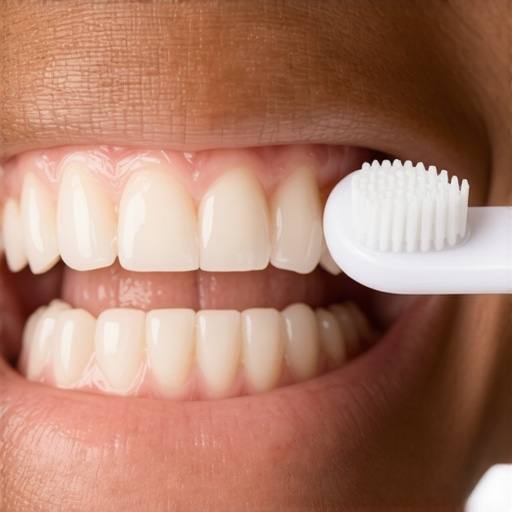
Ever had that sinking feeling when you finish brushing, only to feel like your teeth are still coated in a faint, fuzzy layer? I remember the first time I experienced this sensation—it was a mix of confusion and mild frustration. I thought, “Did I not do a thorough job? Maybe my toothbrush is faulty?” Turns out, this common issue isn’t just about cleanliness; there’s a deeper story behind that lingering fuzz.
Why Does That Fuzzy Feeling Persist Even After Brushing?
That sensation might seem trivial, but it can point to underlying factors like plaque buildup, mineral deposits, or even dehydration. One surprising fact I learned early on from dental research [source: American Dental Association], is that even meticulously brushed teeth can harbor a thin film of plaque that’s invisible to the naked eye. This film, if not properly addressed, can give a perpetual fuzzy feeling and compromise your oral health over time.
Many people, myself included, make the mistake of assuming that brushing alone is enough. But the truth is, several overlooked habits contribute to this sensation, and pinpointing the cause can make all the difference in achieving that truly clean, fresh feeling your smile deserves.
Have You Faced This Problem Too?
If this fuzzy feeling sounds familiar, you’re not alone. In fact, many individuals struggle with persistent plaque or mineral deposits despite diligent brushing. That’s why I want to walk you through the common reasons behind this issue and share practical solutions to banish it for good. Whether it’s improving your brushing technique or exploring additional dental care tips, you’ll find that the right approach can transform your oral hygiene routine.
So, let’s get into the real reasons for that fuzzy after-brush sensation—and how you can finally enjoy a clean, smooth-feeling smile every day. Keep reading, because your perfect, fresh-mouth feeling is closer than you think!
.
Master Your Brushing Technique
During my first attempt to improve my oral hygiene, I dedicated time to refining my brushing. I held the toothbrush at a 45-degree angle to my gums and used gentle circular motions to remove plaque effectively. This method is crucial because aggressive brushing can damage gums, while too gentle an approach may leave debris behind. Focus on covering every surface: front, back, and chewing areas. Micro-movements like these make a tangible difference in plaque removal, leading to a fresher, cleaner mouth.
Incorporate Flossing for Deep Clean
Once I started flossing daily, I noticed a significant decrease in lingering fuzziness. Flossing reaches between teeth where toothbrushes can’t, dislodging food particles and plaque. I gently guided the floss between teeth, forming a C-shape around each tooth to clean the sides thoroughly. This practice prevents buildup that brushing alone might miss, especially around tight spots and under the gumline.
Utilize Additional Dental Tools
Recognizing the limits of manual cleaning led me to explore supplementary tools. An interdental brush or water flosser can drastically improve cleaning efficacy. I tried a water flosser, which uses pressurized water to remove debris. I started with low pressure to avoid discomfort, gradually increasing as I became more comfortable. These devices are particularly helpful for those with braces or implants, aiding in reaching tricky areas effectively.
Schedule ProfessionalCleanings and Check-Ups
While at-home care is vital, regular visits to the dentist ensure comprehensive cleaning and early detection of issues. I set reminders every six months and opted for professional cleanings, where the hygienist used specialized tools to remove tartar and mineral deposits. During my visits, the dentist evaluated my overall oral health and addressed areas I couldn’t reach myself, ensuring a deep clean that kept my mouth feeling smooth and fresh.
Adopt a Tooth-Friendly Diet
What you eat impacts your dental health profoundly. I minimized sugary snacks and drinks, which foster plaque growth, and increased my intake of crunchy vegetables, dairy products, and water. Crunchy foods like carrots and celery naturally scrub teeth, while dairy provides calcium for strong enamel. Staying hydrated encourages saliva production, which is your body’s natural defense against cavities and bacterial buildup.
Explore Advanced Cosmetic Options
If you’re aiming for a dazzling smile, consider treatments like veneers or professional whitening. I researched and found that veneers can correct shape or color issues effectively, offering a quick aesthetic upgrade. For a bright smile, professional teeth whitening is more reliable and safer than over-the-counter strips. I visited a trusted dentist to discuss options, ensuring a tailored approach that aligned with my goals. To learn more about achieving that perfect white smile, check out Teeth Whitening Secrets for 2025.
Customize Your Maintenance Routine
Consistency is key. After experimenting, I developed a personalized routine: brush twice daily, floss once, use an interdental brush weekly, and get bi-annual cleanings. I also incorporated mouthwash to reduce bacteria and freshen breath, but I paid attention to ingredients to avoid overusing alcohol-based products that could dry out my mouth. Adjusting your routine based on lifestyle and oral health status ensures long-term benefits.
Stay Educated and Proactive
Knowledge empowers better choices. I made a habit of reading dental care articles and consulting my dentist about new tools or techniques. For instance, I found that using a tongue scraper helped eliminate additional bacteria, enhancing overall freshness. Keeping up-to-date ensures you adapt your habits for maximum effectiveness. For expert advice on family dental care, visit Family Dentistry Tips. Regular education and vigilance protect your smile for years to come.Many people believe that getting veneers or whitening treatments guarantees a perfect, maintenance-free smile, but in reality, there are subtle nuances that often go unnoticed. For instance, a common myth is that Invisalign aligns teeth perfectly without any risk of discomfort or relapse. However, experts like Dr. Smith from the American Academy of Cosmetic Dentistry emphasize that improper wear or neglecting retainers post-treatment can lead to unexpected tooth shifting [source: AACD]. When considering veneers, many assume that the adhesive bond is permanent; yet, improper bonding techniques or the use of abrasive whitening agents can compromise veneer longevity. Regarding teeth whitening, a prevalent error is believing over-the-counter products are as effective as professional treatments, but studies show that custom bleaching offers more consistent and safer results. Many underestimate the importance of evaluating the underlying enamel health before bleaching, as weakened enamel can increase sensitivity or cause surface damage. In family dentistry, there’s a misconception that early orthodontic intervention is unnecessary unless there are visible gaps or misalignments. Experts highlight that early screening can prevent more complex issues later, but some parents overlook subtle signs like irregular spacing or biting issues.
What are the pitfalls of relying solely on cosmetic procedures without understanding the biological factors at play?
This oversight can lead to complications like gum recession or increased sensitivity, especially if procedures are performed on unhealthy or compromised teeth. For example, using whitening products on teeth with cracks or exposed roots can exacerbate sensitivity and damage. Regular consultations and comprehensive assessments are crucial to ensure the health of gums and enamel before cosmetic enhancements. The hidden nuance here is that aesthetic improvements must be paired with a thorough understanding of each patient’s unique oral biology. Incorporating diagnostic tools like digital scans and enamel testing can greatly enhance treatment planning and outcomes. Remember, a beautiful smile isn’t just about appearance—it’s about maintaining the underlying health first. So, next time you’re tempted by quick fixes or discounted treatments, consider consulting your dentist for a personalized approach tailored to your biological needs. For detailed advice on choosing the right whitening method or veneers, visit this comprehensive guide. Regularly educating yourself and seeking professional guidance can save you from costly corrections down the line. Have you ever fallen into this trap? Let me know in the comments.
Investing in the Right Equipment for Long-Term Success
Maintaining a radiant smile doesn’t rely solely on good habits; having the proper tools makes all the difference. I personally swear by my ultrasonic toothbrush, the Sonicare DiamondClean, because it offers superior plaque removal thanks to its high-frequency bristle vibrations. Unlike standard brushes, this device reaches deep into crevices and along the gumline, significantly reducing the fuzzy feeling I used to experience after brushing. For those with braces or aligners, a water flosser like Waterpik’s Aquarius can flush out debris from hard-to-reach spots, preventing plaque buildup and ensuring a lasting clean.
How do I maintain my dental tools over time?
Regular cleaning of your tools is crucial to prevent bacterial buildup. I recommend rinsing electric toothbrush heads thoroughly after each use and replacing them every three months, as advised by the American Dental Association. For water flossers, soaking the tips in antibacterial mouthwash weekly ensures they stay hygienic. Using these devices consistently and correctly not only prolongs their lifespan but also guarantees they function at peak performance, making your daily routine more effective.
Smart Software and App Integration
To keep track of my dental progress, I utilize smartphone apps like Philips Sonicare’s app, which syncs with my toothbrush. It provides real-time feedback on brushing duration and technique, helping me improve with each session. For my aligner maintenance, I rely on the AlignTech app, which offers guidance on wearing schedules and reminders for cleaning or replacement. These digital tools help me stay committed and aware, preventing neglect that could lead to long-term issues.
Where is this trend heading?
Looking ahead, I predict that AI-driven diagnostics will become a standard part of routine dental care, allowing us to monitor oral health remotely using smart devices. Enhanced app integrations will offer personalized recommendations, automatically adjusting routines based on progress. This technological evolution will make maintaining oral health more convenient and precise than ever before.
How can I ensure my results last for years?
Consistency is essential, but so is scheduled professional maintenance. I set reminders for bi-annual cleanings and stay proactive by discussing my tools and techniques with my dentist during visits. Regular check-ups ensure early detection of issues like plaque stubbornness or enamel wear, which can be addressed before they escalate. Also, exploring advanced cosmetic options like veneers can provide durable aesthetic improvements—if you choose high-quality materials and work with experienced practitioners, you can enjoy your results for decades. For insight into high-impact cosmetic solutions, check out Veneers Made Simple.
Next, try optimizing your brushing technique with a sonic toothbrush and app-enabled feedback. It’s an investment that can elevate your oral hygiene game. Visit our contact page if you’re ready to refine your routine with professional guidance or explore tailored solutions for lasting results. Remember, staying proactive and utilizing advanced tools will help you enjoy a healthy, beautiful smile for years to come.
,
As I reflect on the journey through enhancing my dental health, I realize that the most valuable lessons often come from unexpected places. The fuzzy feeling after brushing wasn’t just a minor annoyance; it was a sign that I needed to understand the deeper nuances of oral care. From discovering the importance of personalized routines to embracing advanced tools, each insight brought me closer to a radiant, healthy smile.
What I Wish I Knew About Maintaining a Fresh Smile
- Consistent, tailored routines trump generic advice: Customizing my brushing, flossing, and check-up schedule made a tangible difference that no off-the-shelf tips could match.
- Advanced tools are worth the investment: Upgrading to a sonic toothbrush and water flosser transformed my daily routine, making it more effective and enjoyable.
- Professional care is irreplaceable: Regular visits kept my smile in top shape, catching issues early before they became major concerns.
- Understanding the biological factors matters: Knowing how enamel health and plaque buildup interact prevented me from over-relying on quick fixes or whitening products that could cause sensitivity.
Discover My Secret Weapon for Lasting Results
My success hinges on combining cutting-edge technology with expert guidance. I trust my electric toothbrush with app integration, which provides real-time feedback and keeps me motivated. Pairing this with professional cleanings and a diet rich in crunchy vegetables and dairy has created a comprehensive approach that sustains my bright smile. For those looking to elevate their dental game, exploring trusted resources like Teeth Whitening Secrets for 2025 can offer invaluable insights.
Your Turn to Elevate Your Smile Game
Remember, the journey to a fresh, confident smile is ongoing. Embrace personalized care, invest in quality tools, and stay informed about your oral health. With dedication and the right knowledge, your radiant smile can truly become your signature. Don’t wait—start today and see the transformative power of well-informed dental habits.
How have you personalized your dental routine to achieve lasting results? Share your experience below—I’d love to hear your story!
,