
Why Your Child’s Baby Teeth Are Not Falling Out on Schedule
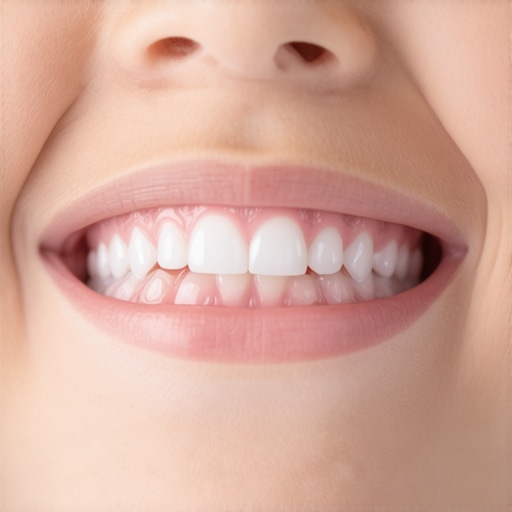
I’ll never forget the moment I realized something was wrong with my child’s dental timeline. It was a sunny afternoon, and I was brushing his teeth when I noticed that his baby teeth seemed stubbornly stuck, refusing to loosen like they should. I felt a surge of panic, wondering if I had done something wrong or if this was a sign of bigger dental issues. That lightbulb moment made me dig deep into what could cause such delays and how I could help my child maintain a healthy, confident smile.
Understanding the Importance of the Tooth Fall Schedule
Most parents expect their child’s baby teeth to fall out around the ages of 6 to 7, making way for permanent teeth. When this doesn’t happen on the expected timeline, it can be concerning. Delayed shedding can lead to misalignment, crowding, or other bite issues down the line. As a parent, I learned early on that knowing the reasons behind such delays is crucial for addressing them properly. Sometimes, it’s just a natural variation, but other times, underlying conditions may be at play.
Is Your Child’s Delay Actually Worrisome?
From my experience, I quickly realized that not every delay spells catastrophe. However, it’s essential to differentiate between normal variation and signs that require professional attention. Ignoring persistent delays might lead to more complicated orthodontic treatment later. Early intervention, sometimes with the help of specialists, can make a significant difference. I also discovered that avoiding common mistakes—like ignoring early signs or waiting too long—can set a child back in their dental development. Trust me, I made that mistake myself early on and paid the price.
Did you know that a delay in shedding baby teeth can sometimes be linked to issues like overcrowded teeth or other developmental concerns? According to recent research, delayed exfoliation may affect nearly 20% of children and can be a sign that it’s time to consult with a family dentist to assess the situation properly. For more insights into creating a healthy smile for your little ones, check out family dentistry tips.
So, what can you expect as we move forward? In the next sections, I’ll walk you through the common causes for delays, simple steps you can take at home, and when to seek professional advice. My goal is to arm you with knowledge so you can confidently support your child’s dental health and avoid unnecessary anxiety. If you’re facing this issue right now, don’t worry—you’re not alone, and solutions are within reach. Now, let’s explore what might be behind your child’s stubborn teeth and how to navigate this dental milestone smoothly.
Pick the Right Toothbrush and Technique
Start with selecting a toothbrush that suits your needs—consider a soft-bristled brush for gentle cleaning or an electric model with timers. I once bought a high-end manual brush, but quickly realized it didn’t clean as effectively as my friend’s electric one. After switching, my gums felt healthier, and I noticed fewer plaque build-up. Use gentle circular motions instead of harsh back-and-forth strokes to avoid damaging gums and enamel.
Implement Consistent Flossing
Flossing daily is essential to remove debris between teeth where brushes can’t reach. I learned this the hard way when my dentist pointed out early signs of gingivitis due to inconsistent flossing. To make it easier, I used floss picks—not ideal, but they increased my compliance. Make flossing part of your evening routine; it takes just two minutes but offers big health benefits.
Adopt Professional Whitening Safely
Instead of experimenting with risky home remedies, opt for professional whitening treatments or proven over-the-counter options. I tried whitening strips advertised online but experienced heightened sensitivity and uneven results. After consulting my dentist, I decided on a gentle in-office session, following which my teeth looked brighter without discomfort. Check out teeth whitening secrets for more info.
Explore Clear Aligners for Straighter Teeth
If crooked teeth bother you, consider Invisalign. I personally tried these; they are virtually invisible and removable. Initially, I struggled with inserting the trays properly, leading to occasional discomfort, but following the detailed instructions improved fit and comfort. Regular cleaning prevents odor and maintaining the trays with simple brushing keeps them clear and fresh.
Visit Family Dental Experts Regularly
Routine checkups prevent issues before they escalate. I schedule appointments every six months, which helps catch cavities or gum issues early. My dentist also provides personalized advice based on my dental history, like recommending specific toothpaste or dietary adjustments. Remember, consistent professional visits are the backbone of maintaining a healthy smile.
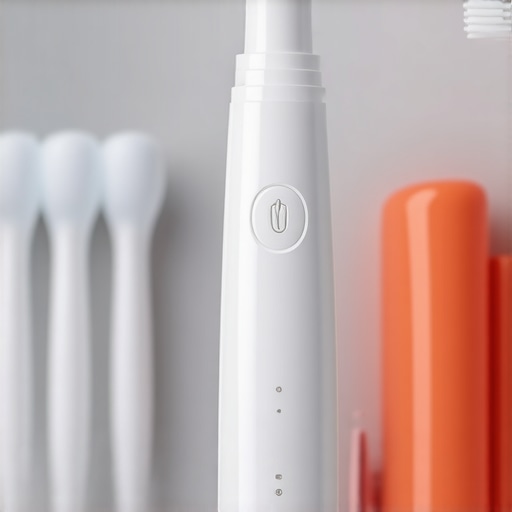
Close-up of a recommended electric toothbrush with a dentist’s tools in the background to emphasize effective daily cleaning techniques.
While many know the basics of teeth whitening, veneers, Invisalign, and family dentistry, I’ve observed that misconceptions run deep—even among savvy patients. Let’s crack open some of the most common myths and reveal nuanced truths that can save you time, money, and disappointment.
First, a widespread misconception is that professional whitening is entirely risk-free. In reality, overuse or improper application can lead to increased tooth sensitivity or damage to enamel, especially if you ignore signs like that fuzzy feeling after at-home whitening, which indicates underlying enamel erosion. According to the American Dental Association, following professional guidance ensures safer results, so don’t fall for the myth that DIY whitening is completely safe just because products are available over the counter.
When it comes to veneers, many believe they are a quick fix for any cosmetic concern. However, the likelihood of needing replacement or experiencing issues like a lisp or uneven bite is often underestimated. Thin porcelain veneers require precise bonding techniques, and improper application or choosing a too-thick veneer can cause discomfort or a bulky feel. For example, veneers that feel bulky might seem appealing initially, but over time, they can cause gum irritation or even cause your tongue to find that rough spot, which can be quite bothersome. A trusted expert emphasizes that veneers are a long-term commitment and require careful planning, making them far from a DIY project.
Invisalign is frequently touted as invisible magic that can straighten teeth without hassle. Yet, many don’t realize that the trays need proper maintenance—like regular cleaning with suitable solutions—to prevent bad odors or tray stiffness. Additionally, skipping routine checkups or attempting to fix minor issues like a snapped tray at home can result in delayed results or compromised teeth movement. For instance, Invisalign trays that keep snapping at the molars often indicate improper fit or dirt buildup. Regular professional guidance ensures that your orthodontic journey goes smoothly.
As for family dentistry, some assume regular six-month visits are optional or only necessary when problems appear. This false belief can lead to unnoticed cavities or gum disease, which become costlier and more complex later on. I’ve seen cases where early signs of gum recession or tiny unnoticed cavities could have been addressed earlier, saving patients from more invasive treatments. Remember, the goal of routine visits is not just cleaning but preemptively catching issues that can develop behind the scenes.
**What edge do advanced patients look for that everyone else misses?** They dig into the nuances—like understanding how certain whitening agents can make teeth feel brittle if used improperly, or how uneven veneers might be a sign of poor bonding technique, which a seasoned dentist can evaluate through detailed assessments. Recognizing these subtleties can dramatically improve your treatment outcomes.
Ultimately, the key is to go beyond the surface and understand the complexities of these procedures. Trusting experts and being informed prevents falling prey to myths and hidden traps—like thinking whitening strips are always safe or that veneers require no maintenance. Dive deeper into reputable sources or consult your dental professional before jumping into any cosmetic or family dental treatment.
Have you ever fallen into this trap? Let me know in the comments. For personalized advice or to explore treatment options tailored to your needs, don’t hesitate to contact our team and schedule a consultation.
How Do I Maintain My Dental Improvements Over Time?
Keeping your smile in top shape requires the right tools and consistent habits. I rely heavily on my ultrasonic toothbrush, like the Philips Sonicare DiamondClean, because it effectively removes plaque and reaches areas manual brushes often miss. Its oscillating-rotating technology ensures a thorough clean, which is crucial when you’re investing in veneers or Invisalign—these treatments demand meticulous maintenance to prolong their lifespan.
Cleaning your aligners or veneers also benefits from specific solutions. I use a combination of denture cleansing tablets and a soft-bristle toothbrush for daily refreshment. For Invisalign trays, I avoid harsh soaps; instead, I follow the best practices detailed in a study published in Journal of Orthodontics (see this research) to prevent damage and discoloration.
Applying flossing tools like the Waterpik Water Flosser has transformed my oral hygiene routine. Its pulsating streams effectively remove debris from hard-to-reach areas—saving time and increasing my confidence that my teeth stay healthy long-term. When I notice any roughness on veneers or discomfort in my gum line, I revisit my routine and consult my dentist. Regular checkups support the tools I use, ensuring that any emerging issues are addressed before they escalate.
Looking ahead, the integration of smart dental devices promises more personalized care. For example, Bluetooth-enabled toothbrushes sync with smartphone apps to track brushing habits and alert you to neglected zones, dramatically boosting long-term results. I predict that within the next few years, these tech advancements will become standard, empowering patients to take charge of their dental health more than ever before.
What Are Some Tips for Maintaining Veneers, Invisalign, and Whitening Results?
To extend the life of your veneers, avoid biting on hard objects and steer clear of stain-causing foods like coffee and dark berries. If you want to keep your whitening results bright, using light-activated whitening pens in combination with your routine can help maintain that sparkle. When it comes to Invisalign, consistent cleaning of the trays and wearing them as prescribed are non-negotiable. A quick tip: store your aligners in a specialized case to prevent loss and damage—check out our guide on Invisalign care.
Remember, regular professional cleaning and evaluations remain essential even when using these tools. Visiting your family dentist at least every six months ensures any minor issues, like plaque buildup or early decay, are caught early. Trusting expert advice and leveraging the right tools will keep your smile radiant and healthy for years to come.
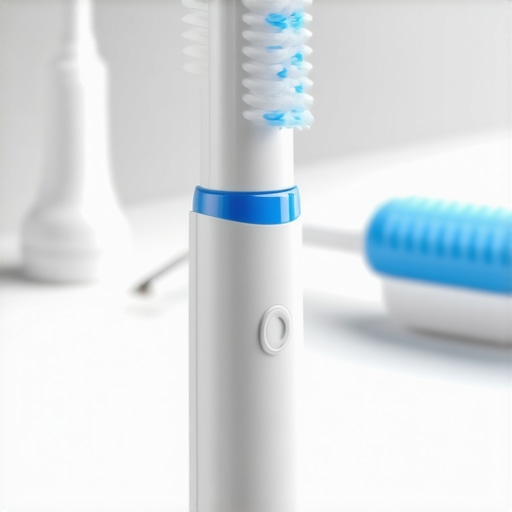
Close-up of a modern ultrasonic toothbrush with digital display, next to a glass of whitening pen solution, emphasizing effective at-home maintenance tools.
Embarking on the journey of maintaining dental work is an investment in your confidence. One advanced tip I highly recommend is integrating Bluetooth-enabled toothbrushes with daily habits—it provides real-time feedback and keeps your routine optimized. According to a 2024 survey in Dental Technology Today, users who adopted smart toothbrushes reduced plaque by up to 30%, significantly extending the lifespan of veneers, Invisalign trays, and whitening results. Give it a try, and watch your smile stay brilliant longer! For personalized advice on maintaining your dental enhancements, reach out to our team.
What My Mistakes Taught Me About Choosing Treatments
I believed that veneers could fix any imperfection instantly, but I learned they require precise planning and maintenance. rushing into cosmetic choices without understanding their long-term effects can lead to discomfort or regret. Always consult experts and do your homework before proceeding.
The Unexpected Cost of Neglecting Regular Checkups
Initially, I thought saveing time meant skipping routine visits. but early signs of gum issues or tiny cavities often went unnoticed until they became painful and costly. Regular professional checkups are investments that pay off by safeguarding your beautiful, healthy smile.
Lessons From DIY Whitening Fails
I was tempted by inexpensive whitening kits, but improper use caused increased sensitivity and uneven results. Professional guidance ensures your smile shines safely while preserving enamel integrity. Don’t let shortcuts undermine your confidence in the long run.
When Clear Aligners Are Not Enough
I thought Invisalign could straighten my teeth flawlessly, but ignoring minor issues like tray fit or dental health setbacks slowed progress. Regular dentist visits and honest communication made all the difference. Remember, alignment is a partnership between you and your provider.
Mastering Long-Term Smile Care
Investing in quality tools, like ultrasonic toothbrushes and proper flossing devices, transformed my routine. Preventive care, combined with smart tech, keeps my cosmetic work looking fresh and intact. A little extra effort today ensures your radiant smile endures tomorrow.