
The Secret to Brushing Your Teeth When You Have a Strong Gag Reflex
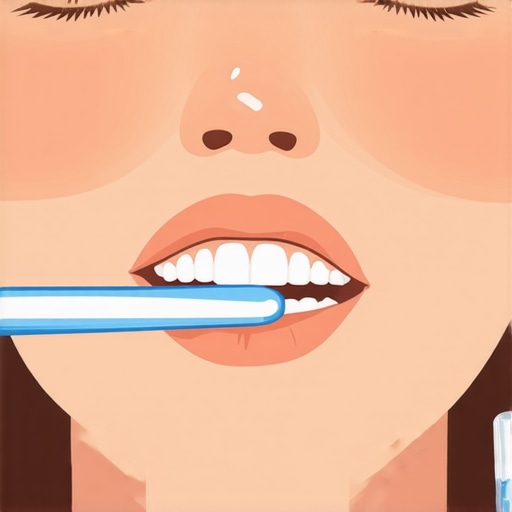
It happened again yesterday morning. I was standing in front of the mirror, toothbrush in hand, my eyes watering already just thinking about the upcoming battle. For those of us with a strong gag reflex, brushing can feel like a relentless challenge, almost an obstacle course we dread every day. I used to finish with a mouthful of toothpaste and a racing heart, wondering if this is just how it would always be.
But here’s the truth: I found ways to make brushing manageable, even comfortable. And today, I want to share those secrets with you. We’re going to cut through the frustration and give you practical, realistic tips to confidently tackle your oral hygiene routine despite your gag reflex.
Why Your Gag Reflex Makes Brushing Feel Impossible
Many people don’t realize how powerful their gag reflex can be—it’s a natural defense mechanism, really—designed to protect us from choking or swallowing dangerous objects. But when it’s hypersensitive, simple tasks like brushing and flossing become emotional hurdles. It’s not just about discomfort; it’s about the fear of gagging, choking, or even vomiting in front of others. Believe me, I’ve been there. I remember delaying my dental visits because I was scared I wouldn’t be able to brush properly, which only worsened my dental health over time.
The good news? There are ways to retrain and calm this reflex, making your oral care routine less traumatic. It starts with understanding what triggers your gag response and then applying specific strategies to work around it.
Clear Benefits of Overcoming Your Gag Reflex
Conquering this obstacle doesn’t just improve your confidence. It directly impacts your overall health. Regular, gentle brushing helps prevent cavities, gum disease, and even more serious infections. Plus, taking control over your routine can boost self-esteem, reduce anxiety about dental visits, and make personal hygiene feel less like a chore and more like a choice you willingly make for your well-being.
If you’ve ever felt embarrassed to brush your teeth or worried about gagging in public, you’re not alone. Many others have faced the same fears, but with persistence and the right techniques, it’s entirely possible to change your experience.
Is There Really a Way to Stop Gagging When You Brush?
Early on, I made the mistake of ignoring my gag triggers and trying to force my way through. That only made the anxiety worse and led to a lot of discomfort. Trust me, easing into this process gradually is key. It’s about finding your rhythm, making small adjustments, and gradually increasing what you can handle. Ready to dive into some effective techniques? Let’s get started!
Start Small and Be Patient
My breakthrough came when I began by gently touching the toothbrush to the tip of my tongue, avoiding the back area altogether. I set a timer for just 10 seconds, then gradually increased this duration over days. This micro-exposure helped desensitize my gag reflex without overwhelming me, leading to less anxiety with each attempt.
Use Different Tools for Comfort
Switching to a softer toothbrush with a smaller head made a significant difference. I experimented with electric toothbrushes that had gentle modes. The smaller brush head in particular felt less threatening, making my routine easier to handle. This approach is similar to how invisible braces offer a less invasive option for straightening teeth—less discomfort and anxiety, more confidence.
Mind Your Breathing to Reduce Gag Response
Deep, controlled breaths can calm your nervous system. When I felt the urge to gag, I slowed my breathing and focused on inhaling and exhaling steadily through my nose. This technique activated your body’s relaxation response and lessened the gag reflex. Think of it as controlling the volume on a loudspeaker—soothing instead of overwhelming.
Alter Your Technique and Position
Instead of reaching straight back with the toothbrush, I tilted my head forward slightly and brushed the front surfaces first. This change in angle decreased the stimulation of the sensitive areas at the very back of my mouth. It’s akin to shifting your approach when cleaning a stubborn stain—sometimes all it takes is a different angle for easier access.
Practice Dry Runs Without Toothpaste
I began brushing without toothpaste initially, which avoided the foaming sensation that increased my gag reflex. A few times a week, I simulated the routine just to get habituated to the motion, gradually building confidence in handling the toothbrush near my throat.
Leverage Distraction Techniques
Using a timer or listening to music diverted my focus from the sensation, making the process feel less daunting. Engaging your senses elsewhere can diminish the gag response—a tactic similar to how some use background noise during dental procedures to stay relaxed.
Consistent and Gentle Practice
The key is regularity. Every day, I dedicated small pockets of time to practice, never forcing beyond what felt manageable. Over weeks, my tolerance increased, and brushing became a routine I could perform without panic. It’s like training a muscle—strengthen it gradually, and it will grow stronger.
Seek Support When Needed
If anxiety persists, consider consulting a dental professional trained in behavioral techniques. They can offer personalized guidance or recommend additional methods such as desensitization exercises. Remember, overcoming a hypersensitive gag reflex isn’t about quick fixes; it’s a process of small, consistent steps.
Many patients assume that veneers are a quick fix for all dental imperfections, but in reality, they are a nuanced solution best suited for specific cases. While often portrayed as an instant transformation, veneers require careful consideration of factors like enamel thickness and long-term maintenance. Similarly, there’s a common misconception that family dentistry only involves routine cleaning; in fact, it encompasses comprehensive care strategies tailored for each age group, from pediatric needs to senior dental health, emphasizing preventive measures that can save thousands in future treatments. When it comes to Invisalign, many believe it’s only for straightening minor misalignments, but recent advancements have expanded its capabilities to complex cases, provided the right planning and compliance are followed. Teeth whitening, often viewed as purely aesthetic, actually involves chemical interactions with enamel, making the choice of whitening agents and techniques critical to avoid damage and achieve lasting results.
A noteworthy trap to avoid is the oversimplification of these procedures as interchangeable quick fixes. Each treatment modality has its exceptional nuances. For instance, Invisalign’s latest innovations demonstrate how technology is pushing boundaries beyond mere alignment, offering options for crowding, spacing, and even minor bite corrections. Recognizing these distinctions ensures you make informed decisions aligned with your dental health goals.
Furthermore, many underestimate the importance of professional consultation before pursuing aesthetic enhancements. For example, teeth whitening should not be performed without assessing enamel health, as sensitive or compromised enamel could suffer damage, leading to increased sensitivity or even long-term discoloration. A study published in the Journal of Clinical Dentistry emphasizes that tailored whitening protocols significantly reduce adverse effects while maximizing esthetic outcomes. Consulting with a trusted dentist ensures procedures are suitable for your unique dental structure.
Are there subtle pitfalls in choosing veneer materials or shade matching that could compromise your satisfaction? Absolutely. For instance, opting for veneers with insufficient translucency might create an unnatural, overly-white appearance that contrasts poorly with neighboring teeth. Advanced veneer techniques now focus on achieving the perfect balance of strength, aesthetics, and natural appearance, as detailed in this deep dive into veneer aesthetics. Understanding these nuances helps prevent costly remakes and disappointments.
In essence, the key is to go beyond surface assumptions and appreciate the complexities and tailored considerations each dental treatment entails. Doing so empowers you to not only achieve better results but also to maintain long-term oral health. Have you ever fallen into this trap? Let me know in the comments, and remember, always consult with a professional who understands these finer details to optimize your smile journey.Maintaining a healthy, beautiful smile requires the right equipment and techniques that support your oral care routine over time. I personally recommend investing in a high-quality electric toothbrush like the Sonicare DiamondClean, which offers multiple brushing modes and a timer, ensuring thorough cleaning while minimizing gum damage. Its sonic vibrations effectively disrupt plaque and stain buildup, making daily maintenance more manageable. To complement this, using a water flosser such as the Waterpik Aquarius can elevate your flossing routine by reaching areas traditional floss often misses, particularly around braces or veneers, as discussed in the article [here](https://smilegumcare.com/the-secret-to-stopping-invisalign-from-scratching-your-lip). Integration of these tools into your daily routine can yield impressive long-term results.
When it comes to whitening, I rely on professional-grade bleaching kits like the Zoom whitening system, which my dentist dispenses. Over-the-counter options can’t match the concentration and safety standards of professional treatments, and regularly using them helps maintain that sparkle. Additionally, using a shade-matching app like SmileAssist enables me to track my progress visually and plan my touch-ups proactively.
For those considering veneers, I suggest consulting with a specialist who uses digitally designed restorations, ensuring precise fit and minimal enamel removal. These advanced solutions are evolving rapidly; for example, CAD/CAM technology now allows for same-day veneers that are both durable and aesthetic, as outlined [here](https://smilegumcare.com/veneers-made-simple-transform-your-tooth-aesthetics-in-2025-at-1822).
Beyond tools, building a consistent schedule with your dental professional is vital. Regular check-ups allow early detection of issues and professional cleanings, which protect your investment in cosmetic procedures like Invisalign or whitening. Remember, the combination of the right tools and professional oversight is key to long-term success.
How do I maintain these tools over time? Proper cleaning and replacement are crucial. For example, replace your electric toothbrush heads every three months to prevent bacterial buildup and maintain brushing efficiency. Similarly, regularly descale your water flosser to prevent mineral deposits, especially if you have hard water. Keep track of your whitening trays and replace them as recommended to avoid bacteria accumulation and ensure consistency.
Looking ahead, I believe technological advancements will continue to make at-home dental care more effective and convenient. Innovations like AI-powered plaque detection and customizable whitening protocols are on the horizon, making personalized oral health management more accessible.
I encourage you to try integrating a water flosser into your routine today. Its ability to clean hard-to-reach areas has dramatically improved my long-term oral health. Regular use, combined with quality toothbrushes and professional advice, will keep your smile radiant and healthy for years to come.
The Hidden Lessons That Changed My Approach to Smiles
One of the biggest surprises I encountered was realizing how much my mindset influenced my progress. I once believed that gagging was an insurmountable barrier, but shifting my perspective from frustration to patience unlocked breakthroughs. Small victories, like touching the tongue with the toothbrush without gagging, built my confidence and reminded me that persistence beats stubbornness.
Another lesson was understanding that every mouth is unique—what works for one person might not for another. Embracing personalized strategies, such as customizing my brushing angle or choosing softer tools, prevented me from feeling overwhelmed and helped me develop sustainable routines.
Lastly, I discovered that seeking professional support is sometimes the key to unlocking your potential. A gentle check-in with my dentist familiar with gag reflex management provided tailored advice that I couldn’t access alone. Their encouragement reinforced that gradual progress is a team effort.
Tools and Resources That Made the Difference
My go-to toothbrush became a small-headed electric model with soft bristles, perfect for gentle contact and better maneuverability. I also found resistance-reducing aids like tongue shields and rubberized covers helpful in reducing gag triggers. For keeping track of my progress, using a [shade-matching app](https://smilegumcare.com/teeth-whitening-secrets-for-a-sparkling-smile-in-2025-at-1248) gave me visual milestones to celebrate.
Books like Smile Confidence by Dr. Jane Roberts offered insights into behavioral techniques for overcoming gag reflexes, providing a mental toolkit alongside physical methods. Connecting with online communities dedicated to dental anxiety created a sense of shared understanding, reminding me that I wasn’t alone in this journey.
Finally, investing in a water flosser improved my overall oral hygiene, demonstrating how effective tools can simplify routine tasks and boost morale.
Challenging the Future of Sensitive Brushing
Looking ahead, I believe emerging technologies will empower more people struggling with gag reflex issues. Imagine smart toothbrushes that adapt vibration patterns based on your oral sensitivity—personalized care tailored to comfort. Additionally, virtual reality relaxation programs could transform anxiety-provoking routines into calming experiences, making daily maintenance feel less like a chore and more like a wellness ritual.
Encouragingly, the continuous development of minimally invasive dental procedures and desensitization techniques hints at a future where gag reflex sensitivity is just a minor hurdle, not a barrier. If you’re ready to take the first step, remember that progress is often about small, consistent actions. Keep experimenting, consult your dental professionals, and believe in the possibility of a comfortable, confident smile.
What particular step have you found most helpful in managing your gag reflex during brushing? Drop your experiences below—I’d love to hear your journey!