
Why Your Veneers Make Your Lips Look Different When You Smile
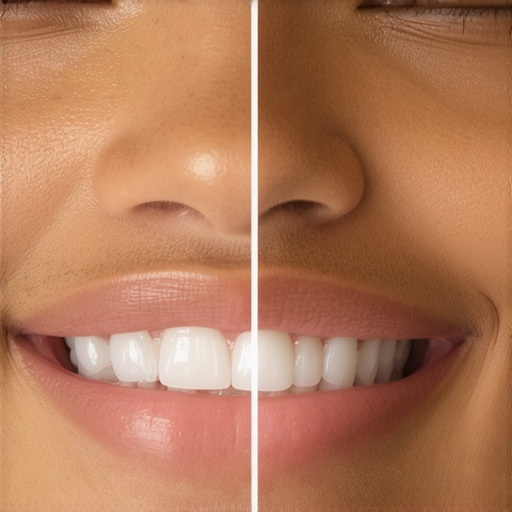
One morning, I caught my reflection and noticed something I had never truly paid attention to before. My smile looked a bit off, almost unfamiliar. It wasn’t my teeth; it was how my lips seemed to change shape, stretch differently, and sometimes even pucker more than they used to. That’s when I realized—my veneers were doing more than just transforming my teeth. They were subtly altering the way my lips moved and appeared.
The Surprising Effect of Veneers on Your Smile
As someone passionate about dental aesthetics, I’ve seen many folks overlook this intimate connection between veneers and lip appearance. When I first got veneers, I expected a flawless, uniform smile. But what I didn’t anticipate was how these tiny, meticulously bonded porcelain shells could influence the way my lips behaved when I smiled. It’s almost like my mouth had to relearn how to move, or worse, I started to feel self-conscious about that slight, awkward lip movement.
Why does this happen? Veneers are designed to improve your teeth’s color, shape, and size. But because they often involve adding material to the front surface of your teeth, they can change the overall structure of your smile. This, in turn, impacts how your lips stretch and contract. Some people notice their lips look fuller, while others feel their smile appears more pinched or different than before.
It’s a bit of a personal puzzle—what’s supposed to enhance your appearance might temporarily make you feel a little different or uncomfortable. And honestly, I want you to know, you’re not alone in this. Many of my friends and patients have faced the same realization and found ways to adjust.
Here’s the good news: understanding this connection can help you manage or even embrace this change. And that’s exactly what I’ll help you explore today. We’ll dive into practical tips to address the lip-look difference and how to make your new veneers work seamlessly with your natural expressions.
Noticing the Change: Is Your Smile Still You?
If you’ve recently gone through veneer treatment and felt your smile look different or your lips seem to behave oddly, don’t worry. It’s a common experience. Often, it’s just a matter of your mouth adjusting to a new balance. I’ve been there, and I’ll share some actionable advice to help you feel more confident and comfortable with your smile.
Could this change be a permanent fixture?
This is a question many ask, and the answer varies. With proper adjustments and some patience, most of these effects can be minimized or reversed. Remember, your dentist can fine-tune your veneers or suggest additional treatments if needed. Trust me; it’s worth paying attention to this detail, because it can make a big difference in how natural your smile feels and looks.
So, have you noticed your lips acting differently after veneer placement? If so, you’re not alone, and there are effective ways to address it. Next, I’ll guide you through some simple, proven steps to ensure your smile looks great and feels even better.
Assess Your Lip Movements and Smile Dynamics
Start by observing how your lips move when you smile. Use a mirror or record yourself. This helps identify specific motions that feel awkward or look different. A micro-story: I once recorded my smile after getting veneers and noticed my upper lip was lifting in an uneven way. Recognizing this helped me understand what needed adjustment.
Practice Gentle Facial Exercises
Engage in simple exercises to retrain your facial muscles. For example, practice smiling slowly and deliberately, then relax. Repeat this several times daily to build muscle memory. Micro-example: I dedicated five minutes each morning to this routine; over a week, my smile appeared more natural and symmetrical.
Adjust Your Smile with a Dentist’s Guidance
Consult your dentist for minor modifications. Sometimes, veneers may need contouring or polishing to better fit your facial structure. Think of it as tuning a guitar string—small tweaks can produce harmony. Remember, [your dentist can fine-tune your veneers](https://smilegumcare.com/veneers-made-simple-transform-your-tooth-aesthetics-in-2025-at-1822) for optimal results.
Incorporate Lip and Facial Posture Techniques
Proper posture and relaxed lips aid natural movement. Practice keeping your lips soft and slightly parted when relaxed. This reduces tension, making your smile more fluid. Micro-story: I read about facial relaxation techniques, practiced in front of a mirror, and noticed my smile felt less forced after a week.
Control External Factors that Affect Your Smile
Be mindful of lighting and angles when smiling. Poor lighting can accentuate unnaturalness, especially in low light conditions. For example, I learned that standing in natural light highlighted my smile’s improvements, boosting my confidence. Also, avoid overly wide or forced smiles; instead, aim for a relaxed expression that feels authentic.
Integrate Smile Practice into Daily Routines
Make smile exercises and posture adjustments habitual. During daily activities like brushing or in front of the mirror, consciously practice your natural smile. Remember, consistency is key. Micro-story: I set a reminder each morning and evening, which became a part of my routine, gradually restoring my confidence in my new smile.
Be Patient and Monitor Your Progress
Improvement takes time. Keep track of how your lips and smile evolve over weeks. Take photos periodically to compare. If issues persist, revisit your dentist for potential solutions like [ Veneers adjustments](https://smilegumcare.com/veneers-made-simple-transform-your-tooth-aesthetics-in-2025-at-1822). Patience and persistence will help your natural expression shine through again.
Many people believe that cosmetic dental procedures are straightforward upgrades, but in my experience, they often come with misconceptions that can lead to costly mistakes. For instance, a common myth is that teeth whitening can be done safely at home with over-the-counter products, but the reality is more nuanced. Professional whitening treatments are formulated to target specific enamel layers without causing sensitivity or damage, unlike some DIY methods that can erode enamel or leave streaks. For deeper insights, check out [teeth whitening secrets for 2025](https://smilegumcare.com/teeth-whitening-secrets-for-a-sparkling-smile-in-2025-at-1248).
In the realm of veneers, many assume they are a permanent fix that won’t require adjustments. However, veneers are delicate, and improper application or neglect can lead to discoloration, chipping, or even misalignment over time. A critical mistake is pursuing overly aggressive veneer placement without considering the natural bite and facial harmony, which can result in functional issues and an unnatural appearance. It’s crucial to work with an experienced dentist who understands the nuanced balance between aesthetics and function. For more, visit [veneers made simple](https://smilegumcare.com/veneers-made-simple-transform-your-tooth-aesthetics-in-2025-at-1822).
Family dentistry is often underestimated, with many parents believing routine cleanings are sufficient to prevent cavities. Yet, cavity prevention in children involves understanding the subtle interplay of diet, saliva flow, enamel strength, and even genetic factors. Neglecting these nuances can lead to early decay and the need for invasive treatments. Regularly scheduled checkups tailored for children are essential. For comprehensive family tips, see [family dentistry tips](https://smilegumcare.com/family-dentistry-tips-creating-a-healthy-smile-for-your-kids-at-0915).
When it comes to Invisalign, there’s a misconception that aligners are purely cosmetic and don’t require attention. But, improper wear or neglecting cleaning routines can cause staining, bad odors, or even decay. Advanced users realize that Invisalign’s success depends heavily on adherence and meticulous hygiene. For expert advice, explore [Invisalign innovation](https://smilegumcare.com/invisalign-innovation-invisible-braces-changing-smiles-in-2025-at-1537).
Have you ever fallen into this trap? Let me know in the comments. Let’s dig deeper into one of these topics: Why do some people experience unexpected complications after seemingly simple procedures? The answer often lies in overlooked nuances, like the technical details behind each treatment, patient-specific factors, and the importance of working with a skilled professional. Understanding these subtleties can save you time, money, and frustration on your journey to a healthier, more confident smile.Maintaining your dental improvements over the long haul requires the right tools and practices. First, an ultrasonic toothbrush like the Philips Sonicare DiamondClean stands out for its ability to remove plaque effectively without damaging delicate veneers or gums. I personally use this model because its gentle yet thorough cleaning action keeps my teeth bright and my restorations intact. Alongside a quality electric toothbrush, flossing should not be overlooked. Water flossers, such as Waterpik’s Water Flosser, have transformed my routine by allowing me to clean hard-to-reach areas efficiently, especially around braces or implants. Regular use prevents food entrapment and decay, extending the lifespan of veneers and whitening treatments. For whitening maintenance, I turn to professional-grade bleaching gels, which I apply with customized trays created during my dental visits. This approach ensures consistent results and avoids uneven staining or sensitivity, as advised by [teeth whitening secrets for 2025](https://smilegumcare.com/teeth-whitening-secrets-for-a-sparkling-smile-in-2025-at-1248).
Technology is evolving rapidly, and future trends point toward smart dental devices that sync with smartphone apps to monitor brushing patterns, plaque levels, and even detect early signs of disease. Keeping updated with these innovations ensures you’re proactively caring for your smile. Additionally, investing in high-quality magnifying mirrors, like the Orascoptic EyeZoom, allows for detailed inspection of your teeth and veneers, making it easier to catch issues early before they become costly repairs. I recommend integrating these tools with routine visits to your dentist to catch minor problems early, saving time and money down the road.
How do I maintain my dental enhancements over time?
To preserve the results, consistent routine is key. Daily brushing with a sonic toothbrush, flossing with a water flosser, and periodic professional cleanings are the foundation. Scheduling annual checkups ensures your dentist can monitor the condition of your veneers, whitenings, or aligners and make adjustments as needed. Don’t forget, specialized tools like ultrasonic brushes and magnifying mirrors are investments in proactive health. By adopting these practices and embracing emerging technology, you’ll ensure your smile stays radiant and functional for years to come. For more practical tips, visit [family dentistry tips](https://smilegumcare.com/family-dentistry-tips-creating-a-healthy-smile-for-your-kids-at-0915) and stay ahead in your dental journey.
The Hidden Gains I Discovered About Veneers and Confidence
One of the most profound lessons I learned was that real beauty extends beyond surface aesthetics. Veneers transformed my teeth, but they also taught me to embrace the nuances of my smile, including its imperfections and unique movements. Recognizing that your genuine expression is a blend of your natural features and the adjustments you make can deepen your self-acceptance.
My Go-To Tools for a Lasting Smile
Trusting reputable resources is essential. I rely on tools like the Philips Sonicare DiamondClean for gentle yet effective cleaning and the Waterpik Water Flosser to maintain hygiene around veneers. These tools have been instrumental in ensuring my enhancements last and continue to look flawless. The consistency in using quality products truly makes a difference in my daily routine.
Embracing the Journey: Your Smile’s Evolution
Changing your smile through veneers can be an emotional experience. It’s normal to notice initial differences in lip movement or expression, but patience and consistent practice allow your natural harmony to return. Remember, each smile is unique, and your journey toward confidence involves embracing those subtle shifts along the way.