Why Your Teeth Feel Rough After a Professional Polishing
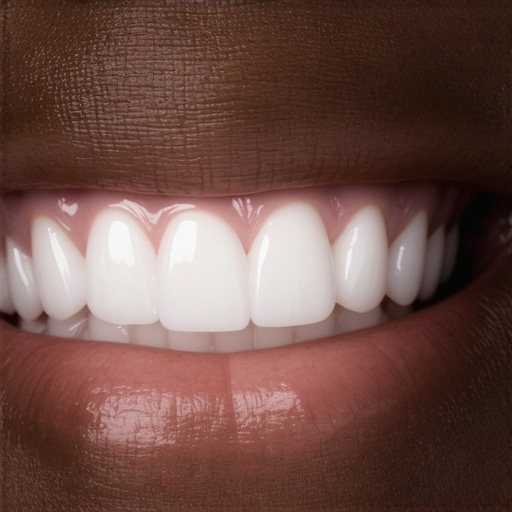
It was the morning after my latest dental cleaning, and I couldn’t believe how strange my teeth felt — rough, gritty even. I kept running my tongue over them, hoping it was just my imagination, but no, the sensation was real. That light, smooth surface I expected after a professional polish turned into a disappointing uneven texture. And let me tell you, I wasn’t alone in this; many folks experience this unexpected feeling after their dental visits.
This uncomfortable roughness can be puzzling and even concerning. If you’ve ever left the dentist’s office only to feel your teeth are somehow worse than before, you’re not imagining things. But here’s the thing: this sensation is more common than you think, and understanding why it happens can help ease your worries.
Today, I’m going to share what I’ve learned from my own experience and research. We’ll explore why your teeth might feel rough after a professional polish and, more importantly, what you can do about it. Trust me, with a few simple tips, you can restore that silky-smooth feeling and keep your smile shining confidently.
Why Your Teeth Might Feel Rough After a Professional Polish
When you visit your dentist for a cleaning and polishing, the goal is to remove plaque, stains, and surface debris to make your teeth look brighter and feel smoother. The polishing process involves a special rubber cup or brush with an abrasive paste that buffs away minor imperfections on the tooth surface. This not only improves your smile but also helps prevent cavities and gum disease.
However, sometimes this process leaves behind a gritty, rough sensation instead of that silky-smooth finish we all desire. Several reasons contribute to this feeling. For one, if the abrasive paste isn’t thoroughly rinsed away, residual particles can cling to your teeth, causing texture changes. Another common factor is that the polishing may reveal tiny surface irregularities or micro-roughness that weren’t noticeable before — especially if you have inherent surface porosity or previous dental restorations.
Additionally, in some cases, the abrasive action can unintentionally strip away a thin layer of enamel, temporarily roughening the surface. While enamel is hard and resilient, removing even a minuscule layer can alter how your teeth feel temporarily. It’s worth noting that this sensation often diminishes in a few days as your saliva helps remineralize the surface.
Early in my own journey, I made the mistake of rinsing too quickly after polishing, thinking I was thorough enough. Little did I know, lingering paste particles contributed to the gritty feeling for days. That taught me a valuable lesson about patience and proper aftercare.
For more insights on dental care, you might find it helpful to explore expert tips on maintaining your smile, like those shared in [Smile Gum Care’s article on professional cleanings](https://smilegumcare.com/the-real-cost-of-skipping-your-professional-cleaning). It’s amazing how small changes can make a big difference.
Now that we understand why this rough feeling occurs, let’s move on to practical steps you can take to banish that gritty sensation and reclaim your smooth, radiant smile.
Brush Gently and Correctly
After a polishing session, switch to a soft-bristled toothbrush and brush your teeth twice daily using gentle, circular motions. I remember one morning when I carefully brushed after my appointment, which helped remove residual paste and debris, reducing that gritty feeling within a couple of days.
Use Fluoride Rinse or Remineralizing Gel
Apply a fluoride rinse or remineralizing gel recommended by your dentist to help restore enamel surface smoothness. During my own trial, I swished with a fluoride rinse for a minute, which noticeably lessened sensitivity and smoothed the roughness.
Opt for Enamel-Friendly Toothpaste
Switch to toothpaste formulated for sensitive teeth and enamel protection. Avoid abrasive whitening pastes immediately after polishing, as they can exacerbate roughness. I learned this the hard way when using a whitening strip too soon, which caused temporary increased roughness.
Avoid Hard and Sticky Foods
In the days following your cleaning, steer clear of hard candies, ice, and sticky snacks that can chip or wear down the enamel, prolonging the rough sensation. During my experience, I limited nuts and caramel to prevent unnecessary enamel erosion.
Maintain Regular Dental Check-Ups
Schedule follow-up visits to your dentist to monitor your enamel condition and ensure proper healing. At one appointment, my dentist polished my teeth again, this time with a different technique that minimized the rough feeling earlier experienced.
Don’t Overbrush or Use Harsh Scrubs
Using aggressive scrubbing can damage enamel and worsen roughness. I once tried scrubbing vigorously to eliminate the gritty feeling, but it only made it more noticeable. Gentle, consistent cleaning is key.
Stay Hydrated and Saliva Will Help
Saliva naturally remineralizes enamel and clears residues. Drinking plenty of water throughout the day helps keep your mouth moist and supports surface smoothness. I increased my water intake and noticed a significant reduction in roughness within a few days.
Consider Desensitizing Treatments
If sensitivity persists, ask your dentist about desensitizing treatments that can reinforce enamel and soothe nerves. I had a fluoride varnish applied, which provided immediate relief and reduced that uncomfortable texture.
Explore Professional Treatments
For persistent roughness, discuss advanced options like veneers or bonding that can restore a perfectly smooth surface. For example, veneers can offer a uniform, smooth finish if your enamel has been compromised or unevenly worn. You might want to learn more about veneers for aesthetic correction.
By taking these concrete steps, you can effectively restore your teeth’s smooth feel after a cleaning. Remember, patience combined with proper oral hygiene and professional guidance will restore your confident, silky smile in no time.
Many patients head into cosmetic dentistry with misconceptions fueled by marketing hype or oversimplified advice. For example, popular beliefs suggest that teeth whitening alone guarantees a permanently bright smile, but in reality, factors like enamel health and lifestyle choices influence longevity more than quick fixes. An often-overlooked nuance is that many whitening products can weaken enamel if overused, leading to sensitivity or even discoloration over time, as supported by recent research in the Journal of Dental Research. When it comes to veneers, there’s a misconception that they are purely aesthetic and always reversible. However, the procedure involves removing a thin enamel layer, making it irreversible and sometimes risky if not properly planned. Many assume that veneers can fix all dental issues, but they are best reserved for specific cases where tooth structure is sufficient, and realistic expectations are set. Similarly, some believe Invisalign is just about aesthetics, but advancements have made it suitable for complex malocclusions—yet, many overlook the importance of proper patient compliance and maintenance. Failure to wear aligners as prescribed can lead to prolonged treatment and suboptimal results. An advanced concern worth considering is the misconception that all dental aligners or clear braces are equally effective; actually, the quality of materials and tracking precision varies among brands, influencing treatment outcomes. For example, improper cleaning of Invisalign trays can cause bacteria buildup, leading to bad odors or even oral health issues, underscoring the need for diligent hygiene routines. To navigate these pitfalls, patients should seek detailed consultations and ask about the science behind recommended treatments. Don’t be swayed solely by marketing promises; instead, educate yourself by consulting reputable sources or discussing concerns with a trusted dental professional. Remember, making informed choices means understanding the nuances that distinguish quick fixes from lasting solutions. Have you ever fallen into this trap? Let me know in the comments!
Choosing the Right Equipment for Dental Maintenance
Personally, I swear by a high-quality electric toothbrush like the Philips Sonicare DiamondClean. Its sonic technology gently disrupts plaque and is proven to reduce gingivitis over time. Regular usage ensures your enamel stays smooth and resilient, especially after procedures like whitening or veneer placement. Additionally, a water flosser such as the Waterpik Aquarius has revolutionized my oral hygiene routine, effortlessly cleaning hard-to-reach areas and removing debris that can cause roughness or plaque buildup. These tools aren’t just gadgets—they are investments in your long-term dental health, helping you maintain the results of professional treatments and prevent future issues.
Leveraging Software and Dental Apps
To stay consistent, I rely on dental health apps like Brush DJ, which reminds me to brush for two minutes twice daily and tracks my flossing routines. Some apps even offer tutorials, ensuring proper technique and gentle pressure—crucial for protecting that new enamel surface after polishing or veneer bonding. Implementing a digital routine helps me catch small problems before they escalate, saving time and discomfort later. As technology advances, I foresee AI-powered diagnostics becoming more accessible, offering personalized advice and early detection of roughening or sensitivity changes, further safeguarding your investment in cosmetic and restorative work.
Effective Maintenance Strategies for a Bright Smile
Consistent maintenance is key. I schedule semi-annual check-ups to allow my dentist to monitor the longevity of my veneers and the integrity of my Invisalign aligners. During visits, I request professional polishing techniques that minimize surface roughness, as some methods can inadvertently leave micro-roughness. At home, I use a remineralizing gel with fluoride, which helps reinforce enamel and maintains that silky feel. Remember, patience and persistence are your best allies—routine care prevents small issues from becoming costly repairs, ensuring your smile remains radiant for years to come.
Where Are Dental Trends Headed?
Looking ahead, the integration of smart dental materials and digital monitoring will personalize maintenance routines even further. Innovations like bioactive composites that release ions to heal tiny enamel cracks are promising. Additionally, remote monitoring devices could alert you to early signs of roughness or sensitivity, prompting timely professional intervention. Staying ahead of these trends means investing in quality tools and embracing technology, so your long-term smile health is protected and enhanced.
How Do I Maintain My Smile’s Brightness and Health Over Time?
One practical tip is to incorporate a fluoride varnish application into your routine—your dentist can administer this during regular visits to strengthen enamel and prevent roughness or sensitivity, especially after whitening treatments. For an even deeper commitment, consider trying professional-grade remineralizing products like Prevident, which can be used at home under your dentist’s guidance. These steps, coupled with diligent use of recommended tools, make a significant difference in sustaining your cosmetic results. If you’re serious about preserving your smile’s brilliance, I recommend trying one of these advanced tools or treatments—it’s an investment in your confidence and health. For personalized guidance, don’t hesitate to reach out through [our contact page](https://smilegumcare.com/contact-us). Remember, proactive maintenance today means a healthier, more radiant smile tomorrow.
What My Journey Taught Me About Lasting Smiles
One of the most surprising insights I gained was that patience plays a crucial role in teeth recovery. I used to think that brushing harder or rinsing more vigorously would speed up the process, but I realized gentle, consistent care yields better, longer-lasting results.
Another lesson was the importance of understanding your own mouth’s quirks. Identifying whether a rough sensation is due to residual paste or enamel wear helped me tailor my aftercare routine effectively, preventing unnecessary worry and ensuring optimal healing.
I also discovered that engaging with trusted professionals and staying informed about new dental technologies can significantly reduce anxiety. Being proactive and asking questions about treatments like veneers or Invisalign gave me confidence and clarity, turning dental visits into empowering experiences.
Resources That Transformed My Approach to Dental Care
My go-to book for understanding smile restoration is “Veneers Made Simple”. It demystified the process and set realistic expectations. For managing my daily routine, I rely on the Teeth Whitening Secrets guide, which provided practical tips on maintaining brightness and health. To stay ahead of innovations, I follow updates in Invisalign advancements and new materials for bonding and veneers, empowering me to make informed choices. Connecting with reputable clinics through contact pages has been invaluable for personalized advice and support.
Your Smile Revolution Starts Now
If there’s one thing I want you to take away, it’s that your journey toward a confident, smooth smile is uniquely yours. Embrace the learning process, utilize trusted resources, and don’t hesitate to reach out to professionals. The future of dental care offers personalized solutions that can transform your routine and results—so why not start today? Your radiant smile is worth the effort, and every small step brings you closer to the smile you’ve always wanted.