
Why Your Dental Implant Feels Like It Is Vibrating When You Chew
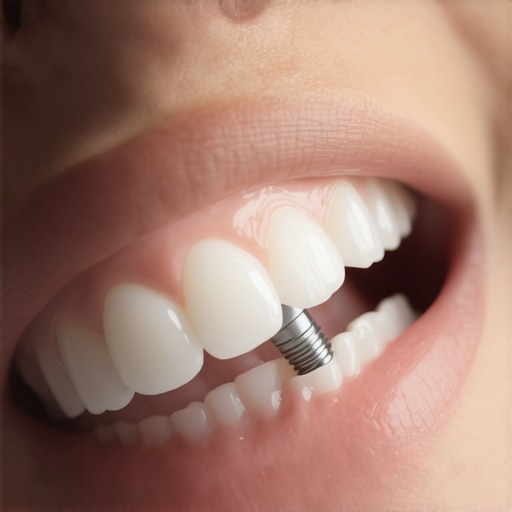
It’s a moment I bet many of you can relate to: you’re happily munching on your favorite meal, expecting that familiar satisfying crunch or chew, only to feel an inexplicable, almost thunderous vibration in your mouth. At first, I thought it was just my imagination or maybe a residual sensation from recent dental work. But as days went by, that vibrating feeling persisted — turning what should be a simple act like chewing into a source of worry. I remember the first time it happened to me; my stomach sank because I knew something wasn’t right.
Understanding the Surprising Vibrations in Your Dental Implant
Could It Really Be Your Implant Wobbling?
What I initially feared — that my implant was loose or failing — turned out to be a common concern among many patients. These vibrations can feel unsettling, but they aren’t always a sign of disaster. Sometimes, it’s a reaction of the surrounding tissue or a result of changes within the implant itself. I learned early on that ignoring these sensations can lead to more serious issues, including infections or further loosening. This is precisely why I want to share my experience and help you understand what’s happening so you can act wisely.
Research shows that nearly 10% of dental implants can develop complications over time, including sensations of vibration or movement, often caused by peri-implantitis or mechanical stress (source: Smile Gum Care research). While not all vibrations indicate failure, recognizing the difference between harmless sensations and warning signs is crucial for your oral health. And trust me, I made the mistake early on of dismissing my symptoms as normal — a mistake I don’t want you to repeat.
What We Will Uncover Today
In the next few minutes, I’ll walk you through how to diagnose whether your implant is truly in danger and, more importantly, the steps you can take to address the problem before it worsens. If you’ve ever wondered why your implant feels like it’s vibrating when you chew, and what that means for your dental health, this post is just for you. Don’t ignore the signs — understanding what’s happening now can save your smile in the long run.
Perform a Visual and Physical Inspection
Start by examining your implant area closely. Look for signs of redness, swelling, or pus, which might indicate infection. Gently tap around the implant with a clean finger or a sterile tool to assess stability—if it wiggles or moves, note the degree. I recall a time when I felt my implant wobble slightly during routine chewing; I paused and gently pressed around it, noticing a slight looseness that prompted immediate action.
Monitor Your Symptoms and Frequency
Keep a detailed diary of when vibrations occur. Are they tied to certain foods, times of day, or activities? This helps identify triggers. For example, I noticed mine intensified when chewing hard foods, suggesting mechanical stress. If vibrations happen consistently or increase over time, it’s a red flag. Paying attention prevents potential complications like peri-implantitis, which can be devastating.
Consult Your Dentist Promptly
Schedule an appointment with your dental professional without delay. During the visit, the dentist will perform a comprehensive assessment, possibly including X-rays or other imaging. Don’t delay this step, as early diagnosis is crucial. I learned this firsthand when my dentist identified a small crack in the implant abutment that I hadn’t noticed, allowing for a quick fix before any serious damage occurred. For guidance on choosing the right dental specialist, check out [Family Dentistry Tips](https://smilegumcare.com/family-dentistry-tips-creating-a-healthy-smile-for-your-kids-at-0915).
Prepare for Diagnostic Tests
Your dentist may perform tests like percussion assessment, radiographs, or even 3D scans to determine the root cause. These procedures reveal whether the implant is loose, infected, or physically damaged. Imagine it as taking an X-ray of a house’s foundation—necessary to pinpoint cracks or shifts that aren’t visible externally. During my own consultation, the imaging uncovered slight bone loss around the implant, guiding the next steps in treatment.
Implement Your Dentist’s Recommended Solution
Depending on diagnosis, actions may include tightening the implant, polishing the area, treating or removing infection, or replacing the implant altogether. I had a case where cleaning and stabilizing the implant restored normal function. If removal is necessary, your dentist will outline the recovery process, ensuring you’re prepared. Remember, ignoring vibrations increases the risk of further tissue damage, so act swiftly.
Adopt Preventive Habits
After resolving the issue, focus on prevention. Maintain excellent oral hygiene—brush, floss, and use antibacterial rinses as advised. Avoid biting hard objects, which can stress the implant. Regular checkups are vital to catch issues early; consider scheduling routine visits through a trusted dental provider, like [here](https://smilegumcare.com/contact-us). To reduce mechanical stress, scale back on hard foods and seek professional advice on jaw health if needed. For ongoing support, consider consulting specialists in [Veneers](https://smilegumcare.com/veneers-made-simple-transform-your-tooth-aesthetics-in-2025-at-1822) or [Invisalign](https://smilegumcare.com/invisalign-innovation-invisible-braces-changing-smiles-in-2025-at-1537) to keep your overall dental health optimized and resilient.When it comes to smile makeovers, many people fall for common myths that can hinder their results or lead to unexpected surprises. For instance, a widespread misconception is that teeth whitening is solely about using over-the-counter products. In reality, professional whitening administered by a dentist provides safer, more effective, and longer-lasting results, as emphasized in studies on cosmetic dentistry standards (source: Teeth Whitening Secrets). Many believe veneers are a quick fix, but they require meticulous planning, including understanding their impact on your bite and facial proportions. Falling prey to the idea that veneers are limitless can cause irreversible damage or dissatisfaction.
A notable nuance is the misconception surrounding Invisalign treatment. While many think it’s only for minor corrections, advanced cases involving bite issues or complex misalignments benefit from specialized orthodontic strategies. Consulting with a seasoned orthodontist, rather than relying solely on generic guides, ensures optimal outcomes. As explained in this expert article, understanding the limitations of aligners and their role in comprehensive dental health is crucial.
Many overlook the importance of family dentistry in maintaining long-term oral health. Some assume it’s only for routine checkups, but a family dentist can identify early signs of systemic health issues manifesting in the mouth—like diabetes or nutritional deficiencies—saving you from costly procedures later. A common trap is neglecting tailored preventive advice for children, which can impact their future dental health. For insights on creating a healthier future for your family, visit Family Dentistry Tips.
It’s also worth understanding the advanced mistakes patients make with teeth whitening. Many use whitening trays or strips excessively, risking sensitive enamel or gum irritation. Proper application and frequency, personalized by your dentist, ensure safety and longevity of results. Additionally, superficial whitening can sometimes highlight underlying issues like decay or enamel erosion, which should be addressed first for lasting beauty.
In summary, peeling back the layers of marketing hype reveals that each cosmetic procedure demands personalized evaluation and a realistic understanding of its scope. Don’t be caught off guard by popular myths—your smile’s health depends on informed decisions. Have you ever fallen into this trap? Let me know in the comments, and share your experiences or questions about navigating your dental journey.
How Do I Maintain My Dental Enhancements Over Time?
Keeping your smile in top shape with Invisalign, veneers, or teeth whitening requires more than just regular visits to the dentist. Investing in the right tools and habits can dramatically extend the longevity of your results. Personally, I swear by using a powered toothbrush like the Sonicare at least twice daily because it provides a thorough clean and helps remove plaque that could jeopardize veneers or implants. Its oscillating brush head reaches areas manual brushes often miss, especially around restorations and orthodontic attachments, which is critical for long-term health.
For maintaining Invisalign treatments, I recommend regularly inspecting your trays for any warping or debris and using an enzymatic cleaner designed specifically for clear aligners. These cleaners, such as Invisalign’s Clear Aligner Refresh, help eliminate bacteria and odors, ensuring your trays stay transparent and comfortable. Just a few minutes of soaking each night makes a noticeable difference in hygiene and comfort, preventing buildup that can cause discoloration or infections.
Recommended Technology for Ongoing Success
Embracing modern tools is transforming how we care for our oral health. Digital intraoral scanners are becoming increasingly popular for at-home monitoring — I personally use a device like the iTero Element to periodically scan my teeth and send detailed images to my dentist, allowing for quick adjustments or early detection of issues. This proactive approach reduces the need for invasive procedures down the line and keeps your smile looking its best.
Additionally, applying quality whitening pens, such as the GLO Science Genius, can help touch up minor stains between professional whitening sessions. I find these especially useful if I’ve been enjoying coffee or red wine, as they can prevent discoloration from setting in, maintaining that brilliant brightness for longer.
Why Long-Term Results Depend on Consistent Care
Far too often, patients neglect their maintenance routines once initial treatment ends. Regular checkups and professional cleanings are indispensable — they catch subtle problems early, such as minor plaque accumulation or slight gum inflammation, before they become major concerns. I schedule my appointments roughly every six months and ensure I follow any personalized advice, including using specific flossing techniques like water flossers or floss threaders, especially around orthodontic appliances. This practice saves money and preserves aesthetic results over the years.
Looking ahead, the future of dental maintenance is exciting. Advances like AI-driven oral health apps are making it easier to track daily habits and get personalized tips. Predictive diagnostics might soon alert you to potential issues based on subtle changes in your habits or health data, allowing for truly preventative care. These innovations set the stage for a future where maintaining your smile becomes nearly effortless.
Scaling Up: Making Maintenance Part of Your Lifestyle
If you’re managing multiple treatments — say, veneers, Invisalign, and whitening — integrating a tailored oral hygiene routine with specialized tools is key. I recommend setting reminders in your smartphone for daily routine checks, adjusting your habits as needed. For more complex cases, consulting with your family dentist regularly can help customize the right combination of devices and techniques to keep everything in harmony. Want a quick tip? Try incorporating a water flosser routine, which can reach areas traditional flossing might miss, especially around attachments or narrow spaces, boosting overall health and longevity of your dental work.
Remember, maintaining your smile’s beauty and function is a marathon, not a sprint. Using the right tools, embracing emerging technologies, and committing to ongoing care are your best bets for long-term success. For expert recommendations tailored to your specific situation, don’t hesitate to contact your dental provider through this link. Taking that extra step today ensures you’ll enjoy your beautiful smile for decades to come. Ready to elevate your maintenance game? Try incorporating an advanced tray cleaning device into your routine this week — it’s a simple step that could save you a lot in future repairs or refinements.
Sometimes, our journey to a brighter, healthier smile reveals surprising twists—like feeling a gentle, yet persistent vibration in our teeth after undergoing cosmetic or restorative treatments. These sensations, while alarming at first, often carry valuable clues about our oral health. Recognizing the subtle signs and understanding when to seek professional advice can make all the difference in preserving your investment in your smile.
Lessons Hidden in My Smile Journey
- Vibrations can be subtle messengers: They might indicate early signs of implant stress or tissue responses, emphasizing the importance of listening to your body rather than dismissing unusual sensations.
- Don’t ignore minor wobbles: A slight looseness or vibration warrants prompt consultation—delay might lead to complex issues like infection or tissue deterioration.
- Professional assessments are game-changers: X-rays and detailed exams uncover underlying problems, such as bone loss or micro-cracks, that aren’t visible externally but can threaten your implant or veneer longevity.
- Prevention is ongoing: Establishing proactive habits—regular checkups, meticulous oral hygiene, and mindful chewing—can extend the life of your dental enhancements and prevent surprises.
My Top Tools for a Confident Smile
- Trusted Dental Guides: Resources like Veneers Made Simple or Invisalign Innovation provide insights rooted in clinical expertise, helping you make informed decisions.
- Innovative Monitoring Devices: At-home intraoral scanners or app-based trackers enable early detection of changes, empowering you to act before minor issues become major repairs.
- Educational Material: Books by dental professionals or reputable online sources deepen your understanding, so you’re better prepared to manage your smile health effectively.
- Supportive Community: Engaging with others through online forums or local support groups creates a space to share experiences, ask questions, and learn practical tips that resonate with real-life situations.
Your Next Step Toward a Vibrant Smile
Embarking on or maintaining your cosmetic and restorative journey should fill you with confidence and hope. The intricate world of invisalign, veneers, teeth whitening, and family dentistry offers countless possibilities—when approached thoughtfully. Remember, every vibration or unfamiliar sensation is an opportunity to deepen your understanding and take decisive action. Your smile deserves this care, and with the right knowledge and tools, you’re poised to enjoy its glow for years to come.
What has been your experience with unexpected sensations after dental treatments? Share your story below—your insights can guide others on their journey toward a resilient, radiant smile.