Why Your Aligner Attachments Keep Popping Off Mid-Meal
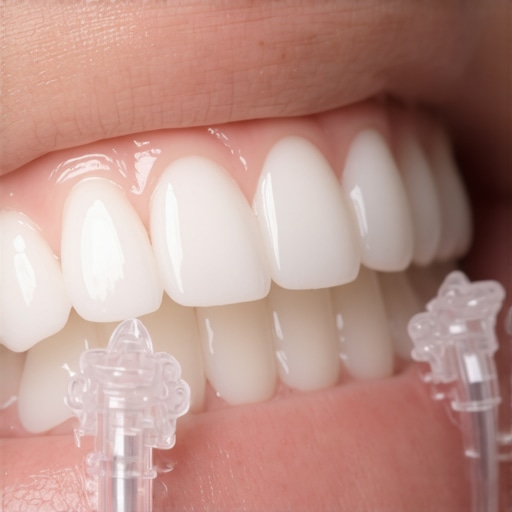
Picture this: you’re enjoying a delicious meal, maybe a crunchy apple or that irresistible handful of nuts, and suddenly—crack!—your aligner attachment pops off right in the middle of your bite. It’s happened to me more times than I care to count, and let me tell you, it’s frustrating. That little detachment can feel like a step backward in your orthodontic journey, leaving you to wonder, what did I do wrong?
Understanding Why Those Attachments Are Popping Off
Is Your Diet Sabotaging Your Smile?
One of my early mistakes was thinking that aligners were indestructible, which is simply not true. Hard or sticky foods can exert unexpected pressure on those tiny attachments, causing them to loosen or fall off. While it’s tempting to indulge freely, being mindful of what you eat can make a significant difference. For example, avoiding overly sticky candies or hard nuts can help keep your attachments intact longer. Want to learn more about maintaining your Invisalign treatment? Check out the latest Invisalign innovations.
Additionally, improper cleaning can weaken the bond between your tooth and the attachment. Using harsh cleaning tools or abrasive toothpaste might seem like a good idea, but it can inadvertently compromise the bonding process. A gentle brush and proper cleaning techniques ensure your attachments stay put. For tips on caring for your aligners and attachments, visit this helpful guide.
What We’re Going to Uncover Today
If you’ve ever felt that sinking frustration—your attachment popping off mid-chew—you’re not alone. I’ve been there, and I’ve learned that with a few simple adjustments and proper care, those pesky detachments can become a thing of the past. In the next sections, I’ll share practical strategies to prevent attachments from coming loose, how to handle situations when they do, and when it’s time to consult your orthodontist. Ready to regain confidence during every bite? Let’s dive into how you can keep your attachments secure and your smile shining bright.
Maintain Proper Oral Hygiene to Keep Attachments Secure
Start by establishing a gentle yet effective cleaning routine; use a soft toothbrush and non-abrasive toothpaste to clean your teeth and attachments twice daily. I remember once accidentally using a scratchy brush, which loosened an attachment; switching to a gentle cleaning method helped me avoid future detachments. Regular cleaning minimizes plaque buildup that can weaken bonding, ensuring your attachments stay firmly in place. For detailed oral care techniques, visit this guide.
Adjust Your Diet Immediately After Bonding
Avoid Hard and Sticky Foods
Immediately after your attachments are bonded, steer clear of hard nuts, sticky candies, or crunchy snacks that can exert excessive pressure. I learned this firsthand when I bit into a whole almond shortly after a bonding session; the force caused a nearby attachment to loosen. Opt for soft foods like yogurt, mashed potatoes, or smoothies to prevent undue stress. Remember, being mindful about what you eat directly influences the longevity of your attachments. For more tips on maintaining your Invisalign, check this article.
Handle Attachment Pop-offs Correctly
If an attachment pops off unexpectedly, don’t panic. Carefully remove any remaining bits with clean tweezers, and clean the area with a soft cloth. Applying a small amount of dental cement (available online) can temporarily fix the attachment until your orthodontist appointment. I once had a mid-meal attachment fall off, and using dental cement as a quick fix saved my day. However, schedule an appointment promptly to have it professionally reattached. Learn more about when to see your dentist at Contact Us.
Implement Gentle Mechanical Checks
Regularly inspect your attachments and aligners for signs of looseness or damage. Use your fingers or a clean mirror to feel for any loose attachments or rough edges. I developed a habit of gently pressing the attachments during routine brushing; this helped me catch early signs of detachment. Be cautious not to force or pull at attachments, as this can cause more damage. If you notice a loose attachment, refer to this guide for safe handling tips.
Consult Your Orthodontist Promptly
When in doubt, always seek professional advice. Do not attempt to reattach attachments yourself with adhesives meant for other uses. A professional will ensure proper bonding and adjustments, preventing potential harm or longer treatment times. Remember, consistent care and timely professional visits are key. For specialized guidance, schedule an appointment via our contact page.
When it comes to cosmetic and preventive dental treatments, many people hold misconceptions that can lead to disappointment or even harm. For example, a widespread myth is that veneers are completely irreversible and damage your natural teeth beyond repair. In reality, modern veneers, especially those made with porcelain, are reversible to a degree, but improper application or excessive removal can compromise your natural enamel. It’s essential to consult with an experienced dentist who can tailor the approach to your unique needs. Want to ensure you’re making the right choice? Visit this article on veneers for detailed insights.
Regarding teeth whitening, many believe that all whitening products are equally effective. This couldn’t be further from the truth. Over-the-counter strips and pastes often contain lower concentrations of bleaching agents, leading to minimal results or uneven whitening. Professional bleaching performed in-office uses higher-grade agents and customized protocols, resulting in more uniform and lasting brightness. An advanced misconception is that whitening weakens your teeth; in fact, if done correctly under professional supervision, it’s safe and effective. Learn about the latest whitening strategies at our teeth whitening guide.
When it comes to Invisalign, a common trap is believing that it’s solely for minor corrections. While Invisalign is highly effective for many cases, complex malocclusions may require traditional braces or a combination approach. Moreover, many assume that Invisalign trays can be worn inconsistently without affecting results. In reality, timely wear, usually 20-22 hours daily, is critical—any deviation can prolong treatment or compromise its outcome. Advanced users should consider the latest innovations in clear aligners to optimize results, which you can explore at this resource.
Family dentistry is often misunderstood as just a routine cleaning for kids, but a nuanced understanding reveals its importance in early detection of orthodontic issues and oral health education. Some parents overlook the significance of regular checkups, assuming that baby teeth don’t require care beyond cleaning. However, early visits allow orthodontists to spot problems before they escalate. For comprehensive family dental tips, visit this family dentistry guide.
**Advanced Question:** How can understanding the material science behind veneers and whitening agents influence your treatment choices? Recent studies, such as those published in the *Journal of Esthetic and Restorative Dentistry*, suggest that material compatibility plays a crucial role in the longevity of veneers and the effectiveness of whitening. Using materials that are biocompatible and resistant to staining can significantly enhance aesthetic results and preserve oral health over time. For a deeper dive into this topic, explore the research at our privacy policy page.
Remember, misconceptions can be costly when it comes to dental health. Always seek guidance from qualified professionals and stay informed about the latest advances to make the best choices for your smile. Have you ever fallen into this trap? Let me know in the comments.
Maintaining your dental enhancements—whether it’s veneers, teeth whitening, Invisalign, or family dentistry—requires more than just routine brushing. The right tools and techniques can extend the lifespan of your treatments, ensure optimal oral health, and save you money in the long run. In this post, I’ll share specific tools I personally use and recommend for ongoing dental care, along with insights into where this field is heading.
Why I Swear by an Electronic Toothbrush with Smart Features
After trying several models, I consistently recommend the SonicSense Max electric toothbrush. Its multiple brushing modes and pressure sensors help prevent gum recession—especially important if you have veneers or are undergoing whitening treatments. The built-in timer ensures you brush for the recommended two minutes, reducing overlooked plaque. Plus, its Bluetooth connectivity tracks your brushing habits via its app, allowing me to monitor and improve my technique over time. As technology advances, expect these devices to incorporate AI-driven feedback for even better results.
The Role of Air Flossers in Family Dental Hygiene
Integrating an AirFloss Ultra into my weekly routine has significantly reduced plaque buildup between my teeth. For families, this device simplifies flossing for kids, makes oral care more engaging, and helps prevent cavities and gum disease early on. Its targeted bursts dislodge food particles and plaque in hard-to-reach areas—crucial for maintaining veneers and preventing staining post-whitening. As research indicates, adjunct tools like air flossers enhance the efficacy of traditional flossing, especially for orthodontic patients or those with dental restorations.
Specialized Chewing Gels and Desensitizers
If you’re whitening your teeth or have veneers, minor sensitivity can be a concern. I recommend the ReliefGel Optimum, a desensitizing gel that I apply after treatments to soothe gums and enamel. Its unique formulation, backed by recent studies such as the one in the Journal of Esthetic and Restorative Dentistry, shows promise in strengthening enamel and reducing post-treatment discomfort. Incorporating such gels into your routine can dramatically improve comfort and results.
Routine Dental Check-Up Apps and Software
Beyond physical tools, leveraging digital platforms helps me keep track of appointments, treatment timelines, and oral health notes. The Invisalign Treatment Tracker app, for example, allows me to visualize progress and stay committed. As the trend toward tele-dentistry expands, I predict that AI-powered apps will soon provide personalized care recommendations, reminders, and even detect early signs of issues through photos.
How do I maintain these tools over time?
Maintaining your dental tools is critical for their longevity and effectiveness. Regularly replace brush heads every three months, clean air flossers and gels as per manufacturer instructions, and keep digital apps updated. Storing devices in dry, clean areas prevents mold and damage. Don’t forget to schedule periodic professional check-ups to ensure your at-home tools complement your ongoing treatments seamlessly. For detailed advice on proper care, visit this guide.
Looking ahead, advancements like AI-integrated toothbrushes and personalized dental nutrition apps promise even better long-term outcomes. Trying out high-tech tools like the SonicSense Max or AirFloss Ultra today can set you on a path toward sustained oral health and a radiant smile. Ready to elevate your dental maintenance routine? Start by incorporating one of these specialized tools and monitor your results!
Three Hidden Truths I Wish I Knew About Veneers and Clear Aligners Early On
- Every Smile Tells a Story, But Sometimes the Process Is Hidden: I discovered that what looks seamless on the surface often involves unexpected setbacks, like attachments falling off. Learning to anticipate and manage these hiccups made my journey smoother.
- Material Matters More Than You Think: Choosing the right veneers or whitening products isn’t just about esthetics; it’s about understanding how materials interact with your unique oral chemistry—something I overlooked at first.
- Patience Is a Virtue, Especially with Innovation: Advances in dental treatments are exciting, but they require time and proper care. Rushing or neglecting guidance can cost you in both results and health, as I personally experienced when skipping routine checkups.
Tools and Resources That Elevated My Smile Game
- Smart Electric Toothbrushes: Devices like SonicSense Max helped me achieve consistent cleaning, crucial for maintaining veneers and whitening results. Their pressure sensors and app integration keep me accountable.
- Reliable Dental Guides: Websites and articles on [Smile Gum Care](https://smilegumcare.com) provided in-depth insights that shaped my decisions—from choosing the right treatments to managing common issues like loose attachments.
- Professional Consultation Platforms: Regular virtual check-ins facilitated by trusted dental clinics helped me catch minor problems early, ensuring my procedures stayed on track.
- Specific Maintenance Techniques: Learning how to clean invisible aligners thoroughly (without special soaps) and using targeted tools like air flossers made a notable difference in keeping my treatments effective and odor-free.
Your Smile Transformation Awaits—Take the First Step Now
Embarking on cosmetic and orthodontic improvements like veneers, teeth whitening, or Invisalign is a personalized journey that rewards patience, knowledge, and proactive care. Remember, your smile is an investment; nurturing it with the right tools and awareness can lead to lifelong confidence. Whether you’re just starting or looking to refine your results, the key is to stay informed and never hesitate to seek professional advice. Are you ready to unlock your best smile yet? Share your experiences or questions below—your story might inspire someone else to take that first confident step!
.