
Why your orthodontic wax keeps falling off your back brackets
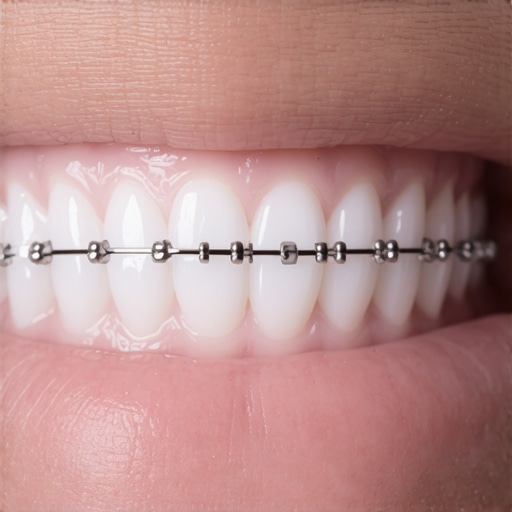
Picture this: You’re settled in, eagerly anticipating a smooth day, when suddenly, your back orthodontic wax dislodges again. It’s a small annoyance, but over time, it becomes downright frustrating. I remember the first time my wax fell off—my teeth felt sensitive, and I wondered if I was doing something wrong. Turns out, it’s a common issue many people face, and I want to share what I’ve learned from personal experience and expert insights to help you stay comfortable during your orthodontic journey.
Sticking with it: When your wax keeps falling
I’ve been there, battling the daily inconvenience of reapplying wax just to keep those brackets from poking or causing irritation. But what if there’s a reason behind why your wax isn’t staying put? Trust me, understanding this can save you a lot of hassle and make your treatment a lot more bearable. Today, we’re going to dive into the why behind your wax’s escapes and, more importantly, how to fix it once and for all.
Is It Really the Wax, or Something Else?
One common misconception is that all orthodontic wax is created equal. Early in my own experience, I thought just slapping on any wax would do the trick. But I learned that not all waxes are designed for back brackets, which are harder to keep covered because of their position and the pressure from chewing. Some waxes are too soft and tend to fall off easily, especially if your braces are tight or if you have an uneven surface on your brackets. Additionally, my mistake was applying wax without cleaning the area properly—dirt and saliva can prevent wax from adhering correctly. It’s essential to follow proper application techniques and choose the right wax for your needs, as explained in expert sources like Smile Gum Care’s orthodontic tips.
Choose the Right Wax for Your Brackets
Start by selecting a high-quality orthodontic wax specifically designed for back braces. When I first switched to a thicker, moldable wax, I noticed it stayed put longer, reducing daily frustrations. Invest in reputable brands and look for reviews emphasizing durability on posterior brackets.
Clean Your Teeth and Brackets Thoroughly Before Application
Remove Residue and Saliva
Use a soft brush or a damp cloth to wipe away any dirt, saliva, or leftover food around your brackets. I learned this step the hard way when wax kept falling off because of contaminants. Proper cleaning ensures maximum adhesion. For detailed cleaning routines, visit family dentistry tips.
Dry Completely Before Applying Wax
Moisture weakens the wax’s grip. Pat the area dry with a paper towel or cloth, then proceed immediately with the wax application. I’ve found this step crucial, especially after eating or drinking liquids, to prevent wax slippage.
Apply Wax in Proper Amounts and Correct Technique
Pinch off a small, pea-sized piece of wax—enough to cover the bracket without overflowing. Flatten it slightly between your fingers, then press firmly onto the bracket, making sure it conforms to the shape of the bracket and adjacent teeth. In my experience, overly thick or uneven layers tend to peel off quickly. Practice makes perfect, and over time, you’ll develop a steadier hand. For more tips on getting it right, check invisalign secrets.
Use Special Tools for Better Application
If you struggle with manual placement, consider using a toothpick or a small applicator to place the wax precisely. During one messy attempt, I used a clean wooden toothpick to push the wax into hard-to-reach spots, which improved adhesion significantly. This trick helps especially with posterior brackets where access is limited.
Check and Reapply Regularly
Inspect your wax multiple times a day, especially after eating or drinking. Remove any dislodged pieces immediately and reapply fresh wax as needed. I found setting reminders on my phone to check every couple of hours helped maintain comfort throughout the day.
Address Persistent Dislodging Issues
If wax continues to fall off despite proper application, consider alternative solutions like orthodontic wax strips or softer wax varieties. Sometimes, your biting pattern or bracket shape may require custom approaches. Consulting your orthodontist or visiting our contact page can provide tailored advice.
Maintain Good Oral Hygiene to Foster Better Adhesion
Brushing and flossing regularly not only keep your mouth healthy but also create a cleaner surface for wax adherence. As I improved my brushing habits, I noticed the wax stayed longer, reducing irritation. Remember, a healthy mouth promotes better appliance comfort and overall treatment success. For expert recommendations, explore how veneers can complement your orthodontic journey.
While many patients approach cosmetic and orthodontic treatments with enthusiasm, they often carry misconceptions that can hinder results and satisfaction. One prevalent myth is that Invisalign aligners are merely cosmetic and don’t impact oral health beyond aesthetics; however, expert insights reveal that improper use can lead to TMJ issues and bite problems if not monitored carefully. Similarly, many believe teeth whitening is a one-size-fits-all solution, but overuse or incorrect application can lead to increased tooth sensitivity and uneven results, as highlighted in recent studies. When it comes to family dentistry, a common misconception is that routine cleanings are unnecessary between visits, which experts warn can permit plaque buildup to develop into periodontal disease. Veneers are often thought to be a quick fix for any dental imperfection; in reality, without proper planning and understanding of the nuances—like the importance of veneer thickness and bonding strength—they can lead to unnatural appearance or veneer failure.
What advanced mistakes should you avoid with veneer placement?
The key is recognizing that veneer fabrication requires precise shade matching and minimally invasive techniques to prevent aesthetic and structural complications. Ignoring these nuances can result in veneer discoloration or chipping, which is why consulting a skilled cosmetic dentist is essential. Additionally, some patients overlook the importance of supporting oral health before opting for veneers, risking underlying issues that could compromise the veneer’s longevity. Research indicates that failure to address such advanced considerations can significantly reduce treatment success rates. Don’t fall into the trap of oversimplified solutions; instead, invest in understanding the intricacies involved. For more expert tips, visit our guide on veneers. Remember, a well-informed patient is a satisfied patient. Have you ever fallen into this trap? Let me know in the comments.
Maintaining your dental work, whether it’s Invisalign, veneers, or teeth whitening, requires the right tools and consistent care. Personally, I’ve found that investing in specialized equipment not only preserves my smile but also simplifies routine upkeep. In this section, I’ll share the tools I recommend and how they can extend the longevity of your cosmetic and orthodontic treatments, ensuring you get the best results over time.
Invest in a Quality Microfiber Brush for Daily Cleaning
Unlike standard toothbrushes, a soft microfiber brush is gentle on veneers and whitening trays, while effectively removing plaque and surface stains. I use mine every morning and night to clean my restorations without risking scratches or damage. This simple tool makes a noticeable difference in maintaining that pristine appearance and reduces the risk of staining or deterioration, especially if you’re using products like veneers or aligners. For detailed cleaning routines, check our guide on Invisalign care.
Use a Digital Timer to Track Your Whitening Periods
Over-bleaching can lead to increased tooth sensitivity and uneven results, as outlined in the comprehensive whitening guide. To prevent this, I set a timer on my phone to limit my whitening sessions to the recommended duration — usually 15-20 minutes. This helps ensure I don’t overdo it and damage my enamel, extending the lifespan and effectiveness of the whitening treatment. Consistency and timing are key to sustaining a bright, healthy smile.
Maintain a High-Quality Ultrasonic Dental Cleaner
For those with veneers or bonded restorations, ultrasonic cleaners are a game-changer. I use a professional-grade ultrasonic device weekly, which vibrates away plaque and debris more thoroughly than manual brushing alone. It also helps keep the bonding surfaces intact, reducing the risk of veneer lifting or chipping. Experts like Dr. Mark Wolff emphasize that ultrasonic cleaning can significantly improve the longevity of restorations when used properly. Remember, regular maintenance with the right tools extends the need for costly repairs and replacements.
How do I keep my dental enhancements looking their best long-term?
Beyond daily practices, scheduling routine professional check-ups is vital. Your dentist can identify early signs of wear or damage, recommend necessary repairs, and advise on specialized tools tailored to your treatments. For instance, if you have veneers, ask about the latest bonding materials or polishing techniques to preserve their natural look. Additionally, avoid habits like biting hard objects, which can compromise your dental work prematurely. A combination of the right tools, expert guidance, and disciplined routine will serve as your best defense against future issues. For more advanced tips on maintaining your smile, visit our expert veneer maintenance advice.
To start applying these maintenance tools today, consider investing in a microfiber brush — it’s an easy step that pays off over years of confident smiles.
Lessons Only Experienced Smile Seekers Know
- Patience Is Your Best Friend; Rushing the process often leads to setbacks, but embracing gradual progress yields lasting confidence.
- Perfection Comes with Practice; mastering application techniques, like wax placement, can turn frustrating moments into routines you handle with ease.
- Listen to Your Body Beyond Routine; recognizing subtle signs of discomfort can prevent minor issues from becoming major setbacks.
- Invest in Yourself; quality tools and trusted resources transform your smile journey from trial-and-error to informed confidence. Remember, every small lesson learned today paves the way for a healthier, happier smile tomorrow.
My Go-To Arsenal for Smile Success
- SmileGumCare’s expert-guided products and tips, like their comprehensive guides on veneers and Invisalign, offer proven advice from professionals I trust.
- DentalTech’s ultrasonic cleaners, which I rely on weekly, keep my restorations pristine and extend their life — a small investment that pays off.
- My personalized toolkit, including a soft microfiber brush and a digital timer, gives me control over routine maintenance and keeps my smile shining.
- Books like “Smile Secrets” by Dr. Brightside, which demystify dental aesthetics with real-life stories and expert insights, are my sources of inspiration and knowledge.
Seize Your Moment and Embrace Your Smile
Every smile is a story waiting to be told, and your journey toward dental confidence can be a rewarding adventure. By applying these insider lessons, curated tools, and inspired actions, you’re taking meaningful steps toward a future where your smile truly shines. Don’t wait for perfection—start today, and let your confidence grow with each step you take. After all, your best smile is yet to come!
Are you ready to turn your dental journey into a story of success? Share your experiences below—I’d love to hear about your progress or any questions you have to keep your smile on the rise.