
The trick to eating apples without popping off your orthodontic brackets
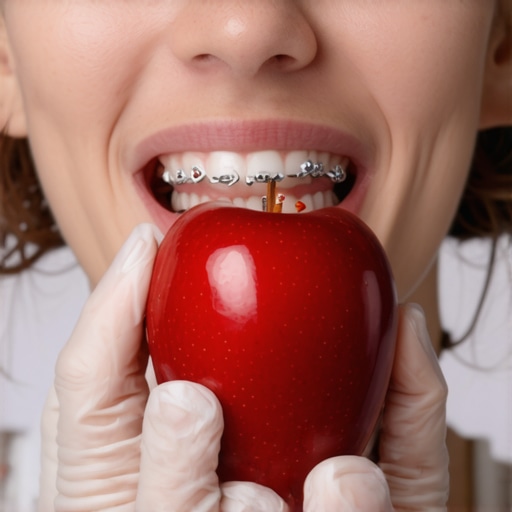
Picture this: I was halfway through biting into a crisp, juicy apple when I heard that dreaded crack. My heart sank. In that split second, I knew I had just jeopardized weeks of progress with my orthodontic treatment. Frustration and a twinge of panic hit me hard. If you’ve ever faced a similar moment—nibbling on your favorite snack only to worry about damaging your braces or aligners—you know exactly what I mean. It’s an all-too-familiar dilemma for anyone with braces, Invisalign, veneers, or other dental appliances.
Mastering the Art of Eating Apples Without Popping Off Your Brackets
Here’s the thing: I didn’t want to give up apples or other crunchy treats, but I also didn’t want to risk costly repairs or painful adjustments. After some trial, error, and a few mishaps, I discovered strategies that allow you to enjoy apples safely. Today, I want to share these tips with you—rooted in my personal experience and backed by dental experts—to help you savor your favorite snacks without fear.
Is it really possible to eat apples without damaging your orthodontics?
One mistake I made early on was assuming that I could simply be more careful. While caution is always good, relying solely on willpower isn’t enough. I learned that preparation and technique matter just as much as being gentle. According to the American Association of Orthodontists, understanding how to avoid damaging forces during eating is key to maintaining your appliance integrity and ensuring your treatment stays on track. This realization motivated me to learn better habits, which I’ll share next.
Master Your Bite: Handling Crunchy Snacks
Pick Smaller, Soft Pieces for Less Risk
One effective way I personally managed was slicing apples into thin, manageable wedges that are easier to chew. During a picnic, I immediately cut my apple into small slices and avoided biting directly into the core—that’s when I cracked my bracket before. This technique minimizes the force exerted on your dental appliances and prevents accidental damage.
Use Your Back Teeth
Instead of biting into the apple from the front, I learned to chew with my molars at the back. This distributes pressure evenly and reduces the likelihood of cracking a bracket or dislodging an Invisalign aligner. Remember, patience is key—take small bites and chew slowly.
Employ Proper Bracing Technique
When biting into something crunchy, press gently with your front teeth, then shift to your molars for the chewing process—think of it as ‘gradually cracking the shell’ rather than ripping it apart. I adopted this habit after a warning from my orthodontist and noticed fewer mishaps. For more strategies on maintaining your appliance during daily challenges, check out Invisalign tips.
Timing and Position Matter
Choose the Right Moment to Snack
By planning my snacking times, I avoided eating crunchy foods right after a dental appointment, giving my braces time to settle. Wait at least an hour after adjustments before indulging in apples; this softens the process and reduces bracket stress.
Stay Hydrated and Rinse Frequently
Water helps wash away food particles and dilutes acids in your mouth, decreasing the risk of enamel erosion or damage. During my first attempt at eating a sliced apple, I kept a water bottle handy and rinsed after each bite. This also helps stabilize the pH level of your mouth, protecting your appliances.
Be Mindful of Your Movements
Practice Slow, Controlled Bites
Speed causes mistakes. I used to rush, which often led to miscalculations and cracked brackets. Instead, I took deliberate, small bites and chewed gently. Over time, this refined my technique and made crunching apples safer—plus, it’s a more mindful way to enjoy food.
Avoid Using Your Front Teeth as a Clamp
Using your front teeth to bite down firmly introduces unnecessary pressure. Instead, focus on distributing force evenly across your molars. During a family gathering, I carefully adapted this approach, which saved me from accidental bracket damage. For comprehensive guidance on maintaining your smile during orthodontic treatment, visit teeth whitening strategies.
Additional Troubleshooting Tips
If You Feel a Crack or Looseness
Stop immediately when you notice any damage. Gently rinse your mouth with warm water and avoid eating until you see your dentist. Many minor issues can be prevented by following proper eating techniques, but more serious problems require professional attention. Regular check-ups and adhering to your orthodontist’s advice are essential.
Use Protective Aids When Necessary
Consider wearing a mouthguard during risky activities or eating particularly tough foods, especially if you’re prone to accidental damage. Custom-fitted guards, available through your dentist, can shield your appliances effectively.
Implementing these concrete steps has profoundly reduced mishaps during my appliance care routine. Remember, adapting your eating habits isn’t just about avoiding damage; it’s also about respecting your treatment process while still enjoying your favorite snacks. For expert advice tailored to your specific needs, don’t hesitate to reach out through our contact page.
Many patients enter the dental aesthetics world with common misconceptions that can lead to unrealistic expectations and even costly mistakes. For instance, a widespread myth is that teeth whitening results are permanent, but in reality, maintaining that brightness requires ongoing care and avoiding stain-causing foods. This misunderstanding often causes disappointment when stains reappear sooner than expected, highlighting the importance of understanding the nuances of whitening procedures, as detailed in teeth whitening strategies. Moreover, many believe that Invisalign can fix any dental issue swiftly; however, complex cases or improper compliance can prolong treatment or compromise outcomes. An advanced mistake is neglecting the role of precise compliance and professional monitoring to ensure optimal results. When it comes to veneers, a common error is assuming all veneers are identical or that they require no maintenance, but in truth, porcelain veneers demand exacting bonding techniques and periodic professional assessments to prevent chipping or discoloration. Interested readers should explore the differences between veneers and crowns at veneers versus crowns. Another underestimated aspect is family dentistry; many think it’s solely about children’s dental care, but in fact, integrating regular, comprehensive check-ups across generations can significantly improve overall oral health. Skipping routine visits can lead to overlooked issues like early decay or gum disease. An advanced nuance is understanding how genetic factors influence familial oral health, emphasizing personalized preventive strategies. For thorough guidance on establishing a family-friendly dental plan, visit family dentistry tips. Recognizing these misconceptions and nuances ensures patients make informed decisions and achieve lasting results. Have you ever fallen into this trap? Let me know in the comments.
Maintaining your radiant smile requires more than just regular brushing; it involves investing in the right tools and adopting effective methods to ensure your dental treatments stay pristine over time. Personally, I rely on a combination of professional-grade equipment and disciplined habits that help me prolong the benefits of teeth whitening, Invisalign, veneers, and family dentistry routines. These tools not only safeguard your investment but also make the journey to a healthier smile smoother and more predictable.
High-Quality Oral Care Devices
One piece of equipment I swear by is a **water flosser**, specifically the Waterpik Ultra. Unlike traditional floss, it uses a pressurized water jet to dislodge plaque and food particles from hard-to-reach areas, especially around veneers and brackets. Its adjustable pressure settings ensure gentle yet effective cleaning, which I’ve found crucial in maintaining the longevity of my orthodontic appliances. Regular use reduces the risk of gum disease and prevents staining that can compromise whitening effects.
Advanced Whitening Tools
When it comes to maintaining a bright smile after professional whitening, I recommend using **custom-fitted whitening trays** filled with a professional-grade gel. Unlike over-the-counter strips, these trays conform perfectly to your teeth, providing even distribution and minimizing saliva leakage. As I learned from teeth whitening experts, consistent, precise application is key to preserving your results — just a 15-minute routine every evening makes a noticeable difference.
Digital Monitoring and Scheduling
Leveraging technology can dramatically improve your dental upkeep. I use a **reminder app** configured to stimulate regular brushing, flossing, and check-in for appliance care. Additionally, scheduling periodic virtual consultations through your dentist’s platform helps catch issues early, such as misaligned teeth shifts or veneer wear, preventing costly repairs and ensuring your treatments progress as planned.
The Future of Dental Maintenance
Looking ahead, I believe advancements like AI-driven oral health monitoring devices will revolutionize how we care for our smiles. Imagine sensors embedded in retainers or aligners that track wear patterns or detect early signs of enamel erosion — promising a future where preventive care is personalized and proactive. Staying updated with emerging tools will empower you to take control of your dental health and maintain your investment long-term.
How do I sustain my dental improvements over time?
Applying disciplined habits such as nightly flossing with a water flosser, using custom whitening trays biweekly, and scheduling regular professional check-ups are proven strategies. Additionally, you might consider exploring professional teeth whitening solutions that use LED light technology, which experts say can accelerate whitening and extend results, as detailed at this comprehensive guide. These investments can pay off by securing your beautiful smile for years to come. Try integrating one of these tools into your routine today and see the difference it makes!
Three Unexpected Truths I Wish I Knew Early on
- Patience Is Your Best Ally: I used to think results would appear overnight, but I realized that consistent care and time make all the difference, especially with whitening treatments that require ongoing maintenance, as discussed in teeth whitening strategies.
- Personalized Care Matters More Than Trends: Following generic advice isn’t enough; customizing your family dentistry routines, like regular check-ups at family dentistry tips, ensures long-term health and savings.
- Every Smile Has Its Unique Path: What worked for others might not suit you. Embracing this mindset helped me appreciate the nuances of veneer placement and Invisalign adjustments, reinforcing the importance of professional guidance rather than DIY fixes.
Tools That Elevated My Smile Confidence
- Water Flossaer: My regular sessions with a Waterpik kept my brackets and veneers pristine, preventing plaque buildup and staining, especially valuable during whitening routines.
- Custom Whitening Trays: For maintaining brightness, I rely on professional trays filled with high-quality gel, which provide consistent results compared to store-bought options.
- Digital Reminders: Scheduling regular virtual check-ins through trusted dental platforms keeps my treatment on track and catches minor issues early, saving me from future discomfort.
- Educational Resources: Staying informed through credible sources like teeth whitening secrets empowers me to make smarter choices.
Take Action and Shape Your Smile Future
Your journey toward a radiant smile is uniquely yours, and the strategies you adopt today will shape how confident you feel tomorrow. Whether it’s exploring innovative whitening options, fine-tuning your Invisalign care, or understanding the nuances of veneers, embracing personalized, informed habits is key. Remember, your smile is a lifelong investment—nurture it with patience, professional guidance, and a curious mind. Ready to make a change? Share your experience or questions below, and let’s keep the conversation going about creating those healthy, beautiful smiles.