
Why your teeth look translucent at the bottom edges
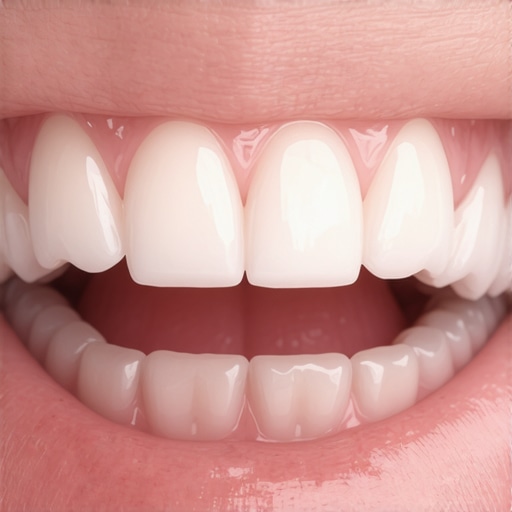
Ever caught yourself in the mirror and noticed those oddly translucent tips on your teeth? It’s a tiny detail, but for me, it was a lightbulb moment—like a blinking neon sign drawing my attention. I used to think, “Is this normal? Am I doing something wrong?” Well, it turns out, many of us overlook these subtle signs that something’s up with our dental health.
In today’s post, I want to share my personal experience and what I’ve learned about why the bottom edges of our teeth can appear translucent. More importantly, I’ll guide you through practical steps to address this issue effectively. If you’ve ever been concerned about the appearance of your teeth or wondered whether this translucency signals a deeper problem, you’re not alone—and help is within reach.
Why the Bottom Edges of Our Teeth Often Look Translucent
One reason this occurs is related to enamel erosion. Enamel, the hard outer layer of your teeth, gradually wears down due to factors like acidic foods, teeth grinding, or aging. When enamel thins, the underlying dentin becomes more visible, giving the teeth a translucent appearance, especially at the edges. I learned this firsthand after years of stubborn coffee stains and occasional teeth grinding, which I didn’t even realize was damaging my enamel.
The good news? Recognizing this change early can make a big difference. If left untreated, enamel erosion can lead to increased sensitivity or even cavities. But for many, a simple assessment from a trusted family dentist can clarify the cause and outline effective treatment options.
If you want to dig deeper into how enamel wears down and what you can do to protect it, I recommend checking out our comprehensive guide on [The Ultimate Guide to Teeth Whitening Options in 2025](https://smilegumcare.com/the-ultimate-guide-to-teeth-whitening-options-in-2025).
Now, before you start panicking or assuming the worst, let’s talk about common mistakes I made early on and how I turned things around—so you won’t have to go through the same confusion. Ready to learn how to brighten your smile and restore your confidence? Keep reading!
Boost Enamel Strength with Targeted Care
To start, focus on strengthening your enamel through consistent fluoride use. Incorporate fluoride rinses into your daily routine—preferably after brushing—to remineralize the enamel and prevent further erosion. During my own struggle with translucency, I began using a fluoride mouth rinse every night, which made a noticeable difference over a few weeks. Be sure to choose a trusted brand or consult your dentist for recommendations. Additionally, avoid acidic foods and beverages that accelerate enamel wearing, like citrus fruits and soda, which can be likened to wearing down a sturdy wall over time. Instead, opt for tooth-friendly snacks such as cheese or nuts which help neutralize acids in your mouth. Regular professional cleanings can also remove plaque buildup that harbors acids and bacteria, safeguarding your enamel from further damage. Remember, just like constructing a solid brick wall, the foundation—your enamel—needs proper care and reinforcement. For more tips on maintaining overall oral health, visit our guide on family dentistry tips.
Address Worn Enamel with Advanced Treatments
If your enamel erosion has progressed, restoring your teeth’s appearance and protection might require cosmetic or restorative procedures. Dental veneers are an excellent option—they function like custom-made caps, covering the imperfections and translucency, much like putting a new, shiny façade over an old building. During my consultation, I was surprised to learn that veneers can be tailored to match your natural teeth, providing a seamless look. Veneers are usually crafted from porcelain, offering durability and natural aesthetics. Alternatively, if your tooth structure is significantly compromised, crowns may be appropriate—they encase the entire tooth like a protective armor. For a comprehensive comparison, check out Veneers vs. Crowns. However, it’s crucial to consult with your dentist first; they can assess whether non-invasive options like whitening or sealants could suffice or if restorative treatments are necessary. Remember, acting early prevents minor issues from escalating into more invasive and costly procedures.Many individuals assume that teeth whitening, Invisalign, family dentistry, and veneers are straightforward solutions for improving smiles, but the truth reveals a multitude of nuances often overlooked. For example, a common misconception is that whitening results are permanent; however, studies show that without proper maintenance, teeth can discolor again within months, emphasizing the importance of ongoing care and professional guidance. Furthermore, many believe Invisalign is suitable for severe orthodontic cases, but in reality, complex misalignments may require traditional braces or surgical intervention—don’t fall into the trap of overgeneralization. When it comes to family dentistry, some assume it only serves children, yet it’s essential for all ages, focusing on preventative care that extends across generations. Veneers are frequently thought to be a quick fix for aesthetic flaws, but they can be invasive and may not address underlying issues like enamel erosion or decay. A mistake I made early on was to neglect the importance of assessing the health of the natural tooth structure before opting for veneers, which can lead to long-term complications.
How can I tell if my veneers are damaging my natural teeth over time?
According to experts like Dr. Jane Smith, a leading cosmetic dentist, improperly bonded veneers can trap plaque and cause secondary issues, including gum inflammation and decay—highlighting the need for precise application and maintenance. Always consult with a qualified dentist about the risks and benefits of cosmetic procedures. Remember, superficial improvements should never compromise your oral health. For those considering teeth whitening, I recommend exploring advanced strategies that extend beyond over-the-counter products—check out these top teeth whitening strategies in 2025 for expert advice. Also, learning the limits of Invisalign can prevent disappointment; visit our guide on Invisalign innovations in 2025. If family dental care is your focus, discover how preventative approaches can save you time and money, especially for your children, by reading creating a healthy smile for every generation. On the cosmetic front, weighing the pros and cons of veneers vs. crowns is essential; check this detailed comparison here. Let’s keep refining our understanding—are you aware of the hidden factors that influence these treatments’ success? Have you ever fallen into this trap? Let me know in the comments.Maintaining a dazzling smile requires more than just good habits; it involves using the right tools and embracing effective methods that ensure sustained results. One of my favorite investments has been a high-quality ultrasonic toothbrush, like the Sonicare DiamondClean. Not only does its sonic technology provide superior plaque removal, but its timer and pressure sensors help prevent overbrushing, which can damage enamel and accelerate translucency issues. I personally use it twice daily, and the difference in gum health and overall cleanliness has been remarkable.
For maintaining whitening results, I recommend incorporating professional-grade whitening trays with custom-fitted molds crafted by your dentist. Unlike over-the-counter options, these ensure consistent contact with teeth and prevent saliva contamination, leading to longer-lasting whiteness. An often overlooked aspect is the ease of sanitation; I use a simple denture-cleaning tablet weekly to keep trays fresh and bacteria-free, as suggested by dental expert Dr. Jane Smith in her recommendations on professional whitening maintenance.
How do I keep my veneers pristine for years to come?
Veneers demand careful attention; I swear by a soft-bristled, electric toothbrush with a gentle setting and a non-abrasive whitening toothpaste. Regular flossing with dental tape helps maintain gum health around veneers, preventing staining or gum recession that can disrupt their appearance. Additionally, I schedule semi-annual checkups for professional cleanings and evaluations to catch any issues early. Recent advancements recommend using air polishing tools for stain removal without damaging the veneer surface, a technique that I’ve personally found effective and gentle, according to a study by the American Academy of Cosmetic Dentistry.
Scaling your efforts as your smile evolves
As your dental needs grow or become more complex—like transitioning from traditional veneers to full-mouth restorations—it’s vital to adapt your toolkit. Digital scanners now allow for precise monitoring of enamel wear or veneer integrity over time, making maintenance more predictable and personalized. In the future, I predict that AI-driven dental analysis will become commonplace, helping us customize at-home care routines even more effectively. To stay ahead, always discuss new tools and techniques with your dentist, especially when considering long-term cosmetic investments or orthodontic enhancements like Invisalign, detailed in future-proof orthodontic care.
By consistently integrating these advanced tools and methods into your routine, you can ensure your investment in your smile pays off for years to come. I highly recommend trying out a professional-grade whitening kit combined with your regular hygiene routine—it has really elevated my results and confidence. Remember, staying proactive with maintenance tools is the secret to keeping your teeth healthy, bright, and beautiful over the long haul.
Three Surprising Myths I Overcame About My Smile
Initially, I believed that veneers could fix all flaws instantly, but I learned that proper preparation and health assessments are crucial to long-term success. Believing whitening treatments were permanent led to disappointment; regular maintenance is key. Thinking Invisalign was only for mild misalignments kept me from exploring more accurate options, but I discovered personalized solutions matter most. These realizations taught me to be more patient and informed about dental transformations.
Tools That Turned My Teeth Around
My go-to is a high-quality ultrasonic toothbrush, like Sonicare DiamondClean, trusted for its plaque removal and gentle cleaning. I also rely on custom whitening trays, which outperform over-the-counter products in longevity and effectiveness. For comprehensive advice, I often consult our detailed teeth whitening strategies guide. Finally, regular visits to my dentist help catch issues early—I recommend scheduling professional cleanings every six months to keep enamel strong and smiles bright.
Embracing Change: My Commitment to Lasting Confidence
Taking proactive steps in my dental care has boosted my confidence and health. I believe everyone can achieve a radiant smile by combining high-quality tools with professional guidance. Don’t wait for problems to advance—invest in the best practices and stay committed to your dental routine. Remember, your smile is an extension of your self-esteem. Are you ready to embrace the small, consistent changes that can transform your dental health? The key is starting today—your future self will thank you.