
How to fix the gap in your teeth without expensive braces
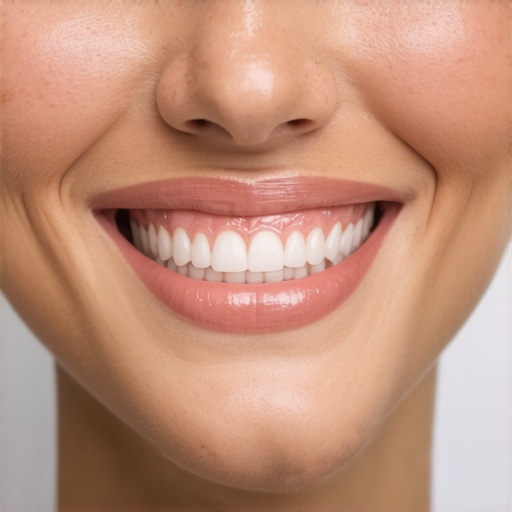
I remember the exact moment I noticed that embarrassing gap between my front teeth. It was during a family photo; I was trying to smile confidently but caught sight of that tiny chasm every time I looked at the picture. That lightbulb moment made me realize how much this little gap affected my confidence and everyday interactions. I tried everything from over-the-counter adhesives to squeezing my smile tight to hide it, but nothing felt genuine or sustainable.
Why Fixing a Gap Matters More Than Just Looks
Having a noticeable gap isn’t just about vanity. It can influence your speech, eating habits, and even oral health. Gaps can trap food and bacteria, leading to plaque buildup and cavities if not properly managed. Plus, there’s an emotional component—feeling self-conscious about your smile can hold you back from socializing, dating, or simply feeling good about yourself.
Many believe that correcting gaps requires expensive braces or veneers, but that’s only partly true. Advances in dental techniques now offer more affordable, less invasive options suitable for most budgets. Before rushing into costly procedures, I want to share my journey and some practical solutions that proved effective for me—and might just work for you.
Is Fixing Your Gap Without Braces Really Possible?
Early on, I made the classic mistake of assuming I needed big, uncomfortable braces to close that tiny space. But I learned that there are smarter, more cost-effective ways to address this issue—like clear aligners or alternative cosmetic procedures. If you’re skeptical, you’re not alone. Many people worry about whether these methods are long-lasting or truly effective. Rest assured, with the right guidance and proper care, you can see real results and boost your confidence without the hefty price tag.
If this hits home and you’re ready to explore options, I invite you to check out some innovative solutions like veneers made simple or discreet aligners. But first, let’s understand what’s best suited for your specific situation and set realistic expectations—because every smile is unique, and so is the path to a perfect fit.
Begin your journey today by learning more about how these modern methods can transform your smile from the comfort of your home and without the hefty dental bills.
Start with a Dental Consultation to Assess Your Smile
Book an appointment with a trusted family dentist who can evaluate your specific needs. During the consultation, they’ll examine the gap, bite alignment, and overall oral health. Think of this as mapping out your personal smile blueprint, much like a tailor taking measurements before sewing a custom suit. I once scheduled a consult, and the dentist used digital scans to show me how my teeth could shift with the right treatment plan, giving me confidence to proceed.
Explore Clear Aligners as Your Primary Solution
Understand How Aligners Work
Clear aligners function like custom-made, removable mouthguards that gently guide teeth into position. They differ from traditional braces by being transparent and discreet. Imagine slipping on a flexible, invisible glove over your teeth—no wires or brackets. I tried Invisalign myself after watching tutorials, and it was straightforward: I received a series of aligners, each slightly different, to wear for about two weeks before switching to the next. The progress was gradual but noticeable, and no one noticed I was wearing them.
Properly Use and Maintain Your Aligners
Wear your aligners at least 20-22 hours daily, removing only for eating, drinking (if it stains), brushing, and flossing. Clean them with a soft toothbrush and mild soap—in the same way you’d gently scrub a delicate camera lens. I learned to keep a case and avoid eating with aligners to prevent staining and warping. Consistency is key; skipping days delays results. For detailed strategies, check out Invisalign secrets.
Consider Cosmetic Alternatives Like Veneers
If you’re looking for a faster or more permanent fix, veneers can mask gaps completely. Think of veneers as custom-designed, ultra-thin shells that fit over your teeth, much like a stylish photo frame enhances a picture. During my research, I visited a cosmetic dentist who explained how porcelain veneers could instantly cover the gap and create a uniform smile. The process involves removing a tiny amount of enamel, so it’s essential to weigh the pros and cons with your dental professional. For expert tips, visit Veneers made simple.
Maintain Your Results with Good Oral Hygiene
Keeping your teeth clean supports your new alignment and overall health. Regular brushing, flossing, and routine check-ups prevent plaque buildup and cavities that could undermine your progress. I set reminders for biannual cleanings, and using interdental brushes made a noticeable difference. Remember, trimming back sugary snacks and avoiding staining drinks like coffee or red wine also helps preserve your smile’s appearance. Learn more about protecting your investment here: Teeth whitening strategies.
Evaluate Long-Term Success and Next Steps
After several months, schedule a follow-up with your dentist to evaluate progress. Sometimes, minor adjustments or refinements are needed to perfect your smile. Keep in mind that maintaining your commitment is critical for lasting results. If you’re unsatisfied with the progress, discuss options like refinements, re-treatment, or alternative cosmetic procedures. Remember, your journey is unique—consult your dental professional regularly to tailor the best approach. For additional insights, visit Veneers vs. Crowns.
Many patients enter cosmetic or orthodontic treatments assuming they are quick fixes or almost foolproof. However, even seasoned dental professionals see common misconceptions that can sabotage results or lead to disappointment. One widespread myth is that teeth whitening is purely superficial and can be achieved with over-the-counter products without professional guidance. While at-home whitening kits are accessible, they often lack the concentrations needed for significant stain removal and can even cause sensitivity if used improperly. Experts emphasize the importance of consulting a dentist first, as there are breakthrough whitening options that are both safer and more effective, like in-office bleaching or advanced take-home treatments discussed in our guide on teeth whitening strategies.
Veneers are another area where misconceptions abound. A prevalent belief is that veneers are only for cosmetic concealment and can instantly transform your smile. In reality, the process involves removing a thin layer of enamel, and veneers are not suitable for everyone—particularly those with significant bite issues or severe wear. An advanced nuance here is considering the long-term effects; for example, porcelain veneers can last 10-15 years, but improper care or untreated decay can lead to failures. Curious about whether veneers could be the right choice for your specific needs? Check out our comprehensive guide on veneers made simple to understand the nuances involved.
Family dentistry often gets reduced to routine cleaning, but the real nuance is preventative care tailored for every age group. Many assume that a visit for a cleaning is enough, yet addressing underlying issues early—like misaligned bites or early caries—can save money and discomfort down the line. Moreover, establishing a dental home for the entire family ensures consistent monitoring and education, which is critical, especially for children. Our article on building healthy smiles for every generation delves into how proactive family dental practices can make a lasting difference.
Invisalign and other clear aligners are marketed as invisible, hassle-free solutions, but the advanced misconception is underestimating their complexity. For example, patient compliance is critical; forgetting to wear the aligners or not maintaining proper cleaning routines can delay or compromise results. Additionally, certain malocclusions, like severe overbites or underbites, may not be fully addressable with aligners alone, requiring supplementary treatments. A recent study published in the Journal of Orthodontics highlights how customizing treatment plans by a professional, rather than relying solely on DIY kits or online aligner providers, enhances outcomes significantly. Would you want a treatment plan tailored by your orthodontist rather than an online algorithm? Let me know in the comments.
Finally, avoiding the common pitfalls in these treatments requires understanding the importance of expert guidance and personalized care. Do-it-yourself solutions often overlook individual variability and can lead to issues like uneven whitening, veneer mismatching, or improper realignment. Building a genuine awareness of the nuances—and consulting your trusted dentist regularly—ensures your investment yields the best, lasting results. For more insights and tailored advice, don’t hesitate to reach out through our contact page. Remember, an educated patient makes the best decisions for a healthy, confident smile.
Maintaining your dental improvements over time requires more than just good habits; it demands the right tools and a strategic approach. Personally, I swear by using a high-quality water flosser, specifically the Waterpik Ultra, because its pulsating stream effectively dislodges plaque in hard-to-reach areas, especially around veneers and around dental implants. The consistency of my daily routine with this device has significantly minimized gum inflammation and preserved my veneers’ appearance. Additionally, I rely on an electric toothbrush, like the Oral-B Genius X, which offers real-time feedback and proper brushing angles, helping me avoid common pitfalls that can compromise long-term results. Regular dental software updates, such as those offered by MySmilePlan, also help me track my oral health progress; these apps remind me of appointments and give personalized care tips. Looking ahead, I believe that integrating AI-driven diagnostics will revolutionize long-term care, providing personalized recommendations at an unprecedented level of precision.
How do I keep my smile looking perfect for years?
Consistency in maintenance routines is critical. Regularly scheduled professional cleanings, ideally every six months, help prevent plaque buildup and catch early signs of issues. I also recommend periodically replacing your toothbrush or electric brush head—most experts suggest after three months—to ensure optimal cleaning efficiency. For those with veneers or Invisalign, maintaining the integrity of your investments involves avoiding excessive staining foods and following your dentist’s advice on minimal wear and tear. Using a whitening touch-up gel that your dentist approves, like the ones discussed in our teeth whitening strategies, can help sustain that bright smile long after the initial treatment. Regularly flossing with the right tools, such as floss picks with a knotted design for better plaque removal, also makes a difference. For more personalized tips, consider your specific dental situation and consult your oral health provider.
Remember, just like any investment, the more effort you put into routine maintenance and selecting the right tools, the longer your results will last. Keep an eye on emerging technologies, like AI-based plaque detection systems, which are expected to become commonplace in dental practices soon. These innovations will enable us to catch and correct issues before they require invasive procedures, saving time and resources. To stay ahead, I recommend scheduling semi-annual checkups and discussing the latest maintenance tools with your dentist during your visits. Want to learn how to implement these advanced tools into your daily routine? Feel free to reach out to your dentist and ask about the most effective maintenance strategies for your smile.
What I Wish I Knew Before Starting My Smile Journey
- I underestimated the importance of personalized treatment plans—what worked for one person might not suit another. Consulting with a skilled dentist and embracing digital scans made all the difference for me.
- Choosing the right method, like clear aligners over traditional braces, can be a game-changer in comfort and confidence. It’s about finding what fits your lifestyle, not just what’s popular.
- Maintaining your results requires ongoing effort—good habits combined with the right tools, such as a water flosser and electric toothbrushes, can extend your investment in a beautiful smile.
- Veneers offer instant transformation, but understanding their long-term implications and proper care ensures your smile stays flawless for years to come.
- The real secret lies in consistent follow-up and open communication with your dental professional—they’re your allies in creating that perfect smile.
My Top Tools and Resources for a Radiant Smile
- Invisalign Secrets: Trust the detailed guides on Invisalign innovations because they helped me set realistic expectations and follow the best practices.
- Veneers Made Simple: The resource at Veneers made simple gave me clear insights on the process, lifespan, and maintenance, so I could decide confidently.
- Whitening Strategies: The teeth whitening strategies guide helped me choose safe, effective approaches to keep my smile bright long-term.
- Family Dental Care Tips: Exploring the family dentistry tips reinforced the importance of preventative habits for all ages in my family’s oral health.
Believe in the Power of Your Smile—Start Today
Your journey towards a confident, luminous smile is uniquely yours—and the best time to begin is now. Modern dental options like clear aligners and veneers aren’t just about aesthetics; they’re investments in your self-esteem and overall health. Remember, each step you take, supported by expert guidance and reliable resources, brings your ideal smile closer. So, don’t wait—embrace the opportunity to transform your confidence from the inside out. Ready to explore your options? Get in touch with your dentist today and start turning those smile goals into reality. What’s the first step you plan to take on this smile journey? Let me know below.