
The truth about the relationship between sugar and tooth decay
It was one of those mornings—you know the kind—waking up with a searing sharp pain in my molar. I had skipped my usual flossing routine the night before, distracted by the kids and a late-night work deadline. As I gingerly touched my cheek, a harsh realization hit me: my love for sugary snacks had finally betrayed me. That vivid, almost instinctive ache was a wake-up call I couldn’t ignore.
Why I Finally Sat Down To Understand the Sugar-Tooth Decay Connection
I’ve always believed that brushing twice a day was enough to keep cavities at bay. But after that painful jolt, I decided it was time for a real deep dive. Turns out, the relationship between sugar and tooth decay isn’t as straightforward as avoiding candy during Halloween. It’s a complex dance, involving bacteria, pH levels, and habits I never even considered.
What truly shocked me is the persistence of sugar in our diets. Even small, seemingly innocuous intakes can feed harmful bacteria that produce acids—those sneaky villains eroding tooth enamel. This realization changed my entire approach to dental care and inspired me to share what I’ve learned with others.
Is Your Sweet Tooth Sabotaging Your Smile?
One early mistake I made was underestimating the impact of hidden sugars in processed foods. I thought avoiding candies and baked treats was enough. But sugars hide in so many everyday items, quietly working against your dental health. It’s a mistake I see many making, often unknowingly. Reading labels became my new habit—something I recommend to anyone serious about maintaining a healthy smile. For more tips on protecting your family’s dental health, check out this guide on family dentistry.
Understanding this connection is crucial because it empowers you to make informed choices. But the key isn’t just about cutting sweets—it’s about knowing how to balance your diet, practice good oral hygiene, and maybe even consider professional treatments like whitening or veneers to boost confidence. Stick with me, because in the upcoming sections, I’ll walk you through practical steps to break free from the sugar trap and safeguard your smile for years to come.
Master Your Oral Hygiene Routine
Start with a disciplined daily routine—brush twice a day with fluoride toothpaste and floss regularly. When I first implemented this, I struggled to keep consistent, often rushing through brushing. However, I set a timer for two minutes and made it a part of my morning and evening rituals. The result? Noticeably whiter teeth and fewer cavities over just a few weeks. Consistency is key; it’s like exercising—small daily efforts compound into significant results.
Choose the Right Tools
Invest in a good electric toothbrush and quality floss. I found that an oscillating toothbrush cleaned more effectively than manual brushing, especially around tricky molars. For flossing, use waxed floss or an interdental cleaner to reach tighter spaces. Proper tools boost efficiency, making your routine more effective without extra effort.
Implement Professional Whitening
Visit your dentist for a custom whitening treatment or try at-home kits recommended by professionals. I once tried a store-bought whitening strip, but it caused sensitivity. My dentist suggested a professional bleaching session that used a higher-grade peroxide gel, yielding faster, safer results. Regular whitening enhances confidence and complements other cosmetic steps.
Understand Veneers for Dramatic Change
Veneers are thin shells placed over teeth to address imperfections like chips or deep staining. Think of them as custom-made nail polish for teeth—designed to fit perfectly and improve aesthetics instantly. I experienced this firsthand when my dentist recommended veneers to cover minor cracks. The process involved minimal enamel removal, and the transformation was remarkable. For an overview of how veneers compare to crowns, check this guide.
Consider Invisalign for Discreet Alignment
Invisalign offers a clear alternative to traditional braces, shifting teeth gradually. I used Invisalign myself for mild misalignment. The key is to wear the aligners consistently—about 20-22 hours daily—and replace them as instructed. The process is like using a series of custom-made, invisible retainers, but it requires discipline and regular check-ins. For secrets on achieving perfect results, visit this article.
Commit to Routine Visits and Monitoring
Regular dental check-ups—every six months—are crucial. During my routine visits, my dentist identified early signs of enamel erosion, allowing me to adjust my habits. They also professional cleanings that remove tartar and surface stains, maintaining a bright smile. This ongoing engagement prevents issues from escalating and helps track progress as you pursue your cosmetic goals.
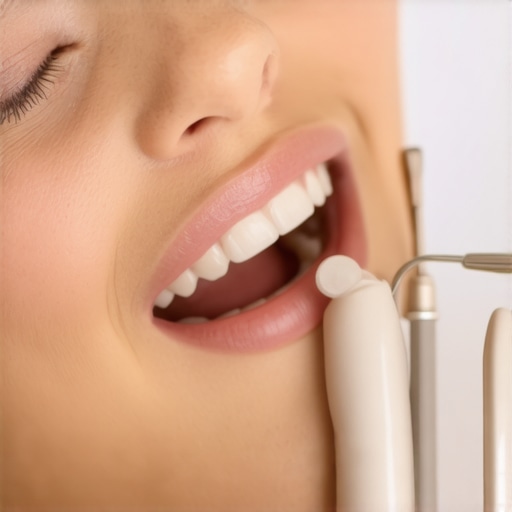 Many people believe they fully understand procedures like Invisalign, teeth whitening, and veneers, but in reality, there’s a lot more beneath the surface that even seasoned consumers overlook. One common myth is that Invisalign is solely about discreetly aligning teeth; however, an advanced mistake is ignoring the importance of attachments and auxiliary features that significantly impact treatment outcomes. For example, not understanding the role of elastics in complex cases can lead to prolonged treatment times or subpar results. According to a study published in the Journal of Clinical Orthodontics, the optimal use of attachments can improve the efficiency of Invisalign treatments by up to 30%. So, are you maximizing your aligners’ potential?
Keep Your Dental Upgrades in Top Shape with the Right Tools
When it comes to maintaining your Smile enhancements like Invisalign, veneers, or teeth whitening, quality equipment isn’t just a luxury—it’s a necessity. I personally rely on the Oral-B Genius X Electric Toothbrush because its AI-powered brushing modes ensure every quadrant gets the precise attention it needs, helping me maintain that bright, even smile. Its built-in pressure sensor prevents over-brushing, which is crucial for preserving veneers and protecting sensitive areas. Pair this with my go-to flossing tool, the Waterpik Sonic-Fusion. This device combines brushing and flossing in one easy step, saving time while ensuring plaque is thoroughly removed around aligners and veneers. This precision essential for long-term results seems minor but makes a dramatic difference over months.
Enhance Your Routine with Expert-Recommended Devices
In addition to daily tools, I swear by professional-grade whitening pens, such as these whitening pens. They allow for quick touch-ups between dentist visits and help keep stains from setting into veneers or natural teeth. On the technical side, for aligner wearers, I prefer the Aligner case with UV sanitizer because it not only stores my trays but also keeps them free from bacteria—a step toward better oral health and cleaner results.
Forecasting the Future: Smarter, Safer, and Faster Maintenance
The next wave of dental tools is leaning toward smart devices that monitor wear-time and give real-time feedback via apps, making long-term care more proactive. According to a recent report from the Journal of Clinical Orthodontics, integrating technology that tracks aligner usage improves compliance and treatment results. It’s an exciting time where your daily routine is supported by technology that prevents costly setbacks and ensures that your cosmetic investments last.
How do I maintain my smile enhancements over time?
Consistent maintenance is vital. Regular professional cleanings—every six months—keep surfaces from accumulating stubborn plaque and tartar, especially around veneers and bonded areas. Using specific tools like a plaque disclosing rinse helps visualize and remove plaque buildup before it becomes problematic. To stay ahead, schedule your checkups with your dentist and discuss any new tools that might save you time or improve results, like the latest in digital implant monitoring. Remember, investing in quality tools and routines today ensures you enjoy the long-term benefits of your aesthetic and functional improvements. For tailored advice and support, don’t hesitate to reach out to our team—we’re here to help you keep that smile shining bright.
The Hardest Lesson I Learned About Invisalign and Family Dentistry
One of the most profound insights I gained was realizing that not all providers emphasize the importance of auxiliary features like attachments or the significance of ongoing compliance with Invisalign treatments. My initial assumption was that simply wearing the aligners was enough, but as I delved deeper, I understood that neglecting these tiny details can extend treatment time and compromise results. This taught me that educating oneself and actively engaging with your dentist can make all the difference in transforming your smile efficiently.
My Top Picks to Elevate Your Dental Journey
Over time, I’ve come to trust tools and resources that truly support a healthy, beautiful smile. The best teeth whitening kits have personally helped me maintain my sparkle, while the top-tier veneers offered a quick aesthetic boost when needed. For ongoing guidance, family dentistry tips have been invaluable in ensuring my loved ones maintain healthy smiles across generations. These trusted resources have streamlined my routines and helped me stay confident in my dental care choices.
Claim Your Bright Future: Smile Confidently Today
Your journey to a more radiant and healthier smile is within reach. By embracing personalized tips and utilizing trusted tools, you can elevate your dental experience and enjoy long-lasting results. Remember, every small step—be it choosing the right whitening method or maintaining regular checkups—contributes to a smile that truly reflects your vibrant personality. Don’t wait for another day to invest in your smile’s future—start today and shine bright!
What has been your biggest challenge in maintaining or improving your smile? Share your story below — I’d love to hear how you’re making your dental journey work for you!