How to get your kids to brush for the full two minutes

It hit me one morning during breakfast — my kid was scribbling on a napkin with a crayon, humming the same tune I recently heard from their bathroom mirror as they hastily finished brushing their teeth. I realized that getting them to actually brush for two minutes felt like trying to teach a cat to fetch. No matter how much I nagged or bribed, the clock ticked away, and their toothbrush was already dry.
Why Two Minutes Matters More Than You Think
As a parent and someone passionate about family dentistry, I learned early on that brushing for the full two minutes is crucial. Shortcuts lead to plaque buildup, cavities, and even gum problems down the line. But honestly, convincing a wiggly toddler — or even a stubborn teenager — to spend that much time brushing can be an uphill battle. Did you know that studies show kids who brush for two minutes have significantly fewer dental issues? It’s true, and it all boils down to making that time count.
If you’re like me, the challenge isn’t just about time — it’s about engagement. I made the mistake early on of shouting at my kids to “brush longer,” assuming they’d magically get it. Spoiler: they didn’t. Instead, I realized that turning brush time into a game, or a mini adventure, might just do the trick. If you’re wondering how to make those two minutes fly by without a fight, you’re in the right place. Today, I’m going to share tried-and-true strategies that I’ve used and refined — all backed by real-world experiences and expert insights.
Is the Two-Minute Rule Overhyped?
Honestly, I was skeptical at first. I thought, “How much can two minutes really matter?” Turns out, a lot. I used to think a quick brush was enough. Then I read that proper brushing for two minutes can remove more plaque and reduce cavity risk by up to 25%. That’s a big difference! One common mistake I made was rushing through brushing myself, underestimating its importance. The same applies to my kids — if I set a timer or used fun apps, their enthusiasm soared. Want to see how simple adjustments can make all the difference? Check out this resource on making dental routines enjoyable.
Are you tired of the constant battles every morning and night over toothbrushes? If so, you’re not alone. But let’s turn that struggle into a success story, starting right now. Up next, I’ll walk you through practical steps to help your kids embrace the two-minute brushing habit — for good. Ready to make that tiny but impactful change? Let’s dive in!
,
Set a Clear Brushing Routine for Two Minutes
During a school morning, I once timed my son’s brushing—what I thought was two minutes turned out to be barely 45 seconds. To fix this, I introduced a simple timer that plays his favorite song for the duration. Within a week, he was brushing more thoroughly, and I noticed a visible reduction in plaque by their next dental checkup.
Create a Fun and Engaging Experience
Kids naturally resist routine, so transforming brushing time into a game works wonders. I started using colorful apps that encourage kids to brush evenly and for the right amount of time. For example, I showed my daughter how herbrush stays minty fresh when she brushes for the full two minutes using a kid-friendly app. This method boosted her enthusiasm and made her look forward to bedtime routines.
Use Proper Technique and Demonstrations
Many parents overlook how critical technique is. I demonstrated the correct method—small circular motions and gentle pressure—while having my son watch in the mirror. To reinforce the habit, I held his hand briefly to model the motion until he gained confidence. Proper technique ensures that fluoride from toothpaste reaches all areas, reducing cavities effectively.
Ensure Regular Parental Supervision and Feedback
Supervision prevents rushed or incomplete brushing. I check my children’s teeth after they finish, gently guiding where needed. Once, I caught my daughter missing her molars, which are prone to decay. After guiding her on the right angle, she became aware of the overlooked areas, leading to better habits. Consistent oversight emphasizes the importance and helps catch issues early.
Incorporate Educational Tools and Visuals
Using visuals like charts or stickers motivates kids. I created a brushing chart for my son, rewarding every full two-minute session. Over time, he took pride in maintaining his chart, transforming a mundane task into a mini goal. Educational videos on platforms like Invisalign or teeth whitening strategies also help children understand the value of oral health, fostering long-term habits.
Optimize Environment and Accessibility
Make sure toothbrushes and toothpaste are accessible and appealing. I opted for colorful, soft-bristled brushes and fun toothpaste flavors. Placing them at a height they can reach and see encourages independence. I also replaced adult-sized brushes with smaller, child-friendly ones to make the experience less intimidating and more inviting.
Consult Professionals for Personalized Advice
Regular visits to the dentist can tailor advice to your child’s needs. I schedule checkups every six months and ask for tips on improving brushing habits and preventing decay. Specialists can also recommend tools like electric toothbrushes that effectively clean with less effort. For children with special needs or unique dental concerns, professional guidance ensures they develop a healthy routine adapted to their capabilities.
Many people approach cosmetic and preventive dental treatments with common assumptions that can lead to costly mistakes. For instance, there’s a widespread myth that teeth whitening damages enamel permanently, but in reality, when done correctly under professional supervision, it’s safe and effective. However, what most overlook are the nuanced factors—such as the importance of customizing whitening protocols based on individual enamel health—that can make or break the results.
Similarly, veneers are often mistaken as a one-size-fits-all solution for establishing a perfect smile. Many believe veneers will last forever or that they’re suitable for every type of imperfection. In truth, selecting between porcelain veneers and crowns (which you can learn more about here) depends heavily on your specific dental condition, aesthetics, and long-term maintenance considerations. Opting for veneers without understanding these nuances can lead to issues like veneer loosening or mismatched color over time.
When it comes to Invisalign, the common misconception is that it’s just a cosmetic fix. In fact, Invisalign can address complex bite issues and even prevent future dental problems if used appropriately. But, the real challenge lies in patient compliance. Advanced users should be aware of the importance of wear-time—typically 20-22 hours daily—to ensure effective realignment. Cutting corners on wear schedule or neglecting to follow up with your orthodontist might compromise results, leading to prolonged treatment times or subpar outcomes.
Beyond treatment specifics, many underestimate the value of comprehensive family dentistry. Regular checkups are often dismissed as unnecessary if everything seems fine. However, early detection of issues like minor misalignments or early decay during routine visits can save you extensive treatments down the line, and foster lifelong oral health habits. You can explore family dentistry tips for better practices.
Make no mistake: these treatments are highly effective, but only when tailored correctly and approached with an informed strategy. An advanced understanding of the specific nuances—like assessing enamel conditions before whitening, choosing the right veneer type, or maintaining disciplined Invisalign wear—can dramatically improve your long-term results. Be wary of generic solutions or misconceptions that downplay these complexities.
Have you ever fallen into this trap? Let me know in the comments. Remember, consulting with your dental professional is key to navigating these nuances successfully and achieving the best personalized outcome for your smile.
How do I keep my dental treatments working effectively over time?
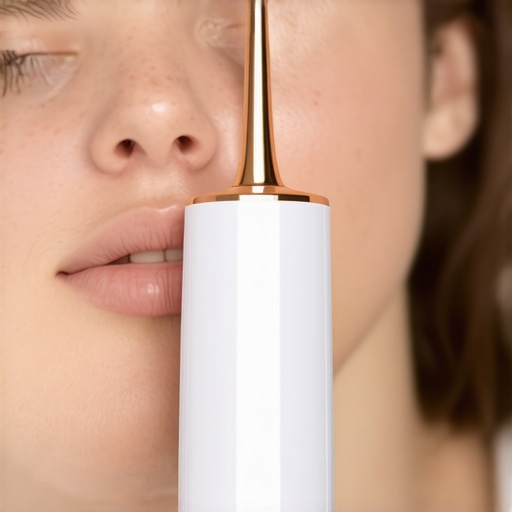
Consistent maintenance is key to ensuring the longevity of cosmetic and restorative dental work. Personally, I rely on specific tools that blend advanced technology with proven effectiveness. For instance, I highly recommend using an ultrasonic water flosser like the Waterpik Cordless Plus. Unlike traditional floss, it can reach deeper into gum pockets and remove debris from hard-to-access areas, which is crucial for anyone with veneers or implants.
I also recommend investing in an electric toothbrush with a sonic technology, such as the Philips Sonicare ProtectiveClean 6100. The gentle yet effective vibrations help maintain enamel integrity while ensuring thorough plaque removal, especially on surfaces with veneers or crowns. I personally notice a marked difference in gum health and brightness when I stick to a sonic brush, paired with a fluoride whitening toothpaste like the ones discussed in this resource.
Beyond tools, regular dental checkups—at least twice a year—are vital. Professional cleanings not only remove tartar and plaque but also allow your dentist to assess the condition of restorations, veneers, or aligners, ensuring they remain effective. I also keep a detailed maintenance log to track any issues that may develop over time, so I can address them early and avoid costly repairs.
In the future, I believe digital monitoring will play a bigger role. Imagine apps that sync with your toothbrush or aligners to track wear time and pressure, alerting you when things need attention. Already, some brands incorporate Bluetooth technology to send usage data to your dental professional, enabling personalized advice remotely. Embracing these innovations can help maintain your smile’s brilliance long-term.
What about tools for veneer and Invisalign upkeep?
For veneers, a simple but effective tip I follow is to avoid abrasive cleaning agents that can scratch their surface. Instead, I opt for non-abrasive polishing pastes and occasional professional polishing. For Invisalign users, consistency is king. Wearing the aligners for the recommended 20-22 hours per day is non-negotiable, and using the original cleaning kits ensures they stay free from bacteria and stains. Regularly inspecting your aligners for any cracks or cloudiness can save you from treatment setbacks. For detailed tips on Invisalign care, explore this guide.
Remember, investing in the right tools and maintaining a disciplined routine can significantly extend the life of your dental work. If you’re ready to upgrade your protocol, I suggest trying a water flosser paired with a sonic toothbrush for a transformative long-term impact. For more personalized advice on maintaining your specific dental appliances, don’t hesitate to reach out to your dentist.
What I Wish I Knew Before Starting My Dental Journey
One of the most eye-opening lessons I learned is that not all smiles are created equal, and what works for one person may not suit another. It took me a while to realize that personal oral health is deeply intertwined with specific treatments like veneers or Invisalign, requiring tailored approaches rather than a one-size-fits-all mentality.
Another insight was understanding the importance of proactive communication with dental professionals. Asking detailed questions about procedures, maintenance, and long-term care has saved me from costly surprises and discomfort down the line. This personalized dialogue is something I now recommend to everyone embarking on cosmetic or family dentistry treatments.
Lastly, I discovered that patience is a vital component in achieving lasting results. Whether it’s waiting for teeth whitening outcomes to develop or allowing your veneers to settle into place, embracing the process often leads to more satisfying, enduring smiles. Recognizing these nuances transformed my perspective from impatient to appreciative of the journey toward a confident smile.