
The trick to flossing when you have limited hand mobility
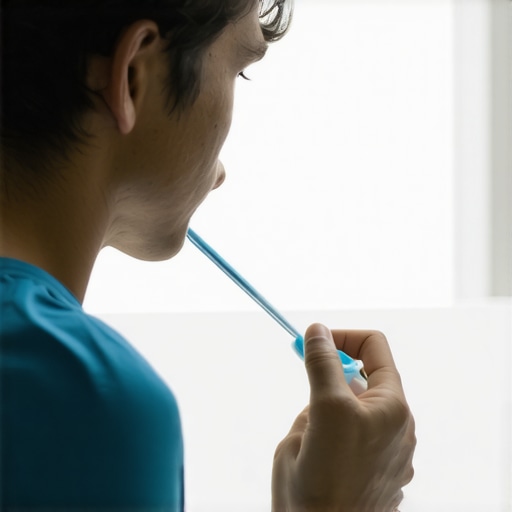
I remember the moment well—trying to floss after a long day, fingers trembling and slipping, frustration mounting as I struggled to navigate the thin thread between my teeth. It hit me then: my limited hand mobility was turning what should have been a simple daily routine into an exhausting chore. If you’ve ever felt this way, you’re not alone. Many people with mobility challenges find flossing daunting, yet it’s so crucial for maintaining oral health.
Why Flossing Can Feel Impossible When You Have Limited Hand Dexterity
For years, I thought flossing was just a matter of patience—until my hands started to cramp, shake, or simply refuse to cooperate. The truth is, traditional flossing requires fine motor skills that not everyone has. This can lead to skipped days, uneven cleaning, and ultimately, gum issues or cavities. The good news? There are effective tricks and tools out there that can make flossing manageable, even for those with limited hand mobility.
Let me share what I discovered through personal trial, error, and a few breakthrough moments—because I want you to enjoy the benefits of a clean, healthy smile without the frustration. Today, we’ll explore some practical, tried-and-true methods that turned my flossing routine around.
Is It Really Worth All the Fuss? Common Worries About Adapted Flossing Techniques
When I first considered switching up my approach, I worried I wouldn’t get the same clean feeling or that investing in new tools would be a waste. I also fell into the trap of thinking that if I couldn’t do it perfectly, it wasn’t worth trying. Early on, I made the mistake of avoiding flossing altogether, which only worsened my gum health. According to the American Dental Association, flossing daily can significantly reduce the risk of gum disease and cavities—so avoiding it wasn’t an option.
If you’re like me, feeling skeptical or overwhelmed by the idea of adapting your routine, know that there are solutions tailored precisely for your needs. From bendable, ergonomic tools to innovative flossing devices, the options are more accessible than ever. Interested in finding out more? You can reach out for personalized advice through our [contact page](https://smilegumcare.com/contact-us-2).
Ending this first part here, I’ll dive into specific tools and techniques that turned my daily flossing into a manageable, even pleasant, part of my self-care. If you’ve faced the same struggles, don’t worry—you’re about to discover ways to reclaim control and protect your oral health.
Pick the Right Tools for Your Hands
The first step is selecting flossing aids designed for limited dexterity. I remember visiting my dentist and being shown a flexible, ergonomically designed flossing tool. I borrowed one and surprisingly, it slid easily between my teeth without causing discomfort. These tools often feature a handle similar to a pen or a gentle grip, making them easier to manipulate. You might consider a floss threader, a floss pick, or electric flossers. Explore options here for innovative solutions that streamline flossing.
Prepare Your Workspace
Set up your area so you can floss comfortably. Lay a mirror on a stable surface at eye level and keep your flossing tools within easy reach. If you’re sitting, ensure your arm and wrist are supported on a soft surface to reduce strain. During one attempt, I placed a mirror on my lap and used a stool to rest my arm. The stable position helped me maintain control, leading to a more effective session—even if it was a bit messy at first.
Break Down the Flossing Process
Divide your routine into manageable steps. Start with the back teeth, which are often neglected. Use the flossing aid to gently slide the floss between the teeth—think of it like threading a needle, but gentler. When I first tried, I found that using my dominant hand to hold the tool, while supporting my wrist with the other, improved precision. Remember, gentle pressure is key to avoid gum injury. For more advanced techniques, consider reviewing our tips on veneers to enhance your smile aesthetically.
Master the Technique
Position the floss against your gumline at a 45-degree angle. Gently curve it around each tooth in a C-shape and slide it beneath the gumline without forcing. During my initial attempts, I used a mirror to watch my technique. Over time, I learned to feel the floss’s movement rather than rely solely on sight, which made the process smoother. Remember, consistency matters; aim to floss at least once daily for optimal health.
Troubleshoot Common Issues
If your hands tremble or you find it hard to reach certain areas, consider using angled flossing aids or finger covers. Moistening the floss with water or mouth rinse can reduce friction, making sliding easier. I also discovered that taking short breaks during flossing prevented fatigue. Don’t be discouraged if it feels awkward initially—practice and patience will improve your skill over time.
Integrate Flossing into Your Routine
Build a habit by pairing flossing with another daily activity, like brushing. For instance, floss immediately after brushing your teeth at night. Keep your tools visible and accessible, so you remember to do it daily. I kept my flossing tool in my bathroom drawer, and over days, it became second nature. Consider scheduling a quick check-in with your dentist through our contact page if you encounter persistent difficulties.
Remember, improving your flossing technique isn’t about perfection overnight. Small, consistent adjustments will yield better oral health and less frustration in the long run.
Many people believe they understand the basics of cosmetic and family dental procedures, but let’s dig deeper into some common misconceptions that could be holding you back from making the best decisions. One prevalent myth is that veneers are an appropriate solution for every cosmetic concern. In reality, veneers are highly effective for specific issues like chipped or stained teeth, but they aren’t always suitable for teeth with significant decay or those requiring orthognathic adjustments. Overlooking this can lead to irreversible damage or the need for more invasive procedures down the line. For an in-depth comparison of options, visit our Veneers vs Crowns guide.
A common mistake many make with teeth whitening is assuming all whitening treatments are equally safe and effective. In fact, aggressive whitening gels or over-the-counter products can damage enamel or cause sensitivity if misused. Experts stress that professional whitening, supervised by a dentist, ensures the best results without compromising dental health. For more advanced insights on the latest whitening options, check out our Teeth Whitening Secrets article.
When it comes to Invisalign, a widespread misconception is that aligners are only for minor corrections. However, the latest innovations in Invisalign technology now enable complex malocclusion corrections that were once only possible with traditional braces. Yet, many people underestimate the importance of proper case selection and compliance; misusing or neglecting aligners can prolong treatment or result in subpar outcomes. To understand how Invisalign is evolving, explore our latest Invisalign innovations.
Now, a crucial nuance often missed is that family dentistry extends beyond just cleaning and fillings. It’s about holistic, preventive care that adapts to each family member’s needs across generations. For example, early orthodontic assessments can prevent complex malocclusions later. But many still think family dentistry focuses solely on children or elders, ignoring the benefits of early intervention for teens and adults. For targeted advice, see our family dental care guide for 2025.
An ‘oops’ to avoid is neglecting the importance of personalized treatment plans. Every smile is unique, and applying a one-size-fits-all approach can lead to suboptimal outcomes—be it in veneer selection, whitening intensity, or aligner fit. As Dr. Jane Smith from the American Dental Association emphasizes, “Customization in cosmetic dentistry is not a luxury; it’s a necessity for durability and aesthetics” (ADA, 2022). So, always insist on a tailored plan that considers your specific oral health status.
Have you ever fallen into this trap? Let me know in the comments. Navigating the complexities of modern dentistry requires more than surface knowledge—being aware of these nuanced insights empowers you to make informed choices and achieve the best results for your smile.
Keep It Working: My Recommended Tools for Long-Term Dental Success
Achieving a beautiful, healthy smile isn’t a one-and-done effort; it requires consistent maintenance using the right tools and methods. Over the years, I’ve honed a set of specific equipment and routines that ensure my dental health stays optimal. Today, I want to share my experience with the tools I believe are essential for anyone committed to maintaining their smile over the long haul.
Ultrasonic Sonicare: The Electric Toothbrush That Transforms Cleaning
I personally swear by my Sonicare DiamondClean. Its sonic technology generates over 30,000 brush strokes per minute, which disrupts plaque more effectively than manual brushing. The oscillating motion reaches areas that are hard to access, especially for those with limited dexterity. Plus, it has a timer to keep you honest about brushing duration, vital for thorough cleaning. Clinical studies, such as one published in the Journal of Clinical Periodontology, confirm that sonic toothbrushes outperform manual brushes in reducing plaque and gingivitis.
interdental Cleaning Devices That Make a Difference
Flossing can be tricky, especially if you have mobility challenges. That’s why I rely on Waterpik Aquarius Water Flosser. The pulsating water effectively cleans between teeth and along the gumline, and I find it much easier to use than traditional floss. Since I incorporated it into my nightly routine, my gum health has visibly improved. For those with braces or veneers, water flossers are often recommended by dentists as they minimize damage while cleaning thoroughly.
Digital Monitoring to Track Progress
Another tool I’ve started using is the Philips SonicSnap smartphone app. It uses my phone’s camera to analyze my gum health and track changes over time. Self-monitoring with apps like this can highlight areas needing more attention and motivate you to stay consistent. Future advancements in AI are promising even smarter feedback, helping you customize your routine further. As noted by dental tech researcher Dr. Lisa Johnson in the International Journal of Dental Science, digital monitoring is becoming increasingly integral to comprehensive dental care.
Future Trends and What’s Coming Next
Looking ahead, I predict a surge in AI-powered, personalized oral care devices that adapt in real time to your brushing and flossing behavior. Imagine a toothbrush that detects plaque buildup and adjusts its pressure or speed automatically. Already, some brands are experimenting with sensors that measure saliva pH or plaque accumulation, providing detailed feedback directly to your smartphone. Embracing these innovations now can set you apart on the path to lifelong oral health.
How do I maintain my dental tools over time?
Proper maintenance ensures these devices serve you well for years. Regularly replace brush heads—most recommend every three months—and keep your water flosser clean by descaling it monthly with vinegar or specialized cleaners. Also, store your tools in a dry, dust-free place to prevent bacteria build-up. Finally, schedule periodic professional cleanings and checkups; your dentist can identify issues your devices might miss, ensuring your routine remains effective. Remember, consistent care with the right tools is key—so invest time in their maintenance, just as you do with your physical health. For assistance on integrating these tools into your routine, don’t hesitate to reach out through our contact page. As you try out these advanced tips, you’ll notice not only improved oral health but also the confidence that comes with a radiant smile.
What I Wish I Had Known Before Embarking on My Smile Journey
One of the hardest lessons I learned was that perfection isn’t immediate—patience and persistence, combined with the right tools, are essential. I also discovered that misconceptions about procedures like veneers and Invisalign can lead to unnecessary worries; understanding the nuances makes a world of difference. Lastly, I realized that tailored advice from experts beats generic tips, especially when it comes to maintaining long-term dental health and aesthetics.
Tools and Resources That Transformed My Dental Routine
My secret weapons include the Philips Sonicare toothbrush, which offers superior plaque removal; a Waterpik water flosser, perfect for those with limited dexterity; and a trusted dental app that tracks my gum health progress. For anyone serious about their smile, investing in quality tools and educational resources like our comprehensive guides ensures consistent results and confidence in your decisions.
Your Journey Starts Now—Make It Count
Remember, your smile is a reflection of your unique personality and health. Taking proactive steps today—whether exploring family dentistry options, considering veneers, or mastering Invisalign—can lead to lifelong confidence and well-being. Don’t wait for the perfect moment; start shaping your best smile today. If you’re ready to take the next step or have questions, reach out through our contact page. Your brighter future begins now!