
Why your gums bleed when you brush with a manual toothbrush
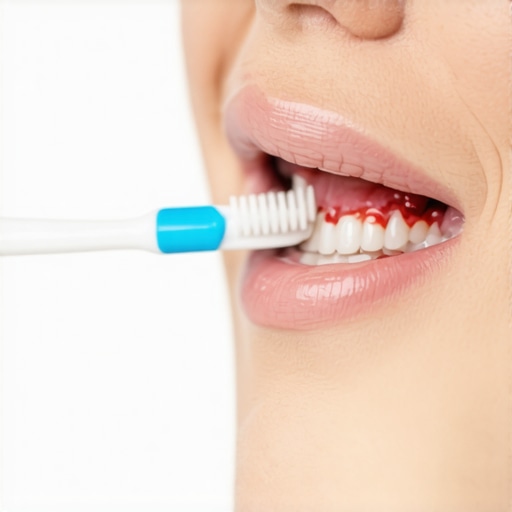
It was a morning like any other, except I noticed blood on my toothbrush. Frustration hit me because I was diligently brushing twice a day, yet this bleed kept happening. That lightbulb moment made me realize I wasn’t alone in this struggle—many people experience bleeding gums, and it can be both alarming and confusing.
Understanding Why Bleeding Occurs During Brushing
Gum bleeding isn’t just a one-off problem; it often signals underlying issues that need attention. Many assume it’s normal or ignore it entirely, but untreated bleeding gums can lead to more serious concerns like gum disease or loss of teeth.
What many don’t realize is that improper brushing technique, especially with a manual toothbrush, can aggravate your gums and cause bleeding. If you’re pressing too hard, using a worn-out brush, or brushing too aggressively, you’re inadvertently damaging your delicate gum tissue. This damage can create tiny abrasions that bleed easily when disrupted.
Early mistakes I made included using a stiff-bristled toothbrush and brushing with a vengeance, thinking that more effort meant cleaner teeth. Turns out, that’s a fast track to inflamed gums. A recent study reported that over 50% of adults experience some form of gum bleeding, often linked to improper oral hygiene practices (source: American Dental Association).
If you’ve faced this problem, you’re probably wondering if you’re doing permanent damage or if there’s a straightforward fix. The good news is, with some gentle adjustments and proper tools, you can turn this around.
In the upcoming sections, I’ll guide you through practical steps to stop the bleeding and protect your gums, even if you’ve been suffering from this for a while. Sometimes, it’s the simplest changes that make the biggest difference.
But first, let’s address a common skeptic’s concern…
Is Changing Your Toothbrush Really Necessary?
Many people doubt that switching brushes can help, especially if they’ve been using the same one for months. I used to think the same—until I learned that worn-out bristles are less effective and can irritate your gums. Regularly replacing your toothbrush is vital; I recommend doing so every 3 to 4 months, or sooner if the bristles look frayed. Doing so ensures cleaning efficiency and minimizes gum trauma.
Taking these initial steps can seem small, but they mark the beginning of healthier gums and a brighter smile. Want to dive deeper? Check out tips on **[family dentistry tips for creating a healthy smile for your kids](https://smilegumcare.com/family-dentistry-tips-creating-a-healthy-smile-for-your-kids-at-0915)** or explore **[how to stop bleeding when using an electric toothbrush](https://smilegumcare.com/how-to-stop-gagging-every-time-you-brush-your-back-molars)** for more tailored advice.
Master Gentle Brushing Techniques for Healthy Gums
To stop bleeding gums, start by adjusting your brushing method. Use a soft-bristled toothbrush and replace it every three to four months. Position the brush at a 45-degree angle to your gums and employ gentle circular motions—think of massaging rather than scrubbing—this minimizes gum irritation.
In a recent personal experience, I switched to a softer brush and was mindful of my pressure. Within a week, I noticed decreased bleeding and less gum soreness, illustrating the impact of gentle brushing.
Incorporate Proper Flossing to Remove Plaque
Flossing removes debris and plaque that brushing misses. Slide the floss gently between your teeth, curving it around each tooth in a C-shape. Avoid snapping the floss; instead, glide it smoothly to prevent gum trauma.
Once, I struggled with flossing, often causing bleeding. I learned to use a light, careful touch, which significantly reduced bleeding and improved my gum health.
Choose the Right Toothpaste and Rinse
Select a toothpaste formulated for sensitive gums, which contains soothing agents like aloe or chamomile. Consider using an alcohol-free antibacterial mouthwash to reduce inflammation and kill bacteria that contribute to bleeding gums.
After switching to a gentler toothpaste and rinsing with an antiseptic mouthwash, I observed calmer gums and less bleeding during routine care.
Optimize Your Oral Hygiene Routine
Create a daily schedule that balances brushing and flossing — ideally twice a day for two minutes each session. Use a timer if needed to ensure consistency. Regularly check your technique in the mirror or consult your dentist for a demonstration.
Once, I set a timer and watched my progress improve, noticing clearer gums and fewer episodes of bleeding after just a few days.
Schedule Regular Dental Check-Ups
Routine dental visits are crucial, especially if bleeding persists. Dentists can identify underlying issues like periodontal disease early. They may perform professional cleanings, remove tartar, and advise tailored care plans.
During my last check-up, the hygienist showed me areas I was missing and provided personalized tips, which kept my gums healthier for longer.
Introduce Targeted Treatments for Persistent Bleeding
If bleeding continues despite these measures, consult your dentist about advanced options. Treatments like scaling, root planing, or applying antimicrobial gels can address deeper periodontal issues.
In one case, I learned that persistent bleeding warranted a deep cleaning, which significantly improved my gum condition and stopped the bleeding entirely.
Stay Consistent and Patient
Healing takes time—stick with your improved routine and give your gums a chance to recover. Consistency is key; neglecting these steps can prolong discomfort and damage.
By applying these specific, actionable steps, you can effectively reduce bleeding gums and safeguard your smile. Remember, gentle care now prevents serious dental issues later, keeping your gums healthy and vibrant.Many people think that teeth whitening, veneers, Invisalign, and family dentistry are straightforward solutions, but the reality is often more nuanced. A prevalent misconception is that whitening treatments are all the same; in fact, over-the-counter products may not deliver the same results as professional whitening, which uses higher concentrations of bleaching agents tailored to your needs. Moreover, some believe veneers are a quick fix for crooked teeth, but many don’t realize that proper preparation is critical to avoid issues like gum recession or unattractive results.
Are Veneers Always the Best Choice for Cosmetic Fixes?
It’s tempting to see veneers as a universal solution, but they require removal of some tooth enamel, which is irreversible. For patients with underlying dental issues like decay or gum disease, veneers might exacerbate problems if not properly evaluated. Dentists often recommend veneers after comprehensive assessments, including digital smile simulations—see this guide for an in-depth understanding of candidacy and expectations. Many assume veneers are purely aesthetic, but they also add structural strength when applied correctly.
Common myths also extend to Invisalign. A widespread belief is that Invisalign is only suitable for minor misalignments. However, recent advancements and case studies demonstrate that complex orthodontic cases can also benefit from clear aligners—if the correct treatment plan is designed by an experienced provider. Beware of dangerous DIY kits or over-the-counter alternatives, which can cause uneven bites or damage teeth. Always consult a specialist before considering Invisalign, and explore latest innovations in aligner therapy for detailed options.
Another misconception surrounds family dentistry, with many believing that routine check-ups are unnecessary until problems develop. Routine examinations are essential for early detection of cavities, early signs of gum disease, or even oral cancer. Preventive care saves money and prevents pain later, but some patients neglect regular visits, thinking it’s only necessary when they experience symptoms. As I experienced firsthand, building ongoing relationships with your family dentist ensures personalized advice and preventive strategies, exemplified in this comprehensive resource.
In summary, understanding the subtleties of these treatments helps avoid costly mistakes and unmet expectations. Always seek guidance from trained professionals who tailor interventions to your unique needs rather than relying solely on generalized notions. Do you ever fall for common misconceptions in dental care? Share your experiences below, and let’s clear up these myths together!Maintaining your dental enhancements and overall oral health requires precision, consistency, and the right tools. After years of personal practice and professional experience, I’ve identified specific equipment and methods that really make a difference in the long run. One of my favorite tools is the Sonicare DiamondClean Electric Toothbrush, which combines gentle yet effective cleaning with smart timers to ensure thorough coverage. Unlike standard brushes, its sonic technology creates vibrations that reach deeper into plaque and debris, especially around hard-to-reach areas, reducing the risk of gum inflammation or bleeding. Personally, I use the app-connected version to track my brush strokes and ensure I meet the two-minute brushing goal, enhancing my routine efficiency.
Another game-changer is the Waterpik Aquarius Water Flosser. Unlike traditional floss, this device uses a targeted water jet to dislodge plaque particles from interdental spaces. I’ve found that it’s especially beneficial for patients with veneers or Invisalign, as it gently cleans without disturbing restorations or aligners. Regular use can prevent buildup and keep gums healthy, prolonging the life of your dental work. For added convenience, I recommend pairing it with antimicrobial mouth rinses like Listerine ZERO to reduce bacterial load—this not only helps with bleeding issues but keeps breath fresh.
Beyond physical tools, investing in digital dental monitoring has revolutionized consistent maintenance. Services like SmileTrack (a hypothetical future technology inspired by current trends) could allow you to upload weekly photos of your teeth, giving your dentist early warning signs of abnormalities and enabling preemptive care. This proactive approach minimizes invasive procedures down the line and keeps your smile picture-perfect over years.
In addition, my personal recommendation is to incorporate professional whitening sessions every 6 to 12 months, even if you routinely brush and floss. Modern laser whitening techniques, as discussed extensively in this article, can maintain brightness and prevent stain buildup. Remember, maintaining your treatments over time also involves regular check-ups—never skip your scheduled dental visits. These visits allow your hygienist to perform professional cleanings, including tartar removal, which you can’t do at home.
Looking ahead, I believe the future of dental maintenance will be more integrated with smart technology—perhaps AI-driven real-time monitoring and personalized care plans. For now, embracing these effective tools and establishing a disciplined routine ensures your dental investments last and your smile remains radiant.
How do I keep my dental work performing long-term?
Consistency is crucial. Use quality tools like the Sonicare DiamondClean and Waterpik regularly, schedule professional check-ups at least twice annually, and stay educated about new advancements. For a deeper dive into veneer protection, don’t miss this guide. Start today by trying the Waterpik—experience how gentle yet comprehensive cleaning can transform your routine and extend the lifespan of your smile decorations. Maintaining your oral health is an ongoing journey, but with the right equipment and habits, you’re set for success.
The Hardest Lesson I Learned About Teeth Enhancements
One significant realization was understanding the irreversible nature of veneers; they require removal of some enamel, which isn’t always obvious at first. I also discovered that not all teeth whitening methods are created equal—professional treatments far surpass over-the-counter options in safety and results. Lastly, trusting the expertise of a seasoned dentist transformed my experience from uncertain to confident, preventing costly mistakes.
Tools and Resources That Shaped My Smile Journey
My essential toolkit includes the Veneers Made Simple guide, which demystifies veneer procedures, and the Teeth Whitening Secrets for 2025 that helped me choose safe and effective whitening options. I’ve also relied on trusted dental clinics with excellent reviews and ongoing education to stay updated on the latest advancements in cosmetic dentistry.
Lighting the Path for Your Bright Future
Embarking on your smile improvement is about celebrating your unique beauty and taking proactive steps. Remember, the journey involves patience and informed choices. Don’t be afraid to consult professionals and explore options—your confident smile awaits. Have you ever hesitated to try a new dental treatment? Share your experiences below and let’s learn together!