
Why your child’s adult teeth are coming in before baby teeth fall out
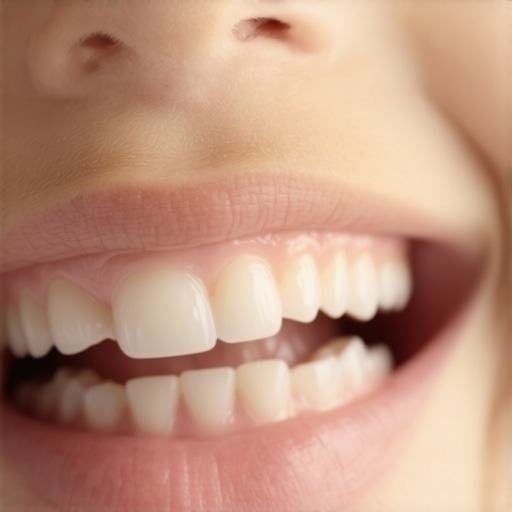
I remember the exact moment I noticed my child’s new adult tooth poking through before any of her baby teeth seemed ready to fall. It was unsettling—almost as if her smile was shifting into a strange new phase without warning. That moment made me realize how confusing and worrying dental development can be for parents. If you’re like me, you’ve probably wondered, “Why is this happening? Is it normal? Should I be worried?” Well, you’re not alone, and there’s good news: understanding the why behind this process can help ease your concerns.
Decoding the Surprise: When Adult Teeth Appear First
Children’s dental development can sometimes seem like a mystery. Typically, baby teeth make room for adult teeth, acting as guides for the permanent set. But what happens when the adult teeth appear prematurely—before the tiny baby teeth even start to loosen? This phenomenon isn’t uncommon. In fact, studies show that about 1 in every 20 children experiences early eruption of adult teeth, often around the age of 5 or 6 (American Dental Association, 2022). This can be startling, especially for parents who expect a predictable timeline.
From a biological perspective, early eruption might be due to genetic factors or developmental variations. Sometimes, it happens because of a delay in baby teeth shedding—a process known as “late primary teeth loss”—which can make it seem like adult teeth are coming in early. In other cases, it’s simply a variation of normal growth patterns, and it largely depends on your child’s unique development.
But here’s the thing: early eruption can sometimes signal underlying issues like overcrowding, misaligned teeth, or even nutritional factors that influence jaw development. Recognizing these early signs gives you a chance to intervene appropriately. As a parent, I made the mistake of ignoring initial signs of irregular eruption, only to face more complex dental delays later on. Trust me, catching these patterns early can save you a lot of trouble.
Now that we’ve demystified the ‘why,’ let’s explore what this means for your child’s oral health and what steps you can take. Are you wondering if this early arrival of adult teeth will affect your child’s bite or orthodontic plan? Stay tuned—help is on the way.
Initiate a Comprehensive Dental Evaluation
Schedule a visit with a pediatric dentist familiar with family dentistry tips at https://smilegumcare.com/family-dentistry-tips-creating-a-healthy-smile-for-your-kids-at-0915 to assess your child’s dental development thoroughly. During this appointment, the dentist will examine the mouth, take X-rays if necessary, and identify whether early eruption is a normal variation or indicative of underlying issues. I once took my son for such an evaluation after noticing his adult teeth emerging prematurely; the dentist found no serious problem but provided tailored advice.
Monitor Dental Progress and Document Changes
Keep a detailed record of any unusual dental patterns, such as irregular gaps or misalignments. Use a simple diary or photos to track eruption timing and tooth movement. This information helps your dental professional decide if intervention is needed later. For example, I periodically noted my child’s teeth alignment, which helped during follow-up visits and planning future orthodontic consultations.
Implement Proper Oral Hygiene Practices Early
Encourage your child to brush twice daily with fluoride toothpaste and floss regularly. Early adult teeth can be more susceptible to plaque buildup, leading to cavities or gum issues. Incorporate fun brushing routines and use visual aids to motivate your kid. When my daughter started showing early adult teeth, I included bright-colored toothbrushes and toothbrushing songs to make the routine engaging.
Evaluate Dietary Habits and Nutritional Support
Limit sugary snacks and beverages that promote tooth decay, especially with new teeth emerging. Focus on calcium-rich foods like dairy, leafy greens, and fortified cereals to support jaw and teeth development. I adjusted my child’s diet based on advice from https://smilegumcare.com/brighten-your-life-top-teeth-whitening-strategies-today to strengthen her teeth naturally, avoiding excess processed sugars that could accelerate issues.
Assess Orthodontic Needs Proactively
If early eruption causes overcrowding or misalignment, consult with an orthodontist for options such as Invisalign. In my experience, early intervention prevented more complex corrections later. I’ve learned that discreet options like Invisalign are perfect for young children worried about appearance, and exploring https://smilegumcare.com/invisalign-innovation-invisible-braces-changing-smiles-in-2025-at-1537 gives insight into suitable solutions.
Manage Expectations and Communicate Clearly
Explain to your child what to expect during dental development to reduce anxiety. Emphasize that early eruption is common and manageable. When my son was confused about his changing smile, I talked openly about normal growth processes, which eased his worries and fostered cooperation with dental visits.
Schedule Regular Follow-Ups and Preventive Care
Maintain routine dental check-ups every six months, or as recommended, to monitor progress and implement preventive measures. Early detection of issues like misalignment or decay allows for less invasive treatments, such as veneers or whitening (see https://smilegumcare.com/veneers-made-simple-transform-your-tooth-aesthetics-in-2025-at-1822). This proactive approach minimizes future complications and promotes healthy, confident smiles.
When it comes to aesthetic and restorative dental treatments like veneers, Invisalign, or whitening, many people operate under common assumptions that can lead to costly mistakes. Let’s dig deeper into misconceptions that even some experienced dental patients fall prey to, and reveal the nuances that can make or break your smile transformation. For instance, many believe that veneers are a ‘quick fix’ or that Invisalign is just for teenagers. But in reality, veneers can be a long-term investment requiring careful planning, and Invisalign’s discreet design caters to a broad age range with complex orthodontic needs.
Myth busting about veneers: Many assume veneers are permanent and irreversible. While they are durable, the process involves removing a thin layer of enamel, which is irreversible. Therefore, understanding the differences between veneers and crowns is crucial, as crowns involve encrusting the entire tooth. For a detailed comparison, visit Veneers versus crowns: Which is right for your smile?. Avoid the trap of choosing veneers solely for cosmetic reasons without considering the impact on tooth structure or future options.
Why do some whitening treatments cause sensitivity?
Overusing whitening products or choosing less effective, over-the-counter options can result in enamel erosion, leading to increased sensitivity or uneven whitening. A professional whitening with proper protection minimizes these risks, a process detailed in teeth whitening secrets for a sparkling smile. The mistake to avoid is thinking all whitening methods are equal; a tailored expert approach guarantees safety and results.
What might surprise you about Invisalign? Many people think Invisalign is ineffective for complex cases or that it takes forever. Reality is, advancements in tech now make it an effective solution for various orthodontic issues, including significant misalignments. The key is understanding the technology behind it—which includes 3D imaging and smart aligners—something elaborated at Invisalign innovations for 2025. Don’t fall into the trap of assuming it’s solely cosmetic; Invisalign can improve function and long-term oral health.
To truly leverage these advanced options, an in-depth understanding of your individual dental needs is essential. Skipping full assessments or opting for cheap solutions might save money upfront but can compromise long-term outcomes. As highlighted in family dentistry tips, working with a qualified provider ensures your treatment aligns with your goals and health considerations.
In conclusion, the world of family dentistry and cosmetic procedures is nuanced, and the biggest mistake is accepting common myths at face value. Always seek expert guidance, consider the long-term implications, and ask the right questions. Have you ever fallen into this trap? Let me know in the comments and share your experience. Remember—being informed is the first step to a confident smile.
Keep It Working: Essential Tools for Dental Maintenance
Achieving a beautiful smile is just the beginning; maintaining it requires the right tools and a consistent routine. Personally, I rely on a combination of high-quality dental instruments and digital solutions to ensure long-term success. One staple in my toolkit is an electric toothbrush with oscillating-rotating technology, like the Sonicare DiamondClean. Its superior plaque removal and gentle gum massage help preserve the results of whitening treatments and veneers, extending their lifespan.
To complement brushing, I highly recommend using interdental brushes for tight spaces that standard floss may miss. I personally prefer the GUM Soft Picks because they are gentle yet effective, making daily flossing easier and more consistent. Regular flossing helps prevent gum disease and keeps veneers and crowns in optimal condition.
Embrace Digital Monitoring with Dental Apps
In my practice, I integrate digital tools like the Denti.AI platform, which uses artificial intelligence to analyze photos of your teeth and identify issues early. For patients, I recommend using apps like ToothPic, which allows you to take daily photos of your teeth to track changes over time. These tools empower patients to recognize early signs of wear or decay, prompting timely visits before minor issues become costly repairs.
Investing in a good quality mouth rinse that contains fluoride, such as ACT Total Care, also plays a vital role. It creates a protective barrier on teeth and restorations, minimizing sensitivity and decay risk. Remember, even with veneers or crowns, good oral hygiene combined with these tools can prolong your investment and maintain a radiant smile for years.
How do I keep my dental tools effective over the years?
Proper maintenance and timely replacement of your tools are crucial. Electric toothbrush heads should be replaced every three months, and interdental brushes cleaned thoroughly after each use. Regularly disinfecting these tools with antibacterial solutions helps prevent bacterial buildup. Additionally, storing instruments in a dry, clean area avoids contamination and damage.
Looking ahead, I predict that integrating smart technology into daily routines will become standard. Devices that connect to mobile apps to monitor brushing habits and offer real-time feedback will enhance long-term outcomes, much like how smart water flossers are gaining popularity. Staying on top of these innovations can give you the edge in maintaining your beautiful smile.
If you haven’t already, try incorporating a smart dental monitoring app into your routine. It’s simple to set up and offers valuable insights to keep your smile in prime condition. For more tips on maintaining your oral health, check out how veneers compare to crowns.
Reflecting on my own experiences with my child’s dental development, I realized that the most profound lessons came from unexpected discoveries. One of the key insights was understanding that early eruption of adult teeth isn’t always a cause for alarm, but it demands attentive observation and proactive care. Seeing these nuances challenged my preconceived notions about children’s dental timelines and inspired me to stay engaged with my child’s oral health journey.
Another lesson was the importance of trusting qualified dental professionals over quick-fix solutions marketed online. I learned that comprehensive evaluations and personalized strategies lead to better long-term outcomes—this realization saved me from costly and unnecessary procedures. Lastly, I discovered that patience and open communication with my child eased fears and fostered cooperation, making dental visits a positive experience rather than a stressful chore.
Lessons that Changed My Approach to Family Dentistry
- Don’t Assume Normal Means No Action: Early teeth eruption may seem benign, but it can signal underlying issues like overcrowding. Regular check-ups help catch these problems early, aligning with advice from family dentistry tips.
- Invest in Personalized Care: Generic whitening or orthodontic treatments often overlook individual needs. I found that tailored plans from trusted experts ensure lasting results, underscoring the value of seeking professional guidance.
- Stay Curious and Informed: Engaging with credible resources transformed my understanding. For instance, exploring innovations like Invisalign advancements opened options I didn’t know existed, influencing my decisions positively.
- Communicate Openly with Your Kids: Explaining dental procedures in an age-appropriate way reduces anxiety. When my daughter understood her treatment plan, she became more cooperative and less fearful during visits.
Tools and Resources That Made a Difference
- High-Quality Electric Toothbrushes: My Sonicare DiamondClean not only improves oral hygiene but also extends the life of veneers and whitening treatments, making daily maintenance effective and simple.
- Digital Monitoring Apps: Platforms like ToothPic empower me to track changes over time, catching early signs of issues that might otherwise go unnoticed.
- Educational Websites: Reliable sites such as comprehensive guides on veneers versus crowns provided clarity when considering cosmetic options.
- Professional Consultations: Regular visits to a trusted dentist foster confidence and ensure personalized plans evolve with my child’s growth, underscoring the importance of ongoing care.
Believe in the Power of Knowledge for Better Smiles
Empower yourself with insights that go beyond the basics. The more you understand about dental development, treatments, and innovations, the better equipped you’ll be to make decisions that truly benefit your family’s oral health. Remember, every smile is unique, and embracing this individuality can lead to happier, healthier lives.
Are you ready to take control of your child’s dental future? Share your experiences or questions below—your story might guide someone else through their journey toward a confident smile.
Explore more about family dentistry and cosmetic options at our dedicated page and start making informed choices today!