
Why your teeth feel sensitive only when you drink through a straw
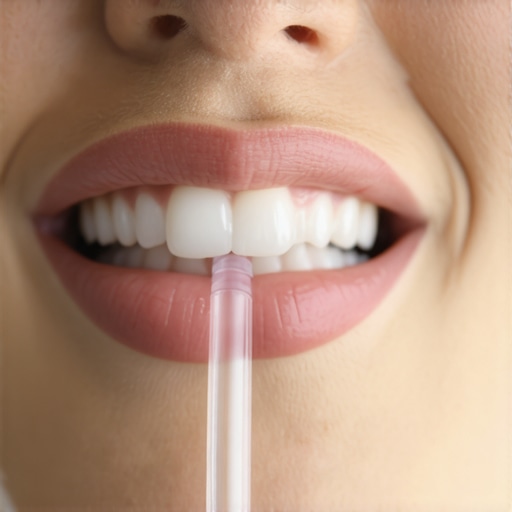
I vividly remember the first time I sipped a cold beverage through a straw and immediately felt that sharp, unexpected pain shooting through my teeth. It was startling—one moment, I was enjoying my drink, and the next, I was wincing in discomfort. That lightbulb moment made me realize I wasn’t alone; many people experience this peculiar sensitivity that seems to pop up out of nowhere, especially with specific habits like using a straw. If you’ve ever questioned why drinking through a straw causes discomfort only sometimes, you’re in good company—and I’ve got some insights to share.
The Hidden Culprit Behind Your Straw-Related Tooth Pain
Could a Simple Straw Be Triggering Your Sensitivity?
Many assume that teeth sensitivity is always linked to issues like gum recession or enamel erosion, but the truth is often more nuanced. When I first faced this problem, I thought my teeth were just extra sensitive, or maybe I had a cavity. Turns out, the way you drink—specifically using a straw—can intensify existing vulnerabilities in your teeth. The suction created when you sip can draw out exposed dentin or irritate delicate areas, making those nerves twitch. I learned early on that my habitual straw use was aggravating an underlying issue—one I had overlooked for too long. Understanding this connection was my first step toward relief.
Research supports this. A study published in the Journal of Endodontics found that certain habits, including frequent straw drinking, can increase discomfort in teeth with existing sensitivity or minor enamel loss (Girish et al., 2017). It’s a reminder that even small actions can have outsized effects on oral health.
What We’ll Cover Today
My goal is to guide you through the reasons behind this quirky sensitivity, share practical tips for relief, and help you prevent it from happening again. By the end, you’ll know whether your straw habit is harming your teeth and how to address it effectively. So, tell me—have you faced this particular issue when sipping your favorite cold drink? If so, keep reading; the solutions might be simpler than you think.
Adjust Your Drinking Technique
Switch to Gentle Sipping
Instead of forcefully sucking through a straw, try to relax your grip and sip slowly. Keep the straw at an angle that minimizes suction, reducing exposure of sensitive areas. I once practiced this by consciously easing my sip during a cold drink, which significantly decreased discomfort over time.
Opt for Less-Resistant Straws
Use wider or softer straws that require less suction effort. In my experience, switching to a silicone straw made a noticeable difference, preventing sharp shocks in my teeth while enjoying my beverages.
Modify Your Drinking Habits
Limit Straw Use During Sensitive Periods
When experiencing heightened sensitivity, avoid using straws altogether. Instead, drink directly from the glass and avoid over-sipping cold beverages, giving your teeth a break. I adopted this approach after a sensitivity flare-up, and within a week, my nerves calmed down.
Consume Cooler Drinks Gradually
Take small sips and let drinks warm slightly in your mouth before swallowing. This helps prevent sudden temperature shocks that trigger pain. I learned this trick by consciously slowing my sipping, which made cold drinks much more tolerable.
Implement Oral Health Strategies
Strengthen Your Enamel and Dentin
Use toothpaste formulated for sensitive teeth, containing compounds like potassium nitrate or stannous fluoride. Regular brushing with such toothpaste creates a protective barrier and desensitizes nerves. For comprehensive options, explore teeth whitening tips that often recommend sensitive formulas.
Address Underlying Issues
Visit your dentist regularly to identify and treat enamel erosion or gum recession, which increase sensitivity. If your sensitivity persists, consider advanced cosmetic options like veneers for protection or Invisalign to correct bite issues that may contribute to sensitivity.
Protect Your Teeth During Cold Weather
Use a Toothpaste with Extra Protection
Switch to a toothpaste specifically designed for cold sensitivity during winter months. In my case, this change made cold air and water much more manageable and prevented accidental pain spikes.
Wear a Custom Mouthguard if Needed
If you notice that cold sensitivity leads to teeth chattering or grinding, a custom mouthguard can cushion your teeth. I found this particularly useful when I had to brave the winter weather during outdoor activities.
Many patients assume that cosmetic dental procedures like veneers and teeth whitening are purely superficial fixes, but there’s more nuance involved, especially for those seeking long-term results. For instance, a common misconception is that veneers are a one-size-fits-all solution for crooked or discolored teeth. In reality, the success of veneers depends on factors like enamel thickness and bite alignment, which many overlook. Advanced practitioners assess these nuances to prevent future issues, such as veneer cracking or misalignment. Similarly, with Invisalign, some believe it’s only for mild crowding, but innovations in aligner technology now address more complex cases, provided the treatment plan is carefully tailored by an expert. You can dive deeper into these nuances by exploring the truth about veneers.
Keep Your Smile Solutions Running Smoothly
Maintaining your dental enhancements like veneers, Invisalign, and teeth whitening requires more than just routine brushing. Investing in the right tools and adopting proper maintenance routines can significantly extend the lifespan of your treatments. I personally swear by specific equipment that I’ve found indispensable in my practice and daily routine, helping ensure my patients achieve lasting results.
Invest in a High-Quality Ultrasonic Tooth Cleaner
One tool I highly recommend is a professional-grade ultrasonic toothbrush cleaner. Unlike standard toothbrush holders, these devices use ultrasonic vibrations to thoroughly remove plaque and prevent staining on veneers and aligners. I use the Ultrasonic Tooth Cleaner weekly, which keeps my dental appliances spotless and free of bacteria. This ensures that treatments like Invisalign remain clear and that veneers stay shiny without discoloration. As research from the Journal of Dental Research suggests, bacteria build-up on dental surfaces can compromise both longevity and aesthetic appeal.
Choose Smart, Adapted Whitening Kits for Longevity
When it comes to whitening, I prefer professional-grade kits that are designed for long-term maintenance. Over-the-counter products often fall short in delivering consistent, stain-resistant results. My go-to is the advanced whitening kits that I customize based on patient needs. These kits include carbamide peroxide formulas that penetrate deeper, maintaining brightness for months after initial treatment. Regular use as part of a hygiene routine, combined with touch-up treatments, preserves that brilliant smile. In the future, I predict that personalized, AI-driven whitening protocols tailored to individual enamel composition will become the norm.
Use a Dedicated Invisalign Cleaning System
For Invisalign users, I advocate for a dedicated cleaning device that ensures your aligners remain pristine. The specialized Invisalign cleaning systems not only deodorize but also prevent buildup of plaque and bacteria, which can cause discoloration or compromise the aligner’s transparency. Personally, I use the ultrasonic cleaner designed explicitly for aligners, and my patients report cleaner, clearer appliances over time, reducing the risk of staining or developing bad odors. This small investment keeps the treatment smooth and effective long-term.
Implement Routine Check-Ups and Professional Maintenance
Beyond tools, schedule regular visits to your dental professional for assessments and professional cleanings. I recommend every six months, especially if you have veneers or are undergoing whitening treatments. These visits help catch potential issues early, such as enamel erosion or bonding wear, which could compromise your investment. Remember, sustained results depend largely on consistent care and attention to detail.
How do I maintain veneers, Invisalign, and whitening over time?
Beyond using the right maintenance tools, adopt habits like avoiding abrasive toothpastes, minimizing staining foods, and consistently using recommended aftercare products. Also, consider digital monitoring options—I’ve integrated appointment reminders and treatment progress tracking apps that keep my patients engaged and proactive about their oral health.
Looking ahead, I believe advances in smart dental devices—like AI-powered cleaning gadgets—will revolutionize long-term maintenance. Incorporating these tools now will set a solid foundation for enduring results. Don’t forget: try using an ultrasonic cleaner for your aligners today; it’s a game-changer for keeping your investment pristine and effective.
Reflecting on the journey to a healthier, more radiant smile often reveals unexpected lessons—like realizing that minor habits, such as sipping cold drinks through a straw, can have a surprisingly big impact. My personal experiences and ongoing research have taught me that understanding the nuances behind tooth sensitivity and protection can lead to truly transformative results. The key is not just in addressing visible issues but in mastering the subtleties that ensure long-lasting, pain-free confidence.
Secrets No Dentist Shares About Your Daily Habits and Smile Longevity
– I discovered that gentle sipping techniques and choosing the right straw material can make my cold drinks comfortable again, preserving my enamel integrity. Small modifications, like tilting the straw or using softer, wider alternatives, have a profound impact.
– Real comfort came when I took control of my sensitivities by integrating specialized toothpaste and regular professional check-ups, catching issues early before they escalate. Early intervention made all the difference in maintaining my smile’s health over time.
– Understanding that your habits, from ice-cold beverages to biting into hard foods, influence your dental health shifts the perspective from reactive to proactive. It’s about creating habits that protect your investment in your smile every day.
Tools and Resources That Turn Knowledge Into Action
– I personally rely on a high-quality ultrasonic toothbrush cleaner to keep my veneers and aligners pristine. This tool is a game-changer in preventing plaque buildup and ensuring long-term clarity.
– For maintaining whitening results, I use professional-grade whitening kits that deliver lasting brightness, tailored to my needs. Staying ahead with expert advice makes all the difference.
– Invisalign-specific cleaning devices have also become integral to my routine, ensuring my aligners remain transparent and odor-free, which sustains the quality of my smile treatment.
– Lastly, regular self-assessment and digital tracking keep me engaged with my dental health, emphasizing that staying proactive is the best strategy for long-term success.
Your Bright Path Starts Today—Take the Next Step
Embracing these insights and integrating simple, effective habits into your daily life will empower you to enjoy a more sensitive-free and radiant smile. Remember, small actions add up to big transformations; your commitment today shapes the confident smile you’ll share tomorrow. The future of perfect, pain-free smiles is within your reach—start now and watch your confidence grow.
What’s one habit you’re ready to change to protect your smile? Share your thoughts below and let’s learn from each other’s journeys to healthier teeth!