How to stop gagging every time you brush your back molars
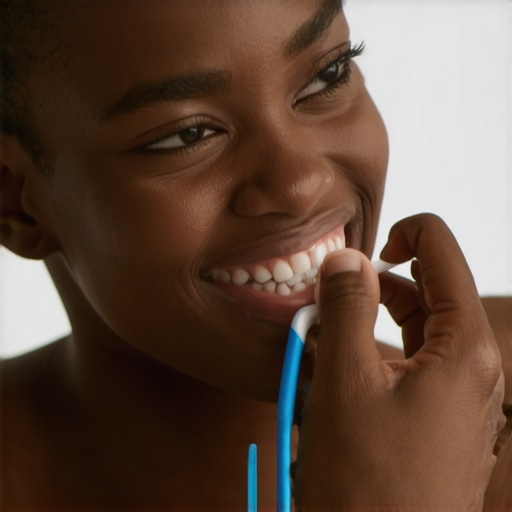
It was one of those mornings that started badly and only got worse. I was trying to brush my teeth before heading out, and as I reached the back of my mouth to clean those stubborn molars, suddenly, that familiar wave of nausea hit. My heart pounded, my cheeks flushed, and I had to stop mid-brush—again. I felt frustrated and a little helpless, wondering why this simple task had become such a battle every single day. That lightbulb moment hit me: I wasn’t alone in this nightmare—I know many people struggle with the gag reflex when brushing back molars, and honestly, it was ruining my dental routine.
Why Is Gagging When Brushing My Back Teeth Such a Common Struggle?
Let’s be real. Gagging is an automatic reflex designed to protect us from choking or swallowing harmful objects. For some, this reflex is hyper-sensitive, especially when it comes to brushing those tricky, hard-to-reach areas that hide at the back of our mouths. When I first experienced this, I assumed it was solely because I was not used to brushing far back there. But as I dug deeper (and tried countless gadgets and tips that didn’t work), I realized the issue was more nuanced—it’s tied to how our nervous system reacts to the sensation of something touching the soft palate and the roof of our mouth. And believe me, it’s a lot more common than you’d think. According to a study published by the National Institutes of Health, over 20% of adults have a sensitive gag reflex that interferes with routine dental care, which can lead to neglect of important oral health habits like brushing properly.
Early on, I made the mistake of blaming my gag reflex solely on my gagging sensitivity, without considering my technique or environment. That was a mistake. Once I identified the root cause—from my posture to the size of my toothbrush handle—I started making small adjustments that made a huge difference. And I want to share these with you, because if I can do it, so can you. There’s no reason to let gagging sabotage your oral health.
Feeling Skeptical? Is This Really Fixable?
Honestly, I was skeptical at first. I’d tried everything, after all—special toothbrushes, breathing techniques, even overly sweet mouthwashes to distract myself. But the breakthrough came when I realized I was overlooking one simple but powerful shift: adjusting my brushing approach. Early on, I thought I needed a special gadget or to see a dentist for extensive work, but in reality, small behavior tweaks had a profound effect. If you’ve been wondering whether managing your gag reflex is worth the effort, I assure you—it is. This is not just about clean teeth; it’s about reclaiming confidence in your daily hygiene routine.
So, if you’ve faced the same frustrating gagging sessions, stay tuned. I’ll take you through practical steps, backed by experience and research, to help you finally brush those back molars with ease. And hey, if you’re still unsure, consider checking out some expert insights on how to manage a sensitive gag reflex at this resource. Now, let’s dive into the specific tactics that turned my mornings from a gag-fest into a smooth part of my routine.
Adjust Your Grip and Tool Size
Trust me, holding the toothbrush differently can drastically reduce gagging. I once switched to a smaller handle after struggling with my bulky one, and the difference was immediate. To do this, choose a toothbrush with a slimmer handle or attach a grip extension. Insert the brush gently at the back of your mouth and let it rest there briefly before moving—this reduces the sudden sensation that triggers gag reflex.
Modify Your Brushing Technique
Instead of scrubbing vigorously, adopt a gentle, sweeping motion. When I learned to lightly sweep the toothbrush over my molars, I avoided touching soft palate areas that provoke gagging. Concentrate on small sections, and gradually build confidence to reach further back. During practice, I kept my eyes closed, mimicking natural breathing to stay calm.
Use Distraction and Breathing to Stay Calm
One effective tactic is to focus on slow, deep breathing during brushing. I found that inhaling through my nose steadily while brushing prevented me from panicking when the brush touched sensitive areas. Keeping my mind occupied, like counting breaths or singing mentally, also helped divert attention from the gag reflex. Once, I tried humming softly—suddenly, the process became less intimidating.
Utilize Positioning and Posture Strategies
Proper posture alleviates gagging. I learned to tilt my head slightly downward, so the toothbrush approached the back teeth at a less triggering angle. Sitting upright with my chin lowered rather than tilting my head back minimized the sensation of touch on sensitive soft tissue. This simple shift made a huge difference in my ability to brush comfortably.
Incorporate Desensitization Over Time
Gradual exposure reduces the gag reflex. I started by just touching the toothbrush to the back of my tongue without brushing for a few seconds, then extended this over days. Over time, I applied light pressure further back, slowly increasing my comfort zone. Consistent practice, even if messy at first, helped desensitize the gagging response, making daily routines smoother.
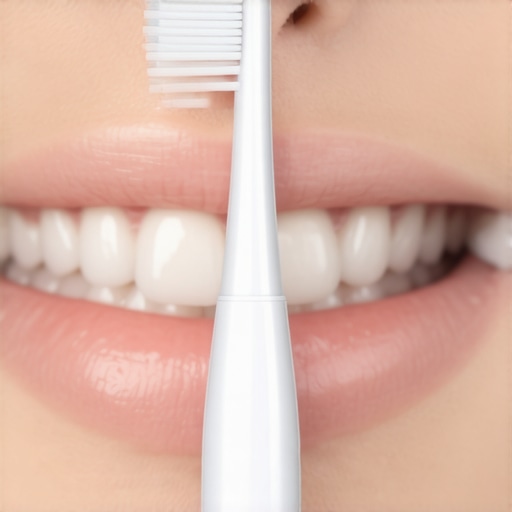
Add an image illustrating proper toothbrush grip and positioning for back molar cleaning.
Leverage Special Tools and Techniques
Tools like angled or flexible toothbrushes can make reaching the molars easier without triggering gag reflex. I experimented with an angled toothbrush, which allowed me to brush at a more comfortable angle. Also, using a small, soft silicone tip instead of a traditional brush head provided a milder touch, reducing gagging episodes. For some, a water flosser used gently can help clean back teeth without provoking reflexes.
Practice Consistently and Be Patient
Progress takes time. I committed to daily practice, focusing on small, achievable goals. One morning, I managed to brush my molars without gagging—an achievement that felt like a small victory. Remember, setbacks are normal. Patience and persistence are key—over weeks, your gag reflex can become less sensitive, restoring confidence in your dental health routine.
When it comes to cosmetic and preventive dental treatments like veneers, teeth whitening, Invisalign, and family dentistry, many patients operate under widespread myths that can hinder their decision-making and results. As a dental professional with years of experience, I’ve observed that most misconceptions stem from oversimplification or marketing hype. Let’s dissect some of the most pervasive errors and reveal the nuanced truths you need to know.
**Veneers Are Just Cosmetic Fixes Without Long-Term Impact**
Contrary to popular belief, veneers are not merely surface-level cosmetic solutions; they can strengthen teeth and address underlying structural issues when properly applied. However, many assume veneers are permanent and unchangeable, which isn’t entirely true. Advances in veneer materials and techniques allow for tailored, minimally invasive procedures, but improper placement or neglecting oral health can lead to early failure. For instance, aggressive preparation can jeopardize tooth integrity if not carefully managed. Experts suggest consulting a specialist who considers your entire oral environment; you’ll find comprehensive insights in [expert veneer tips](https://smilegumcare.com/transform-your-smile-with-veneers-expert-tips).
**Teeth Whitening Is All About Bleaching**
Many think teeth whitening equals simply applying bleach, but the process involves more nuances, such as understanding enamel permeability and the type of stains—intrinsic or extrinsic. Overusing whitening agents or choosing poorly formulated products can cause sensitivity or damage. Additionally, whitening treatments are not permanent; lifestyle habits like coffee or smoking can re-stain teeth quickly. Choosing professional-grade options, advised by your dentist, ensures safety and effectiveness. For advanced strategies, explore [latest whitening secrets](https://smilegumcare.com/brighten-your-life-top-teeth-whitening-strategies-today).
**Invisalign Is Only for Mild Cases**
A common misconception is that Invisalign works solely for minor misalignments. In reality, with ongoing technological improvements, Invisalign can now correct complex cases involving significant crowding, spacing, and even certain bite issues. Nonetheless, case selection remains crucial, and severe malocclusions might still require traditional braces or surgical intervention. What many overlook is that compliance plays a vital role—wearing aligners as prescribed is critical to success. To understand the full spectrum of Invisalign’s capabilities, revisit [invisalign innovation insights](https://smilegumcare.com/invisalign-innovation-invisible-braces-changing-smiles-in-2025-at-1537).
**Family Dentistry Is Just About Kids’ Oral Health**
It’s easy to assume family dentistry focuses exclusively on children’s dental needs, but experienced dentists provide comprehensive care for all ages. Effective family dental practices not only prevent decay through education but also identify early signs of systemic issues linked to oral health, such as diabetes or nutritional deficiencies. They tailor treatments for adults and seniors, addressing root causes rather than just symptoms. The common mistake? Neglecting regular checkups for adults, which can lead to more invasive treatments later. Find more on building healthy smiles across generations by visiting [family dentistry tips](https://smilegumcare.com/family-dentistry-building-healthy-smiles-for-every-generation).
**Beware the Trap: Assuming Quick Fixes Last Forever**
A trap many patients fall into is believing that a single procedure—be it whitening or veneers—will last a lifetime without maintenance. Reality is, all dental treatments require ongoing care, proper hygiene, and sometimes touch-ups. Failing to understand this can lead to disappointment and even damage. Regular checkups and adhering to professional advice extend the lifespan of your treatments and preserve your oral health.
Is there a hidden nuance I didn’t mention? Remember, dentistry today combines science with artistry, and personalized care is key. Have you ever fallen into this trap? Let me know in the comments and share your experiences! For a deeper dive into customizing your dental care, check out [comprehensive family dentistry](https://smilegumcare.com/ensuring-family-dental-care-what-parents-need-to-know-in-2025).
Maintaining a healthier, brighter smile over years requires the right tools and consistent habits. As someone passionate about dental aesthetics and health, I’ve honed my toolkit to ensure longevity and effectiveness. One essential device I rely on is the Water Flosser, particularly models like the Waterpik Ultra. Its pulsating stream reaches deep between teeth and along gum lines, removing plaque where traditional floss might miss. I personally prefer the Waterpik Ultra because of its adjustable pressure settings and ease of cleaning, which encourages daily use and improves gum health.
In addition to physical tools, I incorporate dental-specific software into my routine. Dental Monitoring apps, for example, use AI to track your progress, flag potential issues early, and remind you of upcoming checkups. These digital companions make maintaining long-term results more manageable and less prone to oversight. I recommend integrating them into your routine if you’re investing in veneers or Invisalign, as they help spot wear or shifting before problems escalate.
When managing your smile, adopting mindful techniques is equally vital. I consistently practice desensitization exercises—starting with gentle touches to the back molars, gradually increasing exposure—to reinforce your gag reflex control. For those serious about long-term success, combining desensitization with the use of angled, ergonomic toothbrushes (like the Veneers vs Crowns guide) can make daily care less intimidating. These tools help you reach hard-to-clean areas comfortably while minimizing gag triggers.
How can I keep my dental tools effective over years?
Proper maintenance is key. Regularly replacing toothbrush heads every 3 months and keeping devices like Water Flossers clean ensures optimal hygiene and prevents bacterial buildup. For digital tools, updating app software and calibrating devices as recommended prolongs their efficacy. Remember, neglecting maintenance can compromise results, potentially leading to secondary issues that undo your hard work.
Looking ahead, I believe the future of long-term dental care will be shaped by smart devices integrated with AI that personalize routines further, predicting issues before they manifest. Already, developments like Invisalign’s innovations point toward a future where technology and dentistry become even more seamless.
My advice: start incorporating advanced tools like the Water Flosser into your daily routine today. They may seem simple, but when used properly and maintained diligently, they deliver long-lasting results. Curious? Give the Waterpik a try; you’ll appreciate how much easier maintaining your smile becomes over time. And remember, regular professional checkups further cement your success, so schedule those visits through the contact page.
One of the most eye-opening realizations I had was how much misinformation floats around about veneers, teeth whitening, Invisalign, and family dentistry. Early on, I believed that veneers were only superficial—just a quick cosmetic fix—until I learned from experts that they can actually reinforce teeth when applied correctly. That misconception almost kept me from considering a procedure that could have vastly improved my dental confidence. Another lesson was that teeth whitening isn’t just about choosing the brightest product; understanding the stains and enamel health makes all the difference in achieving a lasting, healthy smile. Embracing a personalized approach over cookie-cutter solutions transformed my perspective on dental care, emphasizing the value of professional advice tailored to your unique needs. Lastly, I discovered that Invisalign’s technology is capable of correcting complex misalignments, dispelling myths that it’s only suitable for mild cases. This openness to new innovations significantly broadened my options, allowing me to pursue a discreet, effective orthodontic journey I hadn’t previously considered.