
How to tell if your jaw pain is actually a tooth infection
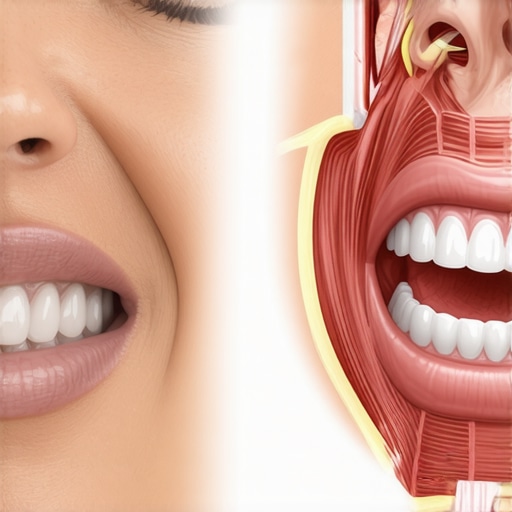
It was late at night when I first experienced that sharp, throbbing pain in my jaw. I stared at the mirror, worried and uncertain—was this just jaw tension or something more sinister like a tooth infection? That moment felt terrifying because I didn’t want to jump to conclusions and end up missing a serious problem. Like many, I brushed it off initially, thinking it was just stress or maybe a stubborn headache. But the pain kept intensifying, and I knew I had to figure out what was truly going on.
Distinguishing Jaw Pain from a Tooth Infection — Why It’s Critical
Knowing whether your jaw pain is linked to a tooth infection isn’t just about comfort; it’s about safeguarding your health. An untreated tooth infection can spread rapidly, leading to complications like abscesses or even systemic infections that might require emergency care. The tricky part is, jaw pain isn’t always so straightforward. It can stem from various causes—jaw joint issues, muscle strain, nerve problems, or indeed, a bacterial infection from your tooth.
Early in my experience, I made a common mistake: assuming the pain was just a minor issue. It wasn’t until the swelling appeared and I developed a fever that I realized I couldn’t ignore it anymore. Recognizing the specific signs of a tooth infection—such as persistent throbbing, swelling, pus, or sensitivity—can be lifesaving. If you’re worried you might be experiencing something similar, reading about the differences between typical jaw discomfort and actual infection symptoms can be eye-opening. For expert guidance, don’t hesitate to contact professionals through resources like this contact page.
Is the Pain Just Your Jaw or Is It Something Worse?
Many people assume jaw pain automatically links to temporomandibular joint disorders or muscular tension, especially after a long day of chewing gum or stress. But what if that pain is a sign of bacterial invasion? I personally learned the hard way that a persistent, worsening pain accompanied by swelling should never be dismissed. It’s all too easy to mistake symptoms—and that mistake, especially early on, could cost you dearly.
Studies show that dental infections are more common than you might think—and if left untreated, they can escalate into serious health issues. According to the American Association of Endodontists, untreated dental infections can lead to severe complications, extending beyond just your mouth. So, how can you tell if your jaw pain is just typical soreness or a sign of infection?
Stay tuned, because I’ll be walking you through the concrete signs to watch for and the next steps to take. In the meantime, if you’ve experienced persistent jaw pain or suspect an infection, don’t wait—reach out to a dental professional soon. You can start by visiting this article for more insights, or contact dental experts via this form. Recognizing the warning signs could save your smile—and your life.
Conduct a Self-Assessment Carefully
Start by examining your symptoms thoroughly. Check for persistent throbbing pain, swelling, pus, or a foul taste—these are signs of potential infection. Use a mirror and a flashlight to observe your gums and teeth for redness or swelling. Remember, the key is to differentiate symptoms from common dental discomfort caused by tension or mild sensitivity. When I experienced similar issues, I kept a symptom diary to track pain intensity and any accompanying signs, which proved useful when I finally consulted a professional.
Prioritize Immediate Professional Evaluation
Once symptoms are recognized, schedule an urgent dental appointment. Don’t delay, as untreated infections can escalate quickly. Call a trusted dentist and describe your symptoms clearly. Prepare questions about signs to watch for and potential treatments. During my visit, the dentist used x-rays to locate the infected tooth precisely, which prevented unnecessary procedures. If you’re unsure about symptoms, consult specialists through this contact page for expert advice.
Understand the Diagnostic Process
Expect your dentist to perform a comprehensive exam. This includes visual inspection, tapping tests to identify sensitive teeth, and radiographs to detect abscesses or decay. For example, my dentist identified a small root tip infection that wasn’t visible externally, emphasizing the importance of imaging. Be prepared to discuss your symptoms in detail and share any recent dental trauma or treatments. Accurate diagnosis is crucial for effective treatment.
Learn About Treatment Options Actively
Depending on severity, treatments range from antibiotics to root canal therapy or extraction. Antibiotics help control the infection temporarily but won’t eliminate the problem if the source of infection remains. I had a root canal procedure, which involved removing the infected pulp, cleaning the canal, and sealing it—restoring my tooth’s health. Visualize this process as plumbing work: clearing the blockage and sealing pipe ends to prevent future leaks. For specific cases like veneer repairs after infection, refer to this guide.
Implement a Post-Treatment Care Routine
Follow your dentist’s instructions diligently. This includes taking prescribed medications, maintaining oral hygiene, and avoiding strenuous chewing until fully healed. I kept a routine of gentle brushing and rinsing with an antiseptic mouthwash to promote healing. Monitor for any signs of recurrent pain or swelling and report them immediately. Using tools like floss picks carefully and avoiding hard foods can prevent aggravating the site. Learning how to manage recovery actively reduces the risk of re-infection.
Prevent Future Incidents Using Smart Practices
Regular dental check-ups, good oral hygiene, and avoiding sugary or acidic foods are essential. Consider using fluoride toothpaste and mouthwashes to strengthen your teeth. If you suspect early signs of decay or gum issues, consult your dentist promptly. For cosmetic solutions like whitening or veneers, ensuring your teeth and gums are healthy beforehand is critical. Visit this article to explore whitening strategies and how they can complement overall dental health.
Know When to Seek Emergency Care
If symptoms worsen rapidly—such as increasing swelling, fever, or severe pain—seek emergency dental care immediately. Do not wait for routine appointments, as systemic infections pose serious risks. Remember, being proactive and attentive to your body’s signals can save your smile and health. Every step, from careful self-assessment to professional intervention, plays a vital role in managing tooth infections effectively.
While many assume that cosmetic procedures like teeth whitening or veneers are purely superficial enhancements, the truth runs much deeper, revealing nuances that often go unnoticed. For instance, a common misconception is that teeth whitening is entirely risk-free and suitable for everyone. In reality, certain enamel conditions or sensitivity issues can complicate bleaching treatments, making professional consultation essential. A study published in the Journal of the American Dental Association highlights the importance of customized whitening plans tailored to individual dental health, rather than a one-size-fits-all approach.
Why do patients often overlook the complexities behind cosmetic procedures like veneers or Invisalign?
This oversight can lead to unmet expectations or even dental complications. Many believe that veneers can be slapped on as a quick fix, but the process involves careful assessment of tooth structure and long-term maintenance considerations. Similarly, Invisalign’s discreet appearance belies the advanced orthodontic planning and commitment needed for optimal results. One advanced mistake is underestimating the importance of compliance with aligner wear schedules, which can significantly impact treatment success. For example, in cases where patients prematurely stop wearing aligners, regaining proper tooth positioning can become a lengthy and costly process—something that isn’t immediately apparent to laypeople. For a comprehensive comparison of veneer options, it’s worthwhile to explore this detailed guide. Moreover, many forget that family dentistry encompasses more than just basic dental checkups—it involves preventive strategies, patient education, and tailored treatment plans for all ages. Neglecting this holistic aspect can result in overlooked issues that could worsen over time. It’s crucial to understand that advanced techniques and personalized care are at the heart of effective family dental practices. Don’t fall into the trap of thinking all dental treatments are identical or low-stakes. The more informed you are, the better your decision-making will be. Have you ever fallen into this trap? Let me know in the comments. If you’re curious about how these nuanced approaches can benefit your family’s dental health, consider reaching out via this contact page.Maintaining your smile’s brilliance and health requires more than just good habits; it demands the right tools and consistent strategies. One device I swear by is a high-quality ultrasonic toothbrush like the Philips Sonicare DiamondClean. Its advanced sonic technology offers superior plaque removal, especially around veneers and orthodontic appliances like Invisalign, ensuring a thorough clean that manual brushes can’t match. I personally use it daily, and the difference in gum health and stain removal has been remarkable, helping me maintain my whitening results for years. Pairing this with a powered water flosser, such as the Waterpik Aquarius, reaches those tricky interdental spaces and along gum lines, significantly reducing bleeding and inflammatory issues. Regular use keeps my gums healthy and prevents gum recession, which is crucial when you have veneers or接受 close monitoring for early signs of periodontal problems. Predominantly, I rely on fluoride-based rinses like ACT Total Care, which strengthen enamel and provide ongoing protection against decay—especially when whitening or veneer treatments have slightly thin enamel layers. Looking ahead, the trend is moving toward smart toothbrushes integrated with AI, providing real-time feedback on brushing technique, which I believe will become standard for effective long-term maintenance. So, how do I keep my dental investments working over time? Consistency, paired with the right tools and professional checkups, is key. For example, scheduling regular dental visits—at least twice a year—ensures professional cleanings and early detection of emerging issues. To streamline this, I use the practice management apps my dentist recommends, which remind me of cleanings and track my oral health progress. Incorporating these tools and routines guarantees that my smile remains vibrant and healthy long after cosmetic procedures are complete. If you’re ready to upgrade your maintenance strategy, try integrating an ultrasonic toothbrush and water flosser into your daily routine. Moreover, consider consulting with your dental professional about personalized tools tailored to your specific needs. You can reach experienced family dentists who specialize in long-term care through this contact page. Remember, consistent use of the right equipment isn’t just maintenance—it’s an investment in your ongoing confidence and dental health.
The Hardest Lesson I Learned About Family Dentistry and Cosmetic Care
One of my most profound realizations was that cosmetic procedures like veneers and Invisalign require more than just trusting the dentist—they demand active involvement and understanding from the patient. Early in my journey, I underestimated the importance of diligent maintenance post-treatment, leading to minor complications that could have been avoided. The lesson? Educate yourself thoroughly and follow professional advice meticulously to ensure lasting results.
Three Myths About Teeth Whitening and Veneers That Can Hold You Back
- Myth: Whitening damages your enamel permanently.
Truth: When done professionally, whitening is safe and controlled, enhancing your smile without harm. Discover more about safe whitening practices. - Myth: Veneers are a quick fix for all aesthetic issues.
Truth: They require careful planning and understanding of your dental health, not just aesthetic concerns. Learn what to consider before opting for veneers here. - Myth: Invisalign is only for teenagers.
Truth: Adults benefit hugely from discreet orthodontic solutions. Find out if Invisalign suits your lifestyle here.
Why Knowing Your Treatment Options Transformed My Confidence
Understanding the full spectrum of dental procedures—from non-invasive whitening to advanced orthodontics—empowered me to make choices aligned with my goals and lifestyle. Realizing that each treatment has its unique benefits helped me avoid unnecessary procedures and focus on what truly suited my needs. If you’re contemplating cosmetic upgrades, explore this comprehensive guide to make informed decisions.
My Favorite Tools for Long-Term Smile Maintenance
Investing in quality tools like an ultrasonic toothbrush and water flosser has been a game-changer. These devices ensure thorough cleaning, prevent plaque buildup, and preserve the results of my cosmetic work. Regular professional cleanings complement this routine, creating a robust defense against future issues. Curious about my favorites? I recommend exploring top whitening strategies and smart dental technology to elevate your routine.
Your Turn to Take Control of Your Dental Happiness
The journey to a radiant and healthy smile is ongoing, but with the right knowledge and tools, it’s well within your reach. Every step you take—whether it’s choosing the right whitening method, understanding your treatment options, or maintaining your dental health—brings you closer to the confidence you deserve. Remember, proactive care and education are your best allies in this lifelong journey.
What’s the one dental concern you’ve been hesitant to address? Share your story or questions below—I’m here to help you navigate your smile transformation.