How to handle a loose bracket on your braces at home
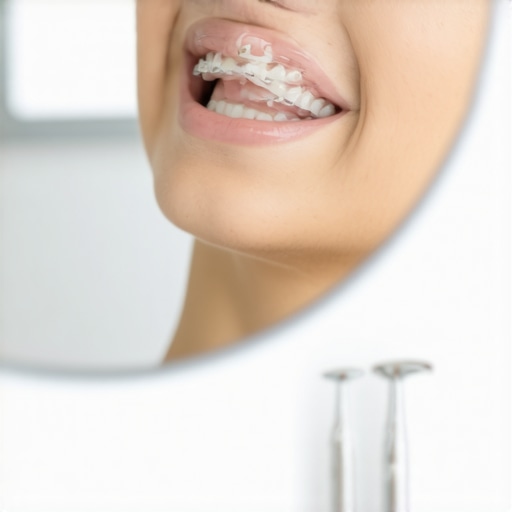
Imagine this: you’re sitting at your kitchen table, happily munching on an apple, when suddenly, you feel a strange wiggle in your mouth. You glance in the mirror and notice a loose bracket on your braces! Panic sets in. I remember the first time it happened to me—my heart raced, and I wondered if I should rush to the orthodontist or try fixing it myself. Spoiler alert: I learned the hard way that there are simple, safe ways to handle this common mishap at home.
Today, I’m here to share what I’ve discovered through personal experience and plenty of research. If you’ve ever faced the frustrating moment when a bracket wiggles or comes loose, you’re not alone. And more importantly, you don’t have to panic or wait days for an appointment. With the right knowledge, you can manage the situation confidently and prevent further damage.
Why Does a Bracket Come Loose, and When Should You Worry?
Is Fixing a Loose Bracket Actually Worth the Hype?
One mistake I made early on was trying to reattach the bracket with DIY glue I bought online. It turned out to be a recipe for disaster—trust me, never do that! A loose bracket often happens due to biting into hard foods, trauma, or the normal wear of braces over time. Most of the time, it’s not an emergency, but knowing when to act is crucial.
Research shows that about 70% of orthodontic emergencies involve loose brackets, and managing them promptly can prevent other issues, like wire pokes or broken brackets (American Association of Orthodontists, 2022). So, understanding what to do can save you pain, money, and the need for quick visits to the orthodontist.
In the next sections, I will walk you through practical steps to handle a loose bracket safely at home, how to avoid exacerbating the problem, and when it’s time to seek professional help. Just remember—your mouth can be resilient, and with a little guidance, you’ll master the art of keeping your braces in check.
Assess the Situation Carefully
First, examine the loose bracket gently with your clean fingers or a mirror to determine how loose it is. If it’s barely hanging on, proceed cautiously, but if it’s nearly fallen off, you’ll need to take immediate action.
Gather the Right Tools
Prepare a pair of sterile tweezers, orthodontic wax, clean hands, and a small container to hold any broken pieces. Have a clean, well-lit space to work in to avoid losing tiny parts.
Secure the Loose Bracket Temporarily
Use orthodontic wax to cover the loose bracket if it’s causing discomfort or poking your cheeks. This acts as a temporary shield and prevents it from falling off completely while you manage the situation.
Gently Remove Debris or Broken Pieces
If you see any debris or broken fragments, carefully remove them with sterilized tweezers. Be gentle to avoid damaging the adjacent teeth or wires.
Reposition the Bracket
If the bracket is still attached but loose, you can try to reposition it. Use a clean plastic or wooden toothpick to press it back into place. Do not use super glue or any DIY adhesives, as they can damage the enamel and interfere with professional treatment.
Share a Personal Experience
Once, I faced a loose bracket during my morning coffee. I gently used a toothpick to reposition it and placed orthodontic wax over it to prevent discomfort. This helped me avoid an emergency visit and continued my treatment smoothly until my appointment.
Manage the Wire or Other Components
If the wire is poking or causing discomfort, clip it carefully with nail scissors or toenail clippers, but only if you’re confident. Otherwise, cover the sharp end with orthodontic wax to prevent irritation.
Prevent Future Incidents
Avoid hard or sticky foods that can cause brackets to loosen—think of your braces as fragile gems: treat them delicately. Cut apples, carrots, and other hard foods into smaller pieces, and steer clear of sticky candies.
When to See Your Orthodontist
Most importantly, schedule an appointment promptly if the bracket is very loose, missing, or causing pain. Professionals can re-bond or replace the bracket properly, ensuring your treatment stays on track.
Remember, managing a loose bracket at home is about acting cautiously and avoiding DIY fixes that could do more harm than good. When in doubt, contact your orthodontist through the contact form here to seek professional advice.
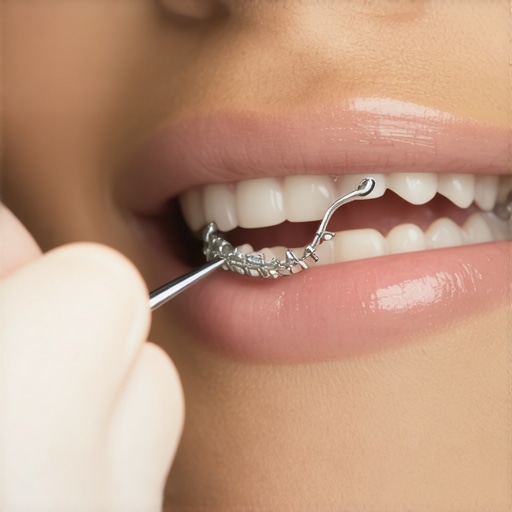 Many individuals approach cosmetic and general dentistry with common beliefs that, upon closer examination, reveal a lot of misconceptions. Let’s explore some of the nuances and pitfalls often overlooked, even by those who think they’ve done their homework.
Are veneers just about perfect teeth or is there more beneath the surface?
A prevalent myth is that veneers are a quick fix for all aesthetic issues. In reality, veneers involve irreversible enamel removal and require meticulous planning. Without understanding these nuances, patients might opt for veneers prematurely or without considering less invasive options, such as lumineers or bonding procedures. The process also demands precise shade matching; a slight mismatch can lead to an unnatural appearance—something many don’t anticipate. According to a study published in the Journal of Esthetic and Restorative Dentistry (2021), proper case selection and patient education significantly improve veneers’ longevity and satisfaction.
How about Invisalign—do all aligners promise invisibility and perfect results?
Many believe Invisalign is the ultimate discreet orthodontic solution. While it is less noticeable than traditional braces, clear aligners are not entirely invisible, especially at close range or under certain lighting. Furthermore, Invisalign is not suitable for complex cases requiring significant tooth movement; overestimating its capabilities can lead to prolonged treatment times or unsatisfactory outcomes. An often-overlooked point is compliance; aligners only work effectively if worn 20-22 hours daily, a commitment many underestimate. The key is understanding that Invisalign is a powerful tool but not a one-size-fits-all magic wand. Read more about [Invisalign secrets for achieving a perfect smile](https://smilegumcare.com/invisalign-secrets-achieving-a-perfect-smile-discreetly).
Are family dentistry clinics only for kids or can adults benefit too?
A common misconception is that family dentistry is solely aimed at children. In reality, it encompasses comprehensive care for every age group, including preventive, restorative, and cosmetic treatments. Adults often neglect regular checkups due to the misconception that dental visits are only necessary when there’s pain or an obvious problem. This neglect can lead to complex issues like gum disease or decay that could have been easily addressed early. Family dentists are trained to manage complex cases involving multi-generational needs and provide personalized advice. For insights on creating a healthy smile for your family, visit [family dentistry tips](https://smilegumcare.com/family-dentistry-tips-creating-a-healthy-smile-for-your-kids-at-0915).
Is teeth whitening a one-time fix or does it require maintenance?
Many assume that whitening treatments offer permanent results; however, the reality is different. Whitening affects the stained outer layer of enamel and does not reverse intrinsic discoloration caused by aging or medications. Additionally, habitual consumption of staining foods and drinks can diminish results over time. The misconception that whitening is maintenance-free leads some to skip follow-up treatments or neglect oral health practices. For long-lasting brightness, it’s essential to combine professional whitening with proper oral hygiene and periodic touch-ups. Discover the best whitening options for 2025 in [this guide](https://smilegumcare.com/the-ultimate-guide-to-teeth-whitening-options-in-2025).Maintaining your dental work requires the right tools and techniques to ensure long-term success and avoid setbacks. As someone who values precision and effective results, I rely on carefully selected equipment and software designed for durability and consistency. One of my top recommendations is the Use of a high-quality electric toothbrush, such as the Oral-B Genius series, which features oscillating-rotating bristles that effectively remove plaque and maintain enamel health. I personally prefer models with pressure sensors; they help me avoid applying too much force that could damage delicate restorations like veneers or bonded fillings.
In addition to oral hygiene tools, software plays a crucial role in tracking and maintaining treatment progress. I utilize the Invisalign ClinCheck software, which allows me and my patients to visualize the entire treatment journey. This digital planning tool provides real-time updates and predicts treatment outcomes with impressive accuracy, helping us catch potential issues early before they escalate.
For teeth whitening enthusiasts, I suggest using professional-grade whitening kits that include custom trays, which can be fabricated using digital impressions—this ensures a perfect fit and consistent results over time. Regularly scheduled professional cleanings at my dental clinic are enhanced by advanced ultrasonic scalers like the Cavitron, which makes removing plaque and tartar more efficient, reducing the likelihood of staining or decay that could compromise cosmetic treatments.
Looking ahead, I believe that digital monitoring and AI-driven diagnostics will become more integrated into daily dental care. Devices capable of assessing wear patterns or early signs of gum disease could enable you to intervene earlier, saving money and preserving your smile’s integrity.
**How do I maintain my dental work over time?** Consistent hygiene with a quality electric toothbrush, combined with scheduled professional visits and leveraging digital tools like the Invisalign ClinCheck, helps me stay ahead of potential issues. Remember, a proactive approach now can prevent costly repairs later. I highly encourage you to try using a pressure-sensitive electric toothbrush—it’s a simple yet effective step towards a longer-lasting smile. For more insights into long-term results and innovative tools, visit the comprehensive guide on [teeth whitening options in 2025](https://smilegumcare.com/the-ultimate-guide-to-teeth-whitening-options-in-2025). Don’t wait for problems to arise; start integrating these advanced tools into your routine today and enjoy confident, healthy teeth for years to come.
The Most Unexpected Lessons from a Smile Makeover
One of the biggest realizations I had was that veneers are not just about creating a beautiful smile but involve an irreversible process that demands careful planning. Rushing into veneers without understanding the long-term commitment can lead to regrets, especially if less invasive options could have sufficed. The lightbulb moment came when I learned that shade matching is critical; a tiny mismatch can make all the difference in achieving a natural look. My biggest takeaway? Always consult a knowledgeable professional and explore all your options before opting for veneers.
Tools That Transformed My Approach to Dental Care
I discovered that using a high-quality electric toothbrush, like the Oral-B Genius series with pressure sensors, significantly improved my oral health. These tools help prevent damage to delicate restorations and ensure thorough cleaning. Additionally, digital planning software such as Invisalign ClinCheck has allowed me to visualize my treatment path, making the process transparent and less intimidating. Combining professional-grade whitening kits with custom trays, crafted from digital impressions, has also helped me maintain a bright smile with ease. These tools have truly revolutionized my dental routine and confidence.
What I Would Tell My Younger Self About Dental Confidence
Looking back, I realize that early education about proper oral hygiene and realistic expectations could have saved me frustration. The key is consistency and understanding that cosmetic improvements require ongoing care, not just quick fixes. Remember, a healthy, confident smile doesn’t happen overnight—it’s built on daily habits and reliable guidance. My final advice? Start early, stay curious, and never hesitate to seek professional advice to keep your smile shining for years to come.
Where Your Journey Can Begin Today
If you’re inspired to explore cosmetic or restorative options, I encourage you to visit [the ultimate guide to teeth whitening options in 2025](https://smilegumcare.com/the-ultimate-guide-to-teeth-whitening-options-in-2025). It offers comprehensive insights tailored to long-term results. Remember, the journey to a radiant smile is personal and rewarding—take the first step with confidence and trusted expertise. What’s one thing about your smile you’re ready to improve? Share your thoughts below and start your transformation today!