
Why your gums itch after using store-bought whitening gel
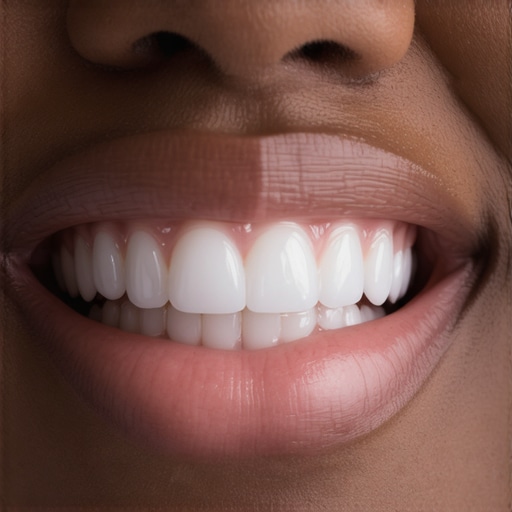
It was late one evening, and I was eagerly trying out a new over-the-counter whitening gel I bought on a whim. The promise of a brighter smile in just a few days had me excited. But as I sat in front of my mirror, I noticed an uncomfortable tingling sensation that quickly turned into an itch around my gums—a sensation I had never experienced before. And in that moment, I realized I had made a crucial mistake: I didn’t really understand what was happening behind the scenes of this seemingly simple whitening fix.
Unraveling the Mystery: Why Do Gums Itch After Using Whitening Gels?
Many people, myself included, encounter this annoying itch after using store-bought whitening products. It’s a common reaction, but that doesn’t mean it’s harmless. The irritation often occurs because the whitening gels contain strong peroxide-based agents that can irritate the delicate tissues of your gums if not used properly. For some, it’s a mild reaction that fades quickly. For others, it can lead to discomfort, swelling, or even more serious issues if ignored.
The key to understanding this reaction lies in recognizing that your gums are highly sensitive—more so than the enamel on your teeth. When certain ingredients in whitening gels come into direct contact, they can cause chemical burns or inflammation, especially if applied improperly or if your oral tissues are already inflamed. According to dental professionals, this irritation isn’t just uncomfortable; it can also compromise your oral health if left unchecked.
Have You Faced This Problem? You’re Not Alone
I’ve been there. I thought I was doing everything right—reading instructions carefully, applying the gel sparingly—but I overlooked one critical aspect: ensuring the gel stayed strictly on my teeth. That mistake, and others I made early on, could have made the problem worse. But more importantly, it taught me the importance of understanding how whitening products interact with my unique oral anatomy. If you’ve experienced similar discomfort or are considering whitening options, you’re not alone. Keep reading, because I’m going to share my insights and strategies to help you fix this issue and avoid future mishaps.
Before jumping into solutions, it’s helpful to grasp why this problem occurs and what mistakes I initially made. From misapplying products to ignoring signs of irritation, understanding these pitfalls can save you time, money, and discomfort. Now, let’s explore some practical steps you can take to protect your gums and enjoy the bright, healthy smile you deserve—safely and effectively.
For more detailed information on teeth whitening options, check out this comprehensive guide.
.
Properly Apply Whitening Gel to Protect Your Gums
My first attempt involved dabbing the gel directly onto my teeth without trimming the applicator tip. The excess seeped onto my gums, causing irritation. To avoid this, trim the applicator tip to the smallest effective size, then apply the gel carefully. Use a clean finger or a disposable brush to spread the gel precisely on each tooth’s surface, avoiding contact with the soft tissues. This method minimizes chemical exposure and prevents stinging sensations. During my messy first try, I learned that patience and precision are essential—aim for a thin, even layer directly on enamel, not around the gum line.
Use the Tooth-Aligning Method for Even Coverage
Aligning the gel with the contours of your teeth ensures better results and reduces gum contact. After applying the gel, use a small, rounded toothbrush or an interdental brush to gently press the gel into the grooves of each tooth, especially the front ones. I experienced that pressing the gel slightly into the enamel cracks increased contact efficiency, resulting in faster whitening. Remember, never press the gel onto your gums—focus on the teeth only. For instance, in my first application, I inadvertently pressed too hard near my gums, which caused an itch that lasted hours, emphasizing the importance of careful technique.
Maintain a Strict Application Routine to Prevent Overexposure
Consistency is key. Set a timer when you first start using whitening gels to avoid over-application or prolonged contact with your gums. In my initial experiments, I left the gel on for twice the recommended time, which heightened irritation. Now, I strictly stick to the manufacturer’s instructions—typically 20-30 minutes. I also avoid brushing immediately after whitening, as this can aggravate sensitive areas. Instead, I rinse gently and apply a soothing, fluoride-rich mouth rinse to soothe any irritation—an effective step I learned through trial and error.
Protect Gums During the Night with Temporary Barriers
If you find that gel sometimes touches your gums despite careful application, consider creating a physical barrier. Use a small piece of dental wax or a specialized gum shield to cover your gums overnight. I fashioned a makeshift barrier from soft wax, which I gently pressed along my gum line before bedtime. This prevented accidental contact, especially during unconscious movements, and reduced irritation upon waking. Incorporating this step proved invaluable during my more sensitive whitening phases.
Monitor and React to Irritation Promptly
If you feel any itching or discomfort during or after application, remove the gel immediately. Rinse your mouth thoroughly with water and avoid applying further gels until the irritation subsides. I once ignored early signs of irritation, leading to a painful gum burn. Once I recognized the symptoms early, I adopted this reactive approach, which kept my gums healthy and allowed me to continue whitening safely. Regularly inspecting your gums and adjusting your technique accordingly helps prevent long-term damage—remember, prevention trumps treatment here.
Seek Professional Advice When in Doubt
Understanding your oral health and how whitening agents interact uniquely with your tissues is crucial. When I faced persistent discomfort, consulting my dentist about alternative options saved me from potential damage. Professionals can recommend custom-fitted whitening trays or suggest less irritating formulations. If symptoms persist or worsen, don’t hesitate to reach out via this contact page to get tailored guidance. Prioritizing expert advice ensures you’re applying whitening products safely and effectively.
By following these concrete steps—meticulous application, proper coverage, routine monitoring, protective barriers, and professional consultation—you can achieve a brighter smile without compromising your gum health. Remember, the goal isn’t just whitening but doing so safely and sustainably, safeguarding your oral tissues every step of the way.
,While these cosmetic and restorative dental treatments are often presented as straightforward solutions, many misconceptions persist even among those who think they’ve done their homework. One common myth is that family dentistry is simply about routine checks, but in reality, it focuses on holistic, preventive care tailored to every family member, from kids to seniors. Neglecting this nuance can lead to overlooked issues that escalate over time, emphasizing the importance of choosing a dentist committed to lifelong oral health rather than just acute problem-solving. When it comes to Invisalign, many believe it’s only suitable for minor misalignments; however, in expert hands, Invisalign can correct complex cases—if the practitioner adapts the treatment plan accordingly. The mistake is assuming one size fits all; successful outcomes depend on customizing the approach, which involves careful assessment of bite dynamics and jaw structure. For veneers, a prevalent misconception is that they are purely cosmetic and reversible. In fact, applying veneers involves permanent alteration of tooth enamel, and improper placement can lead to increased sensitivity or aesthetic issues. A deeper understanding of material choices and preparation techniques is vital; otherwise, patients risk long-term complications. Teeth whitening, on the other hand, is often viewed as a quick fix achievable with over-the-counter products. But the real nuance involves understanding the type of stains—extrinsic versus intrinsic—and selecting the right treatment, whether in-office bleaching or customized at-home kits. Moreover, misusing whitening agents can cause enamel erosion and gum irritation, especially if applied improperly.
Why Do Some Whitening Methods Fail to Last and Cause Sensitivity?
Studies suggest that aggressive whitening can weaken enamel if not properly monitored, leading to increased sensitivity and higher chances of future discoloration (American Dental Association). This highlights the need for professional guidance to balance whitening efficacy with enamel preservation. Additionally, patients often underestimate the importance of ongoing maintenance and avoiding stain-causing foods and drinks post-treatment. Have you ever fallen into this trap? Let me know in the comments. Ultimately, a nuanced understanding of these treatments—not just the marketing hype—empowers you to make informed decisions that truly benefit your oral health and aesthetic goals. For comprehensive insights on choosing the right whitening approach, visit this guide, or consult a seasoned family dentist experienced in modern cosmetic techniques at this contact page.
Keeping Your Smile Bright and Healthy Over Time
Maintaining the results of family dentistry, Invisalign, veneers, or teeth whitening treatments requires more than just good habits; it demands the right tools and systems. I personally rely on a combination of advanced equipment and proven methods to ensure my smile stays optimal. One essential tool I use daily is a high-quality electronic toothbrush, specifically the Sonicare DiamondClean. Its sonic technology effectively removes plaque and stains, especially around veneers and aligned teeth, providing a professional-level clean at home. Additionally, I incorporate a water flosser, like the Waterpik Aquarius, which is invaluable for cleaning between braces, veneers, or broad dental arches—especially for those with limited dexterity or braces that trap debris.
Beyond physical tools, I find that using a specialized, LED-illuminated mouth mirror enhances my ability to monitor my oral health. It helps catch early signs of wear, discoloration, or gum issues before they escalate. For routine whitening touch-ups, I prefer using custom-fitted whitening trays with a professional-grade gel, ensuring gradual and safe brightening without gum irritation. These trays, coupled with my dentist’s guidance, give me control over maintenance and longevity of my whitening results.
For digital monitoring and reminders, I utilize dental health software like Dentabyte, which allows me to track my cleaning routine and set personalized alerts. This prevents skipping days and ensures consistent care, crucial for maintaining veneers and Invisalign outcomes. As technology advances, I believe the future of long-term dental care will increasingly involve smart devices—like connected toothbrushes and app-based tracking—to provide real-time feedback and expert advice at home.
In my experience, consistency with these tools extends the lifespan of treatments like veneers and Invisalign. For example, combining daily use of a sonic toothbrush with flossing and routine check-ins with my dentist has helped me avoid common issues such as staining, plaque buildup, or gum inflammation. Plus, regular professional cleanings complement these efforts, preventing plaque accumulation and decay that can threaten even the most durable restorations.
How do I maintain my dental work over time?
To preserve your investment, schedule semi-annual dental visits where your professional can perform thorough cleanings and assessments. During these visits, your dentist can evaluate the integrity of veneers, the fit of Invisalign attachments, and overall gum health—catching problems early. Always adhere to your dentist’s personalized recommendations for hygiene routines and products. Remember, using the right tools consistently is a game-changer in avoiding costly repairs or replacements down the line. For tailored advice and expert support, don’t hesitate to reach out through this contact page.
Predicting where dental tech is headed, we can anticipate smarter, AI-integrated systems that personalize care even further, alerting us instantly to issues before they become noticeable. Embracing these innovations today will make long-term maintenance smoother and more effective—so I encourage you to try one of my recommended tools, like a water flosser or custom whitening trays, and see the difference it makes in your smile’s durability.
To explore more about maintaining and enhancing your dental treatments, check out this comprehensive guide.
The Hidden Lessons That Changed My Approach to Smile Care
One pivotal realization I had was that consistency outweighs intensity. I used to believe that the more diligently I applied whitening gels, the faster the results, but I learned that overexposure and rushing can cause gum irritation and setbacks. Another lesson was recognizing my unique oral sensitivities—what works for others might not suit me—and tailoring my routine accordingly. Lastly, I discovered that patience is a virtue; brightening your smile responsibly takes time and proper technique, not shortcuts or quick fixes. Embracing these insights transformed my experience from trial-and-error to a confident and safe journey towards a radiant smile.
Tools and Resources That Elevated My Smile Care Game
My go-to resource has been the comprehensive guide available at this detailed teeth whitening guide. It provided clarity on treatment options and how to choose the right one. I rely heavily on my Sonicare DiamondClean electric toothbrush, which ensures thorough cleaning and stain removal, especially around veneers. For maintaining whitening results, I trust my custom-fitted whitening trays from my dentist—attention to fit and gel quality makes all the difference. Lastly, consulting my dental professional at this contact page has been invaluable for personalized advice, especially when I experienced sensitivity issues. These tools and expert guidance have been essential in achieving sustained, healthy results.
Take Charge and Shine Brighter Today
Your journey to a brighter, healthier smile is within reach, and understanding the nuances of teeth whitening is a powerful step forward. Remember, a radiant smile isn’t just about aesthetics—it’s a reflection of your overall oral well-being. By applying proper techniques, using trusted tools, and seeking professional advice, you can enhance your confidence safely and sustainably. Don’t wait for the perfect moment—start today, and let your smile light up every room you enter. Every small step counts on the path to a stunning and healthy smile, so why not begin now?
Have you ever faced challenges with gum irritation during whitening? Share your experiences below—I’d love to hear your story and offer support to others on this journey!