
Why your dental implant makes a clicking sound when you chew
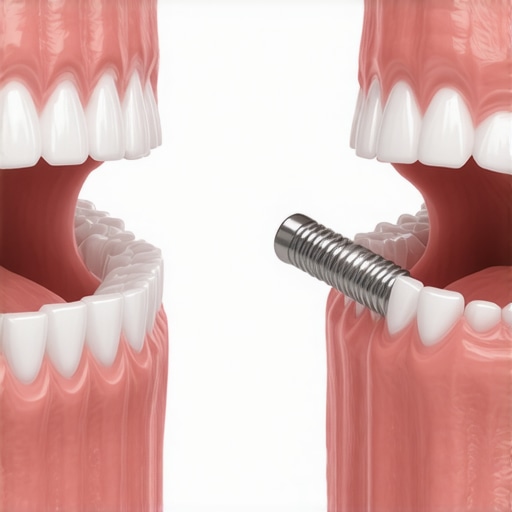
I vividly remember the moment I first chewed on a crunchy apple after my dental implant was placed. Instead of that satisfying crunch, I felt a strange, unsettling click inside my mouth. It was as if my new tooth had a mind of its own, making noises I didn’t expect. That lightbulb moment made me realize: dental implants aren’t just a set-it-and-forget-it solution. Sometimes, they can behave in ways that leave us puzzled and a little worried.
Understanding the Strange Sound When You Chew on Your Dental Implant
Many people, including myself, are caught off guard when their dental implants produce a clicking or popping sound during normal activities like chewing or talking. This isn’t uncommon, but it can be quite unsettling, especially if you weren’t warned about it beforehand. The good news? This issue is often manageable and not always a sign of something serious. But first, let’s explore why this weird noise occurs in the first place.
Is the Clicking Noise a Sign of Trouble or Just a Normal Snag?
Early in my experience, I made a mistake that many others do: I ignored the clicking, thinking it would go away on its own. Turns out, ignoring such signals can sometimes lead to bigger problems down the line. According to recent studies, minor sounds like clicking are often caused by the way the implant interacts with surrounding tissues or the way your jaw moves during chewing. It’s similar to how natural teeth can sometimes make noises if your bite isn’t perfectly aligned or if there’s compressed tissue shifting around the implant.
One key reason might be a slight imbalance in how the implant and the surrounding bone or gums are adjusting after surgery. This is usually temporary and resolves naturally as the tissues heal and settle. However, persistent or loud clicking might point to other issues like improper placement, wear of the implant components, or occlusal problems. It’s crucial to get these checked by your dentist.
For those interested in understanding more about restoring their smile, be sure to explore [the benefits of veneers](https://smilegumcare.com/veneers-made-simple-transform-your-tooth-aesthetics-in-2025-at-1822), which can sometimes be an alternative if implant complications persist. Also, if you’re curious about the latest in dental innovations, [invisible braces](https://smilegumcare.com/invisalign-innovation-invisible-braces-changing-smiles-in-2025-at-1537) are worth a look.
Now that we’ve outlined what might be causing the clicking, let’s move on to practical steps you can take to address this issue. Rest assured, most cases are manageable once you understand the underlying causes. But before we dive in, have you experienced this clicking sound with your implant? Share your story—I’d love to hear how you handled it and what worked for you.
Start with a Professional Checkup
Schedule an appointment with your dentist immediately to diagnose the cause of the clicking. Be prepared to describe when it occurs and how loud it is. During the visit, the dentist will examine your implant, bite alignment, and surrounding tissues. I once visited my dentist after noticing a persistent click and was surprised when they identified minor occlusal interference that could be fixed with a simple adjustment.
Identify and Adjust Your Bite
Misaligned bites are a common culprit for clicking sounds. To assess yours, chew slowly on a clean, mirror-side-by-side comparison of both sides of your mouth. If one side feels more pushed or uneven, it could indicate an occlusion issue. Your dentist can make fine tweaks to the implant’s positioning or your bite to eliminate the noise, much like aligning gears in a machine to run smoothly.
Manage Tissue Recovery and Healing
Sometimes, tissue swelling or shifting around the implant creates temporary noises. Applying gentle warmth to the area can promote blood flow and reduce stiffness. After my implant placement, I gently massaged the area with warm, sterile gauze, which seemed to help tissues settle faster. Continue good oral hygiene to prevent inflammation that could contribute to additional sounds.
Use Bite Guards if Needed
Nighttime grinding can cause implant movement, resulting in clicking. Using a custom-fitted night guard acts like a shock absorber, much like a bumper in a bumper car, preventing unnecessary motion. For a period, I wore one suggested by my dentist, which noticeably reduced the clicking and improved comfort.
Check for Mechanical Wear or Component Issues
If your implant system includes detachable parts like in hybrid dentures, worn or loose components could be problematic. Your dentist may need to tighten, replace, or upgrade parts, similar to tuning parts of a bicycle for optimal operation. An example from my experience involved a loose abutment screw that, once tightened, eliminated the clicking entirely.
Evaluate Your Chewing Habits
Hard or uneven chewing puts stress on implants. Practice mindful eating—cut hard foods into smaller pieces and chew slowly. I learned this the hard way when I bit into a tough nut quickly, which caused a temporary pop in my implant. Slowing down reduced sudden jaw movements that could cause noises.
Seek Ongoing Professional Support
Persistent or worsening sounds warrant follow-up. Your dentist may recommend imaging, such as X-rays, to rule out issues like bone loss or implant failure. Regular checkups—at least annually—are vital, as early intervention can prevent more serious complications.
Taking these concrete steps can significantly reduce or eliminate the clicking, restoring your confidence in chewing and speaking. Remember, early action and communication with your dental professional are key—don’t wait until the problem becomes louder or more uncomfortable.
When it comes to cosmetic and preventive dental treatments, there’s a lot of misinformation floating around. Many patients believe they’ve got a good handle on veneers, Invisalign, family dentistry, and teeth whitening. But in my experience, what most people get wrong are the subtle nuances, the myths that persist despite scientific evidence. Let’s explore some of these misconceptions and the pitfalls that can trip up even the most diligent patients.
Veneers: Are They Always the Best Solution?
A common myth is that veneers are a quick fix for all aesthetic issues. While veneers can dramatically improve appearance, they aren’t always the ideal choice—especially if you have underlying issues like uneven bite, decay, or gum disease. I often see patients opting for veneers without considering the long-term impact or the preservation of natural tooth structure. For instance, a study published in the Journal of Esthetic & Restorative Dentistry emphasizes the importance of evaluating occlusion and tissue health before placing veneers, to prevent future damage or discoloration. Remember, veneers are a thin shell bonded to your teeth, not a universal fix.
Beware of the trap of overusing veneers for minor imperfections. The process is irreversible, and improper application can lead to chipping or sensitivity down the line. For a nuanced understanding, check out this comprehensive guide.
Invisalign: More Than Just Discreet Braces
Many assume that Invisalign is a miracle solution for all orthodontic problems, but that isn’t always the case. For complex malocclusions, traditional braces might outperform Invisalign, which is better suited for minor to moderate adjustments. An overlooked nuance is the attachment system—small tooth-colored bumps that help with movement. If not properly bonded or if the aligners don’t fit perfectly, treatment can stall or lead to unexpected shifting.
Additionally, patient compliance is often underestimated. Wearing aligners less than the prescribed 22 hours a day can extend treatment duration significantly. According to Invisalign’s official research, consistent wear is crucial for predictable results. Plus, I recommend exploring advanced Invisalign strategies to understand what truly sets successful cases apart.
Family Dentistry: More Than Just Routine Checkups
Many parents view family dentistry as a simple roadside stop for teeth cleaning and sealants. However, the real nuance lies in preventive strategies tailored across generations. For example, early interceptive orthodontics, fluoride management, and even dietary counseling play vital roles. I often see families missing out on these nuanced steps, which could prevent costly procedures later.
Research from the American Academy of Pediatric Dentistry shows that early comprehensive care drastically reduces the need for invasive treatments. For parents, understanding the importance of building lifelong healthy habits—like proper brushing techniques or avoiding sugary drinks—is more impactful than just emergency visits. For more insights, see this guide on building a healthy family smile.
Teeth Whitening: A False Sense of Perfection?
The widespread belief that over-the-counter whitening products can yield professional-level results is a dangerous misconception. At-home kits can be effective, but they often lack the customization necessary for safe and uniform bleaching. Overusing bleaching agents can cause sensitivity, gum irritation, or uneven color, especially if you have restorations like crowns or veneers. It’s essential to understand the natural nuances—like enamel thickness and stain composition—that influence whitening outcomes.
Furthermore, some patients underestimate the importance of pre- and post-whitening care. For instance, avoiding stain-causing foods and maintaining good oral hygiene optimize results—something not emphasized enough in marketing gimmicks. For those craving a truly radiant smile, I recommend consulting a professional first. Check out this comprehensive guide to choose the right approach for your needs.
What Advanced Questions Should Patients Ask?
For those who want to dig deeper, a critical question is: “How do I ensure my treatment plan considers my unique genetic, diet, and lifestyle factors?” The answer lies in personalized care—an approach increasingly supported by recent studies, such as the one published in the Journal of Personalized Medicine. Customization enhances longevity, reduces complications, and provides more natural results.
In my practice, integrating genetic testing and lifestyle assessment is becoming standard to tailor treatments effectively. This level of nuance often makes the difference between a good outcome and a truly exceptional one. Curious to learn more? Connect with your dental professional and challenge them with these advanced questions.
Have you ever fallen into this trap of misconceptions? Let me know in the comments, and share your experiences or questions about navigating these dental decisions wisely.
Essential Tools for Long-Term Dental Success
Maintaining dental work like veneers, Invisalign, or implants requires the right equipment and consistent habits. I personally swear by a high-quality sonic toothbrush, such as the Oral-B Genius X, because it offers superior plaque removal and gum stimulation. Regular use ensures your oral environment stays clean, preventing decay or gum issues that could compromise your restorations. For effective flossing, I recommend using a water flosser like the Waterpik Ultra, which I find especially helpful in reaching tight spaces around implants and orthodontic attachments. These tools have transformed my own routine, making maintenance less tedious and more effective.
Why Invest in Professional-Grade Products
While many over-the-counter options are tempting, professional-grade tools are meticulously designed with precision and durability in mind. Investing in a good electric toothbrush and advanced flossing systems not only prolongs the lifespan of your dental work but also reduces the frequency of costly repairs or replacements. Regular professional cleanings, combined with these tools, create a robust defense against plaque buildup and staining, preserving your smile’s brilliance over time.
The Role of Technology in Maintaining Your Smile
Emerging technologies like intraoral cameras and digital plaque detectors are revolutionizing at-home care. I utilize a device called the Dental Hygiene Pro, which pairs with my smartphone and provides real-time feedback on brushing and flossing efficacy. This immediate insight helps me correct techniques and ensures I’m targeting all areas effectively. As the trend advances, I predict more smart dental devices will become affordable and accessible, making personalized, data-driven oral health management part of everyday life.
How do I keep my dental work functioning well over the long haul?
Consistency is key. Incorporate daily routines with quality tools like electric brushes and water flossers. Book regular checkups—at least twice a year—to catch early signs of wear or issues. Additionally, consider specialized treatments such as fluoride varnishes or sealants if your dentist recommends them, especially if you’re prone to staining or decay. Long-term results depend on proactive care—so don’t wait for problems to arise before acting.
Remember, small daily actions compounded over years determine the durability of your smile. For example, using a quality veneer-specific cleaning tool can prevent discoloration and chipping. Pro tip: set a reminder to replace your toothbrush head every three months—to maintain optimal cleaning power. Want to optimize your maintenance routine? Try incorporating a new tool like the Dental Hygiene Pro — consistency with innovative devices truly enhances longevity.
If you’re interested in broadening your toolkit, consult with your dental professional about the latest devices tailored to your specific treatments. Staying ahead of potential wear or complications will save you time and money in the long run. Do you have a favorite tool or routine that keeps your dental work in top shape? Share your experiences in the comments!
Over the years, I’ve learned some unexpected truths about veneers, Invisalign, family dentistry, and teeth whitening—lessons that go beyond the conventional wisdom and can truly transform your approach to oral health. These insights have shaped my understanding and could help you navigate your own dental decisions more confidently.
Missteps That Taught Me the Power of Personalization
One of the biggest mistakes I made was assuming that a one-size-fits-all solution would work for everyone. I believed that veneers were the ultimate fix for aesthetic concerns, but I later realized that they aren’t suitable for every condition, especially if underlying bite issues exist. This revelation pushed me to explore comprehensive assessments and personalized treatment plans, emphasizing the importance of tailored care. For a nuanced approach, check out this guide on veneers.
Strategies That Changed My Perspective on Tooth Whitening
I used to think over-the-counter whitening products were sufficient, but I discovered that professional whitening offers safer and more predictable results. Not only does a professional approach consider your enamel’s condition, but it also provides the customization necessary to prevent sensitivity. This experience taught me that investing in expert guidance yields long-term benefits. For detailed options, explore this comprehensive teeth whitening guide.
The Reality of Invisalign That Surprised Me
I believed Invisalign would completely straighten my teeth effortlessly, but the real lesson was about commitment. Consistent wear and proper attachment care are crucial; without them, results can be delayed or compromised. This insight made me appreciate the importance of discipline and working closely with my orthodontist. If you’re curious about how to maximize your Invisalign journey, check out these insider tips.
Building a Support System That Lasts
Engaging with a knowledgeable dental team has been foundational to my long-term success. Regular checkups, honest discussions, and staying informed have kept my smile healthy and vibrant. This realization underscored that ongoing professional support isn’t a luxury—it’s a key pillar for lasting results. Discover how to foster these relationships at this family-friendly dental resource.
Sharing My Wins and Wobbles Can Help You Too
If you’re considering veneers, Invisalign, or any aesthetic or corrective treatment, remember that every journey is unique. Embrace the learning curve, ask questions, and celebrate progress, even the small wins. Your smile is an evolving story—make it a story worth telling. What’s one misconception about dental treatments you’ve struggled with? Let’s discuss below—I genuinely want to hear your experiences and help you avoid pitfalls I once fell into.
Your Next Chapter in Smile Confidence Starts Here
The lessons I’ve gathered from my dental experiences highlight the importance of personalized care, informed choices, and ongoing support. By applying these insights, you can confidently build a smile that not only looks great but also feels right for you. Remember, your journey to a brighter, healthier smile is uniquely yours—embrace it fully.