
The danger of using lemon juice to whiten your teeth at home
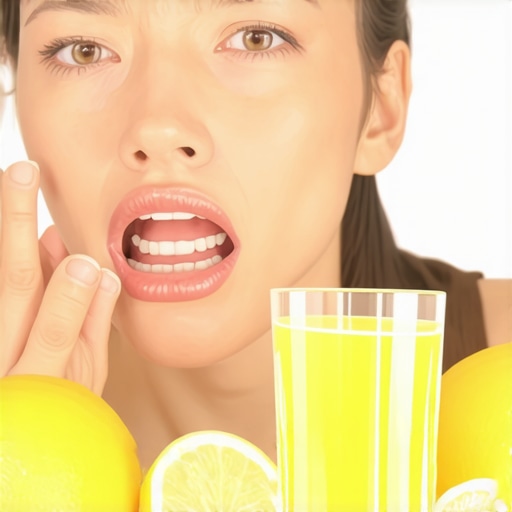
It was a late night, and I was desperately searching for a quick fix to brighten my smile before a family event. That’s when I stumbled upon a popular DIY tip: squeeze lemon juice onto your toothbrush and scrub away stains. In the moment, it seemed like a miracle solution—cheap, easy, and seemingly natural. But as I later learned, that brightening ambition came with a hefty price tag. Have you ever tried home remedies that sounded good in theory but left you with more problems?
Why I Learned the Hard Way About Lemon Juice and Teeth
Initially, I believed I was making a smart choice, trusting the idea that natural ingredients are always safe. I brushed my teeth with lemon juice every few days, convinced that I was removing surface stains and achieving that sparkling white look I longed for. But within weeks, I noticed increased tooth sensitivity and some faint discoloration that didn’t go away. It wasn’t long before a family dentist explained that the acids in lemon juice eroded my enamel—the protective outer layer of my teeth—and that I had been unknowingly damaging my smile. I realized that what seemed like a quick fix was actually a dangerous shortcut.
The truth is, many home whitening remedies, especially those involving highly acidic substances like lemons, can do more harm than good. Enamel erosion is a serious issue because, unlike other tissues, it cannot regenerate naturally. The damage not only compromises the health of your teeth but also makes them more susceptible to decay and sensitivity. According to the American Dental Association, over-the-counter and DIY whitening methods that are overly acidic can lead to irreversible enamel loss and increase the risk of cavities.
Are DIY Whitening Methods Really Worth the Hype?
I made the mistake of trusting unvalidated advice and underestimated the potency of acids in natural foods like lemons. If you’re considering home remedies, I urge you to think twice. What looks like an easy shortcut can end up costing you unnecessary pain and expensive dental treatments down the line. Instead of risking your health, it’s better to explore proven professional options that ensure your smile stays healthy and bright.
In the next sections, I’ll share safe and effective ways to whiten your teeth without compromising their integrity, helping you avoid common pitfalls and protect your investment in your smile. Want to find out more about the best approaches? Visit top teeth whitening strategies for this year’s trends and tips.
Prioritize Professional Evaluation Before Home Treatments
Start by scheduling a comprehensive dental check-up. During this visit, your dentist assesses your teeth, gums, and overall oral health. I once went for a routine cleaning, but my dentist spotted early signs of enamel erosion. This highlights the importance of professional exams to guide your whitening options and prevent damage. Remember, DIY methods like using lemon or baking soda can worsen issues if your enamel is already compromised.
Choose Proven Whitening Options Over DIY Hacks
Opt for professional whitening treatments, such as in-office bleaching or custom-fitted whitening trays, which are safer and more effective. For example, I tried over-the-counter whitening strips, but they barely made a difference and caused some gum sensitivity. Consulting with your dentist ensures you receive tailored advice, minimizing risks like uneven coloration or sensitivity. Visit Top Teeth Whitening Strategies for reliable options.
Implement Proper Oral Hygiene Habits
Consistent brushing with fluoride toothpaste, flossing daily, and using mouthwash keep your teeth healthy and assist in maintaining whitening results. I adopted a routine of brushing twice daily and flossing every night, which significantly improved my overall oral health and prolonged whitening effects. Think of your oral care like maintaining a garden; regular tending prevents weeds and keeps everything vibrant.
Consider Cosmetic Procedures for Advanced Aesthetics
If you’re seeking rapid aesthetic improvements, discuss options like veneers or enamel microabrasion with your dentist. I decided on veneers after a consultation, which transformed my smile instantly. Veneers are like custom-made tooth shells that cover imperfections, providing a natural look without damaging your natural teeth. Learn more about Veneers Made Simple for a comprehensive guide.
Explore Invisalign for Better Alignment
For crooked teeth, Invisalign offers a discreet, comfortable alternative to braces. I wore these clear aligners for a year, and the process was smooth—no brackets or wires. The key is wearing them consistently, about 20-22 hours daily, to achieve optimal results. Think of Invisalign as a gentle, invisible team of guides gradually straightening your teeth without the fuss of traditional braces. Check out Invisalign Innovation for the latest advancements.
Maintain Results With Dietary and Lifestyle Choices
Limit staining foods and beverages like coffee, tea, and red wine. After my whitening sessions, I avoided these and noticed my smile stayed brighter longer. Using a straw helps reduce contact with teeth, and rinsing with water after meals minimizes staining risks. A balanced diet rich in calcium and phosphates also strengthens enamel, making your teeth more resilient to damage and discoloration. Think of your teeth like a protective shield—nourishing it keeps your smile vibrant.
Monitor and Protect Your Investment
Regular dental visits and professional cleanings are essential for maintaining health and appearance. If you notice increased sensitivity or discoloration, consult your dentist promptly. I schedule biannual visits, which catch issues early and keep my smile in top shape. Remember, professional oversight helps avoid costly repairs down the line, ensuring your efforts yield lasting results. For more tips on creating lifelong healthy smiles, see Family Dentistry.
When it comes to enhancing your smile and maintaining oral health, many believe they understand the basics, but the truth is, there are nuanced misconceptions that can lead to costly mistakes. One widespread myth is that all dental veneers are purely cosmetic, ignoring their potential to strengthen compromised teeth when appropriately placed. Contrary to popular belief, veneers are not just about aesthetic perfection; they can serve functional purposes, especially when combined with proper planning by your dentist. Exploring the difference between veneers and crowns through comprehensive resources like Veneers vs. Crowns reveals the importance of tailoring solutions to individual needs.
Can DIY Whitening Truly Match Professional Results Without Damage?
Many assume that over-the-counter whitening kits can replicate professional treatments at home. However, overuse or incorrect application can lead to enamel erosion, making teeth more sensitive and prone to decay. Studies in the Journal of Clinical Dentistry highlight that unregulated whitening can weaken enamel integrity, emphasizing the necessity of expert supervision. Don’t fall into the trap of quick fixes—investing in professional whitening not only ensures safety but also guarantees lasting results. Some believe Invisalign is only for teenagers or those with severe misalignments. In reality, modern Invisalign options cater to a diverse age range and mild to moderate issues, making discreet orthodontics accessible for many adults seeking subtle improvements. Yet, many overlook the critical step of compliance—wearing aligners for the prescribed 20-22 hours daily is essential for successful outcomes. Skipping or inconsistent use can prolong treatment or lead to unsatisfactory results. When considering family dentistry, a common misconception is that regular check-ups are only necessary when problems arise. However, as detailed in Ensuring Family Dental Care, proactive preventive visits are key to identifying issues early and maintaining overall oral health for every family member. Many assume that dental treatments are painful and thus avoid regular visits, but advancements in pain management and minimally invasive techniques have transformed patient experience. Recognizing the importance of early intervention can save you from more invasive, expensive procedures later. Remember, understanding these nuances allows you to make informed decisions that prioritize both your dental health and your wallet. Have you ever fallen into this trap? Let me know in the comments.Maintaining a radiant smile over the years requires more than just good brushing habits; it calls for the right tools and consistent care routines. I personally swear by specific equipment and software that help me preserve the results of procedures like veneers, Invisalign, and teeth whitening. For instance, investing in a high-quality electric toothbrush like the Oral-B Genius X has transformed my daily cleaning routine. Its pulsating brush head ensures a thorough clean, especially around veneers and microabrasion-treated areas, which are more prone to plaque buildup. Using a timer feature guarantees I brush for the recommended two minutes, ensuring comprehensive coverage. Additionally, I rely on a water flosser such as the Waterpik Aquarius to reach areas traditional floss can miss, particularly around brackets or micro-roughened surfaces post-veneers. This tool not only keeps gums healthy but also prevents plaque accumulation that can undermine cosmetic work.
To track my oral health and treatment progress, I utilize dental-specific apps like Dental Radar. These platforms allow me to log symptoms, schedule reminders for professional cleanings, and monitor discoloration or sensitivities over time. Looking ahead, integrating AI-driven diagnostic tools may further personalize maintenance routines, allowing early detection of issues before they escalate. The trend points toward smarter, app-connected dental devices that can alert you to potential problems—think of it as having a virtual dental assistant in your pocket.
For long-term results, I also prioritize regular professional cleanings and check-ups. I book biannual visits with my dentist, who can spot early signs of wear or damage—especially important if you have veneers or Invisalign. Remember, quick repairs or adjustments are often simpler and less costly if caught early.
How do I maintain my dental work to ensure longevity? The secret lies in combining professional oversight with the right tools—like ultrasonic toothbrushes, water flossers, and digital monitoring apps—that support consistent, thorough care.
If you’re serious about keeping your smile pristine, try incorporating a water flosser into your routine today. It’s a game-changer for maintaining the health of your restorations and Invisalign aligners alike. For more expert-approved strategies, visit Teeth Whitening Secrets for a Sparkling Smile and discover additional tips to enhance your maintenance routine.
One of the hardest lessons I learned was trusting quick fixes without understanding their long-term implications. I used lemon juice for whitening, believing it was a natural and safe method, only to realize it damaged my enamel and caused sensitivity. This taught me to prioritize professional advice over DIY tricks, especially with procedures affecting oral health and aesthetics.
Secondly, it became clear that patience and consistency matter more than instant results. Investing time in proper oral hygiene and seeking expert guidance from resources like top teeth whitening strategies provided me with durable and safe outcomes I can be proud of.
Lastly, I discovered that understanding the differences between cosmetic solutions, such as veneers versus crowns, can dramatically influence my choices. Exploring Veneers vs. Crowns helped me make informed decisions aligned with my needs, avoiding unnecessary procedures and costs.