
How to handle the dull ache behind your last molar
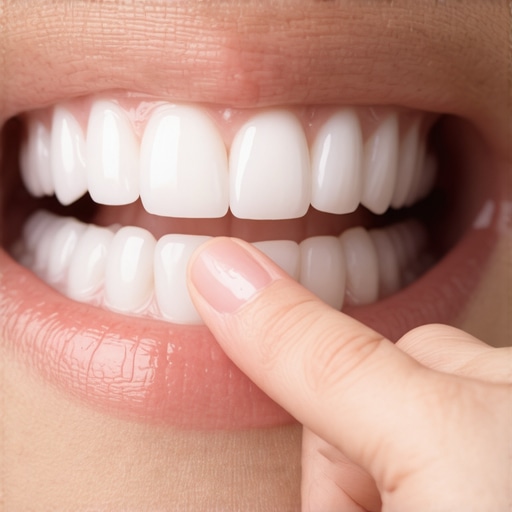
It was midnight when I finally realized I couldn’t ignore it any longer—the dull, nagging ache behind my last molar was growing more persistent. For weeks, I had brushed it off, thinking it was just formless discomfort caused by my recent veneer adjustment or maybe a late-night snack. But as I lay awake, I couldn’t shake the feeling that something wasn’t quite right. That moment was a lightbulb—if I ignored it, it might turn into something more serious.
Why That Ache Shouldn’t Be Taken Lightly
Let’s be honest—dull aches behind the molars are not just annoying; they could be signals from your body warning you about underlying issues. Whether it’s a developing cavity, gum irritation, or something more complex with your wisdom teeth, addressing it early can save you pain, money, and time down the road. Early intervention is key.
Is Ignoring Mild Discomfort a Good Idea?
I used to think dismissing mild pain was harmless. I remember once ignoring a mild sensitivity after whitening my teeth, which unexpectedly turned into a painful crack—a mistake I hope no one repeats. According to the American Dental Association, ignoring persistent dental discomfort can lead to more severe problems like infections or abscesses. If you’ve faced that dull ache, I Encourage you to listen to your body and seek professional advice.
Now that you understand why this dull pain shouldn’t be shrugged off, let’s look into how you can identify the causes and when to seek help. Ready to find relief and keep your smile healthy? Let’s dive into some practical steps.
Identify the Root Cause Clearly
Begin by thoroughly examining when the pain occurs—does it only hurt when you eat sweets or cold drinks? Notice the location—behind the last molars? Use a mirror to inspect for visible signs like swelling or discoloration. Remember, persistent dull ache after veneers or whitening might signal sensitivity or minor damage. For example, I once felt a slight discomfort after trying a new whitening kit; I checked for visible signs and scheduled a professional assessment promptly. Recognizing specific triggers helps narrow down the cause efficiently.
Optimize Your Daily Oral Hygiene Routine
Ensure you’re practicing correct brushing and flossing techniques—these are your first defense against dental problems. Use a soft-bristled toothbrush to gently clean teeth and avoid aggressive scrubbing that can irritate gums or wear down enamel. Incorporate fluoride toothpaste to strengthen tooth surfaces. When I noticed sensitivity, I switched to a Desensitizing toothpaste, which significantly reduced discomfort. Regular cleaning prevents plaque buildup that can worsen existing issues or cause new ones.
Adjust Your Diet Intelligently
Limit intake of acidic or sugary foods that can exacerbate pain or cause further decay. Instead, favor dairy, nuts, and fibrous vegetables that support oral health. I remember cutting back on coffee and citrus, which lessened my tooth sensitivity. Also, rinse your mouth with water after consuming staining drinks like coffee or red wine—this helps minimize further discoloration. For deeper insights, check our guide on top teeth whitening strategies.
Apply Over-the-Counter Solutions Wisely
Use desensitizing gels or temporarily take mild pain relievers as recommended. Be cautious—these only alleviate symptoms temporarily and do not replace professional care. For instance, I used an over-the-counter gel after a minor veneer adjustment, which provided relief until my appointment. Avoid using products containing alcohol or harsh chemicals that might irritate sensitive areas further.
Schedule a Professional Dental Evaluation
If pain persists beyond a few days or worsens, contact your dentist promptly. They can perform a comprehensive exam, identify issues like cavities, gum disease, or veneer breakdown, and recommend appropriate treatments. I once ignored persistent discomfort, which led to an unexpected root canal. Regular checkups, especially if you’ve had cosmetic work like veneers or whitening, ensure early detection and prevent complication escalation. You can book a consultation via our contact page to get personalized advice. Always remember, acting swiftly prevents minor issues from turning into major problems, saving you pain and expense down the line.Many patients believe they understand dental treatments like Invisalign, veneers, teeth whitening, and family dentistry, but the truth is, there are nuanced pitfalls that even seasoned dentists acknowledge. For instance, a common misconception is assuming that Invisalign is suitable for everyone seeking straight teeth; in reality, complex bite issues or severely misaligned teeth might require more traditional orthodontics, as detailed in our article on latest Invisalign innovations. Moreover, some overlook the importance of attaching the right expectations with veneers—thinking they’re a quick fix for all aesthetic problems, when in fact, improper layering or preparation can lead to chip or discoloration over time, discussed further in veneers tips for 2025.
Are There Hidden Dangers in Overusing Whitening Products?
Common myths suggest that frequent whitening guarantees a brighter smile, but over-application of high-concentration bleaching agents can weaken enamel or cause sensitivity, as backed by a 2022 study published in the Journal of Clinical Dentistry. This indicates that moderation and professional guidance are crucial. Similarly, many think that family dentistry is just about cleanings, but it’s essential to recognize its role in preventive care, cavity risk assessment, and early detection of systemic issues, emphasized in family dental tips for 2025. A common lurking mistake is neglecting the long-term implications of cosmetic procedures; for example, veneers or whitening treatments might need touch-ups or replacements due to wear, discoloration, or changes in tooth structure. Don’t fall into the trap of thinking that cosmetic improvements are permanent—regular dental visits ensure longevity, as outlined in our comprehensive guide. If you’re considering any cosmetic or family treatment, ask your dentist about the nuanced risks and proper maintenance strategies. Have you ever fallen into this trap? Let me know in the comments and share your experiences with dental treatments that exceeded or fell short of your expectations.Maintaining your bright smile and dental health over the years requires not just good habits but also the right tools and consistent care routines. As someone passionate about cosmetic and family dentistry, I’ve honed a set of specific equipment and techniques that ensure longevity and optimal results. One game-changer is my ultrasonic toothbrush, specifically the Philips Sonicare DiamondClean. It offers superior plaque removal, especially around veneers and orthodontic appliances, thanks to its advanced sonic technology. I personally find that it reduces the need for frequent professional cleanings by preventing tartar buildup effectively. Another essential tool in my arsenal is the Waterpik Water Flosser, which I use daily to clean interdental spaces thoroughly. It’s particularly beneficial for those with braces or veneers where traditional flossing can be cumbersome. Consistent use of these tools not only maintains oral hygiene but also extends the lifespan of aesthetic procedures like whitening treatments and veneers. When it comes to teeth whitening, I recommend following a structured at-home bleaching regimen using products recommended by your dentist, paired with tools like custom trays for even application. This approach minimizes sensitivity and ensures lasting whiteness. Looking ahead, I believe integrating smart technology, like Bluetooth-connected toothbrushes that track your brushing habits, is the future of dental maintenance, making routines more effective and data-driven.
How do I maintain Invisalign, veneers, or whitening results over time?
Regular professional check-ups are key—ensure you visit your dentist at least twice a year for evaluations. They can assess the condition of veneers, aligners, or whitening effects, and perform necessary touch-ups or cleanings. Additionally, adopting a consistent routine using proven tools like electric toothbrushes and water flossers can prevent staining, plaque, and structural issues. Remember, avoiding abrasive foods and drinks that could stain or damage your dental work is vital. For instance, limiting coffee and red wine helps preserve whitening results longer. I’ve seen many patients successfully extend their aesthetic restorations by following this disciplined maintenance plan. To deepen your understanding, explore our comprehensive guide on top teeth whitening secrets. Investing in quality tools now makes the long-term care of your smile more manageable and effective. Don’t underestimate the power of a good maintenance routine—try complementing your daily regimen with a sonic toothbrush and water flosser for stellar results. Staying proactive with these techniques helps ensure your smile remains vibrant and healthy for years to come. 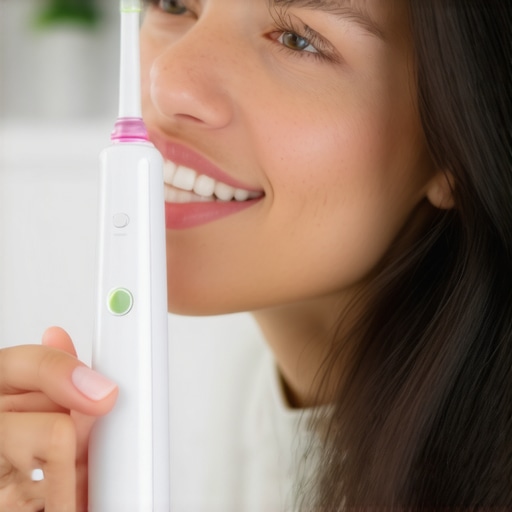
Overcoming dental discomfort isn’t just about addressing pain—it’s about understanding the silent signals your teeth send to protect your smile. My journey taught me that even minor, persistent dull aches can hide issues that, if left unchecked, might impact your confidence and well-being for years to come. Being proactive with treatments like veneers or whitening, and recognizing the nuanced signs of underlying problems, has been a game-changer in maintaining my radiant smile.
Secrets Dentists Keep About Long-Term Smile Success
- Consistent use of advanced tools like sonic toothbrushes and water flossers isn’t just a habit—it’s an investment in your dental future. Trust me, these small choices pay dividends by preventing issues before they become costly repairs.
- Having learned from personal experience, I realize that overusing whitening products or neglecting routine checkups can undermine your aesthetic goals. Moderation and professional guidance are your best allies in achieving lasting brightness.
- Understanding the limitations of cosmetic procedures like veneers or Invisalign helps set realistic expectations and saves you from disappointment. Proper maintenance and honest consultations preserve your results and confidence.
- Early detection of issues during regular family dentistry visits can save you from facing complex procedures later. Don’t wait for symptoms—act when your dentist advises curb your risks and extend the longevity of your dental investments.
Tools and Resources That Changed My Outlook
- My ultrasonic Philips Sonicare DiamondClean has been a revelation in maintaining veneers and whitening results, making daily routines more effective and less abusive to delicate restorations. It’s something I recommend to everyone aiming for a healthy, beautiful smile.
- The Waterpik Water Flosser transformed my interdental cleaning, especially around braces and veneers, ensuring nothing gets missed and reducing irritation or bleeding. It’s become an indispensable part of my oral hygiene arsenal.
- For those curious about DIY whitening or veneers, I found the [best teeth whitening strategies](https://smilegumcare.com/teeth-whitening-secrets-for-a-sparkling-smile-in-2025-at-1248) helpful, but remember, professional advice ensures safety and best results.
- Staying informed through trusted websites like [Invisalign innovations](https://smilegumcare.com/invisalign-innovation-invisible-braces-changing-smiles-in-2025-at-1537) and [family dentistry tips](https://smilegumcare.com/ensuring-family-dental-care-what-parents-need-to-know-in-2025) keeps me confident about my choices. Knowledge truly is power when it comes to your smile.
Your Smile’s Future Starts Now
Every great smile story begins with a small step—whether that’s scheduling a checkup, embracing quality tools, or simply listening to your body’s signals. Remember, a vibrant, healthy smile is a lifelong journey, and the choices you make today shape your confidence tomorrow. Take action, invest in your dental health, and let your smile shine brighter every year.