
Why Your Teeth Ache Only When You Take Your Aligners Out to Eat
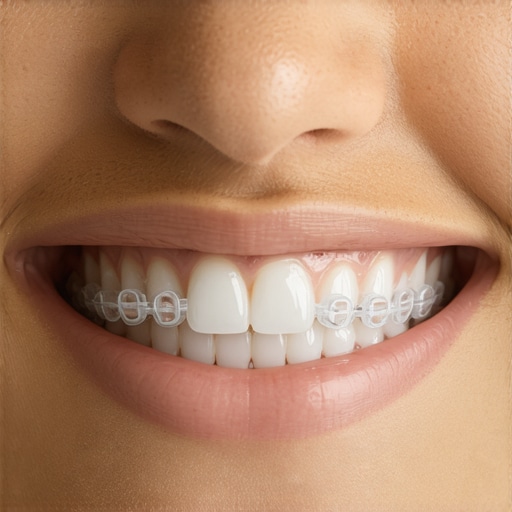
It happened again this morning. I was sipping my coffee, feeling pretty good about how smoothly my orthodontic journey was going, until I took out my aligners—and suddenly, that sharp, unexpected throbbing hit my teeth. I remembered the first time this happened and felt a little panic. Was I doing something wrong? Or worse, was something permanently damaged? If you’ve experienced this strange, intermittent pain when removing your aligners to eat, you’re not alone. It’s surprisingly common—and frustrating.
Understanding That Surprising Pain When Removing Your Aligners
The first time you notice your teeth aching only when your aligners come out, it can be alarming. Especially if you’ve been diligent with your oral hygiene and following your orthodontist’s instructions. But here’s the thing: this sensation isn’t just random. It has to do with how your teeth and gums are adjusting to the movement and pressure applied by the aligners. When you remove them, your teeth might feel a moment of sensitivity or mild pain because they are temporarily exposed to environmental factors and receive less support from the aligner, which acts like a shield.
Early on, I made the mistake of ignoring this discomfort, chalking it up to normal adjustment. But ignoring subtle signs can lead to bigger issues, like gum irritation or even the misinterpretation that an aligner is ill-fitting. It’s crucial to recognize that this discomfort often signals your teeth are still in transition and that your body is adapting to the new positions, which is a good thing.
If you’re wondering why this happens and how to manage it, keep reading. We’ll explore practical steps to ease this pain and ensure your orthodontic treatment progresses smoothly. For more detailed insights, you might find this guide on [Invisalign innovations](https://smilegumcare.com/invisalign-innovation-invisible-braces-changing-smiles-in-2025-at-1537) helpful.
Is The Pain Actually Worth The Hype?
Honestly, I was skeptical at first. I worried about whether the discomfort indicated a problem or the failure of my treatment. Early in my journey, I made the mistake of trying to fix everything myself—thinking if I wiggled my aligners or tried to force them in, I’d get relief faster. That’s a common mistake that can do more harm than good. Instead, understanding that this pain is often part of the process helped me stay patient and focused.
Handle Your Teeth Like a Pro
Post-application of aligners, teeth often react with sensitivity when removed. To reduce discomfort, start by soaking your aligners in a gentle, non-abrasive cleaner for at least 15 minutes. This loosens any stubborn residue that might cause rough removal and irritate your gums. I once struggled for days with sharp pain until I realized soaking my aligners eased the removal process significantly, and I experienced less soreness.
Prepare Your Teeth Before Removal
Before taking out your aligners, rinse your mouth with warm water to wash away saliva and debris. Then, gently dry your teeth with a soft cloth. This step minimizes the suction effect—similar to removing a tight-fitting lid—reducing the pull on sensitive tissues. I found that a quick dry, combined with gentle removal, cut down my discomfort noticeably.
Use Proper Technique for Removal
Instead of yanking your aligners out, place your thumb and index finger on the edges and slowly peel them back. Think of it like opening a tight jar lid—slow and steady preserves the lid and reduces strain. When I first tried this method, my teeth felt less wobbly and the pain decreased dramatically. Always avoid forcing the aligners, as this can cause unnecessary stress on your teeth and gums.
Apply Gentle Pressure and Care
Once you grip the aligners, pull gently and evenly. If you encounter resistance, pause and reposition your fingers. Applying too much force can damage the aligners and trigger more sensitivity. Remember, your teeth are adjusting gradually—a bit of patience goes a long way. I learned this tip through trial and error, and now my removal process is smooth with minimal pain.
Manage Underlying Sensitivity
If your teeth feel sore even after proper removal, consider using a toothpaste designed for sensitive teeth. Regular use of such toothpaste builds a protective barrier that reduces discomfort over time. I started incorporating a sensitivity toothpaste into my routine, which made my teeth less reactive overall. Consult your orthodontist if sensitivity persists beyond a few days—there might be underlying issues needing professional attention.
Integrate Supportive Practices
Complement your routine with warm rinse solutions, which soothe the gums and mouth tissue. Avoid very hot or cold foods immediately after removal to prevent aggravating sensitivity. Over time, as your teeth adapt, these steps will help make aligner removal a painless daily ritual. I personally found that consistent gentle technique and supportive oral care transformed my experience into one of comfort and confidence.
When it comes to teeth whitening, many assume that brighter teeth always signify better health or effectiveness. However, overusing whitening agents can lead to enamel erosion, increased sensitivity, and even uneven results, which many overlook. It’s a common myth that more bleaching equals a more radiant smile—yet, professional guidance is crucial to prevent damage. Similarly, in family dentistry, there’s a misconception that regular checkups are only necessary for children and seniors. In reality, preventive care is vital for all ages to detect early signs of decay or gum disease, saving time and money long-term.
Are DIY Veneers Just as Good as Custom-Designed Ones?
Many patients believe that over-the-counter veneers or tooth covers can perfectly mimic professional results. But without proper assessment and customization, DIY veneers risk damaging your teeth, causing misalignment, or looking unnatural. Advanced techniques like porcelain veneers require precise laboratory work and expert application—skipping these steps can lead to costly corrections later. For insights on how veneers can beautifully transform your smile, check this comprehensive guide. Additionally, many assume Invisalign is just a cosmetic gadget, but its subtle design and targeted tooth movements demand careful planning. Misuse or ignoring the aligner schedule can prolong treatment or cause unwanted shifting. For a deeper dive, explore latest Invisalign innovations. Let’s challenge some common pitfalls—because understanding the nuances can make all the difference.
One critical mistake I’ve seen is underestimating the importance of maintaining the right attachment and knowing when to seek professional help instead of DIY fixes. Sometimes, attempting to correct orthodontic issues on your own can cause lasting damage or prolong your treatment unnecessarily. Remember, the subtle nuances—like the right material for veneers or the proper wear schedule for aligners—are what truly define successful outcomes. Have you ever fallen into this trap? Let me know in the comments.
Keeping Your Smile in Top Shape with the Right Tools
To ensure your teeth whitening, veneers, or Invisalign results last long-term, investing in specialized tools is crucial. Personally, I rely on a high-quality ultrasonic toothbrush like the Ortofon SonicX to remove plaque effectively without damaging the enamel. This device uses sound waves to create micro-bubbles that gently dislodge debris, offering a superior clean compared to manual brushing. For maintaining veneers and crowns, a water flosser such as the Waterpik Ultra is invaluable. It reaches areas traditional floss can’t, ensuring the margins around restorations stay free of plaque, which prolongs their lifespan and prevents issues like staining or decay. When it comes to Invisalign, I recommend a chewable cleansing tablet like Invisalign Cleaning Crystals; they keep aligners clear and odor-free, helping you avoid discoloration or bacterial buildup that can compromise treatment progress.
In addition to physical tools, software like SmileMate has become a game-changer for those monitoring their dental progress remotely. It allows you to upload photos regularly, receive feedback, and track your treatment plan’s effectiveness. This integration of tech ensures you stay engaged and proactive about your dental health, reducing the risk of setbacks or damage to veneers and aligners. Looking toward the future, innovations like AI-powered dental imaging are poised to revolutionize personalized treatment planning, making maintenance more precise and less invasive.
How do I maintain my smile enhancements over the years?
Regular professional check-ups are essential. My routine involves scheduling bi-annual visits for thorough cleanings and assessments—most importantly, to catch potential issues early. During these visits, dentists may use advanced imaging like intraoral cameras, which provide detailed views of hard-to-see areas around veneers or crowns, helping to identify plaque buildup or early decay. Maintaining good oral hygiene habits with these tools, combined with a balanced diet low in staining agents, helps keep your smile radiant and healthy. Remember, even with veneers or Invisalign, neglecting regular care can lead to discoloration, gum issues, or the need for costly repairs. For comprehensive guidance tailored to your specific smile goals, consider consulting your dental professional about personalized maintenance plans and the latest innovations in dental care, like the ongoing advancements highlighted in Invisalign’s upcoming innovations.
< >
>
The Hardest Lesson I Learned About Teeth Whitening and Veneers
Patience is paramount. I used to think more whitening agents would give me instant results, but I learned that overdoing it causes sensitivity and uneven tones. Now, I trust professional-guided whitening for safe, lasting brightness. Tip: Never skip a consultation about veneers or aligners; personalized plans prevent costly mistakes.
How I Discovered the Power of the Right Tools for Dental Perfection
Investing in a quality sonic toothbrush and water flosser drastically improved my oral health. These tools kept my veneers gleaming and my aligners odor-free, making maintenance effortless. See expert-recommended tools at Top Teeth Whitening Strategies for trusted options.
The Unexpected Benefit of Regular Dental Tech Checks
Using intraoral cameras and remote monitoring apps helped me catch early signs of plaque around veneers and detect malalignments early. Embracing technology transformed my smile journey from reactive to proactive. For innovative solutions, explore Invisalign’s Future Tech.