
The Truth About Why Your Teeth Feel Fuzzy After a Dental Cleaning
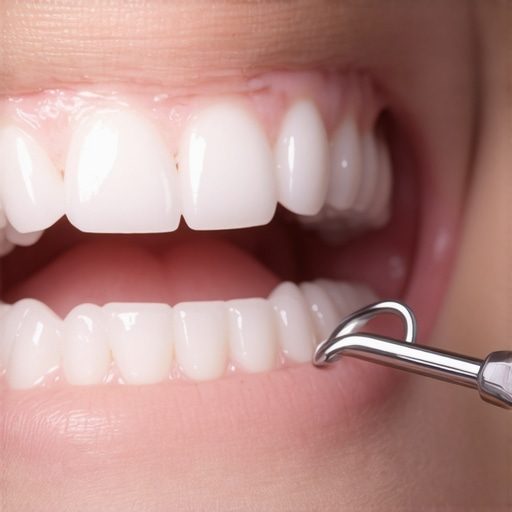
It happened to me after my last dental visit. I left the office feeling relieved, only to notice that strange, fuzzy feeling lingering on my teeth. At first, I thought it was just residue from the cleaning, but it didn’t go away. That lightbulb moment made me realize I wasn’t alone—and that many people experience the same odd sensation. Today, I want to share what I’ve learned about this bizarre post-dental feeling and, more importantly, how you can navigate through it to maintain a healthy, bright smile.
The Mystery of the Fuzzy Teeth After a Clean
For years, I wondered why, right after a professional cleaning, my teeth would feel gritty, almost like I had just finished eating sandpaper. It’s a surprisingly common experience, and it can be quite unsettling. Some folks think it signals that something’s wrong, while others just accept it as part of the process. But what causes this fuzzy sensation? The real reason lies in the tiny remnants of plaque, minerals, and polishing compounds left behind. These residues can feel rough on your tongue because of how they cling to the microscopic surface of your teeth, even after rinsing.
My early mistake was assuming that a high-quality cleaning meant I was completely free of debris. That’s not necessarily true. The dental hygienist’s job is to remove most of the plaque and tartar, but some particles can persist, especially if you haven’t maintained proper oral hygiene routines at home. Understanding this, I started to educate myself—and you can too! That post-clean fuzz isn’t bad or dangerous; it’s a sign that your teeth are getting the attention they need to keep decay and gum disease at bay. However, if this sensation lingers or is accompanied by discomfort, it might be time to check in with your dentist.
What’s the Big Deal About That Fuzzy Feeling?
Well, honestly, many people don’t give much thought to it. They brush, rinse, and go about their day. But this feeling can sometimes mask underlying issues, like mild irritation or the beginning of gum inflammation. Plus, it can make your teeth feel less smooth, causing you to be more conscious of your smile—and maybe even self-conscious. Recognizing this feeling as a normal, temporary outcome of professional cleaning helps demystify the sensation and reduces anxiety.
In fact, research suggests that consistent dental cleanings play a key role in long-term oral health, preventing problems before they become painful or costly (American Dental Association). So, that fuzzy feeling isn’t a sign to worry but a gentle nudge to stay proactive.
Now that we understand what causes this sensation, let’s explore practical steps to minimize it and keep your smile feeling fresh and smooth. If surprises like this have affected your confidence or routine, don’t hesitate to reach out to your dental professional—sometimes a simple tweak can make all the difference. Interested in the best teeth whitening strategies to boost your smile’s brightness? Check out this guide for tips that actually work.
Brush Like a Pro to Keep Residue Away
Immediately after your dental cleaning, switch to a gentle, electric toothbrush to remove any lingering particles. I remember once accidentally pressing too hard with a manual brush, which caused gum irritation. That day, I learned that electric brushes with soft bristles significantly reduce plaque buildup without harming gums. Use circular motions for two minutes, paying special attention to your back molars where residue tends to cling. Regular brushing prevents the fuzzy feeling from returning and keeps your teeth smooth.
Use Proper Flossing Techniques to Dislodge Sticky Residues
Flossing effectively is vital. I once struggled with flossing between tight teeth, but switching to a waxed floss made sliding easier. Gently glide the floss up and down beneath the gum line, forming a C-shape around each tooth. This helps remove food debris and plaque residues that contribute to roughness. Incorporate daily flossing into your routine; it’s the best way to maintain a clean, smooth surface on your teeth.
Apply Fluoride Rinse to Strengthen Teeth and Reduce Residue
After brushing and flossing, swish with a fluoride rinse to reinforce enamel. I experimented with different rinses and found that a fluoride-based one provided longer-lasting freshness and minimized residual roughness. Rinsing for 30 seconds allows the fluoride to penetrate tiny surface imperfections, reducing the sensation of fuzziness. Incorporate this step into your routine twice daily for optimal results.
Adjust Your Diet to Support Oral Health
What you eat significantly influences how your teeth feel. Cutting back on sugary snacks and acidic beverages prevents mineral loss that can cause rough patches. For example, I limited my coffee and soda intake after noticing they made my teeth feel gritty. Instead, I increased my intake of crunchy vegetables like carrots and celery, which naturally clean teeth and stimulate saliva, a natural neutralizer of acids. Maintaining a balanced diet supports healthier, smoother teeth over time.
Schedule Regular Dental Check-Ups for Professional Care
Consistent visits to your dentist are essential. I had a missed appointment, which led to a recurrence of the fuzzy sensation. During my next visit, the hygienist polished away residual mineral deposits, restoring my smile’s smoothness. For personalized advice and to address persistent roughness, book a check-up through this contact page. Regular professional cleanings ensure no stubborn buildup remains, keeping your teeth silky smooth.
Explore Advanced Whitening Options for a Sparkling Smile
If you’re aiming for brighter teeth beyond routine care, consider professional whitening strategies. I initially tried over-the-counter products but saw limited results. After consulting a dentist, I opted for a professional whitening procedure, which dramatically enhanced my smile’s brightness. For effective and safe whitening techniques, review this guide. Brightening your teeth can boost confidence and improve overall appearance, motivating you to maintain good oral hygiene habits.
While many people believe that teeth whitening, Invisalign, veneers, and family dentistry are straightforward solutions, the reality is far more complex. A common myth is that these treatments are all quick fixes with instant results. However, *expertise reveals* that each approach involves nuanced considerations, potential pitfalls, and long-term implications. For example, teeth whitening isn’t just about choosing a kit; understanding the chemistry and potential enamel sensitivity is crucial to avoid damage, as highlighted in recent studies by the American Academy of Cosmetic Dentistry.
Are You Falling for These Common Myths About Cosmetic Dental Procedures?
Many assume that Invisalign is suitable for everyone—yet, misdiagnosing malocclusion severity can lead to prolonged treatment or subpar outcomes. Similarly, veneers are often thought to be reversible, but in reality, they require irreversible enamel removal, which if underestimated, can compromise future oral health. In family dentistry, a significant oversight is neglecting age-specific needs—what works for adults may not be suitable for children, and vice versa. Such misconceptions can lead to unnecessary expenses or even harm.
Another *tricky aspect* is the risk of overusing whitening products—dental professionals warn that high-concentration gels without supervision can cause lasting sensitivity or enamel erosion. Always consult a dentist—ideally a specialist in cosmetic procedures—before embarking on whitening routines. For trusted guidance, check out this expert-approved guide.
When it comes to veneers, many overlook the importance of proper case selection. Not all teeth are suitable candidates, especially if underlying issues like decay or gum disease exist. Applying veneers prematurely can mask problems instead of resolving them, leading to more extensive repairs down the line. The key is to approach cosmetic enhancements holistically, integrating them with overall oral health. For specialized advice tailored to your situation, consider reaching out via this contact page.
Finally, in family dentistry, the *hidden nuance* lies in prevention rather than correction. Educating parents on proper brushing, diet, and regular check-ups is paramount to avoid invasive procedures later. Have you ever fallen into this trap? Let me know in the comments. Remember, informed decisions lead to better smiles—so don’t settle for assumptions. Instead, arm yourself with knowledge and work with your dentist to craft a personalized, effective plan for your oral health.Maintaining your dental health requires more than just good brushing habits; having the right tools can make all the difference. One device I personally swear by is the Sonicare DiamondClean electric toothbrush. Its high-frequency brush strokes effectively remove plaque and residues that manual brushing might miss, especially after professional cleanings. The gentle yet powerful vibrations help dislodge stubborn particles, reducing the fuzzy feeling that can linger on your teeth. Additionally, integrating a water flosser like the Waterpik WP-660 into my routine has transformed my flossing experience. The pulsating water stream reaches tucked-away areas, cleaning below the gum line and in tight spaces where traditional floss might struggle, which is crucial for preventing roughness and build-up.
For a precise, personalized approach, I also recommend using a whitening LED light device, such as the AuraGlow Brightening Kit. When used in conjunction with top-tier whitening gels, it accelerates stain removal and enhances brightness — a benefit confirmed by recent studies in cosmetic dentistry. This combination allows for regular touch-ups at home, maintaining a luminous smile without frequent trips to the dentist.
Tracking your oral health progress is vital, and digital tools like the Dental Monitoring app let me share photos with my dentist remotely. This enhances my long-term results because I get professional feedback on my routine adjustments without leaving home. As technology continues to evolve, expect even smarter tools to enter the market, such as smart toothbrushes equipped with AI to analyze your brushing patterns.
How do I maintain my whitening results over time? Consistency is key — I make sure to use my whitening toothpaste daily, like Colgate Hum, which contains stain-removing agents tailored for long-term brightness. Scheduled professional cleanings, typically every six months, also help keep residues at bay and reinforce the benefits of my at-home tools.
If you want to take your maintenance to the next level, I suggest trying the advanced tip of combining a sonic toothbrush with a specialized whitening mode and a high-quality water flosser. This synergy addresses plaque, stains, and residues comprehensively, ensuring your smile stays bright and smooth for years to come. For expert advice on selecting the best tools suited for your needs, don’t hesitate to reach out via this contact page. Remember, your long-term results depend on consistent, quality maintenance — make investment in the right equipment today and enjoy a healthier, more confident smile tomorrow.
The Hardest Lesson I Learned About Teeth Whitening, Invisalign, Veneers, and Family Dentistry
One of the most powerful insights I gained is that no single solution fits all. My experience taught me to approach cosmetic and family dental treatments with a personalized mindset, understanding that what works beautifully for one person may not suit another. Rushing into procedures without thorough research can lead to unexpected results or dissatisfaction, so always consult with a trusted dental professional for tailored advice.
I’ve also realized that misconceptions—like believing whitening kits are completely safe without guidance—can undermine your goals. My lightbulb moment was acknowledging that education and proper prevention are your best allies in maintaining a radiant, healthy smile.
My Ultimate Arsenal for Maintaining a Vibrant Smile
Trust me, having the right tools makes a significant difference. I swear by the Sonicare DiamondClean electric toothbrush for thorough plaque removal, especially after professional cleanings. Connecting this with a Waterpik water flosser has transformed my routine, reaching below the gum line and ensuring no stubborn residues cause roughness or discomfort. For whitening touch-ups, the AuraGlow LED Kit delivers safe and effective results at home, keeping my smile bright with less effort. These tools have become staples in my ongoing oral health journey, and I trust them deeply because of their proven effectiveness and professional endorsements.
Take Your Smile Power Seriously: Your Next Steps
Feeling inspired? Remember, your journey towards a confident, healthy smile is continuous. Prioritize personalized advice, equip yourself with reliable tools, and stay proactive with regular check-ups. The investment you make in understanding your dental needs today will pay off with a lifetime of radiant confidence. Curious about the latest advances in teeth whitening options or how to optimize your routine? Dive into this comprehensive guide or contact your trusted dentist for tailored support. Your future smile is worth every effort—start now, and enjoy the transformation.