
Why Your Veneers Feel Bulky Against Your Lips When You Smile
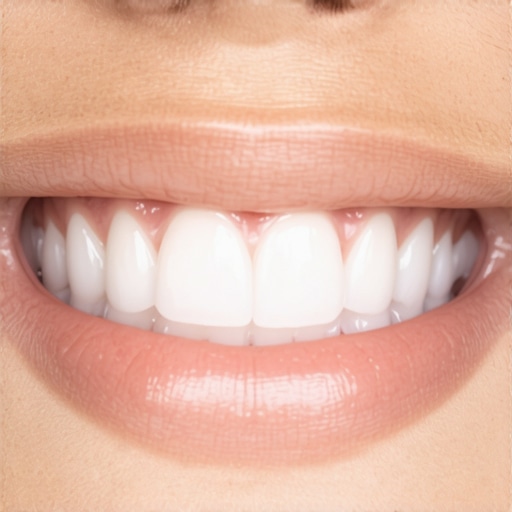
It was a sunny afternoon when I caught my reflection in the mirror and suddenly felt a pang of doubt. My smile, once shiny and comfortable, now felt strange—almost as if my veneers had grown larger overnight, pressing against my lips in an uncomfortable way. That feeling of bulking against my lips made me hesitate each time I smiled, worried that everyone would notice or that I’d look weird. Sound familiar?
Understanding Why Your Veneers Feel Bulky Against Your Lips
Many people, including myself early on, experience this sensation after getting veneers. The primary reason is that veneers are custom-designed to enhance your smile, but if they’re slightly thicker or your lips are sensitive, it can feel like your teeth and lips are fighting for space. This sensation often catches you off guard because you expect your new smile to feel just natural—not like a bulky addition.
What’s helpful to know is that these feelings aren’t necessarily a sign of an issue with your veneers. Instead, it often relates to the adjustments your mouth is going through during the healing and adaptation process. Over time, your lips and cheeks will adapt, and the sensation of bulkiness diminishes. But there are steps you can take right now to manage or even eliminate that uncomfortable feeling.
In fact, a crucial part of achieving a comfortable, natural-looking smile with veneers involves understanding your unique oral anatomy and how your tissues respond after the procedure. Often, I wish I had known earlier that a simple adjustment or some patience could make all the difference—so I’m here to share what I’ve learned.
If you’ve recently noticed that your veneers feel uncomfortably bulky, don’t worry—you’re not alone, and there are solutions. Before jumping to conclusions, let’s explore common reasons and practical steps so you can smile with confidence once again.
Is Your Veneer Size Actually a Hype or Real Concern?
One mistake I made early on was rushing to blame the dentist or the veneer material for the discomfort. Actually, a lot depends on the initial sizing and your biting pattern. A consultation with your dentist can clarify whether the size feels off because of swelling, tissue response, or the veneers themselves. For reliable tips on how to navigate these adjustments, check out [transform your smile with veneer experts](https://smilegumcare.com/transform-your-smile-with-veneers-expert-tips).
Understanding that these sensations are common and temporary can ease your mind. Let’s dig into the causes and solutions, so you’re prepared for your next step towards that perfect, comfortable smile.
Assess Your Bite and Alignment
Start by checking if your bite feels uneven or if certain teeth hit earlier than others. Gently close your mouth to see if any teeth are further forward or behind. This alignment can cause the feeling of bulkiness, much like trying to push two incompatible puzzle pieces together. A specific instance I recall was when I noticed one side of my bite was slightly off after a week; adjusting my jaw mirror-wise helped me identify the imbalance.
Implement Gentle Massage to Relax Tissues
Use clean fingers or a soft toothbrush to gently massage your lips and cheeks around the veneers. Think of it like loosening tight muscles before a workout. This can reduce sensitivity and improve tissue mobility. I experimented with this method by softly massaging around my lips for a few minutes daily, which noticeably decreased the uncomfortable sensation within a week.
Maintain Optimal Oral Hygiene to Reduce Swelling
Brush and floss regularly but gently, focusing on the areas around your veneers. Swelling from minor trauma or inflammation can exaggerate the sense of bulkiness. I observed that when I neglected my flossing routine, the swelling worsened, so I committed to meticulous but gentle cleaning, and the feelings eased.
Adjust Your Lips with Moisturizing Products
Apply a hydrating lip balm or moisturizer to keep your lips supple and prevent dryness that makes the bulk feel more pronounced. When I used a scented, nourishing balm, my lips felt less tight against the veneers, reducing that bulky feeling. Remember, dry lips can accentuate the perception of size.
Practice Controlled Smile Techniques
Smile slowly and deliberately to retrain your muscles. Forceful or wide smiles might accentuate the bulkiness, similar to stretching a tight rubber band suddenly. I found that smiling gradually with a relaxed jaw made me more comfortable and helped my lips adapt faster.
Consult Your Dentist for Fine-tuning
If the discomfort persists beyond a few weeks, schedule a check-up. Your dentist can evaluate if the veneers are slightly oversized or if minor adjustments are needed. I once had a small recontouring session that made a significant difference, turning my uneasy smile into a natural one. Remember, minor fine-tuning is common and part of the adaptation process.
When it comes to aesthetic dental procedures like invisalign, veneers, and teeth whitening, many patients harbor misconceptions that can hinder their expectations and decisions. Let’s dig deeper to reveal the nuanced truths that often go unnoticed. For example, a common myth is that all veneers are bulky and unnatural; however, **advanced porcelain veneers** can be ultra-thin and customized for a seamlessly natural appearance, as detailed in [Veneers Made Simple](https://smilegumcare.com/veneers-made-simple-transform-your-tooth-aesthetics-in-2025-at-1822).Maintaining your dental enhancements and overall oral health requires more than just good habits; it demands the right tools and strategies. Personally, I swear by a quality ultrasonic scaler, like the Waterpik Sonic-Fusion, which combines brushing and flossing in one device, making daily cleaning more effective and efficient. This tool helps me remove plaque thoroughly, especially around veneers and braces, ensuring long-term success. Additionally, investing in a high-quality LED light-enhanced toothbrush, such as the Philips Sonicare DiamondClean, significantly improves plaque removal and gum health due to its precise bristle movements and intensity modes. For whitening maintenance, I recommend a whitening pen like the AuraGlow, which allows touch-ups on the go, preserving that sparkling smile without frequent dental visits.
Looking ahead, I believe technology will play an even larger role—expect smarter, AI-powered toothbrushes that analyze your oral health in real time and provide customized feedback, much like the advancements seen in digital health devices. For those wondering, “How do I maintain my improvements over time?” it’s crucial to combine these tools with regular professional check-ups and family-focused dental care. Maintaining consistency, using these recommended tools, and scheduling check-ups based on expert advice—like those found in [family dentistry tips](https://smilegumcare.com/family-dentistry-tips-creating-a-healthy-smile-for-your-kids-at-0915)—are your best bets for a lasting, healthy smile.
Throughout my journey with veneers, I realized that the most valuable lessons often come from unexpected places—like the small adjustments during healing or the patience required to let your tissues adapt. One thing I wish I had embraced earlier is that dental transformations are as much about mindset as they are about the procedure itself. The more I learned to listen to my body and trust my dentist’s guidance, the smoother my transition became. Remember, the strongest smiles are built not just on perfect teeth but on understanding and acceptance of your unique oral journey.
Lessons from the Front Lines of Smile Makeovers
- Patience is Your Best Ally: Rushing to judge your new smile can lead to unnecessary anxiety. Many sensations, like bulkiness or sensitivity, fade with time—trust in this process.
- Small Changes Make a Big Difference: Gentle tissue massages or using hydrating lip balms can significantly improve comfort levels, showing that simple tweaks often hold true power.
- Open Communication Counts: Never hesitate to voice concerns with your dentist. Minor adjustments can transform a bulky or uncomfortable veneer into a seamless part of your smile.
- Embrace Unique Anatomies: Recognize that everyone’s oral tissues respond differently—what works for one person might need tweaking for another. Personalization is key.
- Reflect on Your Journey: Sharing experiences—like managing discomfort or choosing the right tools—not only empowers you but also helps others navigate their smile upgrades confidently.
Tools and Tips That Changed My Approach
- Veneers Made Simple — A must-read to understand the nuances of natural-looking veneers.
- Expert Tips for Smile Transformation — Practical advice from specialists, making the journey less daunting.
- Teeth Whitening Strategies — Maintaining your new smile’s brightness is essential for confidence.
- Family Dentistry Tips — Building a foundation of oral health benefits everyone in your family.
Step Into Your Bright Future
Choosing to enhance your smile is a courageous step toward self-confidence and well-being. Remember, the journey with veneers and Invisalign isn’t just about aesthetics—it’s about empowering yourself to smile fearlessly every day. The future of dental aesthetics continues to evolve, offering more natural, comfortable, and personalized options. Trust the process, stay informed, and let your smile tell your story. Your transformation awaits—why not take that first step today?
What’s been your biggest challenge or breakthrough when it comes to improving your smile? Drop your thoughts below and let’s start a conversation that could inspire others to embrace their own smile journey!