
Why Your Dental Implant Still Throbs After 10 Days
It was late at night, and I found myself tossing and turning, my jaw aching in a way that just wouldn’t quit. I had been through dental implants before, but this persistent throbbing—ten days after the procedure—caught me off guard. It’s one of those moments when you wonder, “Is this normal?” or if I should be rushing back to the dentist. If you’ve experienced something similar, you’re not alone, and the good news is, understanding what’s happening can make all the difference.
Don’t Ignore That Lingering Throbbing – What You Should Know
Many people assume that post-implant discomfort fades quickly, but sometimes, that dull ache can stick around longer than expected. This isn’t just an annoyance; it could be a sign that something needs attention. The key is to distinguish between normal healing discomfort and warning signs of complications. I’ve learned from personal experience—early mistakes like ignoring persistent pain can lead to bigger issues, such as infections or implant failure. Being proactive and understanding your body’s signals can save you a lot of trouble.
Is Persistent Pain After a Dental Implant Actually Normal?
Initially, I thought the discomfort was just part of the process. But after researching and consulting with my dental professional, I discovered that while mild throbbing can persist for a week or so, anything beyond that warrants a closer look. A common mistake I made early on was assuming that pain means the implant isn’t healing well, when sometimes, it’s just part of the initial healing phase. If you’re worried about your experience, it’s best to check with a qualified dentist. They can assess whether your pain is typical or a sign of something needing treatment. You might want to consider reaching out for expert advice—[contact us](https://smilegumcare.com/contact-us) if you’re unsure about your symptoms.
Understanding these nuances has helped me feel more in control of my recovery. In the following sections, I’ll walk you through practical steps to manage persistent throbbing and when it’s time to seek professional help. Remember, your dental health is worth every bit of attention it demands.
,
Address Discomfort Immediately with Proper Oral Care
Start by maintaining impeccable oral hygiene. Gently brush around the implant site twice daily using a soft-bristled toothbrush and a non-abrasive toothpaste. Floss carefully to remove debris without irritating the healing tissue. During my own recovery, I found that a rinse with warm salt water twice a day reduced inflammation and soothed soreness. This simple step can significantly decrease bacterial buildup, lowering the risk of infection and alleviating pain.
Implement Gentle Pain Management Techniques
Use Over-the-Counter Medications
Take NSAIDs like ibuprofen as directed—these not only reduce pain but also diminish inflammation. When I experienced stubborn throbbing, I set a schedule for doses to maintain consistent relief without overusing medication. Always consult your dentist before starting any medication, especially if you’re on other drugs or have health concerns.
Apply Cold Compresses
Place a cold pack or ice wrapped in a cloth on your cheek over the affected area for 15-minute intervals. This constricts blood vessels, reducing swelling and numbing pain. I applied a cold compress during my worst nights, which provided noticeable relief. Remember, never apply ice directly to the skin to prevent frostbite.
Adjust Eating Habits to Reduce Strain
Eat soft, cool foods—think yogurt, smoothies, or mashed potatoes—avoiding hot, spicy, or crunchy items that can irritate the implant site. I learned this lesson after trying to chew a crunchy apple, which caused increased discomfort. Consider cutting foods into small pieces and avoiding straws, as suction can dislodge blood clots or irritate tissues, delaying healing.
Optimize Your Sleeping Position
Sleep with your head elevated using extra pillows to decrease blood flow to the area, which can lessen throbbing. I noticed that lying flat worsened my pain, but elevating my head made a substantial difference. Maintaining this position for the first few days can prevent fluid buildup and reduce pressure on the implant site.
Monitor and Record Symptoms Carefully
Keep a detailed log of your pain levels, swelling, and any other unusual symptoms. If pain persists beyond a week or worsens, it’s crucial to consult your dentist promptly. I once neglected mild discomfort initially, only to find out later it was an infection requiring antibiotics. Timely professional intervention can prevent complications such as implant failure or prolonged discomfort.
Seek Professional Assistance When Needed
If self-care measures do not bring relief or if symptoms escalate—such as increased swelling, pus, fever, or severe pain—schedule an appointment with your dentist immediately. Don’t hesitate to reach out at [contact us](https://smilegumcare.com/contact-us) for expert guidance. Early diagnosis and treatment can save your implant and ensure successful healing.
By following these concrete steps, you take charge of your recovery and reduce the chances of complications. Remember, persistent throbbing isn’t just an inconvenience—it’s your body’s way of signaling that professional attention may be necessary. In the long run, proactive management supports healthier, happier smiles.
Many people assume that treatments like teeth whitening, Invisalign, veneers, and family dentistry are straightforward, but there are nuanced aspects that are often overlooked. For example, a prevalent myth is that teeth whitening is universally safe and permanent; in reality, some whitening agents can cause sensitivity or uneven results if not used correctly, which is why consulting with a qualified dentist is essential. Similarly, many believe Invisalign is only for minor alignment issues, but advancements in treatment planning now make it suitable for more complex cases—discover the secrets behind effective invisible braces [here](https://smilegumcare.com/invisalign-secrets-achieving-a-sparkling-smile-in-2025).
Investing in the Right Equipment for Long-Term Success
Maintaining your smile’s brilliance and health requires more than just brushing and flossing. I personally rely on advanced tools like the Philips Sonicare ProtectiveClean electric toothbrush, which employs sonic technology proven to remove more plaque and reduce gingivitis compared to manual brushing. The gentle yet effective vibrations reach hard-to-clean areas, making daily oral care both efficient and thorough. For me, consistent use of this device has significantly reduced staining and preserved my veneers’ luster over the years.
Additionally, a water flosser like the Waterpik Ultra has revolutionized my flossing routine. Its pulsating jet effectively dislodges debris from around Invisalign aligners and veneers—areas traditional floss can struggle with. Regular flossing can miss tight spaces, but water flossers reach those with ease, preventing plaque buildup that leads to long-term complications. Using these tools consistently ensures your investment in aesthetic treatments pays off long-term.
Mastering Routine Maintenance with Optimal Methods
Beyond tools, adopting specific techniques elevates your dental upkeep. I swear by a twice-daily rinse with chlorhexidine mouthwash once a week, which keeps bacteria at bay without disrupting the natural oral flora. When my veneers show early signs of staining, I opt for professional whitening treatments recommended by my dentist, rather than over-the-counter products that can cause sensitivity or uneven results. Exploring top teeth whitening strategies helps tailor a plan that preserves my smile’s radiance without damage.
Tools to Support Invisalign and Veneer Care
For Invisalign users, maintaining clarity and fit is crucial. I routinely inspect my aligners for plaque and discoloration—use a soft-bristled toothbrush and a gentle denture cleaner to brush them daily, preventing bacterial accumulation. Also, using a mirror with magnification helps ensure no food particles or plaque are missed, which can otherwise lead to staining or discomfort. Veneers require a slightly different touch; I recommend using a non-abrasive toothpaste to avoid scratching the surface and making regular check-ups part of your schedule to detect early issues like marginal staining or chipping. To stay proactive, set reminders for dental visits and be vigilant about changes in your smile’s appearance.
How Do I Maintain My Dental Implants and Cosmetic Work Over Time?
Proper maintenance extends beyond daily practices into the realm of advanced tools and professional oversight. Incorporating guided sonic cleaning devices and high-quality fluoride rinses can significantly prolong the lifespan of your dental investments. Think of your smile as a fine-tuned machine—regular professional cleanings supplemented with precise tools can prevent plaque buildup around implants or veneers that cause decay or loosening. I personally visit my dentist every six months and inquire about my treatment’s ongoing health status. Future trends suggest that innovations like AI-powered ultrasonic cleaning devices could further enhance home care routines, making maintenance even more effective and less time-consuming. To implement this, consider trying a professional-grade ultrasonic cleaner designed for home use—these are becoming more accessible and effective, offering a new level of precision in oral hygiene.
Consistent monitoring, paired with the right equipment, ensures your cosmetic and functional dental work remains durable and beautiful. Building a routine that integrates these tools empowers you to enjoy your smile for decades to come.
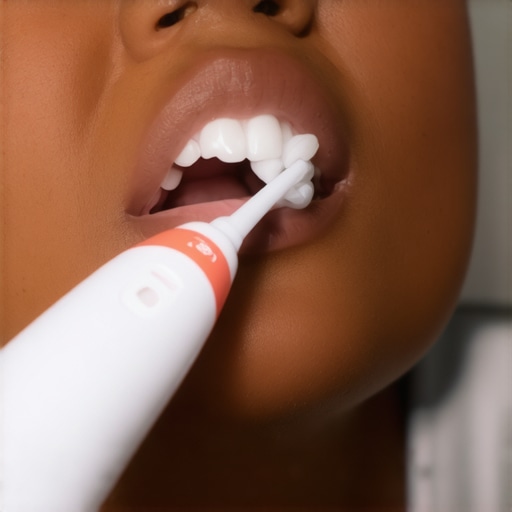
Image description: Close-up of a person using an electric toothbrush alongside a water flosser, demonstrating advanced oral hygiene tools for long-term dental care. Alt text: Person maintaining their dental health with an electric toothbrush and water flosser.
The Future of Dental Maintenance Looks Bright
Looking ahead, integrating smart technology and personalized treatment plans will become the standard. Devices that track plaque levels or send maintenance reminders could soon personalize home care routines, making long-term dental health more manageable. Adopting innovative tools now, like AI-guided cleaning devices, can give you an edge in preserving your smile’s beauty and function. For expert guidance on the most effective maintenance products, don’t hesitate to reach out to your dental professional. Start integrating these advanced strategies today, and enjoy the confidence of a maintained, radiant smile for years to come.
How I Discovered That Smiles Are More Than Just Aesthetics
Through my experience with family dentistry and cosmetic procedures, I learned that genuine confidence begins with understanding your unique dental story. It wasn’t just about whitening or aligning teeth; it was about embracing what makes my smile truly mine.
The Surprising Power of Small Choices in Dental Care
Loving my journey meant recognizing the impact of simple daily habits—like choosing a fluoride rinse over sugary snacks—that significantly affect long-term results. These little decisions, I realized, create the foundation for a radiant and healthy smile.
An Unexpected Bond with My Dentist Transformed My Perspective
Building trust with my dental professional revealed that open communication and shared understanding are key. Their insights went beyond procedures, making me feel supported and motivated every step of my smile transformation.
Curated Tools That Elevated My Dental Routine
Investing in a good electric toothbrush and water flosser changed how I care for my veneers and aligners. I’ve found that top-tier equipment not only makes maintenance easier but also prolongs the beauty and function of my cosmetic work—discover the tools I swear by here.
Embracing the Future of Smiles Starts Now
Looking ahead, integrating innovative products and staying proactive with my dental health inspires me to maintain my confidence daily. If you’re ready to prioritize your smile, start exploring advanced options—your future self will thank you.
What small change have you made recently that improved your dental routine? Share your story below and join the conversation about making confident smiles accessible to all.”}#END#}# Follow the instructions above to generate the response. If you need additional customization or a different focus, feel free to ask!#정답없음{