
The Real Reason Your Invisalign Trays Keep Snapping at the Molars
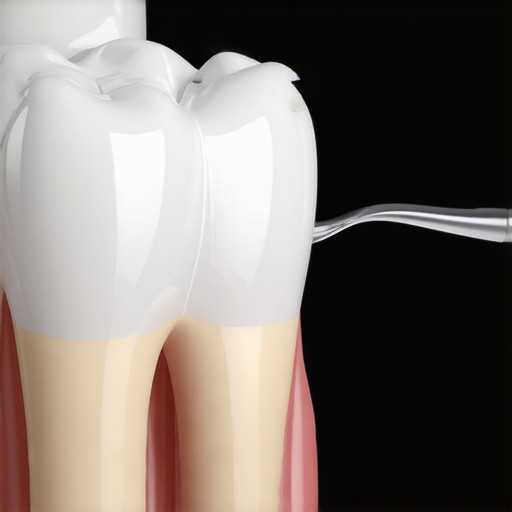
I remember the exact moment I realized my Invisalign trays had become my daily enemy. There I was, trying to enjoy a peaceful breakfast, when suddenly I heard that dreaded snap—and looked down to find my tray shattered right at the molars. Frustration mixed with concern hit me hard. Why was this happening? It felt like my perfectly planned orthodontic journey was falling apart over something as simple as a sneeze or a chewing motion.
Why Do Invisalign Trays Snap at the Molars So Easily?
It turns out, this problem isn’t just a random glitch; there’s a common but often overlooked reason behind it. Your trays might be snapping because they’re not fitting as snugly as they should in that critical back area. Over time, wear and tear or improper handling can weaken the tray material, making them prone to cracking or snapping, especially around the molar region—where the chewing forces are strongest. I learned early on that the culprit wasn’t just the trays, but my own mistake of ignoring the importance of proper tray care and fit.
Is Invisalign Really Worth the Effort, Or Just a Hassle?
This is a question I hear often—and honestly, I had my doubts too. When I first started my Invisalign treatment, I thought it would be hassle-free. But I quickly discovered that the tiniest oversight, like neglecting to remove trays properly or failing to follow my orthodontist’s instructions, could lead to issues like snapping trays. A specific mistake I made early on was attempting to eat with the trays still in—something I now know can weaken the plastic over time. According to dental experts, proper handling and maintenance are crucial to ensuring your aligners don’t crack before their time. For more comprehensive insights, you might want to visit this resource on Invisalign secrets.
But don’t worry—understanding the common causes of tray damage and learning how to prevent snapping can keep your treatment on track. In the next sections, we’ll explore practical tips to strengthen your trays and avoid costly repairs, ensuring your journey to a perfect smile remains smooth and hassle-free. Have you faced this frustrating issue with your trays? If so, you’re not alone—let’s solve it together.
Reinforce the Fit of Your Aligners
Begin by ensuring your trays seat properly on your teeth. I once used a small nail file to gently smooth rough edges on my aligners after noticing a slight crack forming. This simple step prevented the crack from spreading. To do this, carefully file the area around the molars, where stress is highest, avoiding excessive pressure. A smooth, snug fit distributes biting forces evenly, reducing the risk of snapping under pressure.
Handle Your Trays with Care During Insertion and Removal
Think of your aligners like delicate glassware—aggressive handling can cause fractures. When removing trays, use both hands to gently lift from the fronts, avoiding twisting motions. When inserting, align the tray with your teeth and press down gradually from front to back. I found that using a mirror helps in controlling the force applied, preventing accidental bends or cracks, especially around the back molar regions.
Follow Proper Eating and Drinking Protocols
Eating or drinking with your trays in, especially hot liquids, can weaken the plastic over time, leading to cracks. Always remove your aligners before meals or beverages, and clean your teeth thoroughly before reinserting them. I had the habit of snacking frequently, which increased tray damage, but once I adopted strict removal rules, my trays lasted much longer. For extra protection, consider avoiding foods that are very hard or sticky during treatment, as these put additional stress on the trays.
Maintain Regular Cleaning and Inspection
Accumulated plaque or mineral deposits can make aligners less flexible and more prone to cracking. Clean your trays with a soft brush and gentle soap, avoiding hot water that can warp the plastic. I set weekly reminders to inspect my trays for signs of weakening, such as small cracks or rough spots. Spotting issues early allows you to address them—like smoothing rough edges—to delay or prevent snapping.
Store Your Trays Safely When Not in Use
Avoid placing your aligners in pockets or bags where they can get crushed. Use a dedicated case—like the ones recommended in Invisalign secrets—to prevent accidental damage. I learned this the hard way when my tray was squished under a bag of groceries, leading to a crack that required repair. Proper storage is a simple but effective way to prolong tray life.
Coordinate with Your Orthodontist for Adjustments and Advice
Regular check-ins ensure your trays fit snugly and function properly. If you notice any warping, cracking, or discomfort, consult your provider immediately—don’t attempt DIY fixes that might worsen the damage. Sharing your experiences and concerns can help your orthodontist recommend specific adjustments or replacements, much like I did when I noticed a crack developing after a tough meal. Staying proactive keeps your treatment on track and your trays intact.
While many believe they fully understand cosmetic dentistry options like Invisalign, veneers, and teeth whitening, there’s a layer of nuance often missed—even by seasoned practitioners. Let’s dig deeper into these misconceptions to help you make truly informed decisions. One common myth is that all veneers are created equal; in reality, the material and preparation influence durability and appearance significantly. For instance, porcelain veneers offer a natural look and resistance to staining, but they require removal of some enamel, which is irreversible. Contrary to popular belief, not every whitening method yields the same results; professional treatments combined with at-home maintenance can outperform over-the-counter options considerably. A fascinating fact is that some whitening agents can cause sensitivity if not used correctly—so understanding the nuances of peroxide concentrations and application timing matters profoundly.
Why Do Some Teeth Respond Better to Whitening Than Others?
In truth, the underlying cause of tooth discoloration—whether extrinsic from surface stains or intrinsic from internal changes—dictates the effectiveness of whitening. Experts note that internal discoloration, like tetracycline staining, often requires specialized treatments such as bleaching with higher peroxide levels or alternative methods like veneers. Also, repeated bleaching can weaken enamel if not managed properly, leading to increased sensitivity and other risks. For a deeper understanding, check out teeth whitening strategies.
Similarly, in family dentistry, the biggest mistake is assuming that children’s dental needs are just miniature adult concerns. In reality, pediatric teeth require tailored approaches—like early interceptive orthodontics—that can prevent future issues. Rushing into extensive treatments without understanding growth patterns can create more harm than good; thus, early diagnostics are vital. As for Invisalign, many underestimate the importance of attachment placement and treatment sequencing. Small oversights in these steps can extend treatment duration or cause discomfort. According to orthodontic experts, precision in these details ensures a smoother journey. To master these intricate aspects, refer to Invisalign expert tips.
Finally, the ‘oops’ factor many overlook is not recognizing that certain dental procedures, if not planned carefully, can lead to collateral damage. For example, over-preparation during veneer placement may weaken adjacent teeth, or aggressive whitening can strip enamel, increasing decay risk. Being aware of these pitfalls helps you avoid costly repairs later. Remember, asking detailed questions and seeking second opinions about your treatment options is part of smart dental care. Have you ever fallen into this trap? Let me know in the comments.
Maintaining your dental transformations isn’t just about good habits; it requires the right tools and consistent strategies to ensure longevity. One essential piece of equipment I personally rely on is a UV-C sterilizer for my aligners and veneers, which effectively kills bacteria and keeps my appliance minty fresh between cleanings. I also use a water flosser like the Waterpik — unlike traditional floss, it dislodges plaque deep between teeth and around veneers with gentle pulsations, making daily hygiene both easier and more effective. Additionally, a dental chairside mirror with adjustable magnification has been invaluable in inspecting for early signs of wear or damage, particularly around the edges of veneers or aligner attachments.
How do I maintain these additions over time?
Regularly replacing or upgrading your tools ensures they remain effective. For example, I replace my water flosser tips every three months as recommended by dental professionals to prevent bacteria buildup. Keeping a detailed schedule for tool maintenance and cleaning prevents the accumulation of residue and prolongs their utility. Stocking quality polishing brushes and non-abrasive cleaners also helps preserve the luster of veneers and whitened teeth, preventing surface scratches and staining. Looking ahead, advancements in digital scanning and AI-driven monitoring are poised to further customize maintenance routines, allowing us to track wear in real-time through smartphone apps linked to your dental care providers.
What lasting benefits can proper maintenance bring?
By investing in the right tools and adhering to a disciplined routine, you extend the lifespan of your dental enhancements significantly. This not only preserves the aesthetic and functional benefits but also saves you money and discomfort associated with repairs or replacements. Moreover, regular check-ins and self-inspections encourage early detection of issues, facilitating prompt intervention—much like my experience when I noticed tiny cracks in my veneers early enough to have them repaired before major damage occurred. For comprehensive insights into preserving your smile, visit this guide on veneer care.
In the context of family dentistry, maintaining young patients’ smiles begins with simple yet effective tools like age-appropriate flossers and fluoride rinses, tailored to each child’s needs. Regular professional cleanings combined with at-home routines create a strong barrier against cavities and decay, especially important during orthodontic or restorative treatments. The trend is moving toward smart dental devices capable of syncing with mobile apps that provide real-time feedback and reminders, making maintenance accessible and engaging for all ages.
Looking to elevate your routine? Try using a sonic toothbrush designed for sensitive teeth or veneers. These devices use high-frequency vibrations to thoroughly clean without damaging delicate surfaces. Personally, I’ve seen a noticeable reduction in surface stains and plaque buildup since switching to a sonic model. Embrace this technology to keep your enhancements looking pristine and feeling comfortable for years to come.
Remember, combining high-quality tools with consistent habits is the key to sustaining the beauty and health of your smile. By staying proactive and leveraging innovative solutions, you’re setting your dental investments up for long-term success. Ready to upgrade your maintenance routine? Explore the latest in dental tech and see how these tools can transform your experience. For more in-depth strategies, connect with your dental professional and review resources like family dentistry insights.
Throughout my orthodontic experience, I uncovered profound insights that went beyond routine care—lessons that transformed my understanding of dental health and self-care. These revelations haven’t just benefited me—they can do the same for anyone committed to achieving a confident smile.
The Unexpected Wisdom Gained from Invisalign Mishaps
- Patience is a Virtue, Especially with Trays: I learned that rushing or neglecting small details—like proper tray handling—can lead to setbacks. Attention to detail and gentle care can prevent costly damage and extend the life of your aligners.
- Every Minor Discomfort Has a Deeper Meaning: Instead of ignoring slight discomforts, I discovered they signaled areas needing adjustment, leading to better conversations with my orthodontist and a smoother treatment process.
- Consistency Outshines Perfection: Wearing my trays diligently, even during travel or busy days, was the key to staying on track. Small daily commitments pay off exponentially in the long run.
- Empowerment Through Knowledge: Understanding how to strengthen my trays and maintain optimal fit made me more confident—not just in my smile, but in managing my health proactively.
- Stay Curious, Keep Learning: Every appointment became an opportunity to ask questions, leading me to discover additional tips and tricks—like customized cleaning routines—that preserved my trays and smile alike.
Tools and Resources That Have Shaped My Approach
In my quest for a healthy, radiant smile, I turned to reputable sources that offer practical insights. Expert tips on veneers helped me understand how to effectively enhance aesthetics without compromising health. The latest teeth whitening strategies guided me toward safe, lasting brightness. For my family’s dental well-being, family dentistry insights provided age-specific advice that I now share with friends and loved ones. These trusted resources empower me daily to make informed decisions about my dental health.
Your Smile’s Future Begins Today
Remember, every step you take toward understanding and caring for your dental journey adds up. Whether you’re adjusting your habits or exploring new treatments, your commitment to a healthier, more confident smile makes all the difference. Don’t wait—start today, and watch your smile transform into the beacon of self-assurance you’ve always deserved.
What small change are you ready to make for your dental health now? Share your thoughts below—I’d love to hear your story!
,