
Why Your Gums Look Dark Purple Above Your New Veneers
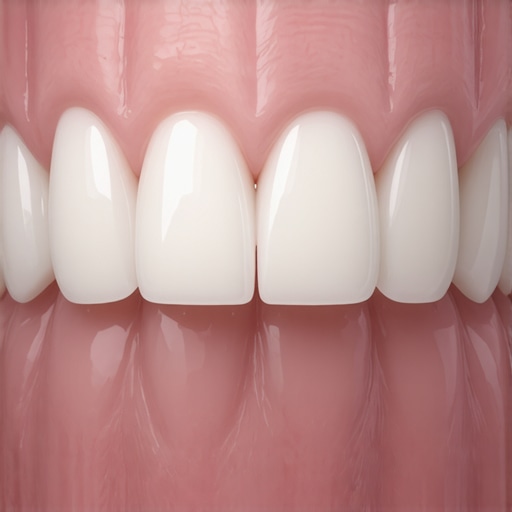
It was a morning like any other until I caught a glimpse of my reflection and noticed something unsettling—my gums above my new veneers had turned a dark purple hue. I remember feeling a wave of panic. Could it be a sign of something serious? Or just a minor issue I could ignore? I had just gone through a lengthy process of getting veneers, investing time and money to perfect my smile. The last thing I wanted was complications.
When a Pretty Smile Starts to Feel Unsettling
Our smiles often define how we present ourselves. I knew from my own journey that veneers can dramatically boost confidence, but they also come with their own set of risks and hidden challenges. One thing no one prepared me for was the appearance of dark purple gums right above my veneers. It seemed so odd—almost as if my mouth decided to turn into a bruise overnight. This unexpected change worried me, and I wondered if I was alone in this experience.
My initial instinct was denial. I thought maybe it was just a temporary discoloration that would fade. But as days went by, the purple persisted, and I realized I needed answers. That’s when I discovered that this isn’t as uncommon as I thought, and there are effective ways to address it.
So, what causes gums to appear dark purple after getting veneers? The truth is, it’s often related to changes in blood circulation, inflammation, or even how the tissues respond to dental procedures. A study published in the Journal of Periodontology confirms that discoloration can result from superficial blood vessels dilating or other localized responses. Recognizing this, I vowed to understand and tackle the root causes.
In this post, I’ll share my firsthand insights, including common mistakes I made early on, and guide you through practical steps to restore your gum health and confidence. If you’re facing similar worries—discolored gums or concerns about your veneers—you’re not alone, and there are solutions.
Is Dark Purple Gums Under Veneers Really Something to Worry About?
Early in my journey, I mistakenly thought that discoloration was harmless or just cosmetic. I didn’t realize that persistent purple gums could indicate underlying issues like inflammation or compromised blood flow. This oversight almost delayed my decision to seek professional help. Trust me, ignoring these signs can lead to more serious complications.
Before jumping into remedies, it’s important to understand that not all discoloration is dangerous, but monitoring it is crucial. Consulting your dentist can help determine whether it’s a temporary response or something needing further treatment.
Ready to learn how to address this problem? The next sections will cover practical, proven methods to improve your gum appearance and overall oral health.
Stop Ignoring the Warning Signs
If your gums are dark purple after getting veneers, the first step is to recognize that this isn’t just a harmless cosmetic change. Persistent discoloration can signal inflammation or blood flow issues. Immediately schedule an appointment with your dentist to get a professional assessment and prevent further complications.
Maintain Rigorous Oral Hygiene Routine
Effective brushing and flossing are your first line of defense. Use a soft-bristled toothbrush to gently clean along the gum line twice daily, and floss carefully to remove plaque without damaging delicate tissues. Consider an antiseptic rinse to reduce bacterial buildup that worsens inflammation. Regular cleaning helps boost blood circulation and promotes healing of inflamed gums.
Apply Targeted Treatments for Inflammation
Over-the-counter or prescribed topical applications containing chlorhexidine or aloe vera can soothe irritated gums. Before applying, ensure your hands are clean. I once gently dabbed aloe vera gel on my gums during a recovery phase, which reduced initial discomfort and accelerated healing. Always follow your dentist’s advice regarding suitable products.
Adjust Your Diet to Heal Faster
Eliminate acidic and spicy foods that can irritate sensitive gum tissues. Focus on soft, cold foods like yogurt, smoothies, or ice cream—these are less likely to cause pain and will help reduce swelling. Drinking plenty of water flushes out toxins and supports tissue regeneration. Avoid smoking or excessive alcohol, as they hinder blood flow and delay healing.
Consider Professional Procedures or Interventions
If discoloration persists beyond a couple of weeks, your dentist might recommend laser treatments, deep cleaning, or other procedures to stimulate blood flow and eliminate inflammation. For example, I underwent a gentle gum laser therapy after my initial home remedies didn’t yield quick results. The procedure significantly improved gum color and health within days.
Prevent Future Discoloration with Protective Measures
Use a mouthguard during sports or nighttime to prevent trauma that can worsen existing issues. Maintain regular checkants with your dentist to catch early signs of inflammation or vascular changes. Using products like [this guide to teeth whitening options](https://smilegumcare.com/the-ultimate-guide-to-teeth-whitening-options-in-2025) can help in preserving your smile’s brightness without irritating your gums.
Learn From a Family Dentist’s Perspective
Involving a family dentistry practice ensures that oral health is maintained for all ages, reducing the chance of gum discoloration or other issues. They can provide tailored advice on maintaining a healthy oral environment, especially after cosmetic procedures like veneers or Invisalign. Read more about family dentistry for a holistic approach.
Many individuals assume that cosmetic dental treatments and family dentistry come with straightforward benefits and minimal risks, but a closer look reveals nuanced pitfalls that even seasoned patients can overlook. One common myth is that Invisalign is only suitable for mild misalignments, yet recent studies highlight its effectiveness across complex cases when paired with strategic planning—more details can be found in the recent Invisalign Innovations.
A frequent mistake is believing that teeth whitening is universally safe and that over-the-counter products are just as effective as professional treatments; however, dental professionals warn against high-concentration whitening agents used without supervision, which can damage enamels or cause sensitivity, as discussed in teeth whitening guides.
Veneers are often misunderstood as a reversible or minor procedure, but they are invasive and require precise planning; opting for veneers without comprehensive evaluation of underlying issues can lead to irreversible damage. Expert insights are available at Veneer Tips.
People also underestimate the importance of holistic family dentistry, assuming it only entails routine cleanings. In reality, family dentistry incorporates preventive strategies tailored for every age, emphasizing early intervention and education—more on this at family dental care.
A specific trap to avoid is the belief that all cosmetic procedures produce immediate results with no side effects. For example, improper application of veneers or whitening agents can cause unintended discoloration or tissue irritation. This emphasizes the need for guidance from experienced dental professionals.
For the advanced reader, consider this: How does the biological response of different tissue types influence the longevity of veneers and whitening outcomes? Recent research in dental biomaterials suggests that individual variation in tissue healing impacts treatment durability, as noted in gum health studies.
In summary, thorough understanding and cautious approach are essential when engaging with cosmetic and family dental treatments. Do not fall prey to oversimplifications or misconceptions that can jeopardize your oral health. Always seek expert consultation and personalized recommendations.
Have you ever fallen into this trap? Let me know in the comments.When it comes to preserving the results of your dental treatments like Invisalign, teeth whitening, or veneers, having the right tools and a proactive approach can make all the difference. Personally, I rely on a few specific items that help me keep my smile healthy and radiant over the long term. One must-have is a **soft-bristled electric toothbrush**, such as the Sonicare ProtectiveClean. Its gentle yet thorough cleaning action ensures I remove plaque without irritating sensitive tissues, especially critical after veneer placements. I also use interdental brushes like the TePe anger brush to access tight spaces that floss might miss, maintaining gum health and preventing discoloration or inflammation. For whitening touch-ups and stain prevention, I prefer professional-grade whitening pens that provide precision at home, such as the AuraGlow pen, which I apply every few months to sustain that dazzling brightness. A high-quality fluoride rinse—like Listerine Total Care—is part of my nightly routine; it strengthens tooth enamel and shields against cavities. Integrating these tools into my daily habits has yielded consistent, positive results. Looking ahead, I predict the trend of smart oral care devices will grow, offering real-time feedback and personalized guidance, further elevating long-term maintenance. Using a **tongue scraper** can also prevent bacteria buildup and bad breath, often overlooked but crucial for overall oral health. Remember, regular professional checkups are indispensable—they catch issues early before they escalate. How do I maintain my smile over time? I schedule bi-annual dental visits, stick to a consistent oral hygiene routine, and stay updated with the latest advancements in dental technology. For example, dental researchers have shown that combining manual and electric brushing methods maximizes plaque removal, especially around delicate veneers and aligners—more about these innovations can be found in the recent Invisalign update for 2025. I encourage you to try integrating an electric toothbrush into your routine—it’s a game-changer for long-term dental health and cosmetic results. Consistency and the right tools make your investment in a beautiful smile worthwhile, ensuring that your family’s oral health is protected for years to come.Reflecting on my journey with veneers and family dentistry has taught me invaluable lessons about the hidden complexities of maintaining a smile. One of the most profound realizations was how critical it is to understand that our gums are living tissues that respond dynamically to various treatments and lifestyle choices. I once ignored minor discolorations, convincing myself they were harmless, only to realize later that early signs of inflammation could have led to more severe issues. This taught me to be vigilant and proactive, seeking professional advice at the first hint of trouble. Additionally, I learned that combining expert-guided treatments with daily personal care — like using gentle, targeted tools or adjusting diet — can drastically improve outcomes. The biggest lesson, though, was recognizing that patience and consistency far outweigh quick fixes. Your smile isn’t solely about appearances but about your ongoing commitment to health and well-being, which I found truly empowering.