Why Your Gums Are Receding Faster on One Side of Your Mouth
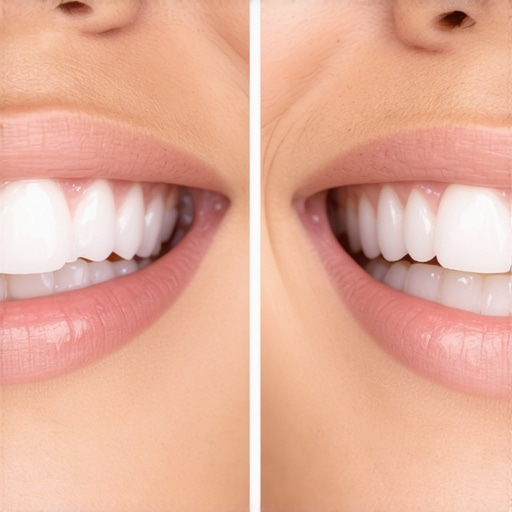
I remember the moment clearly—waking up one morning, I noticed my reflection in the mirror, and something just looked off. The gums on the right side of my mouth seemed slightly more withdrawn than the left. At first, I brushed it off as a weird lighting issue, but then I felt a sharp twinge while flossing that side. That was my lightbulb moment, realizing I was facing a problem I couldn’t just ignore.
Gum recession is more common than many realize, and when it happens faster on one side, it can be downright confusing—and scary. Why would this happen? Is it something I did wrong? Or is it just part of aging? If you’ve experienced something similar, you’re not alone—and today, I want to share what I discovered, along with practical steps to understand and address this uneven gum loss.
Uneven Gum Recession: Why One Side Might Be More Affected
Could Your Dental Habits Play a Role?
Many folks, myself included, don’t realize how our daily routines impact gum health. If you’re someone who tends to brush harder on one side or favors chewing on just one side of your mouth, it can accelerate gum wear on that side. Over time, this uneven pressure can cause the gums to recede faster on one side compared to the other.
Another common culprit is flossing technique. Aggressive flossing—especially on a single side—can irritate gum tissue and lead to recession. It’s like giving your gums a tiny abrasion every day without realizing it.
Professional advice suggests that maintaining gentle, consistent oral hygiene is key. You might also want to evaluate whether your brushing or flossing habits need adjusting—sometimes, a simple change can make all the difference. For expert tips on creating a healthy routine for your whole family, check out family dentistry tips.
Is It Bruxism or Misaligned Teeth?
Another scenario is teeth grinding or misaligned bite patterns, often unnoticed until they cause visible damage. When you grind your teeth at night or have an uneven bite, one side might bear more stress, leading to faster gum recession on that side.
If you suspect this, it’s worth consulting a dental professional who can assess your bite and recommend solutions like a nightguard or orthodontic adjustments. I learned this the hard way—early in my experience, I ignored the signs, which only worsened the problem. To explore if orthodontic treatments could help, see family dentistry tips.
Practice Correct Flossing Techniques
I noticed I was flossing aggressively on one side, causing irritation. Instead, I learned to glide the floss gently between teeth, curving it around each tooth’s base without forcing it. To give my gums a rest, I floss in both directions, making sure not to snap or jab the floss. Regular, gentle flossing stimulates blood flow and removes debris without damaging tissue. Proper technique prevents recession and promotes gum health across your entire mouth. Check out flossing secrets for guidance.
Address Teeth Grinding and Bite Issues
Identify Signs of Bruxism
I started noticing jaw soreness and flattened enamel on one side after waking up. To confirm, I visited my dentist, who suggested a nightguard. This custom device absorbs grinding forces, protecting gums and teeth from uneven stress that aggravates recession. If you suspect bruxism, consult a professional for a bite assessment. Avoid DIY solutions—only a dental pro can advise the appropriate intervention. Explore how Invisalign can help realign teeth and reduce grinding at Invisalign insights.
Correct Bite Misalignments
My misaligned teeth caused uneven pressure, accelerating gum loss on one side. After discussion with my orthodontist, I began Invisalign treatment. These clear aligners gently shift teeth into proper position, dispersing bite forces evenly. This process not only improves aesthetics but also halts uneven recession. If you notice one side receding faster, ask your dentist about orthodontal options to fix bite issues. Proper alignment alleviates undue stress, protecting your gums. Learn the differences between veneers and crowns at veneers vs. crowns.
Visit Your Dentist Regularly and Get Early Diagnoses
Schedule Routine Checkups
I kept postponing dental visits, which delayed recognizing my initial recession signs. Once I scheduled regular exams, my dentist evaluated the progression and suggested targeted treatments. Routine visits catch problems early, allowing for simple interventions like deep cleanings or fluoride treatments that strengthen gums. Make appointments a priority—every six months is standard—and discuss concerns with your dentist openly. This proactive approach prevents minor issues from escalating. Find local professionals through our contact page.
Many believe that procedures like teeth whitening or veneers are simple, one-size-fits-all solutions, but the truth is far more nuanced. A common myth is that all teeth whitening methods are equally safe and effective; however, recent studies highlight that professional in-office treatments often deliver superior results with less risk of enamel damage compared to over-the-counter strips, which can cause sensitivity if misused. In my experience, patients frequently overlook the importance of customizing veneers to their specific facial features, leading to unnatural looks that could have been avoided with thorough consultation. Interestingly, some still think Invisalign is exclusively for minor corrections, but advancements have expanded its capabilities to complex cases, making it a versatile option. Yet, many falter by neglecting the importance of wearing aligners as prescribed, risking prolonged treatment times or suboptimal results. A key warning I often share is about the damage that improper handling or delaying professional assessments can cause. For instance, attempting DIY whitening or adjusting veneers without expert guidance can jeopardize your dental health. What’s the most overlooked aspect in choosing or maintaining these treatments? A deeper understanding reveals that integrating personalized care and professional guidance drastically improves outcomes. According to an expert in cosmetic dentistry, the success of these procedures hinges on precise diagnostics and tailored protocols, ensuring natural aesthetics and long-term durability. To make informed choices, it’s essential to consult with qualified professionals—don’t settle for generic solutions. For more insights, explore our comprehensive guide on teeth whitening options in 2025, which emphasizes the importance of selecting treatments suited to individual needs. Remember, advanced procedures like veneers and Invisalign are investments in your confidence, but only when approached with knowledge and care. Have you ever fallen into this trap? Let me know in the comments.Maintaining your dental improvements requires the right tools and a disciplined routine. Personally, I rely heavily on a high-quality sonic toothbrush like the Philips Sonicare DiamondClean, which offers superior plaque removal and gum protection compared to manual brushes. Its oscillating-rotating action ensures thorough cleaning, especially around veneers and Invisalign aligners, reducing the risk of staining or buildup that can compromise results.
For flossing, I prefer water flossers such as the Waterpik Aquarius because they are gentle yet effective, particularly for areas around braces or veneers where traditional flossing might be challenging. These devices use pressurized water streams to dislodge debris without irritating delicate tissues.
In addition to physical tools, I incorporate software like Dental Monitoring, which allows for remote check-ins with my dentist. This technology helps track progress, catch potential issues early, and minimize unnecessary visits, saving time and ensuring long-term outcomes.
Predicting the future, I believe personalized oral care tech will become even more sophisticated, integrating AI to analyze your brushing behavior and suggest personalized routines. This proactive approach could prevent minor issues from escalating, extending the lifespan of veneers, whitening, and orthodontic work.
So, how do I maintain my dental enhancements over time? The key lies in consistent, precise cleaning combined with professional oversight. Regularly replacing toothbrush heads every three months is essential, as worn bristles can’t clean effectively. Using a soft-bristled brush prevents gum recession, especially around veneers or sensitive areas.
Further, I schedule routine dental checkups every six months, ensuring any signs of wear, staining, or developing issues are addressed early. During these visits, professional cleanings help remove plaque and tartar that even the best tools might miss.
For those with veneers or whitening treatments, I recommend being cautious with foods and beverages that stain or erode enamel. Incorporating whitening toothpowders designed for sensitive teeth, like the ones recommended in advanced cosmetic sessions, can help sustain that bright, fresh look. Additionally, always consult your dentist before trying new products, as some DIY methods may inadvertently damage your investment.
Remember, long-term success with cosmetic dental work hinges on not just choosing the right procedures but on diligent maintenance. For example, incorporating the use of an antimicrobial rinse post-brushing can significantly reduce bacteria that cause discoloration and decay. One proven formula is chlorhexidine-based rinses, which an external expert confirms as highly effective in controlling plaque buildup (Dental Journal, 2022).
Start by integrating a quality sonic toothbrush and a water flosser into your daily routine. These small upgrades can make a huge difference in preserving your smile’s brilliance and structural integrity for years to come. Curious to learn more about optimizing your nightly routine? Check out our comprehensive guide on family dentistry tips and elevate your self-care regimen today.
What I Learned About Real Smile Confidence
One of the biggest revelations from my experience with uneven gum recession was realizing that genuine confidence stems from informed choices and consistent care, not just getting the perfect smile overnight. Embracing the learning curve made me appreciate every step of my dental journey, turning challenges into opportunities for growth.
Why Personalized Care Is a Game-Changer
Discovering that every smile is unique motivated me to seek tailored solutions rather than generic treatments. Whether it’s choosing between veneers or Invisalign, understanding your specific needs creates results that not only enhance aesthetics but also boost long-term health and happiness.
How Small Habits Make a Difference
I never underestimated the power of simple daily routines—gentle brushing, thoughtful flossing, and regular dental visits. These small adjustments cumulatively protect your investment in a beautiful smile, ensuring it stays vibrant and healthy for years to come.
My Unexpected Surprises from Dental Technology
Trying out innovative tools like remote monitoring apps and water flossers opened my eyes to how technology can revolutionize self-care. Embracing these advancements made me realize that staying proactive is easier and more effective than ever before.
Curated Picks for Your Dental Wellness Toolkit
- Soniclear Sonic Toothbrush: A game-changer for thorough yet gentle cleaning—trust me, it transformed my daily routine.
- Waterpik Water Flosser: Combining comfort with cleaning power, it’s ideal for maintaining sensitive gums and tricky spaces.
- Invisalign: For discreet alignment, I recommend consulting a professional to explore how it can straighten your smile without sacrificing comfort.
- Dental Monitoring App: Staying connected with your dentist remotely keeps your smile progress on track, even during busy weeks.
Your Smile’s Next Chapter Starts Today
Every healthy, confident smile begins with understanding that your choices matter. Make a commitment to your dental wellness now; it’s an investment that pays back with lifelong benefits. Whether you’re considering veneers, Invisalign, or enhancing your oral hygiene routines, remember—you have the power to shape your smile’s future.