
Why your clear aligners smell like chlorine and how to clean them
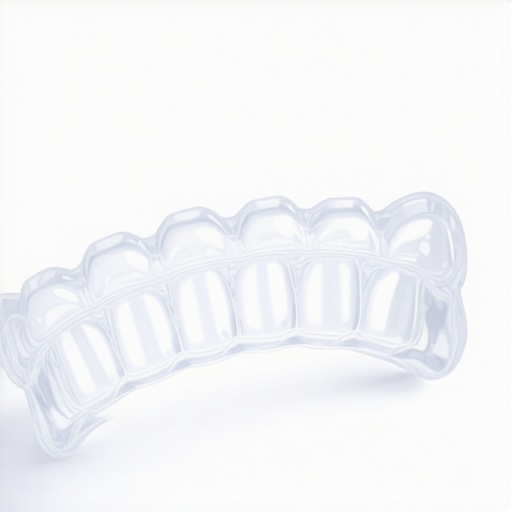
Imagine this: you’re rinsing your mouth after a long day, excited to finally see your new smile, only to be hit with an unexpected smell—like you’re standing poolside on a hot summer day. That sharp, chlorinated odor coming from your clear aligners is more common than you’d think, and frankly, it can be a real buzzkill for anyone eager to improve their smile. I had my share of frustrations when I first noticed that unmistakable smell, which seemed to come out of nowhere, making me question if my cleaning routine was enough.
Getting to the Root of the Chlorine Smell in Clear Aligners
One thing I learned early on is that this smell isn’t just a bad perfume; it’s actually a sign that some bacteria and mold are thriving in the tiny crevices of your aligners. These microbes often produce sulfur compounds, which can smell just like chlorine or swimming pool chemicals. If you’re like me, you probably assumed that a quick rinse was sufficient — but it turns out that’s a mistake many make. Proper cleaning isn’t just about appearance; it’s about preventing odors and maintaining oral health.
Is the Chlorine Smell Worth Worrying About?
At first, I worried this smell meant something more serious was happening. Was I damaging my aligners? Could it be harmful? Interestingly, according to dental professionals, such persistent odors typically result from inadequate cleaning and the buildup of bacteria, which can lead to cavities or infections if ignored. Not managing this issue can undermine your orthodontic progress. Early in my journey, I overlooked the importance of thorough cleaning, and that was a mistake I thankfully corrected in time. If you want to keep your aligners fresh and avoid potential dental problems, understanding the proper cleaning routine is essential.
Have you experienced this chlorine-esque smell with your aligners? If so, you’re not alone. But don’t worry—next, I’ll share the simple, effective methods I discovered to banish those odors once and for all. From choosing the right cleaning products to daily habits that keep everything fresh, you’ll be amazed how small changes can make a big difference.
Deep Clean Your Aligners Weekly
During my first attempt, I soaked my aligners in a mixture of equal parts white vinegar and water for 15 minutes. The vinegar broke down bacterial buildup, reducing the chlorine-like odor. After soaking, I used a soft toothbrush to gently scrub all surfaces, paying special attention to the edges. Rinse thoroughly with cold water to wash away residual vinegar and debris. This process is similar to cleaning a cast iron skillet—regular, thorough scrubbing prevents buildup and odors.
Use the Right Cleaning Solutions
Next, I switched to specialized clear aligner cleaning tablets recommended by my dentist. Once dissolved in water, I soaked my aligners for the recommended time, usually around 15 minutes. These tablets contain ingredients that target bacteria and mold more effectively than sugary mouthwashes or tap water alone. Remember, avoid using whitening tablets or colored solutions, as they can stain or damage your aligners.
Maintain Daily Hygiene Habits
Every morning and night, I rinsed my aligners with lukewarm water and brushed them gently with a non-abrasive toothbrush and mild soap. Doing this prevented new bacteria from settling in and kept the aligners fresh. Think of it like maintaining a clean water bottle—it’s the daily habit that keeps unpleasant odors at bay. If you’ve ever experienced stubborn odors, this step made a noticeable difference in my experience.
Adjust Your Wearing Habits
While cleaning is crucial, how you wear your aligners impacts odor control too. I learned to avoid eating or drinking anything other than water while wearing my aligners; food particles and drinks can promote bacterial growth. After meals, I would remove the aligners and rinse my mouth thoroughly before putting them back in, similar to how rinsing a coffee mug prevents lingering odors. This simple change reduced buildup and odor over time.
Store Them Properly
When not in use, I stored my aligners in a ventilated container rather than a closed bag, which allowed air circulation and prevented mold. Think of it like drying clothes—you want airflow to prevent mildew. Regularly cleaning the storage case also minimized bacterial growth and maintained freshness.
Monitor for Signs of Bacterial Buildup
Finally, I kept an eye on my aligners for any signs of persistent odor, cloudiness, or discoloration. If odors persisted despite cleaning, I consulted my dentist or visit [family dentistry](https://smilegumcare.com/family-dentistry-building-healthy-smiles-for-every-generation). Timely professional advice prevents minor issues from escalating into oral health problems. Remember, consistent care transforms your aligners from a source of frustration into a tool for a confident smile.When it comes to teeth whitening, family dentistry, Invisalign, and veneers, many people assume they have a grasp on the basics, but beneath the surface lie nuances that can make or break your results. **Contrary to popular belief, not all whitening treatments are created equal;** some over-the-counter options can cause increased sensitivity or uneven coloring if not chosen carefully. For instance, a recent study published in the Journal of Esthetic Dentistry emphasizes the importance of professional guidance to achieve uniform and safe whitening results, as DIY methods often overlook individual enamel characteristics. **Beware the trap of assuming that more intensive whitening yields better results;** excessive bleaching can weaken enamel and lead to post-treatment sensitivity.
What Advanced Risks Are Hidden in Everyday Smile Makeovers
Many patients don’t realize that improperly fitted veneers or misaligned Invisalign trays can cause long-term oral health issues. Ill-fitting veneers might seem visually ideal initially but can trap plaque and cause gum recession over time. Likewise, inadequate Invisalign adjustments may result in bite issues or unanticipated wear patterns, undermining the intended correction. It’s essential to consult with experienced professionals who understand the biomechanics behind these treatments to prevent such pitfalls.
**A common myth** in family dentistry is that frequent polishing without addressing underlying issues is beneficial; however, over-polishing can strip enamel and increase sensitivity. Regular check-ups coupled with targeted treatments are crucial. Furthermore, **advanced mistakes** such as neglecting the importance of bite analysis before veneers can lead to temporomandibular joint problems or aesthetic dissatisfaction.
Why Foundational Knowledge Beats Quick Fixes Every Time
One overlooked nuance is the importance of understanding the difference between veneers and crowns. Many assume they are interchangeable, but as explained in the comparison guide, each serves distinct purposes and involves different preparation procedures. Choosing incorrectly can result in unnecessary tooth reduction or aesthetic compromises. Dive into the detailed comparison to make informed decisions—visit [veneers vs. crowns](https://smilegumcare.com/veneers-vs-crowns-which-is-right-for-your-smile) for comprehensive insights.
**Furthermore,** rushing into whitening or veneer procedures without prior comprehensive diagnostics, including occlusal analysis and periodontal assessment, can precipitate undesired side effects. It’s a reminder that a holistic approach, considering the health of your entire mouth, outweighs quick cosmetic gains.
Have you ever fallen into this trap or overlooked a crucial detail in your dental journey? Let me know in the comments! The key to successful smile enhancement lies in awareness and expert guidance, ensuring your investment results in a truly healthy and beautiful smile.
Keep Your Smile in Top Shape with the Right Tools
Achieving a stunning smile isn’t just about the initial treatments like teeth whitening or veneers; it requires ongoing maintenance using precise tools and techniques. Personally, I swear by specific equipment that ensures my dental health remains optimal long-term. Among these, an electric toothbrush with a timer and pressure sensor has been a game-changer, helping me brush thoroughly without damaging my gums. I prefer models like the Oral-B Genius Pro 8000 because it integrates Bluetooth connectivity, allowing me to track my brushing habits via dedicated apps, ensuring consistent and effective cleaning routines.
Why a Water Flosser Makes a Difference
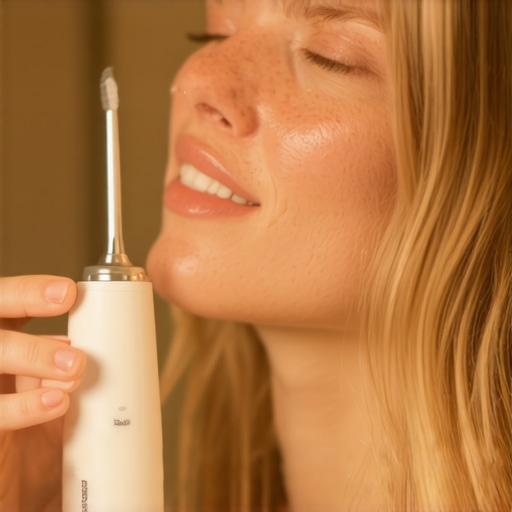
Traditional flossing can be cumbersome, and I found that using a water flosser like the Waterpik Aquarius significantly improved my gum health. Its pulsating jets dislodge plaque from hard-to-reach areas and reduce inflammation, especially around veneers and orthodontic appliances. Daily use has kept my gums healthy and prevented bleeding, which is crucial for those with braces or dental restorations.
Smart Supplements and Whitening Products
To complement physical tools, I integrate whitening toothpastes like specialized whitening formulas into my routine. Additionally, LED whitening kits such as AuraGlow allow me to top up my results between professional sessions, ensuring my smile stays bright without frequent visits. These tools are supported by ongoing research suggesting that combining professional treatments with at-home technology enhances long-term durability and color stability.
Future Trends in Dental Maintenance Tools
Looking ahead, I predict a surge in AI-integrated devices that monitor oral health over time, alerting you to potential issues before they become problematic. Wearable devices or smart toothbrushes that analyze plaque buildup and gums’ condition could revolutionize daily dental care, making maintenance more personalized and proactive. Embracing these innovations now can set you up for success, maintaining your smile’s vitality well into the future.
How do I Keep My Smile Working Over the Years?
The key is consistency and investing in high-quality tools tailored to your specific needs. Regularly replacing brush heads and tips, like every three months, and adhering to a comprehensive routine—combining brushing, flossing, and professional check-ups—will maximize your results. For those undergoing orthodontics or veneer treatments, specialized tools such as interdental brushes or mouth rinse systems designed for sensitive restorations are invaluable. Need personalized advice? Don’t hesitate to reach out to your dental team for recommendations tailored to your situation.
Ready to elevate your dental maintenance game? I encourage you to try incorporating a water flosser into your routine. It’s an advanced tactic that yields visible results and contributes significantly to long-term oral health.
What I Wish I Knew When I Started My Smile Transformation
One of the biggest eye-openers for me was realizing that consistent, personalized care outweighs quick fixes. I used to believe that a standard cleaning or whitening session was enough, but I soon discovered that understanding my unique oral health needs and adhering to tailored routines made all the difference. Additionally, I learned that patience is crucial—results like whiter teeth or aligned braces take time and dedication. Lastly, I found that seeking expert guidance rather than DIY solutions prevented setbacks and prolonged my progress, emphasizing the importance of building a trusted relationship with my dental team.
Tools and Sources That Changed My Smile Game
For anyone serious about their dental health, I recommend a few essentials: First, the Teeth Whitening Secrets for 2025 guide transformed my approach to safe, effective whitening. Second, I rely on the Invisalign Innovation Reports—insights from top experts helped me choose and maintain my aligners properly. Third, my trusted family dentist at Family Dentistry has been invaluable for routine check-ups and personalized advice. Lastly, the Veneers Made Simple resource helped me understand aesthetic options tailored to my goals.
Embrace Your Smile Evolution and Take Action Today
The journey to a confident, healthy smile isn’t just about aesthetics—it’s about your happiness and well-being. Whether you’re considering veneers, Invisalign, or routine family dentistry, remember that every step forward builds a foundation for lasting results. Don’t wait for problems to arise; start investing in your oral health now with the right tools and expert support. Your future self will thank you for making this commitment to your smile’s vitality and beauty. Keep pushing, stay informed, and enjoy the process of transformation—you deserve it!