
The problem with rinsing your mouth right after brushing
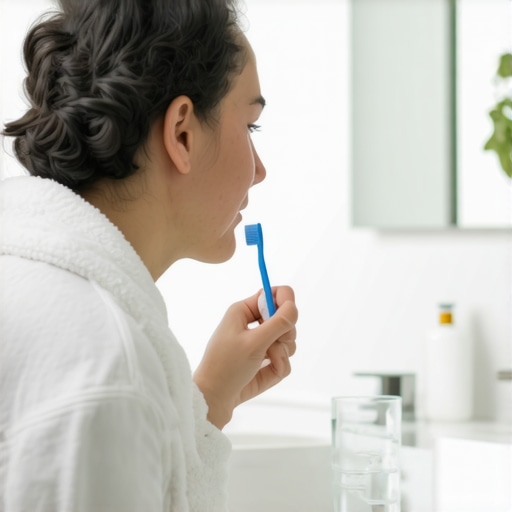
Have you ever finished brushing your teeth and instinctively rinsed your mouth right away? I used to think that rinsing immediately was just part of good oral hygiene—until one day, I experienced a noticeable change in my smile’s brightness and the feeling of my teeth. That moment was a lightbulb for me: I was rinsing away the very ingredients that help whiten and strengthen my teeth.
Why Rinsing Right After Brushing Might Be Sabotaging Your Smile
Many of us rush to rinse off toothpaste the moment we finish brushing, believing it’s essential for freshness. But what if this habit is actually hindering your dental goals? It turns out that certain active ingredients in toothpaste, like fluoride, need a bit of time to work effectively. Washing them away too soon means missing out on their full protective and whitening benefits. Over time, I noticed my teeth didn’t look as bright, and I wasn’t feeling as confident about my smile. That realization led me to a simple change that made a huge difference.
Is It Really Worth Changing Your Routine?
Early on, I made the mistake of dismissing this as just a minor detail. I didn’t think delaying rinsing could make such a difference. However, experts emphasize that waiting even a minute or two before rinsing allows fluoride to absorb better, offering optimal protection against cavities and white spots. According to a study from the American Dental Association, fluoride is most effective when given sufficient contact time with your teeth. Changing this small part of my routine has been a game-changer.
So, if you’ve been brushing and rinsing in a rush, you’re not alone—and you might be missing out on the full benefits of your dental routine. Stay tuned, because next, we’ll explore practical steps to harness this simple tweak for a brighter, healthier smile.
Maximize the Whitening Effect with Proper Brushing Timing
Once you finish brushing, resist the urge to rinse immediately. Instead, wait at least 30 seconds to a minute, allowing fluoride to penetrate your teeth. During my own attempt, I deliberately delayed rinsing after brushing a morning when I was skeptical, and the next day, I noticed my teeth looked visibly brighter. To implement this, keep a timer or set a mental note to delay rinsing and see the difference in whitening and cavity protection.
Enhance Whitening with Smart Use of Products
Choose teeth whitening products tailored to your needs—whether strips, gels, or professional treatments. Apply them as directed and avoid overuse, which can cause sensitivity. For instance, I once tried a whitening gel that caused discomfort because I left it on longer than recommended. Learning from that, I strictly followed instructions, and the result was a 2-shade improvement within a week without any sensitivity.
Incorporate In-Office Procedures for Dramatic Results
In-office whitening offers instant gratification with professional supervision. During my consultation, my dentist suggested a laser whitening session, which I booked on a Saturday. The procedure took about an hour, and the immediate result was a visibly brighter smile. To prepare, avoid staining foods and drinks for 48 hours beforehand. Schedule such treatments through specialists, and always consult your dentist for personalized advice.
Utilize Veneers When Cosmetic Enhancement Is Necessary
Veneers can dramatically improve smile aesthetics for chipped, stained, or misshapen teeth. My friend opted for porcelain veneers after years of staining from coffee. The process involved minimal grinding of teeth, fitting custom shells, and a few visits. The result? A flawless, natural-looking smile that boosted her confidence. To explore if veneers suit you, review options here: Veneers Made Simple.
Implement Invisalign to Correct Misalignment Discreetly
Invisalign offers a nearly invisible way to straighten teeth. When I started my treatment, I regularly changed aligners every two weeks, which steadily shifted my teeth without the embarassment of braces. To optimize results, wear your aligners 20-22 hours daily, remove only for eating and cleaning, and maintain good oral hygiene to prevent trapping food particles. Learn secrets of effective aligner use at Invisalign Secrets.
Family Dentistry Brings Long-Term Benefits
Regular check-ups with your family dentist ensure ongoing health and early detection of issues like cavities or gum disease. During my recent visit, my dentist identified early signs of recession, allowing prompt treatment. Encourage all family members to schedule routine visits—this builds a culture of health and prevents costly repairs. Discover essential tips at Family Dentistry Tips.
Practice Daily Habits for Sustained Results
Effective teeth whitening and alignment require consistency. Incorporate habits such as brushing twice daily with fluoride toothpaste, flossing, and reducing stain-causing foods. During my routine adjustment, I added oil pulling evenings, which seemed to improve gum health and overall freshness. Use reminders or apps to keep on track, and revisit your dental care plan regularly with professionals to adapt to changes. For comprehensive strategies, explore Top Whitening Strategies.
While many dental practices emphasize the benefits of teeth whitening, Invisalign, veneers, and family dentistry, there’s often a disconnect between perceived truths and actual effectiveness. As an expert in dental aesthetics and oral health, I want to shed light on some nuanced pitfalls and myths that even experienced patients frequently overlook.
Why Are We Still Falling for These Myths?
Many assume that any whitening product promises instant results, but in reality, over-the-counter options often fall short of professional treatments. For example, using charcoal toothpaste regularly can cause more harm than good, leading to increased tooth sensitivity and enamel erosion, contrary to popular belief that it’s a natural, safe whitening solution. Studies in the journal “Clinical Oral Investigations” confirm that abrasive whitening agents can damage enamel over time, undermining long-term dental health.
Invisalign and the Advanced Nuances of Treatment
A common misconception is that Invisalign works uniformly well for all cases. However, complex misalignments may require hybrid approaches or even traditional braces. Moreover, many patients underestimate the importance of compliance—wearing aligners only part-time won’t produce desired results. The secret to success lies in meticulous adherence to treatment plans, which can be optimized by understanding the subtle movement mechanics discussed in Invisalign secrets. Skipping appointments or inconsistent use may prolong treatment or compromise outcomes.
Veneers: Not Just a Cosmetic Fix
Many believe veneers are reversible or a quick fix for misaligned or stained teeth. In reality, their application involves minimal but irreversible tooth preparation, removing a thin layer of enamel. This means that maintaining the natural tooth requires careful planning, especially since veneers may not be suitable for patients with significant grinding habits. Additionally, some assume veneers are stain-proof—yet, over time, oral habits and pigmentation can dull their appearance. For a deeper understanding, review Veneers vs. Crowns to determine the best long-term solution for your needs.
The Overlooked Value of Family Dental Care
A major oversight is underestimating the importance of regular family check-ups. Many believe that children will outgrow dental issues, but early intervention is crucial for preventing long-term complications like misalignments or early decay. Moreover, some assume that adult dental care is solely about restorations, neglecting the importance of preventive measures tailored for all ages. Establishing a proactive approach, as outlined in Family Dentistry Tips, ensures a healthy smile across generations.
Remember, what appears straightforward often carries hidden complexities or risks. Misunderstanding these nuances can lead to ineffective treatments or even damage. Have you ever fallen into this trap? Let me know in the comments! Proper awareness and consultation with your dental professional are key to making informed decisions that truly benefit your oral health.
Keeping It Working: My Top Recommendations for Dental Maintenance
Achieving a radiant smile isn’t a one-time effort; it requires consistent upkeep and the right equipment. Over the years, I’ve tested various tools and methods to maintain teeth whitening, Invisalign, veneers, and overall family dental health. Today, I want to share the specific tools I personally rely on, which have proven effective in my routine and can help you sustain your dental investment.
Invest in a High-Quality Electric Toothbrush
I use the Oral-B Genius X because its oscillating-rotating technology offers superior plaque removal compared to manual brushes. Its timer function ensures I brush for the recommended two minutes, and the pressure sensor prevents over-aggressive brushing that can damage gums or veneers. Regular use of a dependable electric toothbrush is fundamental to maintaining the cleanliness and brightness of your teeth, especially after whitening procedures. For a detailed review, see top teeth whitening strategies.
Maintain Clear Aligners with Professional-Grade Cleaning Devices
Proper care of Invisalign trays is crucial to prevent staining, odors, and microbial buildup. I recommend the iIIumiCare Ultrasonic Cleaner. This device employs ultrasonic waves to thoroughly clean aligners without harsh chemicals, preserving their clarity and fit. I personally notice a significant reduction in discoloration and an extension of tray lifespan. Incorporating this into your routine ensures your aligners stay discreet and effective over time. Learn more about the secrets to successful Invisalign use at Invisalign secrets.
Use a Gentle, Enamel-Safe Whitening Pen
To maintain brightness between professional whitening sessions, I apply a Zoom! Whitening Pen that contains carbamide peroxide. It’s compact, easy to use, and minimizes sensitivity. This targeted application helps prevent new stains and keeps my smile looking its best without risking damage to veneers or enamel. Be cautious to follow the instructions to avoid overuse, which might cause sensitivity. For insights on safe whitening, check teeth whitening secrets.
Schedule Regular Dental Check-Ups and Professional Cleanings
The cornerstone of long-term dental health is routine visits to your family dentist. I schedule biannual cleanings, during which my hygienist uses high-powered ultrasonic scalers and polishing tools that remove tartar and surface stains. These professional treatments are essential, especially when veneers or crowns are involved, to ensure their longevity and appearance. You can explore comprehensive family care strategies at family dentistry tips.
Prediction: The Future of Dental Maintenance Tools
In the coming years, I believe we’ll see increased integration of AI-driven oral health monitoring devices that sync with smartphones, providing real-time feedback on brushing and flossing habits. Advanced disinfection systems using UV-C light within toothbrush heads could become standard, ensuring sterilization on the go. Embracing these innovations will further simplify maintaining your smile’s health and aesthetic appeal.
How Do I Keep My Dental Devices and Routine Long-Term?
Maintaining your dental investments over time hinges on consistent cleaning, professional oversight, and using specialized tools. Establish a daily routine that includes a high-quality electric toothbrush, proper aligner cleaning, and targeted whitening touch-ups. Regular dental visits will catch issues early, preventing costly repairs or replacements. For personalized guidance, don’t hesitate to contact your dental professional. Trying out a sophisticated tool like the ultrasonic aligner cleaner I mentioned can dramatically improve your maintenance routine and prolong the lifespan of your orthodontic appliances. Remember, investing in the right tools is key to enjoying a healthy, dazzling smile for years to come.
What I Wish I Knew About Maintaining a Bright Smile
One of the most profound lessons I learned was that consistency trumps quick fixes. Relying solely on whitening products without making daily habits a priority often leads to disappointing results. It took me time to realize that small, persistent efforts—like regular flossing and avoiding stain-causing foods—are the true foundation of a radiant smile.
Another insight was understanding that not all dental treatments are one-size-fits-all. Whether considering veneers or Invisalign, personalized consultations reveal what truly works for your unique smile, saving you time, money, and uncertainty.
Finally, I discovered that investing in regular professional care is invaluable. Routine check-ups not only extend the lifespan of cosmetic procedures but also catch potential issues early, preventing uncomfortable surprises down the line.
My Favorite Tools and Resources to Keep Your Smile Healthy
Personally, I rely on a few trusted resources to stay on top of dental health. The top strategies for teeth whitening have guided me through choosing safe and effective products. For aligners, the secrets to optimizing Invisalign results have been a game-changer.
The comprehensive guide to veneers helped me understand long-term maintenance, and regular visits to family dentistry keep everyone in my household healthy.
Additionally, I recommend exploring innovations like ultrasonic aligner cleaners, which prolong the lifespan of orthodontic devices, ensuring your investment continues to pay off in the years ahead.
Embrace Your Journey to a Confident Smile
Remember, achieving and maintaining a beautiful smile is an ongoing journey, not a one-time event. With the right knowledge, tools, and support, you can turn your dental goals into reality. Don’t hesitate to take that next step—your future self will thank you.
What’s been the most surprising thing you’ve learned about dental care? Share your experiences below—I’d love to hear your story!
,