
How to prevent your child from getting ‘bottle rot’ cavities
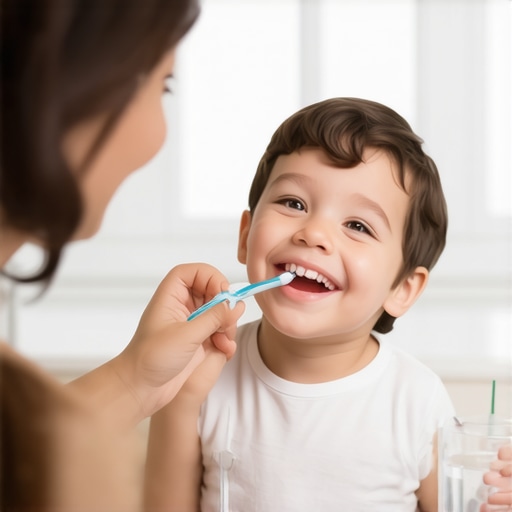
I remember the exact moment I realized I had overlooked something crucial in my child’s dental health. It was late at night, and I caught a whiff of that familiar, vaguely sour smell from his little face, mixed with the scent of the empty milk bottle beside his crib. My heart sank. That dull, nagging worry grew—was I doing enough to prevent those pesky but dangerous cavities, especially the dreaded ‘bottle rot’? It hit me then that, despite visiting the dentist regularly, I still hadn’t tackled the root of the problem—how to truly safeguard my child’s teeth from the silent threat of decay caused by prolonged bottle use.
Why Bottle Rot Is More Than Just a Childhood Nuisance
Many parents think cavities are simply a rite of passage or an inevitable part of childhood—an annoyance to be dealt with during the yearly dental visit. But the reality is far more serious. Left unchecked, bottle rot can lead to painful infections, trouble eating, and even long-term dental issues. The danger lies in the sugars of milk or juice lingering on teeth overnight, creating a perfect environment for bacteria to thrive.
What surprised me early on is how sneakily this decay can develop. It’s not just about visible holes; it is about how it can weaken teeth structurally, affect speech development, and sometimes even lead to costly treatments. The American Dental Association emphasizes that early childhood cavities are among the most common chronic childhood diseases—more prevalent than asthma, ironically. (Source: ADA News, 2023)
Now, I want to ask you: Have you ever found yourself nervously eyeing your child’s sleeping face, wondering if those nighttime leaks and bottle habits might be doing long-term damage? If so, you’re not alone, and more importantly, there’s hope. Today, I’ll share how I started to turn things around—simple, proactive steps that made a real difference.
But before we jump into those practical strategies, let’s clear up some common fears and misconceptions about this topic. After all, knowing what NOT to do can be just as crucial as knowing the right moves. Make sure to read the next section—it’s packed with insights I wish I had known from the start.
Replace Nighttime Bottles with a Tooth-Friendly Routine
Start by gradually substituting your child’s last bottle with a damp cloth or a sippy cup filled with water. This minimizes sugar exposure when teeth are most vulnerable. When I first did this with my toddler, it was messy—she clung to her bottle, crying and refusing to accept water. Persistence paid off, and within days, her mouth became less prone to decay.
Establish Consistent Brushing Habits Early
Use a soft-bristled toothbrush suitable for your child’s age and a smear of fluoride toothpaste. Gently brush their teeth twice daily, especially before bedtime. I learned that making this a fun, routine activity—using colorful brushes and singing songs—encouraged my son to cooperate. Regular brushing removes lingering sugars and bacteria, preventing acid production that causes decay.
Introduce Flossing Once Teeth Touch
As soon as your child’s teeth start to touch, introduce flossing to remove food debris and plaque between teeth. In my experience, using kid-friendly flossers helped my child tolerate this step. Consistent flossing reaches areas toothbrush can’t, reducing decay risk in hard-to-reach spots. Making flossing a familiar part of the routine reinforces its importance.
Limit sugary drinks and snacks
Replace juice and sweet snacks with healthier options like fresh fruit or cheese. This change drastically reduces sugar exposure. I once allowed my child to snack on sugary granola bars, which led to increased cavities. Switching to plain yogurt and apple slices helped maintain oral health without sacrificing taste, and supports overall diet and dental health.
Schedule Regular Dental Checkups
Visit your dentist every six months for professional cleanings and early detection of issues. I found that those visits demystified dental care for my child and caught early signs of decay before they worsened. Dentists can provide targeted fluoride treatments or sealants to further protect vulnerable teeth.
Utilize Protective Dental Products
Ask your dentist about sealants or varnishes that can shield your child’s molars. These coatings fill in pits and fissures, making it harder for sugary substances to settle. In our case, a simple sealant application significantly reduced cavities on my son’s back teeth and added a layer of defense.
Monitor and Manage Bottle Habits
Be attentive to how long your child uses bottles, especially during naps or overnight. Transitioning from bottles to cups is crucial. I personally found that introducing a cup early reduced dependency. Persistent monitoring helped prevent prolonged exposure to liquids that can lead to bottle rot.

Imagine a child comfortably drinking from a colorful sippy cup filled with water, turning nighttime routines into a healthy habit.
Stay Informed and Educate Your Child
Teach your little one about the importance of teeth and healthy eating. Using stories or simple explanations makes kids more receptive. I shared fun facts about how strong teeth help them bite into their favorite foods, motivating better habits.
By implementing these practical, straightforward steps, you can significantly reduce the risk of bottle rot and set your child on a path toward lifelong dental health. Remember, consistency and early intervention are key elements in protecting those tiny teeth from preventable decay.Many patients approach cosmetic and family dentistry with oversimplified ideas, often believing that procedures like Invisalign or veneers are straightforward fixes. However, there are nuanced truths and common pitfalls that even seasoned dental professionals recognize but are not always communicated openly. Understanding these subtleties can save you time, money, and disappointment.
Firstly, a prevalent misconception is that Invisalign is suitable for every orthodontic issue. In reality, its effectiveness diminishes with complex cases involving severely rotated or impacted teeth. A common mistake is assuming you can achieve perfect results without understanding the limitations of clear aligners. According to an expert review in the Journal of Orthodontics, certain malocclusions respond poorly to Invisalign, necessitating traditional braces or other interventions. For more insights, explore [Invisalign secrets](https://smilegumcare.com/invisalign-secrets-achieving-a-perfect-smile-discreetly).
Veneers are often heralded as a quick fix for crooked, stained, or chipped teeth. But many overlook the fact that veneers require removal of some natural tooth enamel, which can be a permanent modification. Moreover, they are not always the best choice for patients with grinding habits; the added layer can chip or debond under excessive pressure. A detailed comparison between veneers and crowns highlighting these nuances is available at [Veneers vs Crowns](https://smilegumcare.com/veneers-vs-crowns-which-is-right-for-your-smile).
When it comes to teeth whitening, the assumption is that more intense bleaching yields better results. Yet, overuse of whitening agents can lead to increased tooth sensitivity and damage to the enamel over time. The active ingredients, like hydrogen peroxide, must be used judiciously within safe thresholds. The American Dental Association emphasizes that professional supervision can prevent adverse effects, making customized treatments preferable over generic over-the-counter options. Dive into [Teeth whitening secrets](https://smilegumcare.com/the-ultimate-guide-to-teeth-whitening-options-in-2025) for expert guidance.
Family dentistry often gets reduced to routine cleanings and fillings, but its true essence involves understanding and planning for a patient’s entire oral health lifecycle. A common trap is neglecting the needs of children or the elderly, which can lead to complex problems down the road. For instance, early intervention in kids’ dental development can prevent misalignments or decay issues. Read more in [Family dentistry tips](https://smilegumcare.com/family-dentistry-tips-creating-a-healthy-smile-for-your-kids-at-0915) about incorporating holistic care.
**What’s the biggest misconception you’ve encountered about cosmetic or family dentistry?** Many patients forget that each procedure, from whitening to veneers, has nuances that could make or break the overall outcome. Missing these details can lead to dissatisfaction or damage that could have been avoided.
A truly advanced understanding helps you ask the right questions and work collaboratively with your dentist. For example, a nuanced approach to Invisalign involves assessing your bite dynamics, oral habits, and long-term dental health—not just straightening teeth. Similarly, choosing veneers should come after considering the health and stability of your natural teeth.
Don’t forget: staying informed is a continuous process. For deeper insights into Invisalign’s complexities, visit [Invisalign tips](https://smilegumcare.com/invisalign-secrets-achieving-a-perfect-smile-discreetly). If you’re contemplating veneers, check out [Veneers made simple](https://smilegumcare.com/veneers-made-simple-transform-your-tooth-aesthetics-in-2025). Have you ever fallen into this trap? Let me know in the comments.Maintaining dental health, especially when pursuing cosmetic treatments like Invisalign or veneers, requires more than just visiting the dentist periodically. Using the right tools and adopting effective routines can extend the longevity of your results and prevent future issues. One essential technique I personally swear by is consistent use of an ultrasonic oral cleaner, such as the *Sonicare ProtectiveClean*. This device employs high-frequency vibrations to remove plaque and bacteria deeply between teeth and along the gumline, areas that traditional brushing might miss. Regular ultrasonic cleaning not only preserves the brightness of teeth whitening but also reduces the risk of decay, especially for those with orthodontic appliances.
Another game-changing tool I recommend is a *water flosser*, like the *Philips Sonicare AirFloss*. It’s especially effective for cleaning around veneers, crowns, and braces, where traditional flossing can be challenging. The pulsating stream reaches into tiny crevices, dislodging food particles and plaque, and is gentle on gums. By incorporating a water flosser into your daily routine, you can prevent stubborn plaque buildup that might compromise your cosmetic investments or lead to periodontal issues.
How do I maintain my smile tools over time?
To keep these tools performing optimally, I suggest replacing brush heads every three months, as recommended by the American Dental Association. Regularly inspecting and cleaning your water flosser’s tips and ultrasonic heads ensures they don’t harbor bacteria or mineral deposits. Using a mild, antibacterial cleaning solution on your devices weekly prolongs their lifespan and maintains hygiene. Also, storing these tools in a dry, clean place prevents mold buildup. Based on recent research in dental hygiene technology, such proactive maintenance ensures devices remain effective and safe over years of use.
Looking ahead, I believe the future of dental maintenance will involve smarter, AI-integrated tools that provide real-time feedback on plaque levels or brushing effectiveness. Companies are already developing toothbrushes with built-in sensors that sync with smartphone apps to guide technique and duration, ensuring you don’t miss spots. Staying ahead of this trend by investing in such devices now can yield long-term benefits for your oral health and aesthetic results.
Make your home routine work harder for you
I encourage anyone committed to long-term smile success to try integrating a high-quality ultrasonic cleaner and water flosser into daily habits. These tools, combined with regular professional checkups, help preserve your investment in treatments like Invisalign or veneers, and keep your teeth healthy and radiant for years to come. For tailored advice on choosing the best devices, feel free to reach out through our contact page.
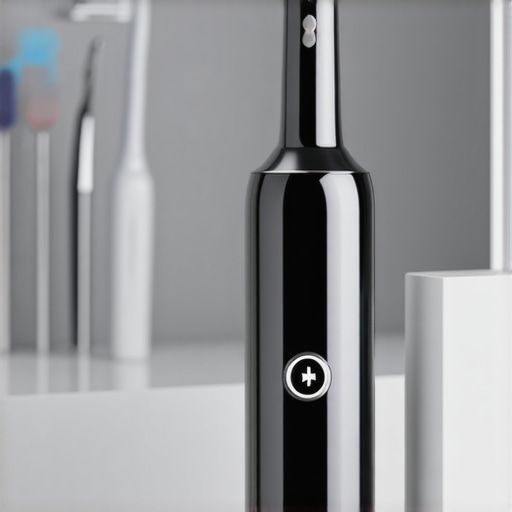
Imagine a sleek, modern ultrasonic cleaner alongside a colorful water flosser, both ready to elevate your daily dental care routine, ensuring your smile stays stunning and healthy over the years.
Growing up, I assumed that achieving a perfect smile was about quick fixes like whitening or veneers, but my real lessons came from understanding the deeper nuances of dental care. One critical insight was realizing that technology alone isn’t enough; the daily habits, mindset, and trusted advice truly shape long-term results. I discovered that investing in not just tools like ultrasonic cleaners but also in knowledge about their proper maintenance maximized their benefits, transforming my routine into a powerful self-care practice. Furthermore, I learned that ongoing education—reading expert reviews and understanding my treatment options—empowered me to advocate for my oral health confidently. It’s not just about aesthetics; it’s about building a sustainable relationship with my dental health that withstands time and changing trends. Embracing this holistic view turned my routine from chaotic to confident, ensuring that my investment in treatments like Invisalign or veneers yields lasting happiness and health. When you journey beyond the surface, you uncover the hidden layers that make every smile truly radiant.