
The secret to keeping your dental implant clean and infection-free
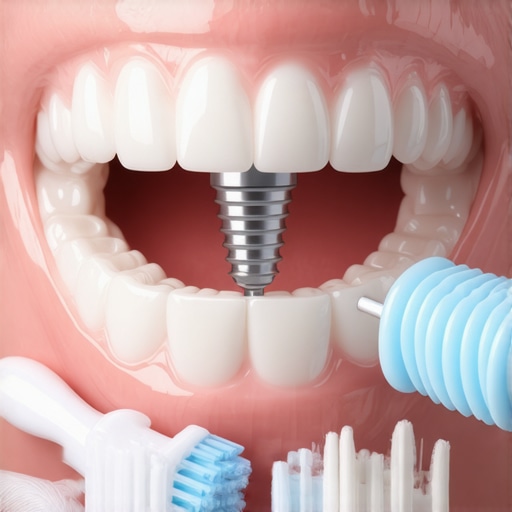
I remember the moment vividly—the first time I noticed a slight discomfort around my dental implant. It was a subtle twinge that I brushed off initially, thinking it was just sensitive gums. But days turned into a week, and that discomfort grew into a persistent ache. I was alarmed. How could something that promised a lasts-for-decades smile become a source of concern so soon?
Why Maintaining Your Dental Implant Matters More Than You Think
Your dental implant isn’t just a shiny new tooth; it’s a complex piece of your oral health puzzle. Think of it as a tiny anchor that replaces your natural tooth root, supporting your smile and chewing function. But just like your original teeth, it requires diligent care. Neglecting proper cleaning can lead to infections, peri-implantitis, and, in worst cases, implant failure.
One common mistake I made early on was overlooking the importance of gentle, thorough cleaning around the implant. I thought regular brushing would suffice. Turns out, that’s not enough. Bacteria can build up in hard-to-reach spots, turning a manageable problem into a serious complication. According to a study published in the Journal of Periodontology, poor hygiene around dental implants is a leading cause of implant failure, emphasizing the need for meticulous care (source: https://www.perio.org/).
So, what’s the secret to keeping your implant clean and infection-free? It’s all about adopting a comprehensive, gentle routine that targets areas prone to plaque buildup. But before we dive into the practical steps, let me share a quick story of how I learned this the hard way. If you’ve ever faced similar issues, you’re not alone—trust me.
Mastering Daily Oral Hygiene for Your Dental Implant
Begin with gentle brushing using a soft-bristled toothbrush, angled at 45 degrees to the gum line. Focus on cleaning the margin around the implant crown or abutment, where bacteria tend to accumulate. Incorporate interdental brushes or floss designed for implants to reach tight spaces. I once struggled with using traditional floss, which shredded on my implant; switching to implant-specific floss made a significant difference, reducing inflammation and discomfort.
Embrace Effective Rinsing and Disinfection Methods
After brushing, rinse with an antimicrobial mouthwash that contains chlorhexidine or essential oils. This step helps reduce oral bacteria, especially in hard-to-reach areas. I learned this the hard way when skipping mouthwash led to persistent plaque buildup. Regular use keeps the peri-implant tissues healthy and minimizes infection risk.
Incorporate Specialized Tools and Techniques
Use a water flosser set to low pressure to flush out debris around the implant site. This tool is like a power washer for your mouth—powerful but gentle when used correctly. During my routine, I found that water flossing was easier than string floss, especially for back molars, and it prevented food particles from trapping around the implant. Ensure the tip is directed at the gum line to dislodge bacteria effectively.
Schedule Consistent Dental Check-Ups and Cleanings
Visit your dentist every six months for professional cleaning and examination. During these visits, the hygienist will remove tartar and check the integration of your implant. I once delayed a visit, and plaque hardening caused inflammation, leading to further complications. Regular appointments catch issues early, reinforcing your daily care efforts.
Stay Vigilant for Signs of Trouble
Watch for redness, swelling, or bleeding around the implant site. Persistent discomfort or a clicking sound during chewing are red flags that warrant immediate dental attention. I experienced a slight ache one morning, which prompted me to see my dentist promptly—turning out to be early peri-implantitis. Early intervention can save your implant from failure.
Adjust Your Lifestyle Habits
Limit sugary and acidic foods that can accelerate plaque formation and cause enamel erosion. Avoid smoking, which impairs healing and increases peri-implantitis risk. Remember, maintaining a healthy lifestyle complements your diligent oral hygiene and keeps your implant secure for decades.
Many patients enter the world of cosmetic dentistry assuming they understand all the basics—think teeth whitening, veneers, or Invisalign are straightforward solutions. But let’s dig deeper and shed light on some overlooked nuances that can trip up even the most well-informed.
Is Whiter Always Better? Myths About Teeth Whitening
While everyone loves a dazzling smile, there’s a common misconception that whitening treatments are universally safe and suitable for everyone. The reality is, over-bleaching can weaken enamel and lead to increased sensitivity, especially if your teeth already show signs of decay or crack lines. According to a 2023 study in the Journal of Dental Research, aggressive whitening can cause irreversible damage if not tailored to your individual dental health. It’s vital to consult with a professional who can create a personalized plan rather than opting for over-the-counter options that promise instant results but might harm your enamel in the process.
The Dark Side of Veneers: When Looks Can Deceive
Veneers are often marketed as a quick fix for stained or chipped teeth, but many fail to recognize the advanced planning needed. A common mistake is overly relying on veneers to mask underlying dental issues, such as decay or misalignment. Furthermore, some patients are unaware that veneers are irreversible—they involve removing a layer of enamel, which is a permanent change. Visiting an experienced specialist can help you understand the limits and maintenance involved. For instance, veneers can sometimes cause gum irritation if not properly fitted, highlighting the importance of choosing a reputable provider. For more insights on veneers, check out this guide to veneers.
Family Dentistry: A Broader Approach Than You Think
Many assume family dentistry is just about routine cleanings for kids and adults, but the key lies in proactive prevention across generations. A hidden nuance is the emphasis on patient education tailored to each age group—teaching children proper brushing techniques and adults about lifestyle factors that impact oral health. Failing to recognize these layered needs can lead to overlooked issues like early cavities or gum disease, which could escalate over time. Building a comprehensive approach with your dentist ensures your family’s dental health evolves with their age, preventing serious problems down the line. Discover how family dentistry focuses on a holistic, generational perspective.
Invisalign’s Hidden Challenges and How to Overcome Them
Invisalign is celebrated for its discreet approach, but many patients underestimate the importance of strict adherence and the nuanced adjustments needed for optimal results. For example, wearing aligners too loosely or for insufficient hours can prolong treatment or lead to uneven tooth movement. An advanced nuance is understanding the impact of dietary habits on aligner clarity—foods like turmeric or berries can stain aligners if not cleaned properly. Moreover, some overlook the necessity of tracking aligner fit and progress with regular dental visits. According to expert tips on Invisalign, a dedicated approach maximizes benefits and minimizes setbacks. Remember, successful Invisalign treatment isn’t just about the aligners themselves but also about disciplined wear and proper maintenance.
Have you ever fallen into this trap? Let me know in the comments. Navigating the world of cosmetic and family dentistry requires more than surface knowledge—it’s about understanding these hidden nuances that ensure long-lasting, healthy smiles.Maintaining your dental enhancements and overall oral health isn’t just about daily habits; it requires the right tools and a strategic approach. From specialized toothbrushes to high-tech software, the equipment you use can drastically influence your long-term results. For instance, I personally swear by using an ultrasonic toothbrush for cleaning veneers and implants. Its high-frequency vibrations effectively dislodge plaque and surface stains without damaging delicate restorations, unlike traditional brushes which can exert uneven pressure. Incorporating a dental mirror with magnification helps me inspect hard-to-see areas, ensuring no spot is neglected. Additionally, I utilize a water flosser set to low pressure, which provides a gentle yet thorough clean around orthodontic attachments and delicate restorations. This approach not only preserves the integrity of veneers and aligners but also prevents buildup that can lead to gum disease. The digital aspect is equally important—advanced case management software allows my dentist to monitor progress, schedule routine checkups automatically, and provide tailored advice. This tech integration ensures consistent care and quick adjustments, vital for those wearing Invisalign or crowns. Looking ahead, future trends include AI-powered diagnostic tools that can detect early signs of decay or peri-implantitis through imaging, enabling preventive treatment before issues escalate. If you want to optimize your maintenance routine, start by investing in a quality ultrasonic toothbrush and a reliable water flosser. Regular use of these can significantly extend the lifespan of your dental work and keep your smile radiant. How do I maintain my dental appliances over time? The key lies in combining these tools with disciplined routine check-ins at your dental professional—think of it as the cybersecurity for your oral health. Regular professional cleanings are crucial; they remove tartar buildup that even the best home tools might miss. Schedule appointments every six months, and discuss with your dentist about incorporating advanced tools like intraoral cameras for more detailed monitoring. In this way, you create a multi-layered defense against common issues like staining, plaque accumulation, and gum inflammation. Remember, the investment in quality tools and proactive care pays off—your smile’s beauty and health depend on it. For comprehensive insights on maintaining dental restorations like veneers and crowns, consider exploring specialized guides that delve into longevity strategies and advanced cleaning techniques. Don’t wait until problems arise—start upgrading your maintenance toolkit today and protect your investment in your smile!
Three Surprising Truths I Wish I Knew About Smile Enhancement
One of the hardest lessons I learned was that perfecting my smile is an ongoing journey. I used to think that after getting veneers, my worries about staining or damage would vanish, but I soon realized that diligent maintenance and regular checkups are essential for lasting beauty. Additionally, I discovered that not all whitening products are created equal; some can inadvertently harm delicate restorations. My biggest revelation was how small daily habits, like rinsing properly and choosing the right tools, can significantly extend the lifespan of my dental work—saving me from costly repairs and discomfort.
Tools That Transformed My Dental Routine
Investing in a high-quality ultrasonic toothbrush and a water flosser made all the difference. These tools are game changers—gentle on veneers, effective against plaque, and easy to incorporate into daily routines. I also rely on specially formulated mouthwashes recommended by my dentist, which help keep peri-implant tissues healthy. For those seeking comprehensive guidance, I trust resources like this guide to Invisalign and tips for veneers. Remember, the key is consistency and using the right tools designed for your dental investments.
Keep Your Confidence Alive: Your Power to Shine
Your smile is your signature—don’t let small setbacks dim your confidence. Through self-education, proper care, and proactive habits, you can maintain a radiant, healthy smile for years to come. Take action now: upgrade your routine, schedule regular dental visits, and cherish every moment showing off your best smile. When you’re committed to these simple yet powerful steps, you’re not just caring for your teeth—you’re investing in your happiness and self-assurance.