
Why your veneers might be the cause of your chronic bad breath
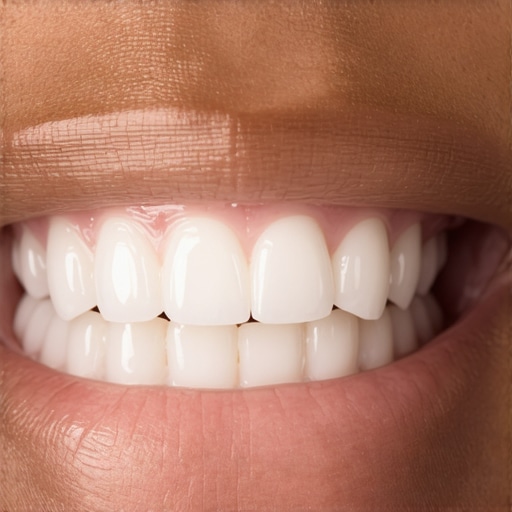
It was a morning like any other. I was brushing my teeth, feeling confident about my bright, new veneers. Suddenly, I caught a whiff—an unpleasant, persistent smell that seemed to cling to my breath despite my diligent routine. Frustration washed over me. How could something so beautiful be causing such an awful issue? That lightbulb moment made me realize: perhaps my veneers weren’t just transforming my smile—they might be secretly undermining my oral health.
The Hidden Culprit Behind That Unwanted Odor
Many of us assume that once we’ve upgraded our smile—whether through whitening, veneers, or orthodontics—our breath issues are behind us. But sometimes, these cosmetic treatments can inadvertently create new problems. Chronic bad breath, or halitosis, isn’t just a sign of poor hygiene; it can also be a warning flag for underlying issues triggered by dental restorations like veneers. In my case, I discovered that inadequate cleaning around my veneers was allowing bacteria to fester, leading to persistent odor despite my best efforts.
This experience motivated me to dig deeper. I learned that improper cleaning techniques, combined with the unique surface textures of veneers, can trap plaque and food particles more readily than natural teeth. Over time, this buildup creates a breeding ground for bacteria that produce foul-smelling sulfur compounds. A study from the National Institutes of Health confirms that restorative dental procedures, if not properly maintained, can contribute to bad breath issues.
Ever Wondered If Your Smile Makeover Is Coming at a Price?
One common mistake I made early on was neglecting to ask my dentist about cleaning tips specific to veneers. It’s easy to assume that a dazzling smile means everything’s fine, but the reality is, cosmetic procedures require tailored maintenance. Without the right care routines, you risk trapping bacteria and facing embarrassing odor problems long after your appointment. Have you ever experienced this kind of surprise after your dental makeover? If so, you’re not alone—and there’s hope. In the next sections, I’ll guide you through practical steps to keep your veneers—and your breath—fresh and healthy. For more on maintaining your dental restorations, check out our comprehensive guide to veneers.
Cleansing Every Nook and Cranny
Start with meticulous brushing using a soft-bristled toothbrush and non-abrasive toothpaste designed for veneers. I remember a morning I decided to double down on my brushing routine, dedicating an extra two minutes to around my veneers. I gently angled my toothbrush along the gumline and over the edges, using small circular motions. The result? A noticeable reduction in odor and a cleaner feeling. This step is vital because the textured surface of veneers can harbor plaque.
Target Hard-to-Reach Areas
Use interdental brushes or floss with a threader to clean between teeth and beneath the veneer margins. I once carefully threaded floss beneath my upper front veneers and gently slid it back and forth, avoiding aggressive movements. This helps dislodge trapped debris and prevents bacteria buildup that causes bad breath. Regular flossing around veneers is a game-changer, especially if you notice persistent odors after meals.
Disinfect and Remove Bacteria
Incorporate an antibacterial mouthwash into your routine. I chose an alcohol-free rinse recommended by my dentist and swished for 30 seconds post-brushing. This chemical acts as a barrier against bacterial growth that can produce sulfur compounds leading to bad breath. Remember, mouthwash isn’t a substitute for cleaning but a complementary step to ensure holistic oral health.
Adjust Your Routine for Sticky Surfaces
If you notice a lingering smell, consider using a tongue scraper daily. I introduced this step to my morning ritual and found my overall breath improved markedly. The tongue hosts bacteria responsible for foul odors, especially if you have superficial veneers where food particles may stick. Scraping gently removes this layer, enhancing freshness.
Optimize Your Lifestyle
Limit foods that promote bacteria, like sugary or starchy snacks, which I learned the hard way after a messy pizza night. Incorporate water rinsing after meals to dilute residual acids and food debris. Staying hydrated ensures saliva production, naturally cleansing your mouth and reducing odor-causing bacteria. Think of saliva as your mouth’s natural detergent—keeping it flowing is essential.
Regular Dental Check-Ups and Professional Cleanings
Schedule routine visits to your dentist for professional cleaning and veneer checkups. During one visit, my hygienist used specialized tools to clean hard-to-reach areas around my veneers, revealing plaque accumulation I couldn’t detect myself. These sessions help maintain the integrity of your restorations and proactively address any issues before they escalate.
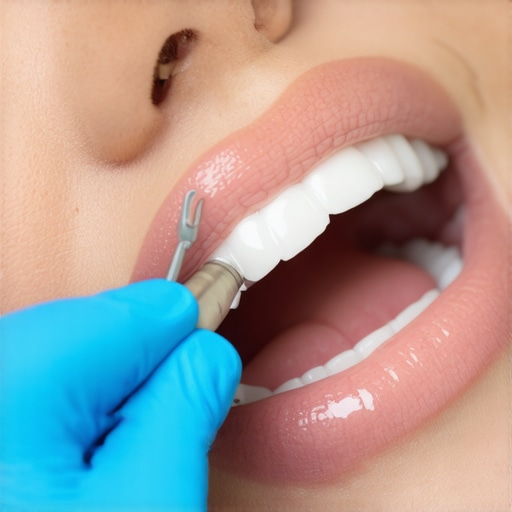
Imagine a dentist gently cleaning around veneers with specialized tools, ensuring every surface is spotless.
Keeping your veneers pristine and your breath fresh isn’t magic—it’s about adopting a consistent, meticulous routine and staying aligned with your dental care plan. Every step, from thorough daily cleaning to professional checkups, works synergistically to safeguard your smile and confidence.
When it comes to family dentistry, teeth whitening, veneers, and Invisalign, many people believe they understand the basics, but the truth is, there’s often more nuance than meets the eye. A common myth is that teeth whitening products are all equally safe and effective; however, in reality, over-the-counter options can sometimes cause sensitivity or uneven results if not used properly. Professional treatments, supported by research such as the 2025 guidelines in our comprehensive teeth whitening guide, tend to offer safer, more predictable outcomes.
One critical oversight many make with veneers is assuming they require no special maintenance. In fact, improper cleaning techniques can lead to discoloration or even damage to the veneer margins, which may compromise aesthetics and longevity. This often happens because patients are unaware of advanced cleaning methods essential for preserving veneers, like using non-abrasive brushes or interdental cleaners designed for restorations. Remember, neglecting this can lead to an “Oops”—a costly redo or replacement.
Regarding Invisalign, a widespread misconception is that it’s only effective for mild orthodontic issues. Yet, with advancements documented in the 2025 Invisalign secrets article, we see its efficacy extending to complex cases when combined with precise planning and compliance. The hidden nuance? Patient adherence to wearing aligners for the prescribed hours is often underappreciated, and non-compliance can significantly delay results or cause suboptimal outcomes.
Now, let’s consider the sophisticated question: How can I tell if my dental treatment is optimizing the health of my gums and jawbone, not just my teeth’s appearance? Critical examination of treatment plans, including periodontal assessment and imaging, is essential. Evidence from periodontal studies underscores that cosmetic improvements shouldn’t compromise the structural health of supporting tissues. Consulting with an experienced dentist who uses advanced diagnostics, like 3D imaging, ensures you’re not just chasing a bright smile but also maintaining your oral health for the long term.
Don’t fall into the trap of thinking that cosmetic procedures are purely superficial. As explored in our comprehensive veneer guide, the choice of materials and techniques can profoundly impact both appearance and health. For instance, poorly fitted veneers can trap bacteria, leading to gum disease — a nuance often overlooked by patients eager for instant results.
Are you aware of the advanced maintenance routines that can safeguard your investment, from proper brushing with non-abrasive tools to regular checkups? If not, it might be time to dig deeper into your options. Remember, a beautiful smile synced with healthy gums and bones isn’t just a dream but a realistic goal with the right knowledge and professional guidance.
Have you ever fallen into this trap? Let me know in the comments, and share your experiences or questions about the real challenges behind cosmetic dental work.
Investing in Reliable Tools for Continued Oral Health
Achieving a dazzling smile with veneers or successfully navigating Invisalign treatments requires more than just your daily brushing routine. It demands high-quality, effective tools that support long-term maintenance. Personally, I rely on a combination of an electric interdental cleaner like the Waterpik Sonic-Fusion because it offers targeted plaque removal at difficult spots, especially beneath veneer margins. Its pulsating water action is gentle yet thorough, making daily cleaning less of a chore and more of a habit that sticks.
Another essential is a smart toothbrush such as the Philips Sonicare DiamondClean. The built-in timer and pressure sensor ensure you brush effectively without damaging delicate restorations. I personally find that ensuring the correct brushing angle combined with sonic vibrations dramatically reduces plaque buildup around veneers and in areas prone to bacterial growth.
Why Invest in a Dental Water Flosser the Right Way?
Regular flossing becomes more critical when you have restorations, but traditional flossing can be cumbersome around veneers or braces. That’s why I transitioned to a water flosser with customizable pressure settings. The Oral-B Water Flosser with a pressure control dial allows me to adjust the intensity, preventing gum irritation while dislodging debris more effectively than string floss in tight spaces. This tool is a game-changer for maintaining gum health, especially during long-term orthodontic or veneer treatments.
Maintaining Your Restorations Over Time
Consistent cleaning routines are just the beginning. Regular professional checkups are vital to catch issues early. My dentist recommends bi-annual visits, where they use ultrasonic scalers that remove tartar deposits without damaging precious veneers. Moreover, I ask him about advanced diagnostic tools like digital 3D imaging to monitor the health of underlying bone supporting my restorations. As technologies evolve, I believe future dental practices will increasingly adopt AI-driven diagnostics to personalize maintenance plans further.
How do I Maintain My Restorations Over Time? Make a Schedule
One tip I swear by is setting a weekly reminder to inspect my veneers and aligners for any signs of wear or staining. Using a small mirror, I look for rough edges or discolorations and address them promptly with my dentist. This proactive approach minimizes unexpected repairs and keeps my smile looking pristine. Remember, a little extra effort today can extend the life of your dental work significantly.
For those curious about safeguarding their investment, I recommend reading our comprehensive guide to veneers, which dives deeper into the maintenance essentials and the latest advancements in quality materials. Don’t forget to ask your dentist for tailored advice based on your unique case, especially if you’re considering long-term progress with Invisalign or other cosmetic procedures.
Embrace Advanced Maintenance – Your Future Smile Will Thank You
By integrating high-quality tools like sonic toothbrushes, water flossers, and smart checkup routines, you’re investing in a healthy, enduring smile. The trend is clear: dental technology is moving toward smarter, more personalized care that predicts potential problems before they become costly repairs. Take the initiative today—try adjusting your cleaning routine with a water flosser’s multiple pressure settings or schedule that appointment you’ve been postponing. Your smile deserves it!
Reflecting on my journey through cosmetic dentistry, I realized that the true lesson was in maintaining what I had worked so hard to achieve. The pivotal insight wasn’t just about the aesthetics but about fostering a mindset of proactive care. Regularly inspecting my veneers and aligning my daily habits with professional advice transformed my experience from fleeting brilliance to sustainable health. This personal commitment became a testament to how genuine confidence stems from consistent, informed effort—turning a beautiful smile into a resilient symbol of self-care.
What I Wish I Knew When I Started My Smile Makeover
- Initial enthusiasm can lead to neglecting maintenance—don’t fall into that trap. Setting a routine that combines professional checkups with daily care is vital for lasting results.
- Not all cleaning tools are suitable for restorations; choosing non-abrasive, tailored instruments makes a difference in preserving your investment.
- Understanding the nuances of your specific treatments, like the surface texture of veneers, can prevent common issues like staining or bacterial buildup.
Tools That Became My Game Changers
- The Philips Sonicare DiamondClean electric toothbrush because it offers gentle yet effective cleaning—crucial for veneers and sensitive areas.
- The Waterpik Sonic-Fusion, which combines brushing and flossing into one effortless routine, making daily maintenance more manageable and thorough.
- An antibacterial mouthwash I trust, recommended by my dentist, to keep bacterial growth in check and freshen my breath.
- Regular use of a tongue scraper to remove bacteria-laden layers, significantly improving my oral freshness and overall health.
The Power of Consistency and Knowledge
Investing in advanced tools and scheduling routine professional cleanings isn’t just about appearances—it safeguards your health and prolongs your smile’s beauty. Staying informed through resources like our comprehensive guide to veneers empowers you to make proactive choices. Remember, each step you take today nourishes your confidence tomorrow, proving that a healthy, radiant smile is an ongoing journey—one worth every effort.
Reimagine Your Dental Routine for Lasting Confidence
Going beyond superficial fixes and embracing personalized, consistent maintenance can profoundly impact how you feel about your smile. The true benefit of cosmetic dentistry lies in its longevity—maintaining your veneers, whitening results, or Invisalign alignment requires knowledge, the right tools, and a commitment to regular care. This approach keeps your smile vibrant and your oral health thriving, ensuring that your confidence isn’t fleeting but enduring. If you’re ready to elevate your dental routine, start with small, impactful changes today—like using a water flosser or scheduling your next checkup—and watch your smile flourish over time.