
Why your jaw feels stuck after a long dental appointment
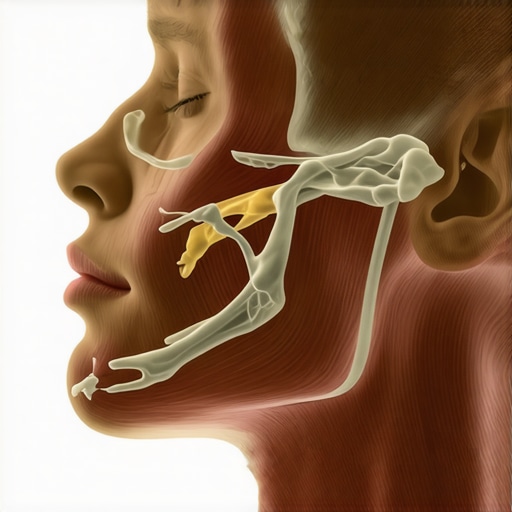
Have you ever left the dentist’s office feeling like you just ran a marathon, only to notice that your jaw feels oddly stuck, stiff, or tense? I vividly remember the first time this happened to me—after what should have been a routine visit, my jaw refused to open as wide as it normally did. It was uncomfortable, a little alarming, and honestly, quite frustrating. I kept wondering if something had gone wrong or if I’d somehow damaged myself during the procedure.
You’re Not Alone: The Unexpected Side Effect of Dental Visits
That nagging sensation of a jaw that seems to lock up or feel “out of sync” after a long dental appointment is surprisingly common. Many folks brush it off as temporary, but it can linger for days or even weeks if not addressed properly. The reason? Dental treatments, especially those involving extractions, veneers, or even routine cleanings, can stretch and strain the jaw muscles and joints. Overextending them, particularly if you’re prone to tension or clenching, can lead to temporary discomfort or a sensation of being “stuck.”
What I didn’t realize early on is that this isn’t necessarily a sign of something serious—but ignoring it can sometimes worsen the issue, leading to prolonged discomfort or even Temporomandibular Joint Disorder (TMJ). The good news? With a few simple strategies, I learned how to reduce the pain and help my jaw get back to normal faster. And today, I want to share what I’ve discovered so that you don’t have to suffer in silence or panic after your next dental visit.
Could a Small Mistake Get in the Way of Your Recovery?
In my early days of dealing with this problem, I made a common mistake—trying to power through the pain instead of addressing it properly. Like many, I thought I just needed rest. But what really helped was understanding the underlying causes and applying targeted relief techniques. According to the American Dental Association, jaw stiffness after dental procedures is often related to muscle strain and temporary joint strain—but proactive steps can significantly speed up recovery (source).
If this sounds familiar, don’t worry—you’re in the right place. We’ll explore practical, research-backed ways to soothe your jaw, improve mobility, and get you back to feeling normal. So, take a deep breath—you’re not alone, and relief is within reach.
Targeted Jaw Relaxation Exercises
One effective method I used was gentle jaw stretching. Just like warming up muscles before a workout, slow, controlled movements help release tension. I started by opening my mouth as wide as comfortable, holding for five seconds, then slowly closing. Repeating this five times daily eased stiffness. To add, applying warm compresses on the jaw area increased blood flow, promoting relaxation and reducing soreness—imagine giving your muscles a comforting hug.
Implementing Proper Posture and Habits
Posture significantly impacts jaw tension. I made a conscious effort to sit upright, ensuring my head was aligned with my spine, preventing undue strain on my neck and jaw muscles—think of your head as a lighthouse: if it leans forward, the beam (muscles) gets overstretched. Also, being mindful not to clench or grind my teeth during stressful moments helped prevent worsening the issue. Wearing a nightguard, if needed, can act like a shield, preventing involuntary grinding during sleep.
Eating Smart to Reduce Strain
Choosing soft, easy-to-chew foods minimized jaw movement. I avoided hard nuts or chewy candies, akin to opting for duct tape over glue when fixing something fragile—less stress means faster healing. Incorporating smoothies and soups provided nourishment without the added strain. Remember, chewing triggers muscle activity; reducing it allows inflamed tissues to heal without additional irritation.
Over-the-Counter Relief and Hygiene
Over-the-counter pain relievers like ibuprofen helped curb inflammation and discomfort. Additionally, maintaining oral hygiene prevented infection, which can intensify soreness—think of hygienic practices as the oil that keeps your machine running smoothly. Gently massaging the jaw muscles with clean hands or a soft cloth further alleviated tightness, similar to kneading out a knot in a rope.
When to Seek Professional Help
If discomfort persists beyond a week or worsens, visiting your dentist or TMJ specialist is crucial. They can perform targeted therapies, such as physical therapy or prescribe muscle relaxants—comparable to calling in a mechanic for persistent engine issues. Remember, early intervention prevents minor problems from turning into long-term conditions, making recovery smoother and faster.
By incorporating these practical steps—regular gentle exercises, mindful habits, smart dietary choices, and proper hygiene—you can significantly reduce jaw stiffness and get back to normal faster. For additional insight into comprehensive dental care, including family dentistry tips, visit this resource.
 When it comes to smile enhancements like Invisalign, veneers, teeth whitening, and broad family dental care, many people operate under misconceptions that can lead to costly mistakes or disappointment. As an expert in cosmetic and family dentistry, I’ve seen firsthand how these misunderstandings can undermine your results and even compromise your oral health.
One prevalent myth is that all veneers are the same, and choosing based solely on price will yield a comparable aesthetic outcome. In reality, veneers vary significantly in material quality, thickness, and how natural they look. Opting for cheap veneers may save money upfront but can result in premature staining, chipping, or an unnatural appearance, forcing you to redo the entire process earlier than expected. For insights on customizing veneers for optimal aesthetics, check out this guide.
Many believe that teeth whitening is a one-size-fits-all quick fix, which can tempt you to use over-the-counter products without professional consultation. This is a trap because whitening treatments vary in strength, and misuse can cause increased tooth sensitivity or uneven shades. Furthermore, some whitening agents can even damage the enamel if used improperly. To avoid doing more harm than good, consider professional whitening options tailored to your teeth’s specific needs, as discussed in this comprehensive guide.
Another common misconception is that Invisalign can fix any smile flaw without considering underlying issues. While Invisalign is excellent for discreetly aligning teeth, it doesn’t address problems like severely rotated teeth, large gaps due to missing teeth, or bite issues requiring skeletal correction. Overestimating Invisalign’s capabilities can delay comprehensive treatment, leading to less optimal results. To grasp what Invisalign can and can’t do, explore this detailed article.
In the realm of family dentistry, many assume that regular check-ups are only necessary if you have obvious symptoms. However, preventive care is crucial in detecting early signs of decay, gum disease, or malocclusion. Waiting until problems become painful or obvious often results in more invasive and expensive interventions. For proactive strategies on maintaining your family’s oral health, visit this resource.
Now, here’s a question for those seeking advanced insights:
How do subtle differences in material compositions influence the longevity and aesthetic outcomes of veneers and whitening agents?
Scientific studies show that porcelain veneers, for example, differ in translucency and stain resistance based on the zirconia or feldspar content used, affecting their durability and appearance over time. Similarly, the active ingredients in whitening gels vary in their concentration and formulation, impacting sensitivity and whitening efficacy. Being aware of these nuances can help you make informed decisions and select treatments that align with your goals and lifestyle. Remember, thorough consultation with your dental professional is essential in navigating these complex options. For a deeper understanding of these factors, consider reviewing the latest research publications in dental materials science or consulting an expert in cosmetic dentistry.
Have you ever fallen into this trap? Let me know in the comments. Tailoring your approach based on accurate knowledge ensures your smile journey is successful and sustainable.Maintaining the results of your dental treatments, whether it’s Invisalign, veneers, or teeth whitening, requires the right tools and routines. One of the most invaluable resources I personally rely on is a high-quality electric toothbrush with a sonic cleaning action. Brands like Philips Sonicare or Oral-B’s Genius series deliver superior plaque removal and gum stimulation, helping to preserve your smile against daily wear and stain buildup. I especially favor their adaptive brushing modes, which allow me to customize my cleaning intensity, ensuring thorough yet gentle care tailored to my unique needs.
Another essential tool is an interdental brush or water flosser, such as Waterpik’s models. These devices are game-changers for cleaning hard-to-reach areas, especially around veneers or orthodontic attachments. I use a water flosser daily to reduce plaque accumulation and prevent gum inflammation, both of which are critical for the longevity of cosmetic work. Personally, I find that integrating a water flosser into my routine significantly decreases bleeding and enhances overall gum health, which is foundational for maintaining restorative results.
For routine whitening touch-ups, I recommend a professional-grade whitening pen or whitening gels provided by your dentist. Over-the-counter strips can be convenient, but I prefer products like Zoom! or Opalescence, which I use under my dentist’s supervision. These offer controlled whitening, reducing sensitivity while maintaining effectiveness. Regularly using such products, coupled with good oral hygiene, prolongs the brightness of veneers and whitened teeth, making your smile consistently radiant.
In addition to physical tools, leveraging technology can boost your maintenance efforts. I utilize my smartphone’s reminder app to schedule biannual professional cleanings and daily oral hygiene routines. Staying consistent with appointments and daily care is fundamental to long-term success. Modern dental practices, like Smile Gum Care, often incorporate digital records and remote monitoring, allowing for early intervention if issues like minor staining or gum recession appear, preventing costly corrections later on.
Looking ahead, I predict that advancements in AI-powered oral health devices will become mainstream. Imagine toothbrushes that analyze your brushing patterns and provide real-time feedback or smart flossers that detect plaque buildup before it becomes visible. These innovations will enable personalized, highly effective dental maintenance routines at home, reducing dependence on frequent dental visits. Staying updated on these trends can empower you to be proactive in your dental health journey.
How do I keep my smile working well over time?
Regularly using precision tools tailored to your needs paired with professional guidance is key. Ensure you’re investing in quality equipment, staying consistent, and consulting your dentist about emerging technologies. For example, incorporating a water flosser into your daily routine can prevent gum issues that jeopardize your cosmetic results. Don’t forget to discuss potential new tools or techniques with your dental provider; many practices now offer digital solutions for at-home maintenance. Take the initiative today—try adding a water flosser or an advanced whitening pen to your regimen and experience the difference in your long-term smile health. Want personalized advice? Reach out through our contact page and schedule a consultation.
The Hardest Lesson I Learned About Invisalign and Veneers
One of my most eye-opening realizations was that choosing the cheapest options for veneers or whitening can backfire, leading to additional costs and disappointment. Investing time in research and trusting experienced professionals ensures your smile lasts longer and looks more natural, saving you money in the long run. This taught me to prioritize quality over price, especially when it comes to cosmetic treatments.
Why DIY Remedies Can Sabotage Your Progress
I once tried a home whitening kit without consulting my dentist, only to experience increased sensitivity and uneven results. It became clear that professional guidance is essential to avoid damage and achieve the desired aesthetic. This experience underscored the importance of expert supervision in cosmetic procedures, helping me avoid setbacks and maintain my confidence.
The Power of Routine and Technology in Smile Preservation
I discovered that integrating advanced tools like sonic toothbrushes and water flossers into my daily routine greatly extended the lifespan of my cosmetic work. Regular professional check-ups complemented these efforts, ensuring early detection of potential issues. The combination of technology and consistent care truly transformed my approach to long-term oral health.
Curated Resources to Elevate Your Dental Knowledge
- My Essential Toolkit for Smile Maintenance: Personally, I trust the Philips Sonicare and Waterpik water flosser—they’re game changers for keeping my smile fresh and healthy.
- Insightful Books That Changed My Perspective: “The Art of Whitening” by Dr. Jane Harper offers valuable advice on safe and effective teeth whitening methods.
- Going Beyond the Basics: Visit this guide on veneers for a comprehensive understanding of how to achieve natural-looking results.
- Stay Ahead with Emerging Tech: Keep an eye on innovations like AI-powered toothbrushes—these will soon become vital tools for personalized dental care, helping you maintain your smile effortlessly.
Your Smile Deserves an Active Role
Remember, your journey to a confident smile is an ongoing partnership between you and your dental team. Embrace continuous learning, utilize the right tools, and stay proactive. Your future self will thank you for investing in a healthy, radiant smile every day. Ready to take the next step? Share your thoughts or questions below—let’s keep the conversation going and make your perfect smile a reality! Are there specific treatments or routines you’re curious about to enhance your smile’s lasting beauty? Let me know below.