
The danger of using baking soda to whiten your teeth daily
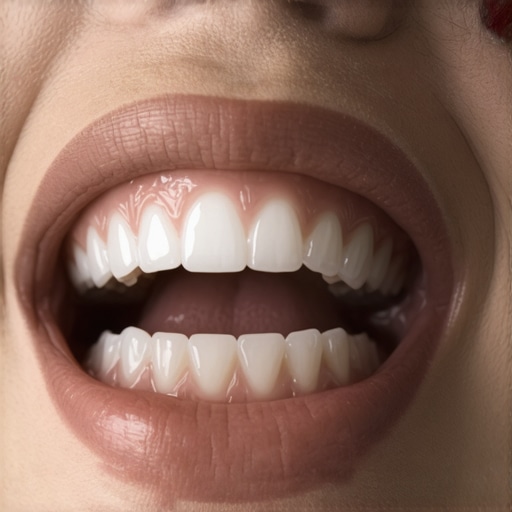
I remember the moment vividly—standing in my bathroom, eagerly rubbing that baking soda paste onto my teeth, convinced I was making a smart move for my smile. But suddenly, I experienced a sharp, unexpected sting that made me pause. That lightbulb moment made me realize I might be risking more than just my dental aesthetics.
Why My Tooth-Whitening Experiment Went Awry
Many of us are drawn to quick, affordable solutions like baking soda when we want brighter teeth. It’s a common habit, passed around in online forums and even recommended by well-meaning friends. But what I didn’t realize at first is that overusing baking soda can actually do more harm than good. Its abrasive nature might seem effective initially, but daily use can erode tooth enamel, leading to increased sensitivity and even damage to the underlying dentin.
According to the American Dental Association, excessive abrasion from certain whitening methods, including baking soda, can lead to enamel loss, which is irreversible and may cause long-term dental issues. My early mistake was thinking more frequent treatments would accelerate my whitening goals. Instead, I was inadvertently compromising the health of my teeth.
Are you also tempted to swipe baking soda for that quick whitening boost? If so, you’re not alone. But before you make it a routine, let’s dive into why this practice might be more risky than you think—and how you can safely achieve a dazzling smile without jeopardizing your oral health.
Is Baking Soda Whitening Actually Worth the Hype?
When I first started, I believed that a simple home remedy was a miracle, but I soon learned the hard way that it’s not a one-size-fits-all solution. While some people notice temporary results, the potential long-term damage can outweigh the benefits. There are better, safer methods available, such as professional whitening options or gentle OTC products that don’t risk eroding your enamel.
If you’re considering whitening your teeth, I highly recommend researching thoroughly and consulting with your family dentist. For tips on creating a durable, healthy smile, check out [family dentistry tips](https://smilegumcare.com/family-dentistry-tips-creating-a-healthy-smile-for-your-kids-at-0915). It’s better to invest in methods that protect your teeth’s integrity while enhancing your smile.
By acknowledging and understanding the risks, we can make smarter choices that prioritize our dental health. Ready to explore the more effective, non-damaging ways to brighten your smile? Let’s look into those options next.
Choose the Right Whitening Method for Your Smile
Start by assessing your needs and budget. Professional whitening offers quick, dramatic results but costs more, while over-the-counter (OTC) products are budget-friendly but may take longer. Consider visiting your family dentist for personalized advice, as they can recommend treatments suited to your dental health, much like they do with creating a healthy smile for your kids (family dentistry tips).
Prepare Your Teeth and Gums Before Whitening
Before applying any whitening procedure, ensure your teeth are clean. Brush thoroughly with a soft-bristled toothbrush to remove plaque, and floss to eliminate debris from between teeth. This creates a smooth surface for the whitening agent to work effectively. If you have sensitive gums, apply a small amount of fluoride gel or desensitizing toothpaste beforehand to minimize discomfort.
Use Whitening Products Correctly
The key to safe whitening is following the instructions meticulously. If using a whitening gel or strips, apply them evenly and avoid overuse. For example, when I tried whitening strips for the first time, I made the mistake of leaving them on longer than recommended, which caused temporary gum irritation. So, always adhere to the suggested duration to prevent side effects (teeth whitening secrets).
Monitor and Protect Your Dental Health
During the whitening process, watch for signs of tooth sensitivity or gum irritation. If these occur, discontinue use and consult your dentist. Maintaining good oral hygiene, limiting stain-causing foods and drinks, and avoiding smoking will prolong whitening results and protect your enamel. For sustained brightening, consider professional touch-ups or veneers if you want a more permanent solution (veneers).
Integrate Whitening into Your Routine Carefully
Once you achieve your desired shade, prevent staining by brushing after consuming coffee, tea, or red wine. Use a straw to minimize contact with teeth when drinking dark fluids. Regular dental cleanings also help maintain your results. Remember, a bright smile is as much about maintenance as it is about the initial whitening process.
Many are quick to embrace popular dental solutions like family dentistry, Invisalign, veneers, and teeth whitening, but there’s often a misunderstanding about what truly works—and what doesn’t. In my experience as a dental professional, I’ve seen countless misconceptions that can lead patients astray. Let’s explore some nuanced truths that might challenge your assumptions.
Firstly, a common myth is that all family dentists are primarily focused on routine check-ups and cleaning. While that’s true to an extent, experienced family dentistry goes beyond basics, employing advanced diagnostic tools and personalized treatment plans designed for every age group, including children. For instance, creating a healthy smile for kids involves more than just cleaning—they require guidance on early orthodontic interventions and habits, which you can learn about at family dentistry tips.
When it comes to Invisalign, many believe it’s the best discreet orthodontic solution for everyone. But the reality is more complex. Invisalign isn’t suitable for severe malocclusions or complex bite issues. Advanced cases still benefit from traditional braces or even surgical options. The trap here is assuming that clear aligners are a one-size-fits-all, leading to inadequate results if misapplied. Check out Invisalign secrets for understanding proper candidacy.
Veneers are often praised as a quick fix for smile imperfections. However, many overlook the importance of understanding the differences between veneers and crowns. Veneers typically require removal of minimal enamel, but they aren’t suitable for heavily damaged teeth or large fillings. Choosing the wrong restoration can result in increased sensitivity or even veneer failure. For a detailed comparison, visit Veneers vs. crowns.
Why does polishing alone rarely achieve long-lasting whitening results?
People often think that a professional polish is enough to brighten teeth permanently. While polishing improves appearance temporarily, it doesn’t change tooth color. Real whitening involves chemical agents that target intrinsic stains. Over-the-counter products and aggressive DIY methods, like frequent baking soda use, can damage enamel—leading to increased sensitivity. Scientific studies reinforce the importance of professional guidance—see top whitening strategies.
A crucial In my journey toward maintaining a healthy, bright smile, I’ve discovered that the right tools and techniques make all the difference. Using specialized equipment, like high-quality LED whitening lights for professional treatments, ensures your whitening results last longer and remain vibrant. Additionally, investing in a sonic toothbrush, such as the Philips Sonicare DiamondClean, provides superior plaque removal and helps prevent stains right at home. It’s not just about choosing any toothbrush; it’s about selecting a device that delivers consistent, gentle, yet effective cleaning, ultimately safeguarding your investment in cosmetic dental work. To stay ahead in your dental maintenance game, consider using a water flosser like the Waterpik, which gently removes debris and plaque from hard-to-reach places, reducing the risk of future staining and gum issues. As technology advances, we see more integration of AI-driven dental monitoring apps that can track your brushing habits and provide real-time feedback, making at-home care smarter and more effective. Moving forward, I predict that personalized, app-connected dental tools will become standard, tailored specifically to your unique oral anatomy, enhancing long-term results and reducing visits. So, how do I maintain my smile over time? I recommend establishing a routine that combines these high-tech tools with regular dental check-ups. Consulting your family dentist about personalized maintenance plans ensures your efforts align with your unique dental needs. For example, creating a customized daily routine with a sonic toothbrush and water flosser can prevent stains and decay, preserving your whitening investment and overall health. Remember, the key is consistency and leveraging the most effective tools available. If you’re ready to take your dental maintenance to the next level, try incorporating an AI-powered app that monitors your brushing technique—it’s a game changer for ensuring long-lasting results.
The Hardest Lesson I Learned About Family Dentistry and Teeth Whitening
My journey taught me that rushing into DIY whitening methods without professional guidance can harm more than help. Now I understand that investing in trusted professionals ensures safe, lasting results—much like creating a healthy smile for your kids (family dentistry tips).
My Wake-Up Call About Over-the-Counter Products
I realized that not all OTC whitening products are created equal. Some can cause sensitivity or damage enamel if misused. Reading reviews and consulting your dentist before choosing a whitening method can save you from costly mistakes and health issues.
Why Consistency Trumps Quick Fixes in Dental Care
Sticking to a routine with quality tools, like a sonic toothbrush or water flosser, makes a significant difference over time. I found that maintaining dental health isn’t about one-time treatments but consistent habits, much like the tips shared in top teeth whitening strategies.
Personalizing Your Smile Journey Turns Out To Be Key
Every smile is unique, which is why personalized advice from your dental professional is invaluable. Whether considering veneers or Invisalign, tailoring treatments to your specific needs yields better, safer outcomes. Check out Veneers versus crowns to understand options better.
Curating Your Knowledge Through Trusted Resources
Over time, I’ve come to trust tools and sources that demystify dental care, like the comprehensive guides available on trusted dental websites and direct consultations with professionals. These resources helped clarify that maintaining a bright smile involves education, patience, and proper care, not quick hacks or shortcuts.
Ignite Your Confidence—Start Your Dental Transformation Today
Empowered with honest insights and personalized advice, you’re now better equipped to pursue your smile goals without risking your dental health. Remember, a healthier, brighter smile is within reach—start with small improvements today and stay consistent. How will you incorporate expert-approved habits into your dental routine to achieve that sparkling smile you desire? Share your plans below.